So, you’re wondering which eco-friendly products are actually making money in 2025? It’s a big question, and honestly, it makes sense to ask. People are definitely buying more sustainable stuff these days, and it’s not just a trend. It’s becoming a way of life for a lot of us. Figuring out what to sell, or even what to buy, can feel a bit overwhelming with so many options out there. But don’t worry, we’ve looked into it, and there are some clear winners. Let’s break down what’s hot and what’s not in the world of green goods this year.
Key Takeaways
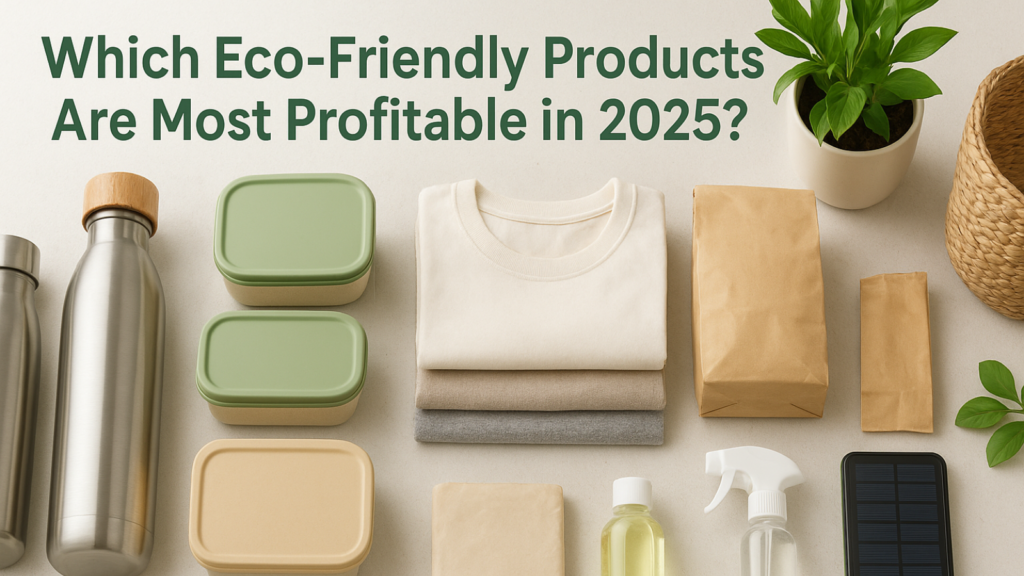
- Reusable water bottles and containers are a solid bet, with people ditching single-use plastics for durable alternatives.
- Sustainable fashion is growing, focusing on materials like organic cotton and recycled fabrics, plus ethical production.
- Biodegradable packaging is in demand as businesses aim to cut down on plastic waste, using materials like cornstarch and bamboo.
- Eco-friendly cleaning supplies, made with natural ingredients and safer for homes, are becoming more popular.
- Solar-powered gadgets and sustainable home decor are on the rise as consumers look for ways to reduce their energy use and live more consciously.
Profitable Eco-Friendly Product Categories For 2025
It’s no surprise that the demand for eco-friendly products is booming. People are more aware than ever about their impact on the planet, and they’re looking for ways to make better choices. This shift means big opportunities for businesses that offer sustainable options. If you’re thinking about starting a business or expanding your current one, focusing on these areas could be a smart move for 2025. These aren’t just trendy ideas; they represent genuine, growing markets with real consumer interest. The future of commerce is increasingly green, and now is the time to get involved.
Reusable Water Bottles And Beverage Containers
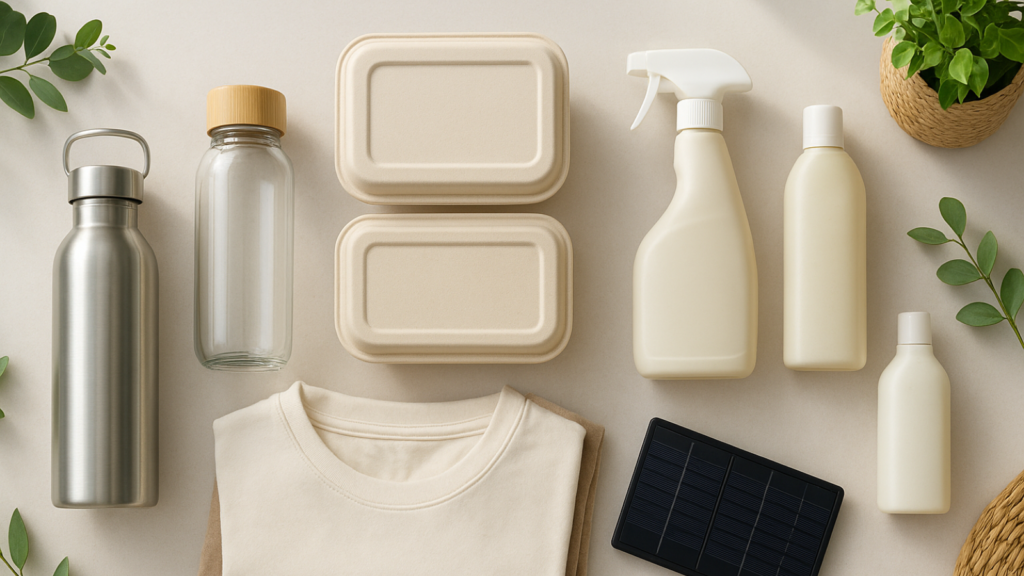
This is a classic for a reason. Single-use plastic bottles are a huge problem, and consumers know it. That’s why durable, reusable bottles made from materials like stainless steel or glass are flying off the shelves. People are looking for stylish, functional options to carry their water, coffee, or other drinks throughout the day. Think about offering a range of sizes, colors, and even smart features like insulation or self-cleaning capabilities. It’s a simple product, but the market is still expanding, making it one of the best eco products for business.
Eco-Friendly Fashion And Apparel
The fashion world has a big pollution problem, but sustainable fashion is stepping up. Brands using organic cotton, hemp, recycled fabrics, and ethical manufacturing practices are really connecting with shoppers. It’s not just about the clothes themselves, but also about how they’re made. Transparency in the supply chain, fair wages, and safe working conditions are becoming just as important as the fabric. Consumers want to feel good about what they’re wearing, both inside and out. This is a fantastic area for sustainable business opportunities 2025.
Biodegradable Packaging Solutions
Packaging waste is a massive issue, especially for online retailers and food businesses. Switching to biodegradable and compostable packaging is a game-changer. Materials derived from cornstarch, bamboo, or even seaweed are becoming more common. As more companies aim to cut down on plastic, the demand for these greener alternatives will only climb. Offering these solutions can help businesses attract customers who are actively trying to reduce their waste footprint.
Eco-Friendly Cleaning Products
People are increasingly concerned about the chemicals in their homes. Eco-friendly cleaning products, made with natural, plant-based ingredients, offer a safer alternative. Think plant-based detergents, all-purpose cleaners, and natural disinfectants. These products are often biodegradable and come in recyclable or compostable packaging, which is a big plus for environmentally conscious shoppers. The market for non-toxic, sustainable home care is definitely on the rise.
The shift towards sustainability isn’t just a trend; it’s a fundamental change in consumer behavior. Businesses that align with these values are not only doing good for the planet but are also positioning themselves for long-term success. Identifying profitable green product ideas now can set you up for a strong future.
Here are some of the top profitable green product ideas:
- Reusable Water Bottles: Durable, stylish, and a direct replacement for single-use plastics.
- Sustainable Apparel: Clothing made from organic, recycled, or innovative eco-friendly materials.
- Biodegradable Packaging: Essential for businesses looking to reduce their environmental impact.
- Natural Cleaning Supplies: Non-toxic, plant-based alternatives for home and commercial use.
- Solar-Powered Gadgets: Portable chargers, lights, and other tech that harness renewable energy. You can find a variety of these eco-friendly products for sale.
These categories represent significant growth areas for 2025 and beyond, offering solid sustainable business opportunities.
Emerging Trends In Sustainable Consumer Goods

As we look ahead to 2025, the landscape of consumer goods is shifting, with sustainability moving from a niche concern to a mainstream expectation. This evolution is driven by a growing awareness of environmental issues and a desire for products that align with personal values. The future of sustainable commerce is bright, and several categories are poised for significant growth.
Solar-Powered Gadgets and Accessories
Imagine your phone charging on the go without needing an outlet, or a backpack that powers your devices while you hike. Solar-powered gadgets are making this a reality. Think portable solar chargers, solar-powered lights for outdoor use, and even solar-integrated backpacks. These items offer convenience and a clear environmental benefit, reducing reliance on grid electricity. The technology is becoming more efficient and affordable, making these accessories increasingly attractive to consumers who value both innovation and eco-consciousness.
Sustainable Home Decor
Our living spaces are becoming extensions of our values. In 2025, expect a surge in demand for home decor items that are not only aesthetically pleasing but also kind to the planet. This includes furniture made from reclaimed wood or recycled materials, textiles produced from organic or recycled fibers, and decor items crafted by local artisans using sustainable practices. Consumers are looking for unique pieces that tell a story and contribute to a healthier home environment. This trend also ties into the growing interest in minimalist living and conscious consumption.
Electric Vehicles and Charging Stations
While perhaps a larger investment, the shift towards electric vehicles (EVs) is a major trend with significant implications for sustainability. As more people opt for EVs, the demand for accessible and efficient charging infrastructure will skyrocket. Businesses that can provide home charging solutions, public charging stations, or even innovative charging technologies will find a ready market. This sector represents a substantial opportunity for growth and environmental impact.
The move towards sustainable consumer goods isn’t just about feeling good; it’s about practical solutions for a changing world. Consumers are actively seeking products that reduce waste, conserve energy, and minimize their carbon footprint. This shift is reshaping industries and creating new avenues for businesses that prioritize environmental responsibility.
Niche Markets For Eco-Conscious Consumers
Beyond the big categories, there are some really interesting smaller markets popping up for people who want to shop more mindfully. These are the places where innovation meets a specific need, and they’re showing up in a big way.
Plant-Based And Vegan Products
The plant-based movement isn’t just about food anymore. We’re seeing a huge expansion into all sorts of goods. Think about personal care items made without any animal products, or cleaning supplies that use only plant-derived ingredients. It’s a growing area because more people are looking for alternatives that align with their values, and frankly, they’re often just as good, if not better, than the traditional options.
- Skincare and Cosmetics: Brands are creating makeup and lotions using only plant-based ingredients, often focusing on natural and organic sources. Many also offer refillable packaging to cut down on waste.
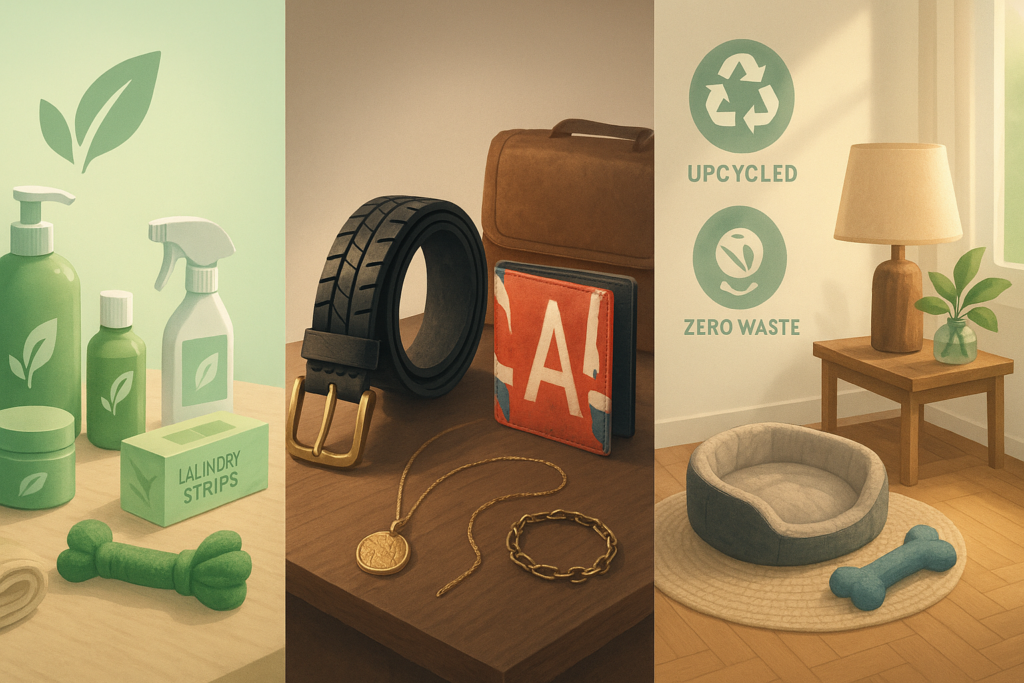
- Household Cleaners: From laundry strips to all-purpose sprays, plant-based cleaners are becoming popular. They avoid harsh chemicals, making them safer for homes and the environment.
- Pet Food and Supplies: The vegan pet market is expanding, with food options and even accessories like leashes and toys made from plant-based or recycled materials.
The demand for plant-based and vegan options is driven by a mix of ethical concerns, health consciousness, and environmental awareness. This trend is a significant part of the broader eco-conscious market trends we’re seeing.
Upcycled And Repurposed Goods
This is where creativity really shines. Upcycling takes old items or waste materials and turns them into something new and often more valuable. It’s a fantastic way to reduce landfill waste and give materials a second life. We’re seeing everything from fashion accessories to home decor made from things that would have otherwise been thrown away.
- Fashion Accessories: Think belts made from old tires, wallets crafted from discarded advertising banners, or jewelry fashioned from reclaimed metals. These items have a unique story and a lower environmental footprint.
- Home Decor: Furniture made from reclaimed wood, rugs woven from old textiles, or decorative items created from recycled glass are finding their way into homes. These pieces add character and a sustainable edge.
- Pet Products: Companies are making pet toys and beds from recycled fabrics and ocean plastic. It’s a smart way to keep pets happy while addressing pollution issues.
| Product Type | Original Material Examples | New Product Examples |
| Fashion Accessories | Old Burlap Sacks, Discarded Tires | Bags, Wallets, Belts |
| Home Decor | Reclaimed Wood, Textile Scraps | Furniture, Rugs, Wall Art |
| Pet Supplies | Recycled Plastic, Old Fabrics | Toys, Pet Beds, Collars |
These niche markets are great examples of how businesses can cater to specific consumer desires while making a positive impact. They show that sustainability doesn’t mean sacrificing style or quality; it often means embracing innovation and resourcefulness.
Understanding The Eco-Friendly Market Landscape

Consumer Demand For Sustainable Options
It’s pretty clear that people are thinking more about the planet these days. You see it everywhere, from news headlines to what your neighbors are buying. This shift means consumers are actively looking for products that don’t harm the environment. In fact, a good chunk of shoppers, around 64% according to one study, now consider sustainability a major factor when they decide what to buy. And get this – many are even willing to pay a bit more, sometimes up to 9.7% extra, for items that are made locally, use eco-friendly materials, or have a low carbon footprint. This isn’t just a passing trend; it’s a real change in how people shop.
Market Growth Projections For Eco-Products
The market for eco-friendly goods is really taking off. Globally, it was worth about $355.3 billion in 2024. Experts predict it will hit a massive $692 billion by 2033. That’s a steady growth rate, showing that businesses that focus on sustainability are in a good spot for the future. For anyone selling products, this means there’s a big opportunity to tap into a market that’s only getting bigger.
Key Certifications For Eco-Friendly Products
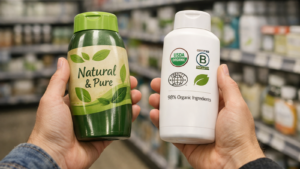
When you’re selling eco-friendly items, it helps to have proof. Certifications are like badges that tell customers your product meets certain standards. They help build trust and show you’re serious about being green. Some common ones you might see include:
- USDA Organic: For food and agricultural products.
- GOTS (Global Organic Textile Standard): For organic fibers in clothing and textiles.
- FSC (Forest Stewardship Council): For wood and paper products from responsibly managed forests.
- Cradle to Cradle Certified: A comprehensive standard for safe, circular, and responsibly made products.
Having these certifications can make a big difference. They help consumers feel confident they’re making a good choice for the planet and can set your products apart from others that might just claim to be eco-friendly without real backing.
Wrapping It Up: The Green Market is Here to Stay
So, looking at everything we’ve talked about, it’s pretty clear that eco-friendly products aren’t just a passing trend. People are really starting to care about where their stuff comes from and how it affects the planet. Whether it’s reusable bottles, cleaning supplies made from plants, or even clothes from recycled materials, there’s a big demand. Businesses that jump on this now, offering genuine sustainable options, are going to do well. It’s not just about doing good; it’s becoming a smart business move for 2025 and beyond. Keep an eye on these green goods – they’re where the future is heading.
Frequently Asked Questions
What exactly makes a product ‘eco-friendly’?
Eco-friendly products are items made in a way that doesn’t hurt the planet much. This means they often use materials that can be used again, like recycled stuff, or things that break down easily after you’re done with them. They also try to avoid yucky chemicals and come in packaging that’s good for the Earth, like being recyclable or compostable.
Are eco-friendly products really popular right now?
Yes, they are! More and more people are thinking about the environment when they shop. In fact, a lot of shoppers are choosing sustainable items over others. This trend is growing, and it’s a big reason why businesses are offering more green options.
Which types of eco-friendly products are doing well in 2025?
Some top sellers include things like reusable water bottles and bags, clothes made from better materials (like organic cotton or recycled fabric), cleaning supplies that use natural ingredients, and packaging that breaks down naturally instead of staying around forever.
Are there any new or ‘up-and-coming’ eco-friendly product ideas?
Definitely! Things like gadgets that run on solar power (like chargers and lights), home decorations made from recycled or natural stuff, and products for people who eat plant-based or vegan diets are becoming super popular. Also, items made from old things that are given a new life, like upcycled furniture, are trending.
Why should businesses consider selling eco-friendly products?
Selling green products is smart business because lots of customers want them. It shows your company cares about the planet, which can attract more buyers. Plus, with the market for these items growing, it’s a great way to make money while doing good.
How can I be sure a product is truly eco-friendly?
Look for special labels or certifications on the product’s packaging or description. These are like seals of approval from groups that check if the product is really made in an environmentally friendly way. Some common ones to look for include USDA Organic, GOTS, FSC, or Cradle to Cradle.