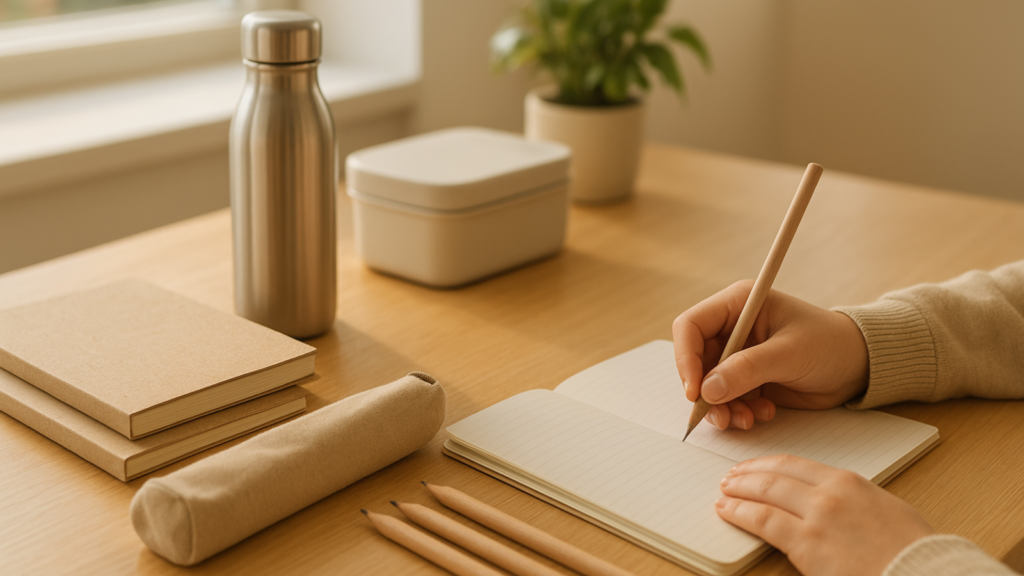
Education shapes future leaders. Daily school routines influence habits that often last a lifetime. Choosing sustainable school essentials allows students to practice environmental responsibility while managing studies effectively. Eco-friendly school products reduce waste, limit exposure to non-toxic materials, and support ethical manufacturing systems.
Rising concerns around plastic pollution, climate change, and resource depletion push many families towards eco-conscious school shopping. Students benefit directly through durable designs, healthier materials, and organized routines. Sustainable school supplies also help families align learning environments with green living values.
Going green never means compromising on quality or style, especially for school preparation. Modern eco-conscious students and families seek planet-friendly options that reduce environmental impact while maintaining excellent performance. This comprehensive guide explores sustainable school supplies that help young learners thrive while protecting our planet.
Why Choose Sustainable School Supplies?
Traditional school products often contain harmful chemicals, excessive plastic packaging, and materials destined for landfills within months. Environmentally friendly school items create positive change on multiple levels.
Environmental Benefits: Sustainable materials significantly reduce carbon footprint through ethical sourcing and responsible production methods. Products made from recycled materials or renewable resources minimise waste and pollution.
Health Advantages: Non-toxic school supplies protect students from harmful chemicals found in conventional products. Traditional items contain Polyvinyl Chloride (PVC), phthalates, and other substances that may affect developing bodies.
Long-Term Value: Eco-friendly alternatives might cost slightly more initially. Durable construction means fewer replacements. Quality sustainable products outlast cheap plastic alternatives, saving money over time.
Educational Impact: Using green school essentials teaches children valuable lessons about environmental responsibility and conscious purchasing decisions. Young people develop sustainable habits that last throughout life.
Top 10 Sustainable School Essentials Every Student Needs
Equipping students with the right supplies sets the foundation for academic success and environmental responsibility. This curated list features 10 essential products that combine functionality with sustainability. Each item has been selected based on 3 criteria (environmental impact, student practicality, and long-term value). These sustainable alternatives prove that eco-conscious choices enhance rather than limit options. Students gain quality tools while contributing to planetary health through everyday decisions.
1. Eco-Friendly Backpacks for Students
Modern sustainable backpacks combine 3 key elements (style, durability, and environmental consciousness). Leading brands craft bags from recycled plastic bottles, organic cotton, or hemp fibres.
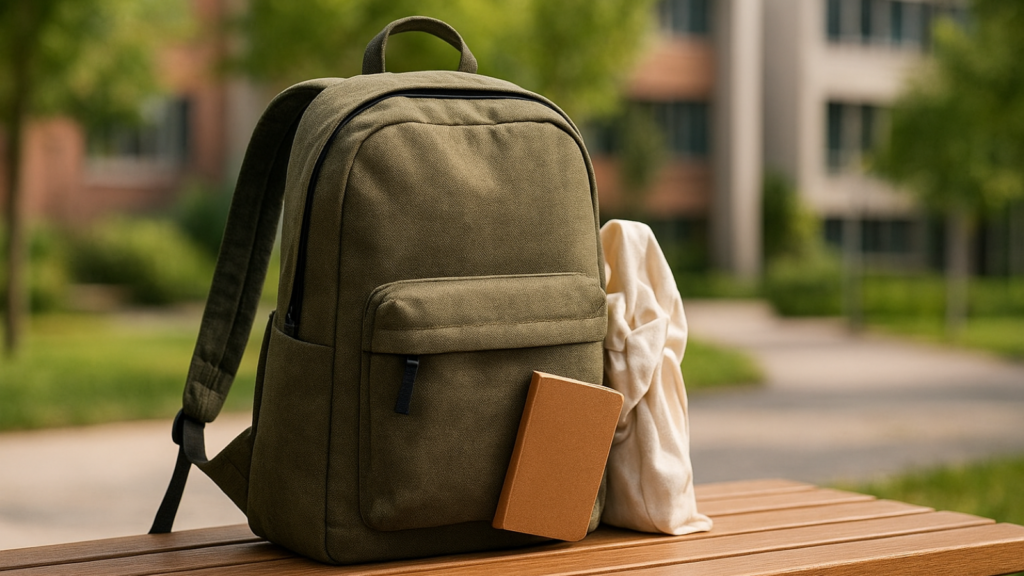
Description: Contemporary eco backpacks feature multiple compartments, padded laptop sleeves, and ergonomic designs. Manufacturers use water-resistant coatings derived from natural materials rather than harmful chemicals.
Eco Features:
- Made from recycled Polyethylene Terephthalate (PET) bottles or organic materials
- Zero toxic chemicals in production
- Biodegradable or fully recyclable at end of life
- Fair trade certified manufacturing
- Minimal plastic components
Why Students Love This: Stylish designs rival conventional brands while offering superior comfort. Water-resistant properties protect electronics and books during commutes. Multiple colours and patterns suit different personal styles.
Pros:
- Extremely durable, lasting 3 to 5 school years
- Comfortable padded straps reduce back strain
- Wide variety of sizes for different age groups
- Easy to clean and maintain
- Supports ethical manufacturing practices
Cons:
- Higher upfront cost than conventional backpacks
- Limited availability in some regions
- Heavier weight compared to ultra-light synthetic bags
- May require special care instructions
2. Reusable Water Bottles for Students
Hydration matters for concentration and overall health. Stainless steel or glass bottles replace single-use plastic containers.
Description: Double-walled insulated bottles keep drinks cold for 24 hours (86,400 seconds) or hot for 12 hours (43,200 seconds). Leak-proof lids prevent spills in packed backpacks. Various sizes accommodate different daily needs.
Eco Features:
- Zero plastic components
- Bisphenol A (BPA)-free, phthalate-free construction
- Recyclable materials
- Reduces single-use bottle consumption
- Long product lifespan of 5 to 10 years
Why Students Love This: Temperature control keeps beverages perfect throughout school days. Easy-grip surfaces prevent drops. Wide mouth openings allow adding ice cubes or easy cleaning.
Pros:
- Eliminates recurring bottled water purchases
- Dishwasher safe for convenient cleaning
- Does not retain flavours or odours
- Available in numerous colours and designs
- Contributes to plastic waste reduction
Cons:
- Initial investment higher than plastic bottles
- Heavier to carry once filled
- Glass options may break upon dropping
- Requires regular cleaning
3. Sustainable Notebooks for Students
Paper production significantly impacts forests and water resources. Choosing notebooks made from recycled or alternative fibres makes real difference.
Description: Eco notebooks use 100% post-consumer recycled paper or tree-free materials like bamboo, hemp, or sugarcane bagasse. Quality paper accepts various pen types without bleeding through pages.
Eco Features:
- Forest Stewardship Council (FSC)-certified or recycled content
- Soy-based or vegetable inks
- Biodegradable covers
- Plastic-free binding options
- Minimal packaging waste
Why Students Love This: Smooth writing surfaces work excellently with fountain pens, ballpoints, or gel pens. Attractive cover designs express personal style. Sturdy construction withstands daily use in backpacks.
Pros:
- Comparable pricing to conventional notebooks
- Wide variety of sizes and ruling styles
- Supports forest conservation efforts
- High-quality paper prevents ink bleed
- Fully biodegradable or recyclable
Cons:
- Slightly lower brightness than virgin paper
- Limited availability in discount stores
- May cost more for premium versions
- Fewer novelty character designs
4. Reusable Lunch Boxes for School
Packing lunch in reusable containers eliminates massive amounts of single-use plastic, aluminium foil, and paper bags.
Description: Stainless steel or durable plastic-free lunch boxes feature multiple compartments for varied meals. Leak-proof seals keep foods fresh and prevent spills. Many designs include matching utensil sets.
Eco Features:
- Food-grade stainless steel or bamboo construction
- Eliminates disposable bags and wraps
- No harmful chemicals leaching into food
- Fully recyclable materials
- Dishwasher safe for easy cleaning
Why Students Love This: Compartments keep different foods separated without extra containers. Insulated versions maintain food temperature. Stylish designs make lunchtime enjoyable.
Pros:
- Saves significant money on disposables
- Keeps food fresher longer
- Easy to clean and maintain
- Extremely durable, lasting 5 to 10 years
- Reduces landfill waste dramatically
Cons:
- Heavier than disposable bags
- Requires daily washing
- Higher initial cost
- Takes up more space in backpack
5. Eco-Friendly Pencils and Pens
Writing instruments create surprising amounts of waste. Sustainable alternatives use recycled materials, refillable designs, or biodegradable components.
Description: Pencils crafted from recycled newspaper, sustainable wood, or even plantable varieties with seed capsules. Pens feature refillable cartridges and bodies made from bamboo, recycled plastic, or cornstarch bioplastic.
Eco Features:
- FSC-certified wood or recycled materials
- Refillable ink cartridges reduce waste
- Non-toxic, biodegradable components
- Some varieties plantable after use
- Minimal packaging
Why Students Love This: Write smoothly like conventional instruments. Unique designs start conversations. Knowing each pen saves multiple plastic cartridges feels rewarding.
Pros:
- Comparable or lower long-term costs
- Wide variety of writing styles available
- Reduces plastic waste significantly
- High-quality writing performance
- Educational talking point about sustainability
Cons:
- Refills may require specific brands
- Initial learning curve for fountain pens
- Limited availability in mainstream stores
- May cost more per unit initially
6. Sustainable Planners for Students
Organisation tools need not harm forests. Eco planners use recycled paper and sustainable materials while offering excellent functionality.
Description: Weekly or daily planners printed on recycled paper with soy-based inks. Covers made from recycled cardboard, cork, or fabric. Include goal-setting pages, habit trackers, and assignment calendars.
Eco Features:
- 100% recycled paper content
- Plastic-free binding methods
- Vegetable-based printing inks
- Biodegradable materials throughout
- Minimal packaging waste
Why Students Love This: Well-designed layouts help manage assignments and activities effectively. Durable covers withstand constant use. Inspiring quotes and designs motivate consistent use.
Pros:
- Supports time management skills
- Similar pricing to conventional planners
- Fully recyclable at year end
- High-quality paper accepts all pen types
- Contributes to forest conservation
Cons:
- Cannot sync with digital devices
- Fixed layouts may not suit everyone
- Must purchase new annually
- Heavier than digital alternatives
7. Reusable Snack Containers for School
Single-serve packaged snacks generate tremendous waste. Reusable containers with multiple compartments offer better solutions.
Description: Small containers perfect for nuts, fruits, vegetables, crackers, or trail mix. Silicone, stainless steel, or glass options fit easily in lunch boxes or backpack pockets.
Eco Features:
- Food-safe materials without toxins
- Leak-proof seals prevent messes
- Dishwasher and freezer safe
- Eliminates disposable snack bags
- Long-lasting durability
Why Students Love This: Portion control helps maintain healthy eating habits. Easy access during breaks. Transparent options show contents at glance.
Pros:
- Saves money on pre-packaged snacks
- Encourages healthier eating choices
- Easy to clean and maintain
- Various sizes for different needs
- Reduces plastic packaging waste
Cons:
- Requires washing after each use
- Takes up space in bags
- Glass versions break upon dropping
- Initial investment required
8. Eco-Friendly Erasers and Correction Tools
Conventional erasers often contain PVC and phthalates. Natural rubber alternatives work effectively without harmful chemicals.
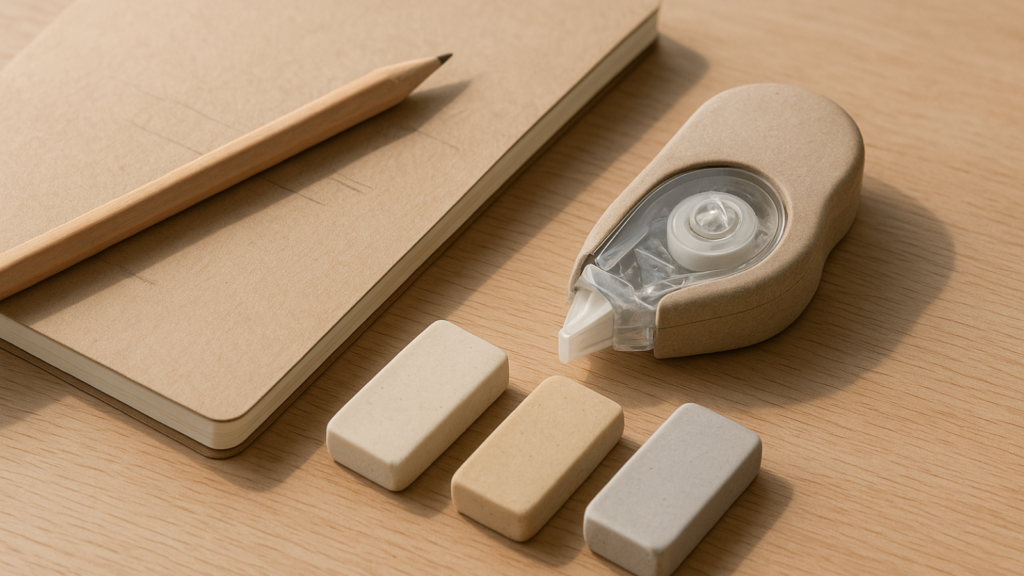
Description: Erasers made from natural rubber trees or recycled materials. Correction tape uses biodegradable components and recyclable dispensers.
Eco Features:
- Natural rubber or recycled content
- PVC-free and phthalate-free
- Biodegradable composition
- Minimal plastic packaging
- Non-toxic formulations
Why Students Love This: Erase cleanly without smudging. Comfortable feel during use. Knowing materials will not harm health provides peace of mind.
Pros:
- Similar pricing to conventional erasers
- Excellent erasing performance
- Safe for children
- Readily available online
- Better for indoor air quality
Cons:
- May be softer than synthetic erasers
- Limited variety in shapes
- Not always stocked locally
- Natural rubber allergies rare but possible
9. Sustainable Folders and Binders
Organisation materials traditionally rely heavily on vinyl and PVC. Eco alternatives use recycled cardboard, hemp, or biodegradable plastics.
Description: Folders and binders constructed from post-consumer recycled materials or tree-free fibres. Sturdy designs protect papers while remaining lightweight. Various colours help organise different subjects.
Eco Features:
- Recycled content or alternative fibres
- PVC-free construction
- Biodegradable or recyclable materials
- Minimal chemical processing
- Responsible manufacturing practices
Why Students Love This: Durable construction protects important papers. Lightweight designs do not add excessive weight to backpacks. Colour coding simplifies organisation.
Pros:
- Comparable pricing to standard folders
- Strong and reliable performance
- Easy to recycle after use
- Wide variety of styles available
- Reduces virgin resource consumption
Cons:
- May be less water-resistant
- Limited availability in stores
- Fewer decorative options
- May show wear faster than plastic
10. Stationery Sets
Complete stationery kits from eco-conscious brands ensure all supplies meet sustainability standards.
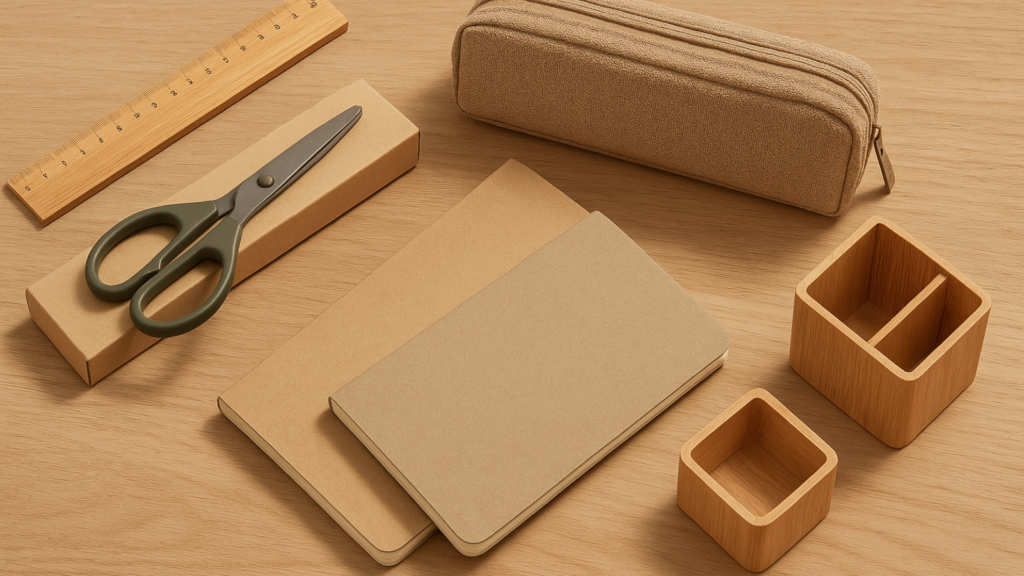
Description: Comprehensive sets including rulers, scissors, pencil cases, and organisers. Materials range from bamboo to recycled plastics to natural fibres.
Eco Features:
- Coordinated sustainable materials
- Plastic-free packaging
- Long-lasting construction
- Made from renewable resources
- Carbon-neutral shipping options
Why Students Love This: Everything matches aesthetically. Convenient one-stop solution. Quality items last entire school year or longer.
Pros:
- Often cheaper than buying individually
- Guarantees all items meet eco standards
- Simplifies back-to-school shopping
- Makes great gifts
- Supports sustainable brands
Cons:
- May include items not needed
- Higher upfront investment
- Limited customisation options
- Availability varies by region
Building Your Green School Supply Checklist
Creating comprehensive eco school kits requires thoughtful planning. Start with items replaced most frequently, which are notebooks, pencils, and erasers. Gradually add reusable containers and durable goods.
Essential Items: Reusable water bottles, lunch containers, and sustainable writing instruments see daily use. These items create immediate environmental impact.
Long-Term Investments: Quality backpacks, calculators with solar power, and sturdy binders warrant higher initial spending. Durability justifies costs through years of reliable service.
Budget-Friendly Choices: Not every item requires premium eco versions immediately. Prioritise products touching food or used most frequently. Conventional items wear out, then transition gradually occurs.
Sustainable School Organization Products
Keeping supplies organised extends product life and prevents unnecessary purchases. Eco-friendly organisers use natural materials or recycled content.
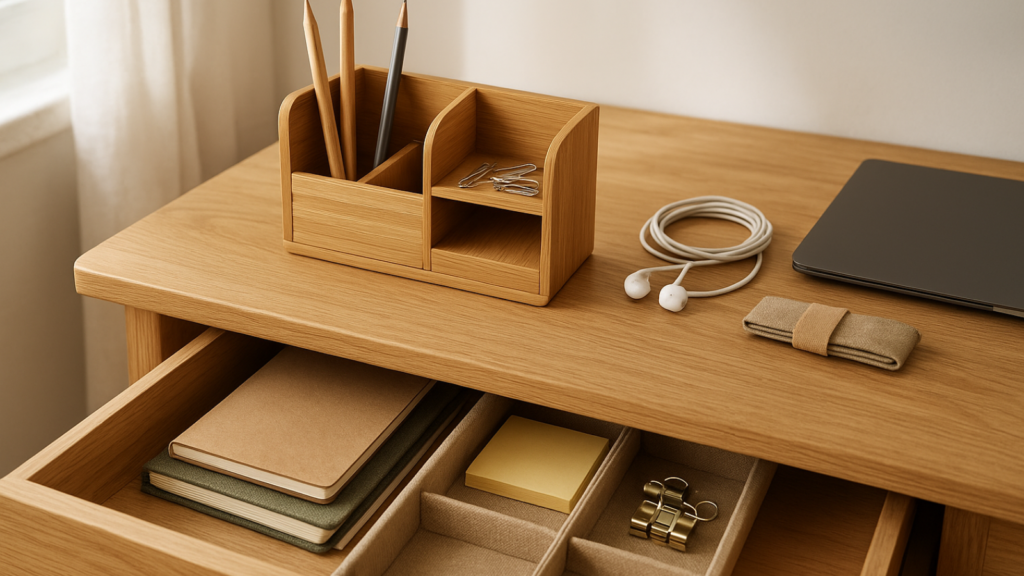
Desk Organisers: Bamboo or recycled cardboard versions keep pens, pencils, and supplies tidy. Multiple compartments prevent losing small items.
Drawer Dividers: Natural wood or fabric dividers maximise storage efficiency. Keep different supplies separated for easy access.
Cable Management: Reusable velcro straps or natural fibre cable ties eliminate single-use plastic zip ties. Organise chargers and earbuds neatly.
Green Commuting School Essentials
Students travelling to school benefit from sustainable gear designed for daily transport.
Bike Accessories: Sustainable helmets, locks made from recycled steel, and solar-powered lights support eco-friendly commuting.
Public Transport Essentials: Reusable ticket holders, comfortable bags with anti-theft features, and portable reading lights enhance commuting experience.
Walking Gear: Reflective accessories made from recycled materials, comfortable shoes from sustainable brands, and weather-appropriate outerwear support active transportation.
Frequently Asked Questions
Are sustainable school supplies really better for environment?
Yes, sustainable materials significantly reduce environmental impact. Lower carbon emissions, decreased pollution, and waste reduction occur through sustainable practices. Products made from recycled or renewable resources conserve natural resources. Biodegradable options prevent long-term landfill accumulation.
Do eco-friendly school products cost significantly more?
Initial costs may be 10% to 30% higher. Superior durability means fewer replacements. Calculating cost per use often reveals savings compared to frequently replaced conventional items. Bulk purchasing and sales reduce upfront expenses.
Where can I purchase sustainable school supplies?
Online retailers specialising in eco products offer widest selection. Many mainstream stores expanding sustainable lines. Local eco-shops and farmers markets sometimes carry school supplies. Check brand websites for retail partner lists.
Are sustainable school supplies safe for children?
Yes, eco-friendly products typically avoid harmful chemicals found in conventional items. Non-toxic materials, natural fibres, and food-safe containers protect developing bodies. Certifications verify safety standards.
How do I know products are genuinely sustainable?
Look for 3 types of certifications (FSC, Global Organic Textile Standard (GOTS), Fair Trade). Research brand transparency about materials and manufacturing. Avoid vague marketing claims without specific details. B Corp certification indicates verified sustainability commitment.
Do sustainable supplies perform as well as conventional options?
Yes, modern eco-friendly products match or exceed conventional performance. Technology improvements mean sustainable does not require compromising functionality. Many professionals prefer quality sustainable tools.
What is the most impactful sustainable school supply to start with?
Reusable water bottles and lunch containers create immediate significant impact. These items replace hundreds of single-use products annually. High usage frequency maximises environmental and financial benefits.
How do I dispose of old school supplies?
Donate functional items to schools, libraries, or community centres. Recycle paper, metal, and appropriate plastics through local programmes. Research specialised recycling for electronics and batteries.
Are there sustainable options for all school supplies?
Yes, nearly every school supply category now has sustainable alternatives. Some specialised items may have limited options. Selection expands constantly as demand increases.
How do I encourage my school to adopt sustainable supplies?
Present research showing cost savings and environmental benefits. Suggest pilot programmes starting with 1 grade level. Connect administration with vendors offering bulk educational discounts. Involve parent-teacher organisations for broader support.
Conclusion
Eco-Friendly Products for Students support responsible learning while encouraging environmentally aware habits. Choosing sustainable school supplies such as reusable stationery, eco-friendly backpacks, and non-toxic tools allows students to reduce waste without sacrificing performance or style. Planet-friendly school products transform everyday routines into meaningful green lifestyle school essentials.
Eco-conscious school shopping benefits academic life through durable designs, safer materials, and long-term value. Reusable school supplies and low-waste school products help students stay organised, prepared, and confident during daily learning activities. Sustainable student products also align education with ethical consumerism and environmentally responsible values.
Green school essentials empower students to become active participants in environmental sustainability. Each eco-friendly choice strengthens sustainable daily routines, supports climate-friendly products, and promotes a sustainability mindset. Building greener habits through environmentally friendly school items ensures education contributes positively to future generations.