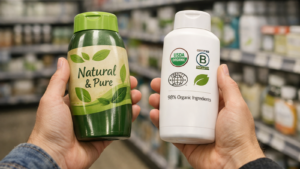
The sustainability market is on the cusp of a significant boom, with projections indicating it will reach $79.65 billion by 2030. This growth is driven by increasing consumer demand for eco-friendly products and a shift towards sustainable business practices. Entrepreneurs who embark on the journey of creating an eco-friendly product business are not only contributing to a healthier planet but also tapping into a lucrative market.
As consumers become more environmentally conscious, the demand for sustainable products continues to rise. By adopting eco-friendly tips for entrepreneurs and integrating sustainable practices into their business models, entrepreneurs can capitalize on this trend. Starting an eco-friendly product business in 2025 presents a unique opportunity for entrepreneurs to make a positive impact while achieving business success.
The Growing Market for Sustainable Products in 2025
Consumer demand for environmentally conscious products is on the rise, setting the stage for a thriving eco-friendly market in 2025. As consumers become more aware of their environmental footprint, businesses are responding by developing sustainable products that cater to this growing demand.
Current Environmental Trends Shaping Consumer Behavior
The shift towards sustainability is driven by various environmental trends that are influencing consumer behavior. One of the key trends is the increasing awareness of plastic waste and its impact on the environment. Consumers are now more inclined to choose products with minimal or biodegradable packaging.
Eco-friendly product categories that are gaining traction include reusable products, sustainable fashion, and green cleaning services. The US pet industry’s growth to $152 billion in 2024 also highlights the potential for eco-friendly pet supplies, a niche that is expected to continue growing.
Profitable Eco-Friendly Business Niches to Explore
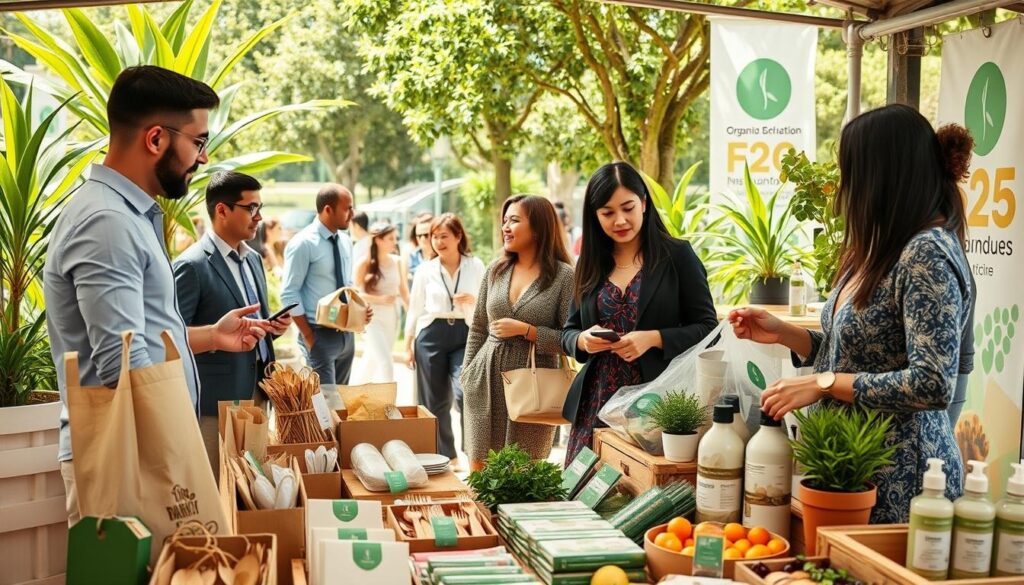
Entrepreneurs looking to capitalize on the sustainable products market can explore various profitable niches. Some of these include:
- Eco-friendly home goods, such as bamboo furniture and recycled glassware
- Sustainable fashion, including clothing made from organic or recycled materials
- Green pet supplies, such as biodegradable pet toys and eco-friendly pet food
- Environmentally friendly cleaning services that use natural cleaning agents
To better understand the potential of these niches, let’s examine some key statistics:
| Niche | Market Size (2024) | Projected Growth Rate |
| Eco-friendly Home Goods | $10 billion | 8% annually |
| Sustainable Fashion | $20 billion | 10% annually |
| Green Pet Supplies | $5 billion | 12% annually |
| Environmentally Friendly Cleaning Services | $3 billion | 9% annually |
These statistics indicate a promising future for businesses that adopt sustainable practices and cater to the growing demand for eco-friendly products.
How to Start an Eco-Friendly Product Business in 2025: Research and Planning
To thrive in the competitive eco-friendly market of 2025, businesses must lay a solid foundation through comprehensive research and planning. This crucial phase will help entrepreneurs understand their target audience, identify market opportunities, and develop strategies to differentiate their products.
Identifying Your Target Eco-Conscious Consumer
Understanding your target consumer is vital for any successful business venture. For eco-friendly product businesses, this involves identifying individuals who prioritize sustainability and are willing to pay a premium for green products. Demographics such as age, income level, and education can influence eco-conscious behavior.
Research suggests that millennials and Gen Z consumers are particularly inclined towards sustainable products. However, it’s essential to conduct market research to validate assumptions about your target audience.

Conducting Market Research for Green Products
Market research is the backbone of any business plan. For eco-friendly product businesses, it involves analyzing current trends, consumer preferences, and competitor activity. Utilizing online surveys, focus groups, and social media listening tools can provide valuable insights into consumer behavior.
Analyzing Competitor Sustainability Claims
As the demand for eco-friendly products grows, so does the number of businesses claiming to be sustainable. It’s crucial to analyze competitor sustainability claims to understand the market landscape and identify opportunities for differentiation. Look for third-party certifications and transparent sustainability reporting when assessing competitor claims.
Identifying Unmet Needs in the Green Market
Identifying unmet needs in the green market can provide a competitive edge. This involves analyzing consumer feedback, reviewing product reviews, and staying abreast of emerging sustainability trends. Paying attention to gaps in the market can help you develop innovative solutions that meet consumer needs.
Creating a Sustainable Business Plan
A sustainable business plan goes beyond traditional business planning by incorporating environmental and social considerations. It should outline clear sustainability goals, strategies for reducing environmental impact, and plans for engaging with stakeholders on sustainability issues. Including sustainability metrics in your business plan can help attract eco-conscious investors and customers.
Securing Funding for Your Eco-Venture
Securing funding is a critical step in launching any business. For eco-friendly product businesses, there are additional funding opportunities such as green grants, impact investing, and sustainability-focused venture capital. Developing a robust business plan that highlights your sustainability credentials can make your venture more attractive to potential investors.
By following these steps and conducting thorough research and planning, entrepreneurs can set their eco-friendly product businesses up for success in 2025 and beyond.
Developing Truly Sustainable Products
The journey to creating truly sustainable products involves several key steps, from sourcing materials to designing packaging that minimizes waste. As businesses strive to reduce their environmental footprint, it’s essential to adopt practices that not only benefit the planet but also resonate with eco-conscious consumers.
Sourcing Eco-Friendly Materials and Suppliers
The foundation of any sustainable product is the materials used in its creation. Businesses must identify and partner with suppliers who share their commitment to environmental responsibility. This involves:
- Conducting thorough research on potential suppliers to assess their sustainability practices.
- Opting for materials that are recycled, recyclable, or sourced from sustainably managed resources.
- Ensuring that the supply chain is transparent and traceable.
Companies like Patagonia have set a high standard by using recycled materials in their products and promoting fair labor practices throughout their supply chain.
Implementing Circular Design Principles
Circular design is about creating products that are restorative and regenerative by design. This approach aims to keep resources in use for as long as possible, minimizing waste and the continuous consumption of new resources.
Key strategies include:
- Designing products for longevity, making them durable and timeless.
- Creating products that can be easily disassembled and recycled.
- Incorporating post-consumer waste into the manufacturing process, as seen in companies like ANIÁN.

Establishing Green Manufacturing Processes
Green manufacturing involves reducing the environmental impact of production processes. This can be achieved by:
- Using renewable energy sources to power manufacturing facilities.
- Implementing energy-efficient equipment and processes.
- Minimizing water usage and waste generation.
| Manufacturing Process | Environmental Impact | Green Alternative |
| Energy Consumption | High carbon emissions | Renewable energy sources |
| Water Usage | Water pollution | Water recycling systems |
| Waste Generation | Landfill waste | Zero-waste policies |
Packaging Solutions That Minimize Environmental Impact
Packaging is a critical aspect of product sustainability. Businesses can reduce their environmental footprint by adopting packaging solutions that are minimal, recyclable, or biodegradable.
Some effective strategies include:
- Reducing packaging material usage through minimalist design.
- Using materials that are either recyclable or biodegradable.
- Designing packaging that can be reused or repurposed.
By focusing on these areas, businesses can develop products that are not only appealing to consumers but also contribute to a more sustainable future.
Legal and Operational Considerations
Navigating the complex landscape of legal and operational considerations is a vital step in establishing a thriving eco-friendly business. As you build your green startup, it’s crucial to address the foundational elements that will support your venture’s long-term success.
Business Structure and Registration for Green Startups
Choosing the right business structure is a critical decision for any startup, including those in the eco-friendly sector. Your business structure will impact your liability, tax obligations, and ability to secure funding. Common structures include sole proprietorship, partnership, LLC, and corporation. For eco-friendly businesses, an LLC might be particularly appealing due to its flexibility and liability protection.
Registration involves obtaining necessary licenses and permits, which can vary significantly depending on your location and the nature of your business. For instance, businesses making pesticidal claims must comply with regulations such as FIFRA (Federal Insecticide, Fungicide, and Rodenticide Act).
Environmental Certifications and Compliance
Environmental certifications can significantly enhance your brand’s credibility and appeal to eco-conscious consumers. Certifications such as GOTS (Global Organic Textile Standard) for organic fiber claims and OEKO-TEX for chemical safety are highly regarded in the industry.
Essential Eco-Certifications for 2025
- GOTS: Ensures textiles are made from organic fibers and meet rigorous environmental and social criteria.
- OEKO-TEX: Certifies products are free from harmful chemicals, ensuring safety for consumers and the environment.
- Fair Trade: Promotes fair labor practices and sustainable livelihoods for farmers and workers.
Navigating Sustainability Regulations
Compliance with sustainability regulations is not just about avoiding legal issues; it’s also about demonstrating your commitment to environmental responsibility. Regulations can include energy efficiency standards, waste management practices, and supply chain transparency.
For example, the California Transparency in Supply Chains Act requires businesses to disclose their efforts to eradicate slavery and human trafficking from their supply chains. Similarly, the EU’s Eco-Design Directive sets requirements for the environmental performance of products.
Setting Up Sustainable Supply Chain Management
A sustainable supply chain is crucial for minimizing your business’s environmental footprint and ensuring ethical practices. This involves sourcing materials responsibly, optimizing logistics, and ensuring suppliers adhere to your sustainability standards.
Consider implementing a supplier code of conduct that outlines your expectations for environmental stewardship, labor practices, and product safety. Regular audits and transparent communication with your suppliers are key to maintaining a sustainable supply chain.

By addressing these legal and operational considerations, you can build a strong foundation for your eco-friendly product business, ensuring compliance, credibility, and long-term success in the market.
Marketing and Selling Your Eco-Friendly Products
In a crowded marketplace, eco-friendly businesses must differentiate themselves through authentic marketing and transparent communication about their environmental impact. This involves more than just promoting products; it’s about building a brand that genuinely resonates with eco-conscious consumers.
Building an Authentic Green Brand Identity
Creating an authentic green brand identity is crucial for attracting and retaining environmentally conscious customers. This involves clearly defining your brand’s mission, values, and commitment to sustainability. Transparency is key; consumers want to know how your products are made, what they’re made of, and the impact they have on the environment.
To build a strong green brand identity:
- Use eco-friendly packaging and labeling
- Highlight sustainable materials and production processes
- Engage in environmentally friendly business practices
- Communicate your brand’s environmental mission clearly
Digital Marketing Strategies for Eco-Conscious Businesses
Digital marketing is a powerful tool for reaching eco-conscious consumers. Social media platforms are particularly effective for engaging with your audience and promoting your sustainable products. Consider the following strategies:
- Share behind-the-scenes content showcasing your sustainable production processes
- Collaborate with eco-influencers to promote your brand
- Utilize eco-friendly hashtags to increase visibility
- Create educational content about the benefits of sustainable living
Pricing Strategies for Sustainable Products
Consumers are willing to pay 9.7% more for sustainable goods, but pricing strategies must be carefully considered. Value-based pricing can be effective, where the price reflects the product’s environmental benefits and the value it offers to consumers.
| Pricing Strategy | Description | Benefits |
| Premium Pricing | Higher price due to eco-friendly features | Increased revenue, perceived higher quality |
| Value-Based Pricing | Price reflects environmental benefits and value | Aligns with consumer willingness to pay more for sustainable products |
| Penetration Pricing | Lower initial price to attract customers | Quick market entry, attracts price-sensitive customers |
Creating Transparent Communication About Your Environmental Impact
Transparency is crucial for building trust with eco-conscious consumers. Businesses should clearly communicate their environmental impact, including both achievements and areas for improvement. This can be achieved through:
- Regular sustainability reports
- Clear labeling of products with environmental information
- Open communication about supply chain practices
- Sharing progress towards environmental goals
By implementing these strategies, eco-friendly businesses can effectively market and sell their products while maintaining a strong commitment to sustainability and transparency.
Conclusion: Thriving as an Eco-Entrepreneur in 2025 and Beyond
As we look to the future, starting a green business is becoming increasingly viable and profitable. The sustainability market is expected to continue growing, presenting numerous opportunities for eco-entrepreneurs. By understanding environmental business trends in 2025, you can position your business for success.
To thrive in this competitive landscape, it’s essential to adopt sustainable entrepreneurship strategies that prioritize innovation and environmental stewardship. This includes developing truly sustainable products, implementing circular design principles, and establishing green manufacturing processes.
By following the steps outlined in this article, you’ll be well on your way to creating a successful eco-friendly product business. As consumer demand for sustainable products continues to rise, your business can capitalize on this trend by staying informed about the latest environmental business trends and adapting your strategies accordingly.
FAQ
What are the most profitable eco-friendly business niches in 2025?
Some of the most profitable eco-friendly business niches in 2025 include sustainable fashion, green pet supplies, eco-friendly cleaning services, and environmentally conscious home goods. These niches are driven by consumer demand for sustainable products and services that minimize environmental impact.
How do I conduct market research for my eco-friendly product business?
To conduct market research for your eco-friendly product business, identify your target audience, analyze consumer behavior and preferences, and assess the competitive landscape. You can use online surveys, focus groups, and social media listening to gather data and insights that inform your business strategy.
What are the key elements of a sustainable business plan?
A sustainable business plan should include a clear mission statement, market analysis, product or service offerings, marketing and sales strategies, and financial projections. It should also outline your approach to sustainability, including your environmental impact, supply chain management, and social responsibility initiatives.
How can I secure funding for my eco-friendly venture?
To secure funding for your eco-friendly venture, you can explore options such as impact investing, green grants, and crowdfunding. You can also consider partnering with sustainable businesses or seeking out venture capital firms that specialize in eco-friendly investments.
What are some effective strategies for marketing eco-friendly products?
Effective strategies for marketing eco-friendly products include building an authentic green brand identity, leveraging digital marketing channels, and creating transparent communication about your environmental impact. You can also use influencer marketing, social media campaigns, and eco-friendly packaging to promote your products.
How can I ensure that my supply chain is sustainable?
To ensure that your supply chain is sustainable, you should conduct thorough research on your suppliers, assess their environmental and social practices, and establish clear sustainability standards. You can also consider working with suppliers who have environmental certifications, such as ISO 14001.
What are some common environmental certifications for eco-friendly businesses?
Some common environmental certifications for eco-friendly businesses include ISO 14001, LEED certification, and EcoLogo certification. These certifications demonstrate your commitment to sustainability and can help you differentiate your business from competitors.
How can I measure the environmental impact of my eco-friendly products?
To measure the environmental impact of your eco-friendly products, you can conduct a life cycle assessment (LCA) to evaluate the environmental effects of your products throughout their entire life cycle, from raw material extraction to end-of-life disposal or recycling.