Indoor environments profoundly influence our daily wellness, yet many households unknowingly harbour toxic substances within cleaning supplies, furnishings, and building materials. For eco-conscious consumers seeking healthier living spaces, understanding sustainable product choices becomes essential for protecting family health while supporting environmental stewardship.
Every breath taken indoors matters more than most realise. Research indicates people spend approximately 90% of their time inside buildings, where air quality can be two to five times more polluted than outdoor air. Conventional household products release harmful chemicals that accumulate within enclosed spaces, creating invisible health risks affecting respiratory function, cognitive performance, and overall vitality.
Sustainable alternatives offer transformative solutions. Households can dramatically reduce exposure to harmful substances while creating nurturing environments that support physical health, mental clarity, and emotional well-being by replacing toxic conventional items with eco-friendly options. This comprehensive guide explores how making conscious product choices enhances indoor health outcomes for every family member.
The Connection Between Eco-Friendly Products and Indoor Health
Understanding how sustainable products influence indoor environments forms the foundation for making healthier choices. People spend 90% of their time indoors, where air quality directly affects respiratory function, cognitive performance, and overall wellness. Conventional household items release harmful chemicals that accumulate within enclosed spaces, creating invisible health risks.
What Makes a Product Eco-Friendly in an Indoor Environment

Genuinely sustainable indoor products share several defining characteristics that distinguish them from conventional alternatives. Natural, renewable materials form their foundation, think bamboo flooring, organic cotton textiles, and reclaimed wood furnishings. These materials avoid synthetic chemicals during production and throughout their lifecycle.
Manufacturing processes matter equally. Eco-friendly products utilise minimal water, energy, and resources while avoiding toxic additives, synthetic fragrances, and harsh chemical treatments. True sustainable items carry transparent ingredient lists, third-party certifications, and clear information about sourcing practices.
Biodegradability represents another crucial factor. Sustainable products break down naturally without releasing harmful residues into soil or water systems. This characteristic ensures products remain safe from purchase through disposal, protecting both household occupants and broader ecosystems when combined with non-toxic formulations.
Minimal packaging using recycled or recyclable materials further distinguishes authentic eco-friendly options. Concentrated formulas reduce shipping emissions and storage requirements while delivering equivalent performance to conventional products at fraction of environmental cost.
How Indoor Air Quality Directly Affects Health and Well-Being
Air quality within homes directly influences multiple bodily systems simultaneously. Respiratory pathways bear initial impact, with pollutants irritating nasal passages, bronchial tubes, and delicate lung tissue. Repeated exposure can trigger inflammation, reduce lung capacity, and worsen existing conditions like asthma or chronic obstructive pulmonary disease.
Cardiovascular health suffers from poor indoor air as well. Fine particulate matter enters bloodstream through lungs, contributing to increased blood pressure, irregular heart rhythms, and elevated stroke risk. Long-term exposure correlates with accelerated cardiovascular disease progression, even among otherwise healthy individuals.
Cognitive function declines measurably in poorly ventilated spaces containing elevated Volatile Organic Compound (VOC) levels. Studies demonstrate reduced decision-making capabilities, slower response times, and impaired concentration when working or living in chemically saturated environments. Children show particular vulnerability, with developing brains especially susceptible to neurotoxic substances.
Mental health connections prove equally significant. Chronic exposure to indoor pollutants associates with increased anxiety, depression symptoms, and sleep disturbances. Creating clean, toxin-free indoor environments supports both physical wellness and psychological resilience.
Key Pollutants Found in Conventional Household Products
Volatile organic compounds top the list of concerning indoor pollutants. These carbon-based chemicals evaporate at room temperature, releasing gases from paints, cleaning solutions, air fresheners, and furniture finishes. Common VOCs include formaldehyde, benzene, toluene, and xylene, all linked to respiratory irritation, headaches, and long-term health consequences.
Phthalates appear frequently in fragranced products, vinyl flooring, and plastic containers. These endocrine-disrupting chemicals interfere with hormonal systems, potentially affecting reproductive health, metabolism, and developmental processes. Phthalates remain prevalent in many mainstream household items despite growing awareness.
Triclosan and triclocarban, antimicrobial agents found in antibacterial soaps and cleaners, disrupt thyroid function and contribute to antibiotic resistance. Regular use provides no proven health benefits over soap and water while introducing unnecessary chemical exposure.
Synthetic fragrances contain undisclosed chemical mixtures, often including dozens of individual compounds manufacturers need not list on labels. These mixtures trigger allergic reactions, asthma attacks, and sensitivities in susceptible individuals while polluting indoor air with unnecessary chemicals.
Flame retardants applied to furniture, mattresses, and electronics release persistent bioaccumulative toxins that linger in dust and air. These chemicals accumulate in human bodies over time, potentially affecting neurological development and immune function despite questionable efficacy.
Why Indoor Environmental Health Matters More Than Outdoor Exposure
Concentration levels explain why indoor pollution poses greater risks than outdoor air quality in many scenarios. Buildings trap pollutants within enclosed spaces, allowing chemicals to accumulate at higher concentrations than typically found outdoors. Limited ventilation exacerbates this effect, particularly in energy-efficient homes designed to minimise air exchange.
Duration of exposure amplifies risk significantly. Outdoor air pollution affects commuters and pedestrians temporarily, while indoor pollutants surround occupants continuously throughout sleeping, working, and leisure hours. This constant contact creates cumulative exposure far exceeding brief outdoor encounters.
Vulnerable populations spend disproportionate time indoors, increasing their risk. Infants, young children, elderly individuals, and those with chronic illnesses or compromised immune systems remain inside more frequently while simultaneously showing greater susceptibility to environmental toxins.
Source proximity creates direct exposure pathways. Cleaning sprays release chemicals directly into breathing zones, furniture off-gasses while people sit upon surfaces, and scented products disperse throughout occupied spaces. This intimate contact differs markedly from diluted outdoor pollution reaching homes from distant sources.
The Role of Sustainable Materials in Healthier Homes
Natural materials provide inherent advantages over synthetic alternatives. Wood, stone, natural fibres, and plant-based products typically contain fewer added chemicals and release minimal emissions during normal use. Cork flooring, wool carpets, and organic cotton bedding exemplify materials supporting healthier indoor environments without sacrificing aesthetic appeal or functionality.
Sustainable production methods reduce chemical residues remaining in finished goods. Organic farming practices eliminate pesticide exposure in textiles and furnishings, while water-based finishes replace solvent-laden treatments on wood products. These manufacturing choices directly translate to reduced toxin levels within living spaces.
Durability characteristics of quality sustainable materials decrease replacement frequency, limiting repeated exposures to new product off-gassing. Well-crafted solid wood furniture, natural stone countertops, and responsibly harvested hardwood floors serve households for decades while maintaining superior indoor air quality throughout their service lives.
Moisture management properties inherent in natural materials like wood, bamboo, and certain textiles help regulate indoor humidity levels. Proper moisture control prevents mould growth a significant indoor air quality concern while creating comfortable environments supporting respiratory health.
How Eco-Friendly Products Improve Indoor Air Quality
Air quality improvements represent the most immediate benefit of switching to sustainable alternatives. Volatile Organic Compounds (VOCs) from conventional products create chemical clouds that linger for months or years within living spaces. Eco-friendly options eliminate these emissions, allowing families to breathe cleaner air from the moment products enter homes.
How Low-VOC and Zero-VOC Products Reduce Airborne Toxins
Volatile organic compound reduction represents perhaps the most immediate benefit of sustainable product selection. Traditional paints, adhesives, and finishes release substantial VOC quantities during application and for months afterward, creating lingering chemical clouds within homes. Low-VOC alternatives contain 50 grams per litre or less, while zero-VOC products maintain levels below 5 grams per litre.
Reduced off-gassing intensity means families can safely occupy freshly painted or renovated spaces much sooner. Traditional oil-based products might require weeks before chemical smells dissipate and air quality returns to acceptable levels. Water-based, low-VOC alternatives typically achieve safe occupancy within hours or days.
Long-term emission profiles differ dramatically. Conventional products continue releasing trace amounts of VOCs for months or years after initial application, contributing to chronic low-level exposure. Zero-VOC alternatives emit minimal compounds beyond initial curing periods, establishing healthier baseline air quality.
Sensitive individuals experience fewer reactions when exposed to low-VOC products. People with chemical sensitivities, respiratory conditions, or heightened environmental awareness report significant symptom improvements after switching to sustainable alternatives. Children, pregnant women, and elderly household members particularly benefit from reduced chemical exposure.
Eco-Friendly Paints vs Conventional Paints for Indoor Air Quality

Paint selection profoundly impacts indoor air quality due to large surface areas covered and extended emission periods. Traditional alkyd-based paints contain high solvent levels sometimes exceeding 300 grams VOCs per litre releasing substantial chemical quantities during application and drying. These emissions include known carcinogens like benzene and formaldehyde alongside respiratory irritants.
Natural and low-VOC water-based paints employ plant-derived binders, mineral pigments, and minimal synthetic additives. Brands using ingredients like linseed oil, citrus solvents, and clay-based thickeners achieve excellent coverage and durability while maintaining VOC levels near zero. Performance characteristics match or exceed conventional options for most residential applications.
Colour stability and fade resistance in eco-friendly paints now rival traditional formulations. Advances in natural pigment technology and UV-resistant additives derived from sustainable sources deliver long-lasting, vibrant finishes without compromising air quality or environmental standards.
Application ease has improved dramatically as manufacturers refine water-based formulas. Modern eco-friendly paints spread smoothly, level well, and require fewer coats than early sustainable alternatives. Professional painters increasingly recommend these products for indoor projects, citing both performance benefits and reduced occupational exposure to harmful chemicals.
Natural Cleaning Products and Their Impact on Respiratory Health
Conventional cleaning products rank among the most problematic sources of indoor air pollution. Bleach-based cleaners release chlorine gas, ammonia products create respiratory irritation, and spray formulations disperse fine particulate matter throughout breathing zones. Regular use exposes household members to chemical mixtures never tested for safety in combination.
Plant-based cleaning alternatives utilise ingredients like vinegar, citric acid, plant oils, and mineral-derived surfactants. These components effectively remove dirt, grease, and bacteria while breaking down harmlessly in environment. Formulations avoid synthetic fragrances, harsh solvents, and toxic antimicrobials found in mainstream products.
Respiratory benefits manifest quickly after switching to natural cleaners. Families report reduced coughing, fewer headaches, and decreased asthma symptom frequency. Professional cleaners transitioning to green products experience lower rates of occupational asthma and chemical sensitivity development compared to colleagues using conventional supplies.
Microbiome preservation represents an underappreciated advantage. Harsh antimicrobial cleaners disrupt beneficial bacterial communities on skin and throughout homes. Natural cleaning products maintain adequate hygiene while preserving helpful microbial diversity supporting immune system development, particularly important for young children.
The Science Behind Off-Gassing and How Green Products Prevent It
Off-gassing describes the process whereby volatile chemicals escape from solid or liquid products into surrounding air. New furniture, carpeting, electronics, and building materials all release chemical vapours as manufacturing solvents evaporate and synthetic components break down. This phenomenon peaks immediately after product introduction but continues at lower levels indefinitely.
Temperature and humidity accelerate off-gassing rates. Summer heat intensifies chemical emissions from furnishings and building materials, while high humidity increases release from certain products. Poor ventilation allows these emissions to concentrate rather than dissipate, creating unhealthy indoor environments.
Eco-friendly products minimise off-gassing through careful material selection and manufacturing processes. Solid wood furniture finished with natural oils releases minimal emissions compared to particleboard items bonded with formaldehyde-based adhesives. Natural latex mattresses avoid the extensive chemical off-gassing of polyurethane foam, while organic textiles eliminate pesticide residues and synthetic finishing treatments.
Third-party certifications help identify genuinely low-emission products. GREENGUARD, CertiPUR-US, and OEKO-TEX standards verify reduced chemical emissions through independent testing. These certifications provide assurance that products meet strict air quality criteria, particularly important for items occupying significant interior space like mattresses, sofas, and flooring.
Plants, Purifiers, and Eco-Friendly Materials: How They Work Together
Integrated approaches to indoor air quality yield superior results compared to single interventions. Combining source reduction through eco-friendly product selection with active air cleaning creates layered protection against indoor pollutants. This comprehensive strategy addresses existing contamination while preventing future chemical accumulation.
Houseplants contribute modestly to air purification while providing psychological benefits. Species like snake plants, pothos, and spider plants metabolise certain VOCs through natural processes, though substantial plant quantities are needed for meaningful air quality improvements. Their primary value lies in humidity regulation, aesthetic enhancement, and connection to nature all supporting mental wellness.
Air purifiers equipped with High-Efficiency Particulate Air (HEPA) and activated carbon filters remove particulate matter and gaseous pollutants mechanical ventilation alone cannot address. Purifiers maintain exceptional air quality even in urban environments where outdoor pollution infiltration occurs when combined with low-emission furnishings and non-toxic cleaning practices.
Strategic ventilation completes the trilogy. Opening windows during mild weather dilutes indoor pollutant concentrations, while whole-house ventilation systems with heat recovery exchange stale air without excessive energy loss. Eco-friendly products reduce pollutant generation, purifiers remove remaining contaminants, and proper ventilation prevents accumulation each element amplifying the effectiveness of others.
Health Benefits of Using Eco-Friendly Products Indoors

Physical wellness improves measurably when households eliminate toxic exposures through sustainable product selection. Respiratory symptoms decrease, sleep quality enhances, and cognitive function strengthens in low-toxin environments. Children and elderly residents experience the most dramatic improvements, though all age groups benefit from reduced chemical burdens.
How Sustainable Products Reduce Allergies and Asthma Symptoms
Chemical irritants in conventional products trigger inflammatory responses even in non-allergic individuals. Synthetic fragrances, VOCs, and harsh cleaning agents can precipitate severe reactions for those with existing sensitivities or respiratory conditions. Eliminating these triggers through sustainable product selection often produces dramatic symptom improvements.
Dust mite allergens decrease in homes using natural, washable materials. Organic cotton bedding, wool carpets, and breathable natural fabrics resist dust mite colonisation better than synthetic alternatives. These materials also withstand hot-water washing, effectively eliminating accumulated allergens without chemical treatments.
Mould prevention improves with moisture-managing natural materials and non-toxic cleaning products. Synthetic surfaces often trap moisture and resist proper cleaning, creating ideal mould growth conditions. The superior breathability of natural materials and the antifungal properties of eco-friendly cleaners combine to reduce mould-related allergies and respiratory issues.
Asthma control improves measurably when households eliminate chemical triggers. Studies show children living in homes using natural cleaning products and low-VOC furnishings experience fewer asthma attacks, reduced medication requirements, and better lung function compared to those in conventionally maintained households. Adults with adult-onset asthma similarly benefit from reduced chemical exposure.
The Link Between Non-Toxic Materials and Better Sleep Quality
Sleep environment significantly influences rest quality through multiple pathways. Chemical emissions from mattresses, bedding, and bedroom furnishings can disrupt sleep architecture, prolong sleep onset, and reduce restorative deep sleep phases. Sensitive individuals may experience insomnia, restless sleep, or morning grogginess related to nocturnal chemical exposure.
Natural latex and organic cotton mattresses eliminate the extensive off-gassing of polyurethane foam. Conventional mattresses release dozens of chemicals including flame retardants, VOCs, and synthetic additives during years of use. Eco-friendly alternatives avoid these emissions while providing excellent comfort and support through naturally hypoallergenic, antimicrobial materials.
Temperature regulation improves with natural bedding materials. Organic cotton, linen, and wool fabrics breathe better than polyester alternatives, wicking moisture and allowing heat dissipation. Proper thermoregulation during sleep reduces night-time awakenings and supports deeper, more restorative rest cycles.
Neurological impacts of chemical exposure during sleep merit particular concern. Brain detoxification processes peak during sleep, when cerebrospinal fluid clears metabolic waste products. Chemical exposures during this vulnerable period may interfere with these critical maintenance functions, potentially affecting long-term cognitive health.
How Eco-Friendly Homes Support Mental Health and Cognitive Focus
Indoor environmental quality influences mental wellness through multiple mechanisms. Direct neurotoxic effects of certain chemicals impair cognitive function, while chronic low-level inflammation from chemical exposures contributes to mood disorders. Creating toxin-free environments supports optimal neurological function and emotional regulation.
Cognitive performance improvements appear measurably after transitioning to green buildings or homes. Research examining workers in green-certified offices shows enhanced decision-making, improved strategic thinking, and better crisis response compared to those in conventional buildings. Similar benefits extend to residential environments where households spend even more time.
Stress reduction accompanies transitions to healthier indoor environments. Eliminating concerns about chemical exposures, improving physical symptoms, and creating spaces aligned with personal values reduces psychological burden. Biophilic design elements common in eco-friendly homes natural materials, plants, natural light further support stress reduction and emotional wellbeing.
Creativity and productivity flourish in low-toxin environments. Reduced chemical exposure eliminates fog, fatigue, and distraction many people accept as normal. Home offices, study spaces, and creative work areas particularly benefit from optimised indoor air quality supporting sustained concentration and innovative thinking.
Benefits of Eco-Friendly Products for Children and Elderly Residents
Developmental vulnerability makes chemical exposure particularly concerning for children. Growing bodies metabolise toxins less efficiently while developing organs and neurological systems show heightened susceptibility to environmental insults. Protecting children from unnecessary chemical exposure during critical developmental windows can influence lifelong health trajectories.
Learning and behaviour improvements often follow transitions to toxin-free homes. Reduced exposure to neurotoxic chemicals supports attention, memory formation, and emotional regulation. Teachers and parents report fewer behavioural issues, improved academic performance, and better social interactions when children live in healthier home environments.
Immune system development benefits from balanced microbial exposure without overwhelming chemical burdens. Excessive antimicrobial product use can impair immune training, while eco-friendly cleaning maintains adequate hygiene through mechanical action rather than harsh chemicals. This approach supports robust immune function without unnecessary toxic exposures.
Elderly individuals face increased vulnerability from declining detoxification capacity and accumulated lifetime exposures. Age-related changes in liver and kidney function reduce ability to eliminate environmental toxins. Creating low-toxin living spaces for older adults reduces overall toxic burden, potentially slowing cognitive decline and supporting healthy ageing.
Long-Term Health Outcomes of Living in a Low-Toxin Home
Chronic disease risk reduction represents perhaps the most significant long-term benefit of sustainable living spaces. Many common chemicals found in conventional households phthalates, flame retardants, pesticide residues demonstrate associations with increased cancer risk, metabolic disorders, and autoimmune conditions. Minimising exposure throughout decades of home living may substantially reduce these risks.
Bioaccumulation concerns drive long-term health considerations. Many synthetic chemicals persist in human tissues, building up over years of repeated exposure. Households lower total body burden of persistent organic pollutants linked to various health problems by reducing daily intake through product choices.
Epigenetic influences suggest chemical exposures may affect not only current occupants but future generations. Environmental factors including chemical exposures can alter gene expression patterns transmitted to offspring. Creating healthy home environments potentially protects not only present family members but descendants as well.
Healthcare cost savings accumulate from improved health outcomes. Families living in toxin-free environments typically experience fewer sick days, reduced medication needs, and lower rates of chronic condition development. Eco-friendly products sometimes cost more initially, while healthcare savings and improved quality of life provide substantial return on investment.
Comparing Eco-Friendly and Conventional Indoor Products
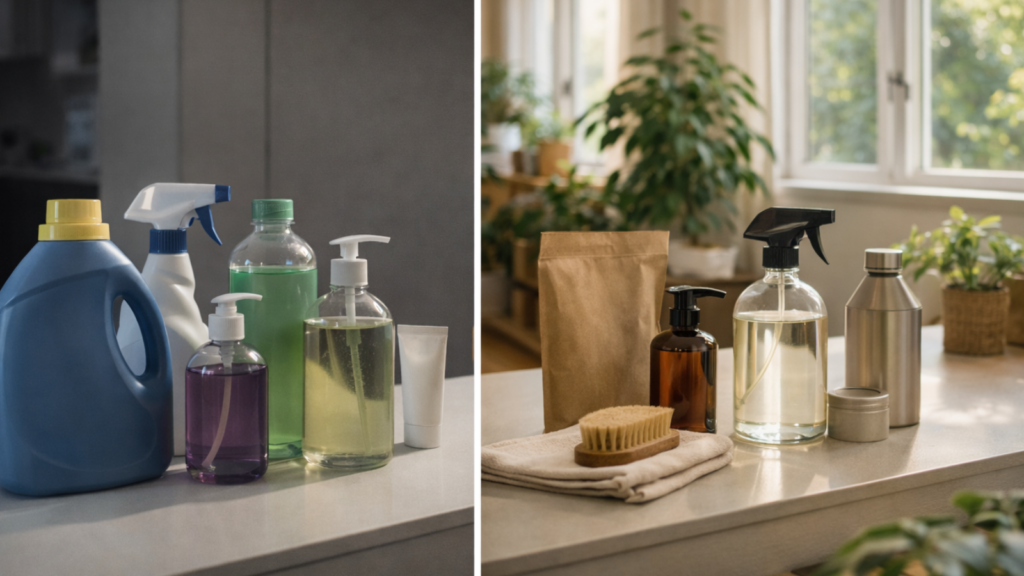
Direct comparisons reveal sustainable products now match or exceed conventional alternatives in performance while protecting health. Early eco-friendly options suffered from inferior effectiveness, creating lasting misconceptions about green products. Modern formulations deliver excellent results without compromising indoor air quality or family wellbeing.
Eco-Friendly vs Traditional Cleaning Products: Health Trade-Offs
Performance comparisons increasingly favour eco-friendly cleaning solutions for most household applications. Modern plant-based surfactants match the cleaning power of synthetic detergents while avoiding harsh chemicals. Enzymatic cleaners effectively break down organic stains without toxic residues. Only specialised industrial applications truly require the extreme formulations of conventional chemical cleaners.
Disinfection capabilities warrant nuanced consideration. Eco-friendly products effectively handle routine cleaning and prevent most pathogen transmission, while situations requiring medical-grade disinfection may benefit from conventional products used sparingly with proper ventilation. However, routine antimicrobial product use provides no proven health benefits while introducing unnecessary chemical exposures and promoting antibiotic resistance.
Cost comparisons favour natural products when considering health impacts. Some eco-friendly cleaners carry higher purchase prices, while concentrated formulations and reduced healthcare costs from fewer chemical-related illnesses offset initial expenses. DIY cleaning solutions using ingredients like vinegar, baking soda, and castile soap provide exceptional value.
Convenience has improved dramatically as sustainable cleaning products gain market share. Major retailers now stock extensive eco-friendly options, subscription services deliver products directly, and performance rivals conventional alternatives. Early adopters who struggled with limited availability and inferior performance no longer face these barriers.
Cost vs Health Benefits of Sustainable Home Products
Initial investment for eco-friendly products typically exceeds conventional alternatives. Organic mattresses cost two to three times more than standard options, natural flooring commands premium pricing, and certified non-toxic furnishings require significant upfront expenditure. This price differential creates barriers preventing some households from accessing healthier options.
Durability factors shift long-term value propositions favourably. Quality sustainable products often outlast cheaper conventional alternatives significantly. Solid wood furniture serves multiple generations, natural fibre carpets withstand heavy use while maintaining appearance, and low-VOC finishes require less frequent reapplication. Sustainable options frequently prove economical when calculating cost-per-year rather than purchase price alone.
Health benefit monetisation proves challenging but substantial. Reduced allergy medications, fewer sick days, lower asthma treatment costs, and decreased chronic disease risk carry real financial value difficult to quantify precisely. Families consistently report improved quality of life justifying sustainable product investments regardless of precise dollar calculations.
Phased transitions allow budget-conscious households to adopt eco-friendly practices gradually. Prioritising high-impact changes replacing harsh cleaners with natural alternatives, choosing organic bedding, selecting low-VOC paints for renovations provides significant health benefits without overwhelming budgets. Subsequent upgrades during normal replacement cycles continue progress toward fully sustainable homes.
Performance and Durability of Eco-Friendly Building Materials
Structural integrity of sustainable building materials matches or exceeds conventional options across most applications. Bamboo flooring rivals hardwood durability while offering superior moisture resistance. Recycled steel framing provides identical strength to virgin materials. Reclaimed wood beams often surpass modern lumber quality due to old-growth density and proper seasoning.
Weather resistance characteristics of natural materials benefit from centuries of proven performance. Stone, timber, and other traditional materials demonstrate excellent longevity when properly maintained. Modern sustainable alternatives like fibre cement siding and metal roofing similarly offer exceptional durability without toxic treatments required by some conventional products.
Maintenance requirements for eco-friendly materials generally prove reasonable. Natural wood floors need periodic refinishing but last indefinitely with proper care. Stone countertops require sealing but withstand daily use beautifully for decades. These maintenance needs compare favourably to vinyl products requiring eventual replacement or laminate surfaces losing integrity over time.
Fire resistance and safety codes initially posed challenges for some sustainable materials. However, modern treatments using non-toxic borates and other natural minerals provide adequate fire protection without the health concerns of halogenated flame retardants. Building codes increasingly accommodate eco-friendly materials as testing confirms their safety and performance.
Are Green-Certified Products Always Safer for Indoor Use?
Certification standards vary widely in rigor and scope. Programmes like GREENGUARD Gold and Living Building Challenge maintain strict criteria, while others require minimal compliance or allow self-certification. Understanding specific standards behind each label proves essential for making truly informed choices.
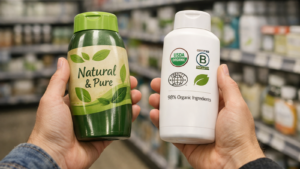
Greenwashing remains prevalent despite increased regulation. Manufacturers strategically employ vague terms like “natural,” “eco-friendly,” or “green” without substantiation. Meaningful certifications require third-party verification, transparent criteria, and regular retesting rather than self-proclaimed environmental claims.
Limited scope certifications may address one concern while overlooking others. Products certified organic avoid synthetic pesticides but may still contain allergens. Items meeting VOC standards might include endocrine disruptors. Comprehensive health protection requires examining multiple attributes rather than relying on single certifications.
Continuous improvement in certification standards reflects evolving scientific understanding. Regularly updated programmes incorporate new research on chemical hazards and exposure pathways. Seeking products meeting current rather than outdated standards ensures maximum protection from known hazards.
Common Myths About Eco-Friendly Products and Indoor Health
“Natural means safe” represents a persistent oversimplification. Natural products generally pose fewer risks than synthetic alternatives, while some naturally-derived substances trigger allergies or sensitivities. Essential oils, for example, can irritate respiratory systems when used improperly despite their natural origins. Critical evaluation remains necessary regardless of product sourcing.
“Eco-friendly products don’t work as well” persists despite abundant evidence otherwise. This outdated notion reflects early sustainable product limitations now thoroughly addressed through improved formulations. Modern eco-friendly options match or exceed conventional product performance across nearly all household applications.
“Only wealthy families can afford green living” discourages many from attempting transitions. Some sustainable products carry premium pricing, while many changes cost nothing (opening windows for ventilation) or save money (DIY cleaners). Strategic prioritisation and phased implementation make eco-friendly living accessible across income levels.
“Small changes don’t matter” undermines meaningful progress. Individual product switches may seem insignificant, but cumulative impacts from multiple changes substantially reduce household chemical exposure. Even modest improvements in indoor air quality produce measurable health benefits, particularly for vulnerable family members.
How to Choose and Use Eco-Friendly Products for a Healthier Home
Selecting genuinely sustainable products requires understanding certifications, ingredients, and manufacturer practices. Greenwashing makes navigating options challenging without proper knowledge of meaningful standards versus marketing claims. Strategic room-by-room transitions allow households to adopt healthier practices gradually while managing budgets effectively.
How to Identify Truly Eco-Friendly and Non-Toxic Product Labels
Ingredient transparency serves as a primary indicator of genuinely sustainable products. Reputable manufacturers list all components clearly, avoiding vague terms like “fragrance” that hide proprietary chemical mixtures. Complete disclosure allows consumers to research individual ingredients and make informed decisions aligned with their values and health needs.
Third-party certifications provide independent verification of environmental and health claims. Look for USDA Organic, GREENGUARD Gold, OEKO-TEX Standard 100, Cradle to Cradle, and Forest Stewardship Council labels. Each certification maintains specific testing protocols and compliance requirements, though understanding what each standard covers prevents misplaced confidence.
Scientific ingredient lists beat marketing language every time. Products emphasising science-based information showing chemical structures, citing research, explaining functional mechanisms, typically demonstrate greater commitment to transparency than those relying on emotional appeals or nature imagery alone.
Company values and practices reveal commitment depth beyond individual products. Manufacturers demonstrating broader sustainability efforts, renewable energy use, fair labour practices, habitat conservation support more likely produce genuinely eco-friendly goods than those engaging in selective greenwashing for marketing advantage.
Step-by-Step Guide to Reducing Indoor Toxins Room by Room
Bedroom Transformation
Begin where you spend the most time. Replace conventional mattresses with organic latex or certified foam alternatives free from flame retardants and chemical off-gassing. Switch to organic cotton, linen, or bamboo bedding laundered with natural detergents. Remove synthetic carpeting if possible, replacing with natural fibre rugs or sustainable hardwood.
Eliminate plug-in air fresheners and synthetic fragrances. Open windows regularly for natural ventilation. Consider adding air-purifying plants like snake plants or pothos, though recognise their modest air quality contributions compared to source elimination.
Kitchen Updates
Replace plastic food storage with glass or stainless steel options, eliminating chemical leaching concerns. Switch conventional dish soap to plant-based alternatives free from synthetic fragrances and harsh surfactants. Store foods properly to avoid pest problems requiring toxic pesticides.
Choose stainless steel, cast iron, or ceramic cookware over non-stick options containing Per- and Polyfluoroalkyl Substances (PFAS) chemicals. Natural wood cutting boards replace plastic versions that harbour bacteria and microplastics. Filtered water reduces chlorine and other treatment chemical exposure.
Bathroom Modifications
Personal care products warrant careful scrutiny given direct skin contact. Select shampoos, soaps, and cosmetics free from phthalates, parabens, synthetic fragrances, and triclosan. Many conventional products contain dozens of questionable chemicals easily avoided through natural alternatives.
Replace vinyl shower curtains releasing VOCs with fabric options or Polyethylene Vinyl Acetate (PEVA) alternatives. Natural fibre towels and bathmats avoid microplastic shedding associated with synthetic textiles. Plant-based toilet cleaners and mould preventatives replace harsh chemicals typically used in bathrooms.
Living Space Enhancement
Furniture selection dramatically impacts indoor air quality given large surface areas and extended contact. Solid wood pieces with natural oil finishes beat particleboard items bonded with formaldehyde-containing adhesives. Second-hand furniture may have completed off-gassing cycles, offering budget-friendly low-emission options.
Natural fibre upholstery using organic cotton, wool, or linen avoids flame retardants and synthetic treatments. Leather alternatives like cork or mushroom-based materials provide sustainable, non-toxic options for various applications.
Best Eco-Friendly Products for Improving Indoor Health Today
Air Quality Essentials
HEPA air purifiers with activated carbon filters effectively remove particulates and gaseous pollutants. Models combining mechanical filtration with proper air exchange rates maintain excellent indoor air quality in conjunction with source reduction strategies. Avoid ozone-generating “air purifiers” that introduce additional pollutants.
Low-VOC paints from brands like ECOS, Benjamin Moore Natura, or Clare provide zero-emission wall coverings available in extensive colour ranges. These products allow safe room occupancy within hours of application rather than weeks required for conventional alternatives.
Cleaning Solutions
Plant-based all-purpose cleaners from companies like Seventh Generation, Branch Basics, or Aunt Fannies handle most household cleaning needs effectively. Concentrated formulas reduce packaging and transportation impacts while delivering powerful cleaning performance through enzymatic and plant-derived surfactant action.
Oxygen-based bleach alternatives like sodium percarbonate provide whitening and disinfecting capabilities without the respiratory irritation and toxic byproduct formation of chlorine bleach. These products work effectively in cold water, saving energy while protecting indoor air quality.
Healthier Materials
Organic mattresses from Avocado, Naturepedic, or Saatva eliminate flame retardants, VOC emissions, and synthetic materials associated with sleep disruption and chemical exposure. Natural latex, organic cotton, and wool construction provides comfort while supporting health through material purity.
Natural flooring options including bamboo, cork, and Forest Stewardship Council (FSC)-certified hardwood offer beautiful, durable surfaces without toxic adhesives or finishes. Properly sealed concrete floors provide another low-emission option for modern spaces prioritising health and sustainability.
Mistakes to Avoid When Switching to Sustainable Home Products
Expecting overnight transformations sets unrealistic expectations. Indoor air quality improvements accumulate gradually as conventional products finish off-gassing and sustainable alternatives take their place. Meaningful change requires weeks to months depending on household size and contamination extent.
Over-relying on plants for air purification diverts attention from more effective interventions. Houseplants offer modest benefits and aesthetic value, while source elimination through product selection provides far greater air quality improvements. NASA studies showing plant air purification capabilities used unrealistic plant densities rarely achieved in homes.
Ignoring proper ventilation undermines other improvements. Even low-emission products benefit from air exchange removing accumulated carbon dioxide, humidity, and trace contaminants. Balanced ventilation maintains air quality without excessive energy consumption through proper system design.
Neglecting maintenance of eco-friendly products shortens their lifespans unnecessarily. Natural materials require appropriate care, wood needs periodic oiling, natural fibre carpets benefit from proper cleaning, and organic mattresses last longer with rotation and protection. Learning proper maintenance techniques protects sustainable product investments.
How to Maintain Indoor Health Through Long-Term Sustainable Choices
Ongoing education about emerging chemical concerns and sustainable alternatives keeps practices current. Research continuously reveals new information about chemical hazards and innovative solutions. Following reputable environmental health organisations provides updates on product safety and best practices.
Regular indoor air quality assessments identify problems before they affect health noticeably. Home test kits measure VOC levels, formaldehyde concentrations, and particulate matter. Professional testing provides comprehensive analysis when significant concerns arise or after major renovations.
Mindful consumption patterns prevent accumulation of unnecessary products potentially introducing chemicals. Questioning each purchase, do we truly need this item, what are its ingredients, how long will it last, can we find a better alternative, cultivates discernment preventing unconscious exposure increases.
Community engagement amplifies individual efforts while providing support and knowledge sharing. Local groups focused on environmental health, natural living, or green building create networks for sharing experiences, recommendations, and encouragement. Collective action pressures manufacturers toward healthier products benefiting all consumers.
Creating Your Healthier Home Journey
Transforming living spaces into health-supporting sanctuaries requires commitment but delivers profound rewards. Every product switch reduces chemical exposure, moving households toward environments nurturing rather than undermining wellness. Starting today with even modest changes initiates positive trajectories benefiting all occupants immediately and for years ahead.
Scientific evidence overwhelmingly demonstrates connections between indoor environmental quality and human health across multiple systems. Respiratory function, cognitive performance, sleep quality, immune response, and long-term disease risk all improve measurably in low-toxin homes. These benefits multiply across family members and accumulate throughout lifetimes spent in healthier spaces.
Your home serves as sanctuary supporting health, happiness, and flourishing rather than undermining wellness through hidden chemical exposures. You create environments nurturing all aspects of wellbeing while respecting planetary boundaries by thoughtfully selecting products bringing into living spaces. This holistic approach to home care represents genuine progress toward sustainable, healthy living accessible to all.
Frequently Asked Questions
How quickly will indoor air quality improve after switching to eco-friendly products?
Initial improvements appear within days as harsh chemical odours dissipate. Significant air quality enhancement develops over 2 to 3 months as existing products complete off-gassing and replacements take effect. Comprehensive transformation may require 6 months to 1 year depending on household contamination extent and replacement pace.
Can eco-friendly products really eliminate indoor allergies completely?
No, sustainable products significantly reduce chemical triggers and allergen sources, while complete elimination proves unlikely for most people. Pollen, dust, and biological allergens persist regardless of product choices. However, removing synthetic fragrances, VOCs, and harsh chemicals typically reduces allergy severity substantially.
Are natural cleaning products effective against viruses and bacteria?
Yes, plant-based cleaners effectively remove most pathogens through mechanical action and surfactant properties. For routine household cleaning, they provide adequate protection. Medical-grade disinfection may require stronger agents used sparingly with ventilation. Proper handwashing with soap remains the most effective disease prevention strategy.
How do I know if my symptoms are related to indoor air quality?
Symptoms improving during time away from home suggest indoor air quality issues. Common indicators include headaches, respiratory irritation, fatigue, and difficulty concentrating that worsen indoors but improve outdoors. Professional environmental health assessments can identify specific problems requiring attention.
What’s the most important change for improving indoor health?
Eliminating synthetic fragrances from cleaning products, personal care items, and air fresheners provides the most immediate broad impact. These products release dozens of chemicals continuously while offering no genuine functional benefits. Removing them significantly reduces total chemical exposure across entire households.
Do eco-friendly products cost significantly more than conventional options?
Initial costs vary widely depending on product categories. Some sustainable choices cost slightly more, others prove comparable, while DIY options save money. Long-term value calculations accounting for durability and health benefits frequently favour eco-friendly options despite higher purchase prices.
Can renters improve indoor health without major changes?
Yes, absolutely. Renters can switch cleaning products, personal care items, and textiles to natural alternatives. Adding plants, using air purifiers, maintaining proper ventilation, and choosing low-emission furnishings within decorating constraints all improve indoor environments without permanent modifications.
How do I transition to eco-friendly products on a tight budget?
Prioritise high-impact, affordable changes first. Switch to natural cleaning products, improve ventilation, and replace personal care items as current products run out. DIY solutions using vinegar, baking soda, and castile soap provide effective, inexpensive alternatives. Gradually upgrade larger items during normal replacement cycles.
Are all products labelled “green” or “natural” actually safer?
No, unfortunately. Weak regulation allows manufacturers to use these terms without substantiation. Look for specific third-party certifications, complete ingredient disclosure, and science-based information rather than marketing language. Research individual products through databases like Environmental Working Group for objective assessments.
What health improvements should I expect after creating an eco-friendly home?
Common reported benefits include reduced headaches, improved sleep quality, decreased respiratory symptoms, better concentration, and enhanced overall energy levels. Children often show improved behaviour and academic performance. Individual experiences vary based on prior sensitivities and exposure levels, but most households notice meaningful wellness improvements.