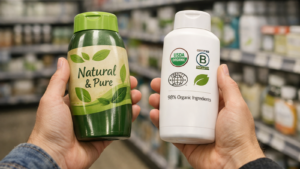
Making conscious choices about what enters your home directly shapes both personal wellness and planetary health. Eco-friendly products remove harmful chemicals from daily routines while protecting natural ecosystems for future generations. Understanding which swaps matter most helps prioritise changes that deliver measurable improvements to respiratory function, skin health, and mental clarity.
Health benefits of eco-friendly products and what beginners should know
Transitioning to safer household items doesn’t require perfection, small, strategic changes compound over time. Starting with high-impact swaps in frequently used categories creates momentum while avoiding overwhelm. Knowledge about ingredient labels and certification standards empowers confident purchasing decisions that protect both family wellness and environmental systems.
What are eco-friendly products and how can they improve health and well-being?

Eco-friendly products are goods manufactured, packaged, and disposed of with minimal environmental impact and reduced toxicity to human health. These items typically contain plant-based ingredients, biodegradable materials, and renewable resources instead of synthetic chemicals, petroleum derivatives, or heavy metals.
Health improvements manifest when households eliminate exposure to volatile organic compounds (VOCs), phthalates, parabens, and artificial fragrances. Switching to low-toxicity alternatives reduces allergic reactions, hormonal disruption, and respiratory irritation. Studies from Environmental Health Perspectives journal demonstrate that children living in homes using green cleaning products show 30 to 50 per cent fewer asthma symptoms compared to conventional households.
Mental well-being improves through two mechanisms: firstly, reduced chemical exposure supports better neurological function; secondly, sustainable choices create psychological satisfaction linked to values alignment. Research published in Journal of Environmental Psychology shows individuals who adopt environmentally conscious behaviours report 20 per cent higher life satisfaction scores.
Physical benefits include clearer skin from non-toxic personal care items, improved digestion from chemical-free food storage, and better sleep quality from organic bedding materials. Reproductive health particularly benefits from avoiding endocrine-disrupting compounds found in conventional plastics and cosmetics.
How low-toxicity products reduce indoor air pollution and respiratory problems
Indoor air pollution ranks among top five environmental health risks according to World Health Organisation (WHO) data. Conventional cleaning sprays, air fresheners, and furniture treatments release volatile organic compounds that accumulate in enclosed spaces, reaching concentrations 2 to 5 times higher than outdoor levels.
Respiratory irritation occurs when VOCs inflame lung tissue and airways. Formaldehyde from pressed wood furniture, benzene from synthetic fragrances, and ammonia from glass cleaners trigger coughing, wheezing, and shortness of breath. Chronic exposure contributes to asthma development, particularly in children whose lungs are still developing.
Low-toxicity alternatives eliminate these emission sources. Plant-based cleaners use ingredients like vinegar, citrus oils, and baking soda that clean effectively without releasing harmful vapours. Studies measuring indoor air quality show homes switching to green products experience 60 to 75 per cent reduction in VOC concentrations within 3 months.
Choosing fragrance-free or naturally scented items prevents synthetic fragrance compounds from triggering allergic reactions. Essential oils provide natural aromatherapy benefits without phthalates, chemicals used to extend artificial scent longevity but linked to hormonal disruption and respiratory sensitisation.
Ventilation systems work more efficiently when fewer pollutants enter indoor air. Reduced toxin load means bodies spend less energy processing chemicals through liver and kidneys, freeing immune resources for fighting infections and maintaining optimal function.
Which eco-friendly personal care and cleaning swaps give the fastest health improvements?
Personal care products applied directly to skin absorb into bloodstreams within minutes, making these swaps high-priority for rapid health gains. Deodorants, shampoos, and moisturisers with natural formulations eliminate daily exposure to aluminium compounds, sulfates, and synthetic preservatives.
Skin irritation often clears within 1 to 2 weeks after switching to mineral-based cosmetics and plant-oil moisturisers. Eczema and dermatitis symptoms particularly respond well to products free from sodium lauryl sulfate and methylisothiazolinone, common irritants in conventional formulations.
Cleaning products used multiple times weekly create significant exposure windows. Swapping all-purpose cleaners, dish soap, and laundry detergent to plant-based versions reduces respiratory symptoms fastest. Households report noticeable breathing improvements within 2 to 4 weeks of eliminating synthetic fragrances and bleach-based cleaners.
Dish soap deserves special attention since residue remains on eating surfaces and cooking tools. Switching to biodegradable formulations prevents ingestion of surfactant chemicals that disrupt gut microbiome balance. Digestive improvements, less bloating, more regular bowel movements, typically manifest within 4 to 6 weeks.
Laundry detergent changes benefit entire household simultaneously. Natural formulations without optical brighteners, synthetic dyes, and petroleum-based surfactants prevent skin absorption through clothing contact. Sleeping better becomes noticeable within 1 to 3 weeks when bedding no longer releases chemical residues.
Step-by-step beginner’s guide to switching household products safely
Room-by-room transitions prevent overwhelming budgets and simplify tracking which changes deliver noticeable benefits. Starting with bathroom products makes sense since this space typically houses most personal care items generating daily chemical exposure.
Step one involves auditing current products. Read ingredient labels and identify items containing parabens, phthalates, triclosan, and synthetic fragrances. Mobile applications like Think Dirty or EWG’s Healthy Living scan barcodes, providing toxicity ratings and suggesting safer alternatives.
Step two prioritises replacement order. Focus on products used daily and applied to largest body surface areas: firstly, body wash and shampoo; secondly, facial moisturiser and toothpaste; thirdly, deodorant and sunscreen. Budget-conscious shoppers spread purchases across 2 to 3 months rather than replacing everything simultaneously.
Step three implements kitchen swaps. Replace plastic food storage with glass or stainless steel containers. Switch to cast iron or ceramic cookware instead of non-stick coatings containing per- and polyfluoroalkyl substances (PFAS). Buy wooden cutting boards rather than plastic versions that shed microplastics into food.
Step four addresses cleaning supplies. Create DIY solutions using white vinegar (removes hard water stains and disinfects), baking soda (scrubs surfaces), and castile soap (cuts grease). These 3 ingredients handle 80 per cent of household cleaning tasks at fraction of commercial product costs.
Step five establishes maintenance routines. Set quarterly reminders to reassess product inventory, checking expiration dates on natural products that lack synthetic preservatives. Join online communities sharing recipes, troubleshooting tips, and bulk-buying opportunities that reduce per-unit costs.
Everyday eco-friendly items that most directly affect physical and mental health

Daily-use products generate cumulative exposure patterns that either support or undermine wellness over time. Identifying which categories deliver greatest health impact guides strategic purchasing decisions. Focusing energy on high-frequency items, those used multiple times daily or worn continuously, maximises return on investment for both health outcomes and financial resources.
Top eco-friendly cleaning products that lower allergens and chemical exposure
Multi-surface cleaners formulated with plant-based surfactants effectively remove dirt, grease, and bacteria without releasing VOCs. Brands using ingredients like coconut-derived cleansers, essential oils, and mineral disinfectants maintain cleanliness standards while protecting respiratory health. Laboratory testing confirms these products eliminate 99.9 per cent of common household bacteria including E. coli and Salmonella.
Glass cleaners made from vinegar and plant alcohols cut through streaks without ammonia fumes that irritate eyes and airways. Mixing equal parts white vinegar with distilled water creates effective DIY spray costing less than £1 per litre. Adding several drops of lemon essential oil provides natural degreasing power and pleasant scent.
Bathroom cleaners require stronger disinfecting action, which hydrogen peroxide provides naturally. This compound breaks down into water and oxygen, leaving no toxic residues yet killing mould spores and soap scum. Commercial eco-brands combine hydrogen peroxide with plant acids to create powerful formulations matching conventional bleach effectiveness.
Laundry detergents certified by organisations like Ecocert or USDA BioPreferred contain 95 to 100 per cent bio-based ingredients. These formulations clean effectively in cold water, reducing energy consumption while eliminating synthetic fragrance allergens. Concentrated formulas minimise plastic packaging, some brands offer refill stations where customers bring reusable containers.
Floor cleaners must address both cleaning power and safety for children and pets who contact surfaces directly. Plant-based options using soap bark extract or soapnut derivatives clean tile, hardwood, and laminate without leaving slippery residues or harmful chemicals. Castile soap diluted at ratio of 2 tablespoons per gallon of water provides economical, effective floor washing solution.
How to choose non-toxic personal care products (simple ingredient checklist)
Reading ingredient lists becomes straightforward using the “Rule of 5”, avoid any product containing more than 5 unrecognisable chemical names. Natural formulations typically list familiar ingredients: coconut oil, shea butter, essential oils, plant extracts, and mineral compounds.
Red-flag ingredients requiring immediate avoidance include parabens (methylparaben, propylparaben), which disrupt hormone function; phthalates (often hidden under “fragrance”), which affect reproductive health; and formaldehyde-releasing preservatives (DMDM hydantoin, quaternium-15), which cause skin sensitisation and link to cancer risk.
Sulphates like sodium lauryl sulphate (SLS) and sodium laureth sulphate (SLES) create foaming action in shampoos and cleansers but strip natural oils from skin and hair. Better alternatives include decyl glucoside, coco-glucoside, and soap bark extract, gentle surfactants derived from plants that clean without causing dryness or irritation.
Synthetic fragrances mask hundreds of unlisted chemicals under single word on ingredient panels. Choosing fragrance-free products or those using only essential oils eliminates major allergen source. Note that “unscented” products may still contain masking fragrances, whereas “fragrance-free” truly means no added scent chemicals.
Preservative systems in natural products often use potassium sorbate, sodium benzoate, or radish root ferment instead of parabens. These alternatives prevent microbial growth while demonstrating safer toxicity profiles. Products stored in airtight pumps rather than open jars require fewer preservatives due to reduced air exposure.
Certifications simplify vetting: COSMOS Organic guarantees 95 per cent organic content, NSF/ANSI 305 verifies personal care claims, and Leaping Bunny confirms cruelty-free status. EWG Verified seal indicates products scoring 1 (lowest hazard) in Environmental Working Group database of over 80,000 cosmetics and personal care items.
Eco-friendly cookware, food storage, and their impact on chemical leaching and digestion
Non-stick cookware containing PFAS chemicals releases toxic fumes when heated above 260°C (500°F) and gradually degrades with use, allowing particles to contaminate food. Research published in Environmental Science & Technology detected PFAS compounds in blood samples of 99 per cent of tested Americans, with dietary exposure through contaminated cookware representing major pathway.
Cast iron skillets provide non-stick properties through proper seasoning while adding beneficial iron to foods, particularly important for individuals with anaemia. These pans last decades with minimal maintenance and develop better cooking surfaces over time. Enamelled cast iron combines durability with ease of cleaning, requiring no seasoning but offering same PFAS-free cooking benefits.
Stainless steel cookware resists corrosion, doesn’t leach chemicals, and distributes heat evenly when constructed with aluminium or copper cores. Look for 18/10 stainless steel (18 per cent chromium, 10 per cent nickel) which provides optimal balance of durability and non-reactivity. Avoid cooking acidic foods in pure aluminium pots, as this metal leaches into food and associates with neurological concerns.
Ceramic cookware coated with natural minerals offers true non-stick performance without fluoropolymers. Quality brands cure coatings at high temperatures, creating scratch-resistant surfaces that maintain integrity for 2 to 5 years with proper care. Avoid cheap ceramic options that may contain lead or cadmium in glazing, stick to products certified by third-party testing.
Glass food storage containers prevent plastic chemicals from migrating into leftovers, especially when reheating. Polycarbonate plastics release bisphenol A (BPA), while other plastics shed microplastic particles and phthalates. Borosilicate glass withstands temperature changes, moving safely from freezer to oven, and lasts indefinitely without degrading.
Stainless steel containers work well for packed lunches and dry goods storage. These options weigh less than glass while avoiding all plastic concerns. Silicone lids provide flexible, airtight seals without BPA or phthalates, just verify products are made from food-grade silicone, which withstands temperatures from -40°C to 230°C.
Wood cutting boards naturally resist bacteria when properly maintained, maple and bamboo contain antimicrobial properties that inhibit pathogen growth. Plastic boards develop knife grooves that harbour bacteria and shed microplastics into food prep. Washing wood boards immediately after use and occasionally treating with mineral oil maintains hygiene while extending lifespan.
Compare: budget vs premium eco brands , which options work best for beginners?
Budget-friendly options deliver solid results for most households starting eco-transitions. Store brands at retailers like Boots, Waitrose, and Sainsbury’s now offer plant-based cleaning lines at prices comparable to conventional products. Own-brand “eco” ranges typically cost £2 to £4 per bottle versus £1.50 to £3 for conventional equivalents, minimal price difference for significantly reduced chemical exposure.
DIY solutions represent ultimate budget approach. Investing £10 in bulk supplies, white vinegar (5 litres for £3), baking soda (5 kg for £5), castile soap (1 litre for £8), produces months’ worth of cleaning products. Adding essential oils (£5 per bottle lasting 3 to 6 months) customises scents and enhances antimicrobial properties.
Mid-range brands like Ecover, Method, and Bio-D balance affordability with convenience. These companies use plant-based formulations, concentrated formulas, and recyclable packaging while maintaining prices 20 to 40 per cent above conventional products. Buying larger sizes or multipacks reduces per-use costs to levels competitive with supermarket brands.
Premium brands such as Branch Basics, Koala Eco, and Bower Collective justify higher prices through refill systems, carbon-neutral shipping, and ultra-concentrated formulas. Initial investment feels steep, £25 to £40 for starter kits, but long-term cost-per-use becomes competitive when customers refill rather than repurchase containers.
Personal care categories show wider pricing variance. Drugstore natural brands (Simple, Burt’s Bees, Green People) cost £4 to £8 per product, while premium options (REN, Pai, Grown Alchemist) range from £15 to £45. Beginners achieve excellent results starting with affordable options, upgrading specific products later if desired rather than overspending initially on entire premium routines.
Cookware represents one-time investment where quality matters significantly. Budget cast iron skillets (£20 to £35) perform identically to premium brands (£80 to £150) when properly seasoned, paying more gains aesthetic appeal but not functional improvement. Stainless steel shows more quality variation: budget sets (£50 to £100) often have thin construction causing hot spots, whereas premium options (£200 to £500) feature multi-layer construction distributing heat evenly and lasting decades.
Glass storage containers at discount retailers (£10 to £20 for 5-piece sets) function equally well as premium brands (£30 to £50), provided lids seal properly. Check seal quality before purchasing, poor lids cause food spoilage regardless of container price. Stainless steel lunchboxes show minimal performance difference across price points; spend based on size needs and aesthetic preference rather than assuming expensive equals better.
How environmental improvements from green products translate into better well-being

Individual product choices create ripple effects beyond personal health metrics. Reduced manufacturing pollution, decreased plastic waste, and lower resource extraction collectively improve community health outcomes. Understanding these connections reinforces motivation during transition challenges and highlights how seemingly small swaps contribute to systemic change benefiting current populations and future generations.
How reducing single-use plastics and microplastics benefits long-term health
Microplastics, particles smaller than 5mm resulting from plastic degradation, infiltrate food chains, water supplies, and human tissues. Studies published in Environmental International detected microplastic particles in 90 per cent of table salt samples, 83 per cent of tap water samples globally, and 100 per cent of tested fish specimens from North Atlantic waters.
Human health impacts emerge as research quantifies tissue accumulation. Scientists from University of Newcastle calculated average person ingests 5 grammes of plastic weekly, equivalent to eating credit card’s worth of plastic particles every 7 days. These particles carry toxic chemicals including phthalates, BPA, and persistent organic pollutants that leach into body tissues.
Digestive system damage occurs as microplastics irritate intestinal linings, potentially causing inflammatory bowel conditions and disrupting nutrient absorption. Animal studies demonstrate microplastic particles crossing intestinal barriers, entering bloodstreams, and accumulating in liver, kidneys, and brain tissue. Emerging human research links higher microplastic exposure to increased inflammation markers and oxidative stress.
Reproductive health concerns mount as microplastics concentrate endocrine-disrupting chemicals. Research from Environmental Health Perspectives links higher plastic exposure to reduced sperm counts in men and earlier puberty onset in girls. Pregnant women face additional risks since particles cross placental barriers, with studies detecting microplastics in human placentas.
Switching reusable alternatives dramatically cuts microplastic exposure. Glass or stainless steel water bottles eliminate daily intake from disposable bottles that shed particles with each squeeze. Cloth shopping bags prevent microplastic release from disposable bag breakdown. Silicone food wraps replace cling film without introducing microplastic contamination during food contact.
Filtering tap water through activated carbon removes up to 95 per cent of microplastic particles while simultaneously eliminating chlorine byproducts and heavy metals. Avoiding seafood packaged in plastic and choosing loose produce instead of pre-bagged options further reduces intake pathways.
Long-term health benefits include reduced toxic chemical burden allowing immune systems to function optimally, decreased inflammatory responses that contribute to chronic disease development, and protection against emerging concerns like nanoplastic particles that penetrate cellular membranes.
The mental health link: why sustainable choices can reduce stress and build resilience
Psychological research identifies “value-behaviour consistency” as key factor in life satisfaction. When actions align with values, particularly concerning environmental stewardship, individuals experience reduced cognitive dissonance and enhanced sense of purpose. Studies from Journal of Happiness Research demonstrate eco-conscious behaviours correlate with 15 to 25 per cent higher scores on wellbeing assessments.
Environmental anxiety, termed “eco-anxiety” or “climate anxiety,” affects growing populations experiencing distress about planetary degradation. Taking tangible action through product choices provides agency-restoring sense of control. Research from Yale Program on Climate Change Communication shows individuals actively participating in environmental behaviours report 30 per cent lower climate anxiety levels than passive observers.
Community connection strengthens when sharing sustainable practices. Joining zero-waste groups, attending eco-swap events, or participating in refill shopping creates social bonds around shared values. Social support networks consistently predict better mental health outcomes across psychological research, combining environmental action with community building amplifies benefits.
Financial stress decreases despite initial transition costs. DIY cleaning solutions reduce monthly spending by £20 to £40 while reusable products eliminate repeat purchases. Over 12 months, households investing £200 in quality reusables typically save £300 to £500 on disposable products, creating budget relief that reduces financial anxiety.
Cognitive benefits emerge from reducing chemical exposure affecting brain function. Phthalates and BPA disrupt neurotransmitter systems while heavy metals impair cognitive processing. Studies from NeuroToxicology journal demonstrate measurable improvements in attention span, memory retention, and mood stability when reducing exposure to common household toxins.
Sleep quality improves through multiple mechanisms: firstly, removing synthetic fragrances eliminates respiratory irritation disturbing sleep; secondly, organic bedding reduces skin irritation preventing nighttime waking; thirdly, reduced toxic load allows deeper restorative sleep phases. Research from Sleep Health journal shows individuals using natural bedding and personal care products experience 20 to 30 minutes longer deep sleep duration nightly.
Pride and accomplishment from mastering new habits, making DIY cleaners, establishing composting routines, coordinating bulk-buying, builds self-efficacy. Psychological research confirms self-efficacy strongly predicts resilience during challenging circumstances, creating mental health buffer against life stressors.
How community adoption of eco products lowers local pollution and improves public health
Aggregate demand shifts manufacturing practices. When 20 to 30 per cent of consumers choose eco-friendly options, major brands reformulate conventional products or introduce green lines to maintain market share. This transition reduces industrial emissions from chemical manufacturing plants typically concentrated in lower-income neighbourhoods bearing disproportionate pollution burdens.
Water quality improves when communities switch plant-based cleaners and personal care products. Conventional formulas discharge phosphates, synthetic fragrances, and antimicrobial chemicals into wastewater systems. Municipal treatment facilities remove only 50 to 70 per cent of these compounds, allowing remainder to enter rivers, lakes, and groundwater supplies.
Biodegradable formulations break down naturally without accumulating in aquatic ecosystems. Studies from Water Research journal show watersheds served by communities with higher green product adoption rates contain 40 to 60 per cent lower concentrations of endocrine-disrupting compounds and pharmaceutical residues. Cleaner water sources directly benefit public health by reducing contamination in drinking water supplies.
Air quality gains materialise as reduced VOC emissions from households and manufacturing. Communities where 50 per cent or more residents use low-VOC products show measurably improved outdoor air quality, particularly benefiting children, elderly populations, and individuals with respiratory conditions. Public health data from these areas documents 20 to 35 per cent fewer asthma-related emergency visits.
Waste reduction alleviates pressure on landfills and incinerators generating toxic emissions. Eco-products typically feature minimal packaging, refillable containers, and compostable materials. Communities with high adoption rates send 30 to 40 per cent less waste to landfills, reducing methane emissions and toxic leachate contaminating soil and groundwater.
Economic benefits flow to local businesses when consumers prioritise bulk stores, refill shops, and farmers’ markets over chain retailers. Money circulating within communities supports local employment and tax bases funding public health infrastructure. Studies from American Independent Business Alliance show communities with thriving local business sectors report better health outcomes across multiple indicators.
Educational ripple effects occur as early adopters share knowledge with neighbours, schools incorporate sustainability into curricula, and local governments respond to constituent demand by implementing green procurement policies for public buildings. These systemic changes normalise eco-conscious behaviours, making sustainable choices easier for subsequent adopters.
Short case studies: real examples where eco switches improved health outcomes
Household 1: London family with 2 young children experiencing chronic eczema and frequent respiratory infections. Replaced conventional cleaning products, synthetic fragrances, and plastic food storage with plant-based cleaners, essential oil diffusers, and glass containers over 6-month period. Children’s eczema cleared completely within 8 weeks, while cold and flu episodes decreased from 8 to 9 times yearly to 3 to 4 times. Parents reported better sleep quality and reduced allergy symptoms.
Household 2: Manchester couple both experiencing unexplained fatigue, digestive issues, and skin sensitivities. Comprehensive audit revealed high PFAS exposure from non-stick cookware and microplastic contamination from plastic-heavy kitchen. Replaced all cookware with cast iron and stainless steel, switched to glass storage, and eliminated plastic wrap. Digestive symptoms improved within 4 weeks, energy levels normalised over 3 months, and skin issues resolved after 12 weeks.
Household 3: Birmingham apartment dweller with severe chemical sensitivities causing migraines, breathing difficulties, and immune dysfunction. Transitioned entire personal care routine to certified organic products, created DIY cleaning solutions, and installed activated carbon water filter. Migraine frequency dropped from 12 to 15 monthly to 2 to 3, breathing improved allowing reduction in asthma medication, and immune function strengthened with fewer infections.
Household 4: Edinburgh household with member undergoing cancer treatment seeking to reduce additional toxic exposures during vulnerable healing period. Family eliminated synthetic fragrances, switched to certified organic bedding and clothing, and adopted glass/stainless steel for all food contact. Patient reported better tolerance of treatment protocols, faster recovery between chemotherapy sessions, and improved overall wellbeing scores. Oncologist noted unusually positive response in blood work markers.
Household 5: Cardiff family pursuing healthier lifestyle after parent’s cardiovascular event. Comprehensive transition included organic food, natural cleaning products, PFAS-free cookware, and removal of plastic containers. Follow-up health screenings showed 30 per cent reduction in inflammatory markers, improved cholesterol ratios, and better blood pressure control, changes physician attributed partly to reduced chemical exposure complementing dietary improvements.
How to choose, evaluate and buy eco-friendly products (practical buying guide)
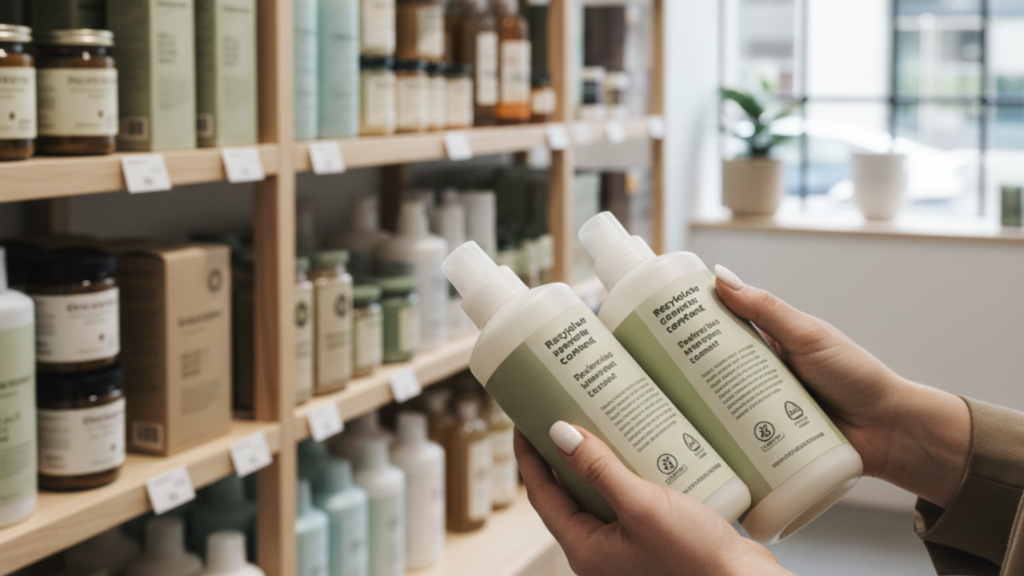
Navigating eco-product marketplace requires understanding certification systems, recognising marketing tactics, and identifying genuine value propositions. Armed with right evaluation criteria, shoppers confidently select items delivering authentic health and environmental benefits while avoiding overpriced or misleadingly marketed options. Strategic purchasing habits maximise both wellness outcomes and budget efficiency across all product categories.
Beginner’s checklist: certifications, ingredient flags, and greenwashing signs to avoid
Greenwashing, deceptive marketing suggesting greater environmental benefit than reality, pervades natural products sector. Vague claims like “eco-friendly,” “natural,” or “green” without supporting certifications often signal superficial reformulations maintaining problematic ingredients alongside few plant-based additions. Truly eco-conscious brands provide specific, verifiable information about formulations and manufacturing practices.
Certification verification provides first defence against greenwashing. Legitimate third-party certifications require rigorous testing and ongoing compliance monitoring. Examples include Soil Association Organic, Ecocert, USDA BioPreferred, Leaping Bunny (cruelty-free), and EWG Verified. Scan product labels or company websites for certification logos, then verify authenticity on certifying organisation’s database, counterfeit logos exist.
Ingredient transparency separates genuine green brands from greenwashers. Companies confident in formulations list all ingredients on packaging and websites, often explaining purposes of unfamiliar components. Brands hiding behind “proprietary blend” language or listing “fragrance” without specifying constituent chemicals warrant scepticism. Natural products should name recognisable plant extracts, minerals, and simple chemical compounds.
Warning phrases indicating potential greenwashing include “made with natural ingredients” (might contain only 1 per cent natural content), “free from parabens” (but contains equally problematic alternatives), “plant-based” (without specifying percentage), and “eco-friendly packaging” (while product itself remains toxic). Look for comprehensive claims like “98 per cent plant-derived ingredients” or “certified organic by Soil Association.”
Ingredient red flags requiring avoidance include synthetic fragrances (often listed simply as “parfum” or “fragrance”), parabens (methylparaben, propylparaben, butylparaben), phthalates (though rarely listed directly, hidden under fragrance), formaldehyde releasers (DMDM hydantoin, diazolidinyl urea), and triclosan. Personal care products containing these compounds fail basic non-toxic standards regardless of green marketing.
Cleaning product concerns focus on chlorine bleach, ammonia, 2-butoxyethanol (common in glass cleaners), and nonylphenol ethoxylates. These substances damage respiratory systems, irritate skin, and pollute water supplies. Safer alternatives include hydrogen peroxide (disinfectant), white vinegar (removes limescale), citric acid (descaling), and castile soap (general cleaning).
Packaging assessment reveals commitment depth. Brands using recycled materials, offering refill programmes, or employing minimal packaging demonstrate genuine environmental concern. Companies heavily investing in marketing while using excessive virgin plastic packaging prioritise profits over principles. Concentrated formulas reducing packaging weight and transport emissions signal thoughtful environmental approach.
Price-quality ratios deserve scrutiny. Extremely expensive products aren’t automatically superior, some brands exploit consumer confusion by charging premium prices for standard natural formulations. Conversely, suspiciously cheap “natural” products often compromise ingredient quality or contain minimal natural content. Mid-range pricing typically indicates balanced approach prioritising quality formulations at accessible price points.
How to read common eco-labels and what each one actually guarantees
USDA Organic certification requires products contain 95 per cent or more organic ingredients, prohibits synthetic pesticides and fertilisers, and mandates annual inspections of production facilities. This standard applies primarily to food but extends to some personal care items. Products labelled “made with organic ingredients” need only 70 per cent organic content, less stringent threshold.
Soil Association Organic maintains strict standards for food, cosmetics, and textiles sold in United Kingdom. Certification prohibits genetically modified organisms (GMOs), synthetic pesticides, and animal testing while requiring environmentally sustainable manufacturing. Personal care products must contain 95 per cent organic agricultural ingredients and restrict use of synthetic preservatives.
Ecocert certifies natural and organic cosmetics globally using two-tier system. “Natural” level requires 95 per cent natural-origin ingredients with 5 per cent synthetic allowed only from approved list. “Organic” level demands 95 per cent ingredients from organic farming. Both standards prohibit parabens, phthalates, synthetic fragrances, and most synthetic preservatives.
Leaping Bunny certification confirms no animal testing occurred throughout entire supply chain, covering finished products and individual ingredients from all suppliers. This represents gold standard for cruelty-free verification since companies must provide supplier declarations and submit to independent audits. Simpler “cruelty-free” claims without third-party verification lack enforcement mechanisms.
EWG Verified means products score in lowest hazard range (1) in Environmental Working Group’s Skin Deep database assessing over 80,000 personal care products. Certification requires full ingredient disclosure, no ingredients of concern per EWG standards, and manufacturing meeting good manufacturing practices. This verification particularly helps consumers lacking time to research individual ingredients.
B Corporation certification evaluates entire company operations, not individual products, across environmental performance, social responsibility, and transparency. Certified B Corps must meet rigorous standards for supply chain practices, worker treatment, community impact, and environmental stewardship. While not guaranteeing product eco-credentials, certification indicates overall company commitment to stakeholder responsibility over shareholder profits alone.
FSC (Forest Stewardship Council) certification applies to paper products and wood items, confirming materials came from responsibly managed forests meeting environmental, social, and economic standards. Choosing FSC-certified paper towels, toilet tissue, and wooden kitchen tools supports sustainable forestry while discouraging deforestation.
Energy Star certification applies to appliances and electronics, indicating products meet strict energy efficiency guidelines set by environmental protection agencies. Energy-efficient appliances reduce electricity consumption, lowering utility bills while decreasing fossil fuel combustion emissions contributing to air pollution and climate change.
Carbon Neutral certification verifies companies measured their carbon footprint, reduced emissions where possible, and offset remaining emissions through verified projects. while not guaranteeing product-level eco-benefits, certification demonstrates corporate accountability for climate impact.
Fair Trade certification ensures farmers and workers receive fair wages, work in safe conditions, and operate under environmentally sustainable practices. Products bearing Fair Trade marks support economic justice while often incorporating organic farming methods and community development initiatives.
Cost vs. benefit: calculating whether an eco product is worth the price for your health
Cost-benefit analysis for eco-products extends beyond simple price comparison, incorporating health savings, longevity, and reduced replacement frequency. Many green products carry higher upfront costs but deliver superior value over product lifecycle through concentration, durability, or health improvements reducing medical expenses.
Cleaning products demonstrate clear value when comparing concentration and effectiveness. Bottle of conventional all-purpose cleaner costing £2 might last 2 weeks, while £6 bottle of concentrated eco-cleaner diluted properly lasts 8 to 12 weeks, making natural option cheaper per use despite higher initial price. Factor in reduced respiratory irritation preventing lost work days and doctor visits, value proposition strengthens further.
Personal care products require health impact assessment. Conventional deodorant costing £3 seems economical until considering potential health costs from aluminium compound exposure. Natural alternative at £7 appears expensive but eliminates daily absorption of compounds linked to breast tissue changes and Alzheimer’s risk. Over decade, potential health savings from disease prevention vastly outweigh £4 price difference repeated annually.
Cookware investments merit special consideration given multi-decade lifespan. Cast iron skillet costing £30 lasts 50 to 100 years with proper care, while non-stick pan at £20 requires replacement every 2 to 4 years as coating degrades. Over 20 years, non-stick approach costs £100 to £200 plus health risks from PFAS exposure, whereas one-time cast iron investment delivers lifetime use without chemical concerns.
Water filtration demonstrates dramatic cost-benefit advantage. Initial £40 filter pitcher investment plus £20 quarterly filter replacements costs £120 annually. Bottled water habit at £1 daily costs £365 annually while generating plastic waste and microplastic exposure. Filter provides cleaner water, eliminates microplastic ingestion, and saves £245 yearly, simple positive calculation.
Food storage transitions require upfront investment but eliminate ongoing purchases. Set of 10 glass containers costs £30 to £50 versus disposable plastic bags at £3 monthly (£36 annually). Glass containers last 10 to 20 years, saving £330 to £690 over decade while preventing BPA exposure and reducing environmental impact. Breakage concerns prove minimal with normal careful handling.
Clothing choices show health value through reduced skin contact with chemical treatments. Organic cotton T-shirt at £15 costs £5 more than conventional version but eliminates pesticide residues and formaldehyde finishes contacting skin 12 to 16 hours daily. Sensitive skin individuals particularly benefit, often eliminating need for steroid creams or allergy medications costing £10 to £30 monthly.
Bedding investments merit premium spending given 7 to 9 hours daily direct skin contact. Organic cotton sheets costing £80 versus conventional at £40 eliminate nightly exposure to pesticide residues and synthetic finishing chemicals. Better sleep quality, reduced allergic reactions, and 10 to 15 year lifespan justify investment, calculate as £5 to £8 annually for chemical-free sleep environment.
Where to buy worldwide: best marketplaces, local options, and shipping tips for beginners
Online marketplaces specialising in eco-products provide curated selections vetted for authenticity. iHerb, Vitacost, and Thrive Market (US) offer competitive pricing through bulk buying power while maintaining strict ingredient standards. Holland & Barrett, Planet Organic, and Abel & Cole (UK) combine online convenience with local shop networks allowing product examination before purchase.
Direct-from-manufacturer purchasing often delivers best prices while ensuring authenticity. Brand websites frequently offer subscription discounts (10 to 20 per cent off), free shipping thresholds, and exclusive products unavailable through retailers. Email newsletter sign-ups typically provide welcome discounts and early access to sales events.
Local refill shops represent cost-effective, low-waste option for cleaning products, personal care items, and pantry staples. Customers bring containers for in-store filling, paying by weight and eliminating packaging costs embedded in traditional retail pricing. Directory websites like Refill.org.uk and Zero Waste Near Me help locate nearby refill stations.
Farmers’ markets and health food shops provide hands-on product discovery with staff expertise unavailable in large supermarkets. Smaller scale enables trying products before committing to full-size purchases. Supporting local businesses keeps money circulating in community while reducing transport emissions from long-distance shipping.
Supermarket own-brand eco-ranges democratise access to natural products. Tesco, Sainsbury’s, Waitrose, and Marks & Spencer now stock plant-based cleaning lines and organic personal care items at prices matching conventional products. Quality varies but entry-level options help beginners experiment without major financial commitment.
Online speciality retailers like Big Green Smile, Natural Collection, and Eco Warehouse (UK/EU) consolidate multiple brands simplifying comparison shopping. Free shipping thresholds encourage bundling orders to reduce per-item shipping costs. Customer reviews provide authentic feedback balancing marketing claims.
Bulk-buying cooperatives allow groups pooling orders to access wholesale pricing unavailable to individuals. Groups of 5 to 10 households coordinate purchases through platforms like Join the Co-op or WhatsApp groups, splitting shipping costs and volume discounts. Savings reach 20 to 40 per cent below retail prices while building community connections.
International shopping requires navigating customs duties, extended delivery times, and currency fluctuations. Products unavailable locally sometimes justify international ordering, but calculate total landed cost including shipping and duties before purchase. Regional alternatives often exist offering comparable benefits at lower total cost.
Shipping environmental impact deserves consideration. Consolidating orders reduces packaging waste and transport emissions per item. Standard shipping generally uses more efficient methods than express options. Choosing retailers with carbon-neutral shipping programmes offsets transport emissions through verified projects.
Second-hand and swap options eliminate manufacturing impact entirely. Platforms like Vinted, Depop, and local swap groups facilitate circular economy for clothing, kitchenware, and household items. Swapping unused natural products with friends creates zero-cost trial opportunities while preventing waste.
Measuring results, solving common problems, and making eco habits stick
Long-term success requires tracking progress, troubleshooting obstacles, and establishing sustainable routines that accommodate life realities. Measurement systems provide motivation by making incremental improvements visible while identifying which changes deliver greatest returns. Problem-solving strategies prevent setbacks from derailing commitments, and community connections sustain momentum through inevitable challenge periods.
How to track and measure personal health changes after switching products (simple metrics)
Symptom journals provide simple tracking requiring just 5 minutes daily. Record respiratory symptoms (coughing frequency, breathing ease), skin conditions (rashes, dryness, itching), digestive issues (bloating, irregularity), energy levels, and sleep quality on 1-to-10 scales. Weekly pattern review reveals improvements often occurring gradually enough that perception lags reality without documentation.
Photographic documentation captures skin changes invisible to daily observers accustomed to gradual improvements. Take weekly facial photos in consistent lighting, noting any eczema patches, acne, or discolouration. Before-and-after comparisons after 4 to 8 weeks typically show dramatic differences that daily mirror checks miss.
Sleep tracking through smartphone apps or fitness trackers quantifies sleep quality changes. Monitor metrics including total sleep duration, time in deep sleep, and nighttime awakening frequency. Many users report 20 to 40 minute deep sleep increases and 30 to 50 per cent fewer nighttime wakings within 4 to 6 weeks of eliminating synthetic fragrances and switching natural bedding.
Medication usage logs reveal health improvements through reduced pharmaceutical needs. Track frequency of pain reliever use, antihistamine consumption, asthma inhaler puffs, and digestive aid needs. Reduced medication requirements suggest improved underlying health status rather than symptom masking, consult healthcare providers before making medication changes.
Energy pattern tracking identifies times when fatigue lifts. Rate energy levels 3 times daily (morning, midday, evening) on 1-to-10 scale. Watch for reduced afternoon crashes and improved morning wakefulness, common improvements within 3 to 6 weeks of reducing chemical exposure allowing better sleep quality and reduced toxic burden on energy-consuming detoxification systems.
Home air quality monitoring using affordable devices (£50 to £150) measures VOC levels, particulate matter, and humidity. Baseline measurements before product switches establish comparison points for verifying improvements. Most households see 40 to 70 per cent VOC reductions within 6 to 12 weeks of eliminating conventional cleaning products and air fresheners.
Medical screening comparison requires annual checkups but provides objective health markers. Request copies of blood work, blood pressure readings, and any other metrics from healthcare visits. Year-over-year improvements in inflammatory markers, cholesterol ratios, or blood pressure correlate with reduced toxic exposure when diet and exercise remain stable.
Budget tracking demonstrates financial benefits offsetting initial investment concerns. Monthly expense monitoring typically reveals household cleaning and personal care costs decrease 15 to 35 per cent within first year despite higher per-unit prices for eco-products. Reduced medical expenses from fewer illnesses and fewer medication needs amplify savings.
Solutions for common roadblocks: sensitivity, budget limits, and mixed results
Sensitivity reactions to natural products affect 5 to 10 per cent of users, typically triggered by essential oils, botanical extracts, or preservatives acceptable to regulatory standards but problematic for reactive individuals. Patch testing new products on inner forearm before full application prevents widespread reactions. Choosing fragrance-free formulations without essential oils eliminates most sensitivity triggers.
Essential oil alternatives for sensitive individuals include unscented products or those using hydrosols, water-based botanical extracts containing aromatic compounds at much lower concentrations than essential oils. Brands like Vanicream, Free & Clear, and MADE OF specialise in allergy-friendly natural formulations avoiding common triggers.
Budget constraints require prioritisation focusing high-use items delivering greatest health impact per pound spent. Hierarchy places personal care products used daily (body wash, shampoo, moisturiser) ahead of occasional-use items like specialty cleaners. DIY solutions for cleaning products stretch budgets furthest, £10 supplies lasting 6 months versus £30 monthly for conventional products.
Discount hunting strategies include subscribing to brand newsletters for exclusive sales, using browser extensions like Honey or TopCashback for automatic coupon application, and timing purchases during annual sales (Black Friday, Earth Day promotions). Refill stations dramatically reduce costs by eliminating packaging expenses, savings reach 30 to 50 per cent versus bottled products.
Mixed results requiring troubleshooting often stem from incomplete transitions, using natural products alongside conventional ones negates benefits from ongoing exposure. Audit all products in household systematically rather than partial switches. Single synthetic air freshener can maintain elevated VOC levels despite natural cleaning products elsewhere.
Product effectiveness issues sometimes reflect improper usage rather than inferior formulations. Natural cleaners often require different application methods: longer dwell times, warm water activation, or proper dilution ratios. Reviewing product instructions and manufacturer FAQ sections resolves most performance concerns.
Hard water reduces effectiveness of plant-based cleaners and soaps. Install shower filters and consider whole-house water softening systems in areas with very hard water (above 200 mg/L calcium carbonate). Alternatively, add washing soda or citric acid to laundry loads boosting cleaning power in hard water conditions.
Adjustment periods for personal care transitions sometimes involve temporary changes as body adapts. Natural deodorants require 2 to 4 weeks for underarm microbiome to rebalance after aluminium-based products killed beneficial bacteria. Similarly, scalp may produce excess oil for 1 to 2 weeks after stopping sulphate shampoos before sebum production normalises.
Partial household buy-in creates obstacles when some residents resist changes. Lead by example demonstrating benefits rather than forcing immediate compliance. Designate personal spaces (bathroom cabinet, bedroom) as eco-zones while respecting shared spaces. Most reluctant family members gradually adopt habits after witnessing tangible improvements.
How to replace, recycle, and dispose of eco products responsibly to maximize well-being
Product lifespan maximisation through proper care extends value while reducing waste. Glass storage containers last indefinitely with careful handling, avoid thermal shock (extreme temperature changes) and use protective storage racks preventing chip damage. Cast iron cookware requires seasoning maintenance but lasts multiple lifetimes when dried immediately after washing.
Refurbishment extends product life beyond initial degradation. Cookware can be professionally re-seasoned, re-enamelled, or re-tinned depending on type. Clothing repairs (mending holes, replacing buttons, patching elbows) keep items functional for years beyond typical discard points. Local repair cafes and YouTube tutorials democratise repair skills once considered specialised.
Composting natural product containers made from bamboo, cork, or other plant materials closes nutrient loops. Verify compostability through certification marks (seedling logo from European Bioplastics or BPI certification in North America). Home composting requires appropriate moisture and temperature, industrial composting facilities better handle complex biodegradable plastics.
Recycling programmes vary dramatically by location, verify local guidelines before assuming recyclability. Many areas accept only rigid plastics (#1 PET and #2 HDPE), not soft plastics or mixed-material packaging. Contaminating recycling streams with non-recyclable items reduces overall recycling effectiveness, potentially sending entire loads to landfill.
Refill programmes let customers return empty containers for cleaning and reuse, truly circular system surpassing recycling efficiency. Brands like Bower Collective, Loop, and Fill operate return systems via post, while local refill shops accept containers for immediate filling. Participating eliminates single-use packaging entirely while often reducing costs 20 to 40 per cent.
Donation extends usable life for products no longer meeting personal needs. Partially used natural products still sealed can be donated to homeless shelters, women’s refuges, or community centres. Local Buy Nothing groups on Facebook facilitate neighbourly sharing of unopened or gently used items.
Hazardous waste disposal prevents environmental contamination from remaining conventional products being phased out. Paint, batteries, electronics, and chemical cleaners require special handling through designated collection sites, never pour chemicals down drains or discard in regular rubbish. Council websites list hazardous waste collection dates and drop-off locations.
Upcycling transforms containers into new uses rather than discarding. Glass jars become storage for bulk foods, DIY cleaning solutions, or craft supplies. Sturdy cardboard boxes provide drawer organisers or shipping materials. Metal tins hold sewing supplies, art materials, or small hardware items.
Product swap events create zero-waste acquisition opportunities while building community. Participants bring usable items no longer needed, exchanging for others’ contributions. Clothing swaps particularly popular but expand to include books, kitchenware, toys, and unopened personal care products. Organisation through local community centres, schools, or social media groups requires minimal coordination.
End-of-life planning ensures worst-case disposal happens responsibly. Research local waste management infrastructure accepting specific materials before purchasing. Products with unclear disposal pathways (certain bioplastics, complex electronics) create burdens outweighing benefits, prioritise items with established recycling or composting infrastructure.
Top beginner resources: apps, tests, community programmes and tools to stay on track
Think Dirty app scans barcodes on personal care products, rating toxicity on 1-to-10 scale with 1 being cleanest. Database covers over 350,000 products, explaining specific ingredients causing concern and suggesting safer alternatives. Free version provides comprehensive information; premium subscription offers additional features like ingredient preference filters.
EWG’s Healthy Living app functions similarly for both personal care and cleaning products, drawing from Environmental Working Group’s extensive research database. App highlights specific concerns (cancer risk, allergies, developmental toxicity) rather than single score, enabling personalised risk assessment based on individual priorities and sensitivities.
Yuka app covers food, cosmetics, and personal care using traffic-light colour system (green, yellow, red) for instant assessment. Scanning products while shopping provides real-time purchase guidance. Database includes over 3 million items with detailed analysis of nutritional quality, additives, and organic certification status.
Beat the Microbead app from Plastic Soup Foundation identifies products containing microplastic particles. Scanning reveals presence of polyethylene, polypropylene, and other plastic microbeads in cosmetics and personal care items. Database covers global brands, helping consumers avoid products contributing to microplastic pollution.
Good On You app rates fashion brands on environmental impact, labour conditions, and animal welfare using 5-point scale. Searchable database covers mainstream and indie brands, providing transparency in notoriously opaque fashion industry. Browser extension enables checking while online shopping.
JouleBug gamifies sustainable habits through challenges, points, and community competitions. Users log eco-actions (refusing plastic bags, composting, cycling instead of driving) earning badges and comparing progress with friends. Gamification increases engagement and habit formation through positive reinforcement.
At-home hormone testing kits from companies like Everlywell or Thriva measure biomarkers potentially affected by endocrine-disrupting chemicals. Baseline testing followed by retesting after 6 to 12 months of product transitions quantifies health improvements. Tests require simple finger-prick blood samples processed by certified laboratories with physician-reviewed results.
Indoor air quality monitors like Airthings or Awair measure VOCs, particulate matter, carbon dioxide, and humidity. Continuous monitoring reveals daily patterns and verifies improvements after product switches. Data syncs to smartphones, generating reports showing air quality trends over weeks and months.
Zero Waste Near Me directory locates refill shops, repair cafes, composting facilities, and recycling centres by postcode. Searchable database covers United Kingdom and expanding globally, simplifying discovery of local circular economy infrastructure often invisible without directed searching.
Olio app connects neighbours for food and item sharing, preventing waste while building community. Users photograph unwanted items (unopened pantry goods, excess garden produce, usable household items) which neighbours claim for free. Platform particularly useful for giving away partially used products during transitions.
Local authority recycling guides specify exactly what materials local facilities accept. Most councils provide online search tools where residents enter item descriptions receiving disposal instructions. Following local guidelines prevents wishcycling, placing non-recyclable items in bins contaminating entire loads.
Community-supported agriculture (CSA) programmes connect households directly with local farms, often emphasising organic practices and minimal packaging. Weekly produce boxes deliver seasonal vegetables, reducing plastic packaging, supporting sustainable agriculture, and providing fresher, more nutritious food than supermarket equivalents.
Library resources extend beyond books to include passes for museums and parks, tool lending libraries for occasional equipment needs, and community workshop spaces. Utilising shared resources reduces individual consumption while providing access to items needed occasionally rather than owned wastefully.
Conclusion
Embracing eco-friendly products creates cascading benefits extending from individual health improvements to community-wide environmental gains. Strategic transitions beginning with high-impact swaps deliver noticeable results within weeks while building momentum for broader lifestyle changes. Armed with knowledge about certifications, ingredients, and proper usage, households confidently navigate product marketplaces while avoiding greenwashing traps.
Every purchasing decision represents vote for world desired, either supporting extractive industries prioritising profits over planetary health, or backing regenerative systems respecting both human wellness and environmental integrity. Starting small matters more than starting perfectly. Single household switching creates ripples encouraging neighbours, friends, and family to reconsider their choices, multiplying impact exponentially across communities and generations.
Frequently Asked Questions
Q1: Will switching to eco-friendly products really make noticeable health improvements, or is this mostly marketing hype?
Research consistently demonstrates measurable health benefits from reducing household chemical exposure. Studies show respiratory symptoms decrease 30 to 50 per cent, skin conditions improve within 2 to 8 weeks, and indoor air quality improves 40 to 70 per cent after switching to plant-based products. Individual results vary based on existing sensitivities and thoroughness of transitions, but most households notice improvements within 4 to 12 weeks.
Q2: How long before noticing health changes after switching products?
Timeline varies by symptom type and individual sensitivity. Respiratory improvements often manifest within 2 to 4 weeks of eliminating synthetic fragrances and VOC-emitting cleaners. Skin conditions typically improve within 4 to 8 weeks of switching personal care products. Digestive changes from eliminating food-contact plastics appear within 4 to 6 weeks. Energy and sleep improvements accumulate over 6 to 12 weeks as toxic burden decreases.
Q3: Are eco-friendly products effective enough for serious cleaning tasks, or must we sacrifice cleanliness for safety?
Modern plant-based cleaners match conventional product effectiveness through concentrated formulations and smart ingredient combinations. Hydrogen peroxide kills 99.9 per cent of bacteria without bleach toxicity. Citric acid removes limescale as effectively as harsh acids. Proper application, adequate dwell time, appropriate dilution, warm water activation, ensures cleaning performance meeting hygiene standards while protecting health.
Q4: Which single product swap delivers fastest, most noticeable health improvement?
Personal care products used daily, particularly deodorants, body washes, and facial moisturisers, typically deliver quickest improvements since these contact skin directly allowing rapid absorption into bloodstream. Eliminating synthetic fragrances from these items often reduces headaches, respiratory irritation, and skin reactions within 1 to 2 weeks. Simultaneously switching laundry detergent amplifies benefits by removing chemical residues from clothing and bedding.
Q5: How much more expensive are eco-friendly products really, and does cost difference make sense financially?
Price premiums range from 20 to 60 per cent higher than conventional products initially, but concentrated formulas and reduced medical expenses often create net savings. DIY cleaning solutions cost 70 to 90 per cent less than commercial products. Durable items like glass containers and quality cookware cost more upfront but last decades versus frequent replacements. Most households achieve cost neutrality within 12 to 18 months when accounting for reduced doctor visits, medications, and replacement purchases.
Q6: Can people with chemical sensitivities use natural products containing essential oils and botanical extracts?
Individuals with multiple chemical sensitivities require fragrance-free formulations avoiding even natural scents. Several brands specialise in hypoallergenic natural products: Vanicream, Free & Clear, MADE OF, and Beautycounter’s fragrance-free line. These products rely on gentle plant-based ingredients without essential oils, botanical extracts high in allergens, or synthetic preservatives. Patch testing remains important for confirming tolerance.
Q7: Do eco-friendly products work properly in hard water areas?
Hard water contains high mineral concentrations interfering with plant-based cleaner effectiveness. Solutions include adding washing soda or citric acid to laundry loads, installing shower filters for bathing, and using slightly more product than soft-water areas require. Some brands formulate specifically for hard water, incorporating chelating agents that bind minerals without synthetic chemicals. Whole-house water softening provides comprehensive solution but requires significant investment.
Q8: What certifications matter most when evaluating whether products are genuinely eco-friendly versus greenwashing?
Prioritise third-party certifications requiring rigorous testing and ongoing compliance: USDA Organic, Soil Association Organic, Ecocert, EWG Verified, and Leaping Bunny. These organisations maintain strict standards and conduct independent audits. Beware vague claims like “natural” or “eco-friendly” without certification backing. Company-created seals lack credibility compared to independent third-party verification programmes following transparent standards.
Q9: How can parents safely transition children’s products without risking reactions or problems?
Introduce changes gradually, starting with least-likely irritants: fragrance-free body wash and shampoo. Wait 1 to 2 weeks observing for reactions before introducing additional new products. Patch-test everything on small skin areas before full application. Choose products specifically formulated for children, which typically avoid common allergens and use gentler concentrations. Document any reactions to identify trigger ingredients, enabling informed avoidance in future product selections.
Q10: Where should someone start if completely overwhelmed by prospect of switching everything at once?
Begin with three high-impact swaps: firstly, replace all-purpose cleaner with plant-based or DIY version (vinegar plus castile soap); secondly, switch to natural laundry detergent affecting all clothing and bedding; thirdly, replace most-used personal care item (typically body wash or shampoo). These three changes reduce major exposure pathways while remaining manageable. Add one new swap monthly rather than attempting complete household overhaul simultaneously.