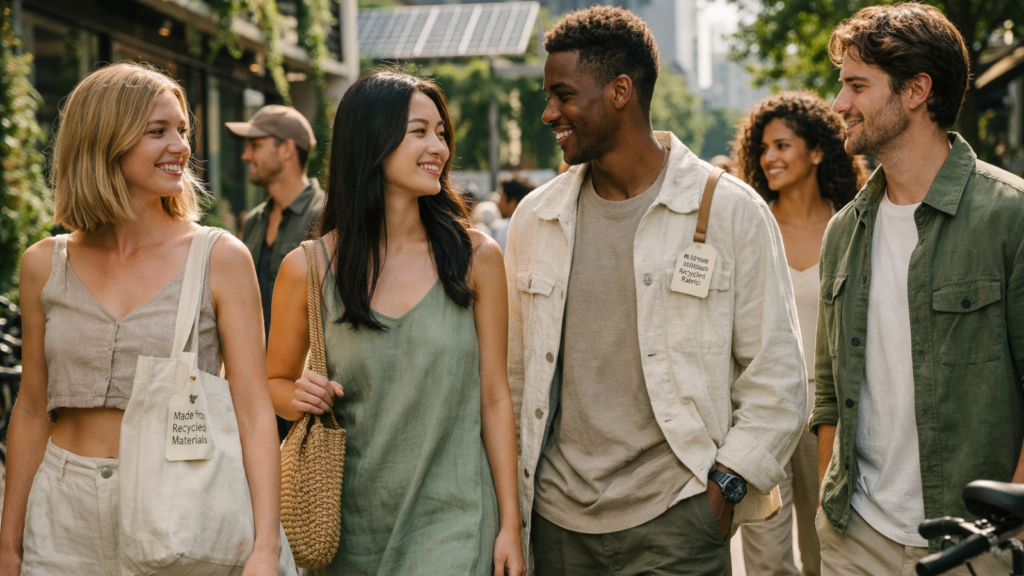
Sustainable style choices are reshaping global wardrobes faster than ever before. Social platforms amplify green clothing movements while consumers demand transparency from every brand. Climate-conscious shoppers now drive purchasing decisions across continents, forcing industries to adapt or face irrelevance in competitive markets.
Environmental awareness has transformed from a fringe concern into mainstream priority within fashion communities worldwide. Gen Z and millennial consumers refuse to separate personal values from purchasing habits, creating unprecedented pressure on brands to demonstrate genuine commitment to sustainability. This shift represents more than temporary trend, fundamental transformation redefines how clothing gets designed, produced, distributed, and ultimately consumed across every market segment globally.
What Eco-Friendly Fashion Means in 2025
Green garment philosophy extends beyond organic cotton and recycled polyester bottles. Modern sustainable style encompasses entire production cycles, from raw material sourcing to end-of-life disposal. Consumer expectations for environmental responsibility have transformed clothing industry standards worldwide.
The Evolution of Sustainable Fashion From Niche to Mainstream
Eco-friendly fashion was once relegated to small boutiques and specialty stores serving limited audiences. Major retail chains now dedicate entire collections to sustainable lines. Global market research shows environmentally responsible clothing sales increased by 67% between 2020 to 2023 (McKinsey, 2023).
Mainstream acceptance accelerated when luxury houses embraced green practices. High-street brands followed suit, making sustainable options accessible to everyday shoppers. Price points decreased as production scaled up across manufacturing facilities.
Social movements pushed environmental concerns into public consciousness during recent years. Fashion weeks in Paris, Milan, and New York featured sustainability-focused collections prominently. Media coverage of climate change connected directly to consumer purchasing power.
Early adopters were primarily millennials seeking ethical alternatives to conventional retail. Gen Z consumers entered purchasing maturity expecting sustainability as standard practice rather than premium feature. Younger generations refuse to separate environmental values from shopping habits.
Key Materials Defining Eco-Friendly Clothing Today
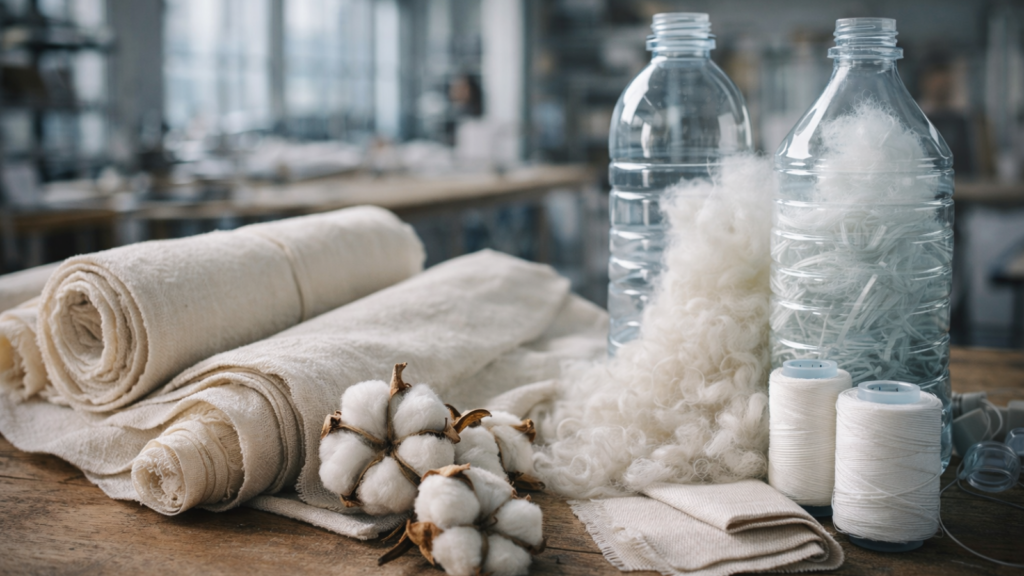
Organic cotton represents one foundation of sustainable textile production. Farmers grow organic varieties without synthetic pesticides or genetically modified seeds. Water consumption drops by approximately 91% compared to conventional cotton farming (Textile Exchange, 2024).
Recycled polyester transforms plastic bottles into wearable fibres, diverting waste from landfills. Manufacturers process post-consumer plastics through mechanical or chemical recycling methods. Each kilogram of recycled polyester saves 59% energy compared to virgin polyester production (Ellen MacArthur Foundation, 2024).
Tencel and lyocell fabrics come from sustainably harvested wood pulp through closed-loop processes. Production systems recycle 99% of solvents and water used during manufacturing. Biodegradable properties ensure minimal environmental impact at garment end-of-life.
Hemp grows rapidly without requiring pesticides or excessive irrigation. Fibres possess natural durability, becoming softer with repeated washing cycles. Cultivation improves soil health rather than depleting nutrients like conventional crops.
Innovative materials include mushroom leather, pineapple fibre (Piñatex), and lab-grown silk. Scientists develop bio-fabricated textiles that eliminate animal products entirely. Commercial viability increases as production costs decrease through technological advancement.
Ethical Production vs. Sustainable Production: What’s the Difference?
Ethical production focuses on human rights, fair wages, and safe working conditions throughout supply chains. Workers receive living wages sufficient for dignified standards of living. Factories maintain safe environments free from hazardous chemicals or dangerous machinery.
Sustainable production emphasises environmental impact reduction across manufacturing processes. Energy efficiency, water conservation, and waste minimisation drive operational decisions. Carbon footprint calculations guide material selection and transportation logistics.
Both concepts overlap but address different aspects of responsible fashion. Brands may use eco-friendly materials while exploiting workers through inadequate compensation. Conversely, companies might treat employees fairly while generating significant environmental harm.
Comprehensive eco-friendly fashion integrates both ethical and sustainable practices simultaneously. Supply chain transparency allows consumers to verify social and environmental claims. Certifications like Fair Trade and B Corporation status indicate commitment to dual responsibility.
Leading brands publish annual sustainability reports detailing progress across multiple metrics. Third-party audits verify labour conditions and environmental performance independently. Accountability mechanisms build trust with increasingly sceptical consumer bases.
Common Myths Beginners Have About Eco-Friendly Fashion
Many believe sustainable clothing always costs significantly more than conventional alternatives. Initial purchase prices may exceed fast fashion equivalents, but superior durability provides better long-term value. Cost-per-wear calculations often favour quality eco-friendly garments over disposable items.
Another misconception suggests green fashion lacks style diversity or contemporary aesthetics. Modern sustainable brands offer cutting-edge designs rivalling any conventional label. Fashion-forward consumers find extensive options across casual, formal, and activewear categories.
Some assume all “natural” materials automatically qualify as environmentally friendly choices. Conventional cotton production uses intensive pesticides and excessive water despite plant-based origins. Processing methods and farming practices determine actual environmental impact more than raw material type.
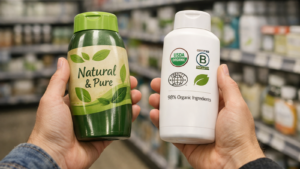
Greenwashing creates confusion when brands make misleading sustainability claims without substantive action. Vague terminology like “eco-conscious” or “green” lacks specific meaning or verification standards. Educated consumers learn to identify genuine certifications versus superficial marketing language.
People often think individual purchasing decisions make negligible difference against industrial-scale environmental problems. Collective consumer demand drives industry transformation more effectively than regulatory pressure alone. Market forces respond when enough shoppers prioritise sustainability over convenience or price.
Why Eco-Friendly Fashion Is Going Viral Worldwide
Digital connectivity amplifies sustainable style movements across geographical boundaries instantaneously. Younger demographics leverage online platforms to shame polluting brands publicly. Corporate reputations now depend heavily on environmental performance and transparent communication.
How Social Media and Gen Z Are Driving Sustainable Fashion Trends

Instagram, TikTok, and Pinterest serve as primary discovery channels for eco-friendly clothing brands. Visual platforms showcase sustainable outfits through styling tutorials and haul videos. Hashtags like #SustainableFashion and #EcoStyle generate billions of impressions annually.
Gen Z demonstrates unprecedented environmental consciousness compared to previous generations. Born between 1997 to 2012, this demographic witnessed climate change consequences firsthand during formative years. Purchasing power projected to reach $33 trillion globally by 2030 ensures industries adapt to their values (Bloomberg, 2024).
Viral challenges encourage users to showcase secondhand finds or upcycled creations. Thrift flips and wardrobe remixing content normalises circular consumption patterns. Peer validation through likes and shares reinforces sustainable behaviour among younger audiences.
Influencers with millions of followers openly critique fast fashion business models. Educational content explains environmental costs of cheap clothing production methods. Authentic storytelling resonates more effectively than traditional advertising campaigns.
Cancel culture holds brands accountable for environmental and social transgressions immediately. One exposed scandal can devastate brand reputation built over decades. Companies invest heavily in sustainability to avoid public backlash from digitally connected consumers.
The Role of Climate Awareness in Consumer Fashion Choices
Scientific consensus on climate change reached mainstream acceptance during recent years. Extreme weather events worldwide connect abstract environmental concerns to tangible personal experiences. Consumers increasingly recognise fashion industry contributions to carbon emissions and pollution.
Textile production generates approximately 10% of global carbon emissions annually (United Nations, 2024). Manufacturing processes consume vast water quantities while releasing toxic chemicals into ecosystems. Microplastic shedding from synthetic garments pollutes oceans and enters food chains.
Documentary films and investigative journalism exposed fast fashion’s environmental devastation to mass audiences. Visual evidence of textile waste mountains and polluted rivers sparked public outrage. Emotional connection to environmental destruction motivates behaviour changes more than statistics alone.
Younger consumers particularly link personal clothing choices directly to climate outcomes. Survey data shows 73% of Gen Z shoppers consider environmental impact before purchasing fashion items (Deloitte, 2024). Guilt associated with unsustainable consumption drives demand for transparent alternatives.
Educational institutions incorporate sustainability into curriculum, raising environmentally literate generations. School programmes teach lifecycle thinking and circular economy principles from early ages. Future consumers will expect environmental responsibility as non-negotiable standard across all industries.
Celebrity, Influencer, and Brand Advocacy for Eco Fashion
High-profile celebrities leverage massive platforms to promote sustainable fashion publicly. Emma Watson, Leonardo DiCaprio, and Stella McCartney champion eco-friendly design consistently. Red carpet appearances featuring sustainable gowns generate significant media coverage worldwide.
Musicians and actors collaborate with ethical brands, lending credibility and visibility. Limited edition collections sell out within hours when celebrity partnerships launch. Fan bases follow sustainability journeys through social media documentation.
Influencers build entire personal brands around conscious consumption and minimal wardrobes. Content creators share transparent reviews of sustainable products, educating audiences authentically. Affiliate partnerships with eco-brands create revenue streams while promoting values-aligned businesses.
Traditional fashion houses appoint sustainability directors to oversee environmental strategy implementation. Luxury conglomerates announce ambitious carbon neutrality targets for upcoming decades. Public commitments hold corporations accountable to measurable progress tracking.
Collaborative initiatives like Fashion Revolution Week unite brands, activists, and consumers globally. Annual campaigns encourage people to question “who made my clothes?” Collective action amplifies individual voices, pressuring industries toward systemic reform.
Why Transparency and Brand Storytelling Matter in 2025
Modern consumers demand complete supply chain visibility from raw materials to finished products. Blockchain technology enables tracking garments through every production stage verifiably. QR codes on clothing tags provide instant access to manufacturing origin and environmental impact data.
Storytelling humanises sustainability efforts beyond technical certifications and environmental metrics. Brands share artisan profiles, farming practices, and community development initiatives openly. Emotional connections form when shoppers understand people and processes behind their purchases.
Greenwashing scandals eroded trust in vague environmental marketing claims recently. Regulatory bodies worldwide now scrutinise sustainability advertising for misleading statements. Specific, verifiable information replaces aspirational language without substantive backing.
Third-party certifications provide independent verification of environmental and social claims. Global Organic Textile Standard (GOTS), OEKO-TEX, and Cradle to Cradle labels offer credible assurance. Consumers learn to recognise legitimate certifications versus meaningless proprietary badges.
Annual sustainability reports detail progress, challenges, and future goals transparently. Honest communication about shortcomings builds more trust than perfectionist marketing narratives. Authenticity resonates with audiences tired of corporate greenwashing tactics.
Major Eco-Friendly Fashion Trends Dominating 2025
Innovation accelerates across materials science, business models, and consumer engagement strategies simultaneously. Technology enables solutions previously impossible at commercial scales. Market dynamics shift rapidly as sustainable options achieve price parity with conventional alternatives.
Recycled and Bio-Based Fabrics Taking Over Global Markets
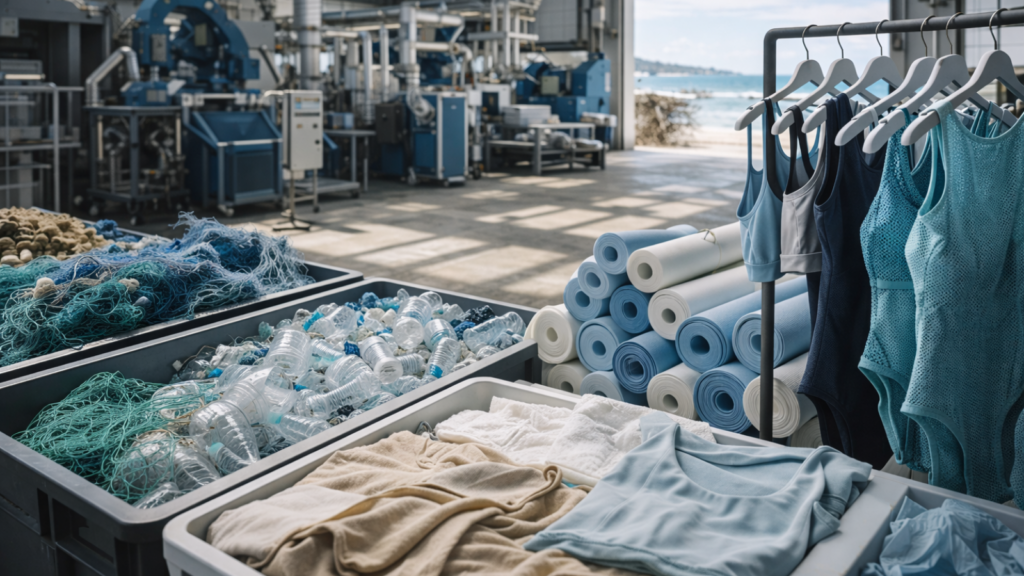
Recycled materials now constitute 15% of global textile production, up from 8% in 2020 (Textile Exchange, 2025). Post-consumer waste streams supply raw materials for new garment manufacturing. Mechanical and chemical recycling technologies improve fibre quality to match virgin material performance.
Ocean plastic initiatives transform marine debris into functional athletic wear and swimwear. Partnerships between environmental organisations and fashion brands clean coastlines while creating products. Marketing campaigns highlight tangible environmental benefits, resonating with eco-conscious consumers.
Bio-based alternatives derived from agricultural waste reduce dependence on petroleum-based synthetics. Orange fibre, banana stems, and coffee grounds become textile sources through innovative processing. Circular agriculture creates value from materials previously discarded as waste.
Seaweed-based fabrics offer biodegradable alternatives to conventional textiles completely. Cultivation requires zero freshwater, pesticides, or fertiliser inputs. Marine farming simultaneously supports ocean ecosystem health while producing commercial materials.
Mycelium leather replicates animal hide properties without ethical or environmental concerns. Fungal networks grow into desired shapes within weeks rather than years. Luxury brands adopt bio-fabricated materials for high-end accessories and footwear.
Circular Fashion: Resale, Rental, and Upcycling Models Explained
Resale platforms like Vinted, Depop, and Vestiaire Collective experienced exponential growth recently. Secondhand fashion market valuation reached $177 billion globally in 2024 (ThredUp, 2024). Younger consumers view pre-owned clothing as desirable rather than inferior to new purchases.
Rental services provide access to designer pieces and special occasion wear without ownership burdens. Subscription models allow frequent wardrobe rotation at fraction of retail costs. Environmental benefits multiply when single garments serve multiple users throughout lifecycles.
Brands launch take-back programmes accepting used items for recycling or resale. Incentives like store credit encourage participation in circular systems. Closed-loop models reduce waste while maintaining customer relationships beyond initial sales.
Upcycling transforms damaged or outdated garments into unique, higher-value creations. Artisans and designers reimagine deadstock fabrics into contemporary pieces. Creative reuse extends product lifecycles while celebrating craftsmanship and individuality.
Repair services and mending workshops teach consumers to extend garment longevity independently. Community events normalise fixing rather than discarding damaged clothing. Skills-sharing revives traditional techniques while building sustainable consumption habits.
Slow Fashion vs Fast Fashion: Why the Shift Is Accelerating
Slow fashion emphasises quality, durability, and timeless design over trendy disposable items. Investment pieces last years or decades with proper care. Versatile wardrobe staples reduce overall consumption while maintaining style flexibility.
Fast fashion business models rely on rapid trend cycles encouraging constant purchasing. New collections drop weekly, creating artificial urgency and planned obsolescence. Environmental costs accumulate through overproduction, synthetic materials, and global shipping networks.
Consumer awareness of fast fashion’s true costs drives rejection of ultra-cheap clothing. Documentaries exposed exploitative labour practices and environmental destruction systematically. Ethical concerns outweigh initial price savings for growing consumer segments.
Quality-focused brands communicate superior craftsmanship and material selection transparently. Higher prices reflect fair wages, sustainable materials, and lower environmental impact. Cost-per-wear metrics demonstrate long-term value proposition effectively.
Minimalist capsule wardrobes gain popularity through influential style bloggers and sustainability advocates. Curated collections of versatile pieces reduce decision fatigue while limiting overconsumption. Intentional purchasing replaces impulse buying driven by fleeting trends.
Technology Innovations Making Fashion More Sustainable
Artificial Intelligence (AI) optimises production planning, reducing overstock and waste significantly. Predictive algorithms analyse trend data and demand patterns precisely. Manufacturers produce quantities matching actual consumer needs rather than speculative volumes.
Three-dimensional (3D) design software eliminates physical sampling requirements during development stages. Digital prototyping reduces material waste by up to 80% before production begins (Fashion for Good, 2024). Virtual try-on technology minimises return rates for online purchases.
Waterless dyeing technologies eliminate toxic wastewater generation from textile colouring processes. Carbon dioxide-based dyeing systems replace conventional water-intensive methods entirely. Energy savings reach 50% compared to traditional dyeing operations (DyeCoo, 2024).
Blockchain verification ensures supply chain authenticity and prevents counterfeit products. Transparent tracking builds consumer confidence in sustainability claims. Smart contracts automate ethical compliance across complex global networks.
Lab-grown leather and silk production reaches commercial viability at competitive price points. Cellular agriculture eliminates animal farming while replicating material properties exactly. Scaling production capacity will transform luxury goods markets fundamentally.
How Consumers Are Adopting Sustainable Fashion Practices
Behaviour changes accelerate as sustainable options become accessible and desirable simultaneously. Education empowers shoppers to make informed decisions aligned with personal values. Practical strategies balance environmental goals with budget constraints and lifestyle needs.
How Beginners Can Start Buying Eco-Friendly Clothing
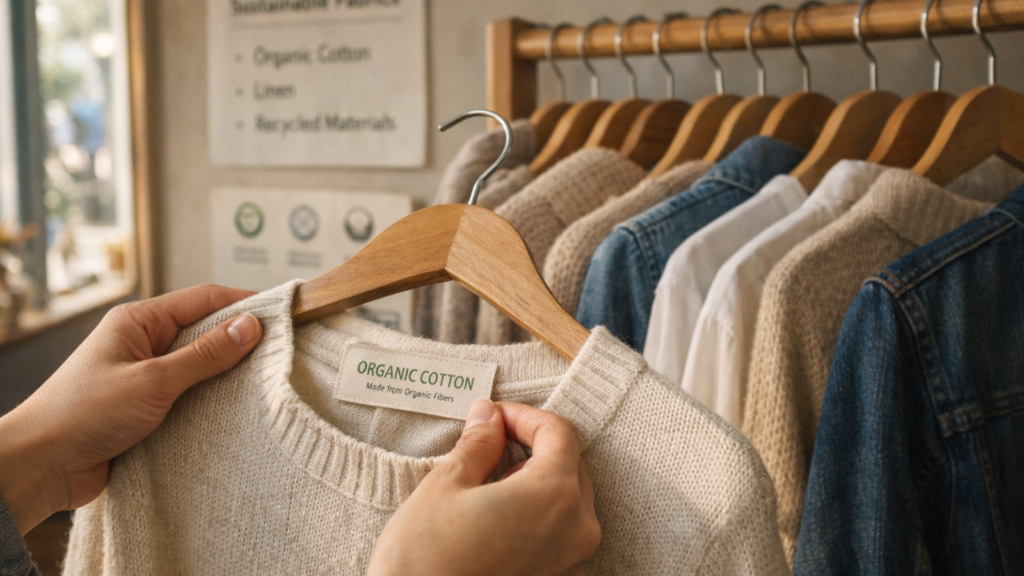
Start by auditing existing wardrobes to identify gaps and eliminate impulse purchases. Understanding actual needs prevents unnecessary consumption regardless of sustainability credentials. Maximise use of current possessions before acquiring new items.
Research brands thoroughly before making purchases, verifying sustainability claims independently. Company websites should provide specific information about materials, manufacturing locations, and certifications. Vague marketing language without concrete details suggests greenwashing rather than genuine commitment.
Prioritise versatile, high-quality basics that coordinate across multiple outfits easily. Neutral colours and classic silhouettes transcend seasonal trends, extending practical garment lifecycles. Investment in fewer, better pieces yields more sustainable outcomes than numerous cheap items.
Explore secondhand options through thrift stores, consignment shops, and online resale platforms. Pre-owned clothing offers excellent value while eliminating new production environmental impacts. Vintage discoveries provide unique style opportunities unavailable in contemporary retail.
Join clothing swaps or rental services to experiment with styles without permanent commitments. Community exchanges build social connections while promoting circular consumption patterns. Sharing resources reduces individual environmental footprints collectively.
Cost, Quality, and Durability: What Shoppers Care About Most
Initial sticker shock deters some consumers from sustainable fashion despite long-term value propositions. Psychological barriers exist when comparing prices to fast fashion alternatives directly. Education about total cost of ownership helps overcome immediate price resistance.
Superior construction techniques ensure eco-friendly garments withstand repeated wear and washing cycles. Reinforced seams, quality zippers, and durable fabrics justify higher upfront investments. Garments lasting 5 to 10 years cost less per wear than cheaply made alternatives requiring frequent replacement.
Natural fibres often improve with age, developing desirable patinas and softness over time. Synthetic fast fashion fabrics deteriorate rapidly, losing shape and colour after minimal use. Quality materials maintain appearance and function throughout extended lifecycles.
Shoppers increasingly calculate cost-per-wear when evaluating clothing purchases rationally. Expensive coat worn 200 times costs less per use than cheap jacket discarded after 10 wears. Mathematical frameworks support sustainable purchasing decisions financially.
Warranty programmes and repair services demonstrate brand confidence in product longevity. Companies standing behind merchandise quality attract customers seeking reliable investments. Lifetime guarantees eliminate perceived risks of higher-priced sustainable options.
Eco Labels and Certifications Consumers Should Know
Global Organic Textile Standard (GOTS) certifies organic fibre content and environmentally responsible processing throughout supply chains. Strict criteria cover chemical use, wastewater treatment, and social conditions. GOTS labels provide comprehensive assurance across environmental and ethical dimensions.
Fair Trade Certified ensures workers receive fair wages and safe working conditions. Independent audits verify compliance with labour standards and community development requirements. Premium pricing supports economic empowerment in producing regions.
OEKO-TEX Standard 100 tests finished products for harmful substances, ensuring consumer safety. Rigorous laboratory analysis screens for thousands of potentially toxic chemicals. Certification guarantees textiles meet stringent human-ecological requirements.
Cradle to Cradle Certified evaluates products across 5 categories (material health, material reutilisation, renewable energy, water stewardship, social fairness). Tiered system recognises varying achievement levels from basic to platinum. Holistic assessment encourages continuous improvement.
Bluesign certification focuses on sustainable chemical management throughout textile manufacturing. Approved input streams eliminate hazardous substances before production begins. System approach reduces environmental impact, occupational health risks, and consumer exposure simultaneously.
Sustainable Fashion Choices Across Different Regions Worldwide
European consumers lead global adoption of eco-friendly fashion, driven by strong regulatory frameworks. Extended Producer Responsibility (EPR) legislation holds brands accountable for product end-of-life management. Cultural values emphasising quality over quantity support sustainable consumption patterns.
North American markets show rapid growth in sustainable fashion interest, particularly among urban millennials and Gen Z. Resale platforms achieve mainstream acceptance faster than in other regions. However, vast geographical distances and car-dependent lifestyles complicate circular business models.
Asian markets present diverse sustainability landscapes varying dramatically between countries. Japan demonstrates strong environmental consciousness with minimal waste culture. China experiences explosive growth in eco-awareness among affluent urban populations despite massive fast fashion production.
Developing nations face unique challenges balancing economic development with environmental concerns. Garment manufacturing provides crucial employment and income for millions of workers. Sustainable transitions must address social equity alongside environmental goals.
Tropical climates require different fabric considerations than temperate regions, affecting sustainable material viability. Natural fibres like hemp and linen suit hot, humid environments better than synthetics. Regional adaptation ensures sustainability solutions remain practical and culturally appropriate.
The Future of Eco-Friendly Fashion Beyond 2025
Industry transformation continues accelerating as technology, regulation, and consumer demand converge powerfully. Systemic changes require collaboration across brands, governments, and civil society organisations. Long-term sustainability depends on reimagining fashion systems fundamentally rather than incremental improvements.
Will Sustainable Fashion Become the Industry Standard?
Regulatory pressure increases globally as governments implement mandatory sustainability reporting and circular economy requirements. European Union proposals include Digital Product Passports tracking environmental impact comprehensively. Compliance costs incentivise proactive sustainability investments across entire industries.
Competitive dynamics shift as sustainable practices become differentiating factors attracting conscious consumers. Brands ignoring environmental responsibility risk reputational damage and market share losses. First-movers gain strategic advantages as sustainability transitions from niche to mainstream expectation.
Investment communities increasingly evaluate Environmental, Social, and Governance (ESG) performance when allocating capital. Poor sustainability ratings limit access to financing and reduce company valuations. Financial incentives align corporate behaviour with environmental goals effectively.
Technological advancement makes sustainable production methods economically competitive with conventional alternatives. Economies of scale reduce costs as adoption rates increase industry-wide. Price parity eliminates primary barrier preventing mass-market sustainability adoption.
Generational wealth transfer ensures environmentally conscious consumers control increasing purchasing power proportions. Younger demographics refuse compromising values for convenience or savings. Market forces inevitably push industries toward sustainable standards matching consumer expectations.
Challenges Eco-Friendly Fashion Still Needs to Overcome
Scalability remains significant obstacle for many innovative sustainable materials and technologies. Laboratory successes don’t automatically translate to commercial production volumes meeting global demand. Infrastructure investments and supply chain development require years and substantial capital.
Greenwashing undermines consumer trust and creates confusion distinguishing genuine efforts from superficial marketing. Lack of standardised definitions allows misleading claims proliferating unchecked. Regulatory frameworks struggle keeping pace with creative corporate communications strategies.
Affordability gaps persist between sustainable and conventional fashion options for many consumers. Economic pressures prioritise immediate savings over long-term environmental benefits. Inclusive sustainability requires addressing price accessibility barriers systematically.
Global supply chains involve numerous intermediaries, complicating transparency and accountability efforts. Subcontracting obscures true production conditions and environmental practices. Traceability technologies help but implementing them universally across fragmented industries proves challenging.
Cultural resistance to reducing consumption levels conflicts with sustainability’s core requirements. Marketing industries profit from encouraging purchasing, creating misaligned incentives. Degrowth conversations remain controversial despite environmental necessity.
How Brands Can Stay Relevant in the Green Fashion Movement
Authentic commitment demonstrated through measurable actions builds credibility with sceptical audiences. Concrete targets, regular progress reports, and transparent challenges show genuine dedication. Performative sustainability gets exposed quickly by informed, connected consumers.
Innovative business models like rental, resale, and repair services expand beyond traditional retail approaches. Diversified revenue streams reduce dependence on new product sales exclusively. Circular systems create ongoing customer relationships while minimising environmental impact.
Collaborative partnerships with environmental organisations, competitors, and industry bodies accelerate systemic transformation. Shared initiatives address challenges beyond individual company capabilities. Collective action demonstrates leadership while advancing common sustainability goals.
Investment in materials research and development positions brands for future technological breakthroughs. Supporting innovation ecosystems ensures access to emerging sustainable solutions early. First-mover advantages reward proactive rather than reactive sustainability strategies.
Employee engagement programmes embed sustainability throughout organisational culture deeply. Staff training, incentive structures, and decision-making processes integrate environmental considerations systematically. Internal alignment ensures consistent external messaging and operational execution.
What Eco-Conscious Fashion Means for the Next Generation
Children growing up during climate crisis experience environmental challenges as fundamental reality shaping worldviews. Sustainability represents baseline expectation rather than aspirational ideal for emerging consumers. Industries failing to adapt face irrelevance as purchasing power shifts generationally.
Education systems increasingly emphasise systems thinking, lifecycle analysis, and circular economy principles. Environmental literacy becomes standard component of general education curricula. Future generations will demand sustainability competency from all sectors universally.
Career opportunities in sustainable fashion attract talented individuals seeking purposeful work. Young professionals prioritise employers demonstrating genuine environmental and social responsibility. Workforce quality depends on credible sustainability commitments increasingly.
Activism and consumer advocacy continue evolving with digital tools amplifying collective voices powerfully. Coordinated campaigns hold corporations accountable through organised boycotts and public pressure. Democratised information access prevents corporations hiding unethical or unsustainable practices.
Optimism exists that generational shifts drive transformative change succeeding where previous efforts faltered. Young people combine environmental urgency with technological fluency, creating powerful change potential. Future fashion systems may look radically different as sustainability becomes truly embedded.
Frequently Asked Questions
What does eco-friendly fashion mean in 2025?
Eco-friendly fashion encompasses clothing produced using sustainable materials, ethical labour practices, and minimal environmental impact. Production processes prioritise renewable resources, waste reduction, and circular business models. Transparency allows consumers to verify environmental and social claims independently.
Why is sustainable fashion becoming more popular?
Climate awareness, social media influence, and generational value shifts drive sustainable fashion adoption rapidly. Younger consumers demand transparency and environmental responsibility from brands consistently. Celebrity advocacy and visible environmental crises motivate behaviour changes globally.
How much does eco-friendly clothing cost compared to fast fashion?
Sustainable garments typically cost 30% to 100% more than fast fashion equivalents initially. However, superior durability and timeless design provide better long-term value. Cost-per-wear calculations often favour quality sustainable pieces over disposable alternatives requiring frequent replacement.
What materials are considered most sustainable for fashion?
Organic cotton, recycled polyester, Tencel, hemp, and innovative bio-materials lead sustainable textile options. Each material offers specific environmental benefits like water conservation, waste reduction, or biodegradability. Production methods matter as much as raw material selection for overall sustainability.
How can beginners start shopping sustainably?
Start by auditing existing wardrobes, prioritising secondhand options, and researching brand sustainability credentials thoroughly. Invest in versatile, high-quality basics rather than trendy pieces. Join clothing swaps and rental services to explore sustainable options affordably.
What certifications should consumers look for?
GOTS, Fair Trade Certified, OEKO-TEX Standard 100, Bluesign, and Cradle to Cradle represent credible third-party certifications. Each certification addresses specific environmental or social criteria rigorously. Multiple certifications provide comprehensive assurance across different sustainability dimensions.
Is sustainable fashion only for wealthy consumers?
Sustainable options exist across price points through secondhand shopping, clothing swaps, and accessible brands. Higher-quality items provide better long-term value despite increased upfront costs. Growing market competition drives prices downward, improving accessibility continuously.
How does circular fashion work?
Circular fashion keeps materials in use through resale, rental, repair, and recycling systems. Business models design out waste by creating closed-loop systems where products become resources for new manufacturing. Participation reduces individual environmental footprints significantly.
Will fast fashion disappear completely?
Fast fashion faces increasing pressure from regulations, consumer rejection, and competitive sustainable alternatives. Complete elimination seems unlikely short-term, but market share will likely decline substantially. Industry transformation toward sustainability accelerates as economic incentives align.
What challenges does sustainable fashion face?
Scalability limitations, greenwashing confusion, affordability gaps, supply chain complexity, and cultural consumption patterns present ongoing challenges. Solutions require technological innovation, regulatory frameworks, and systemic industry collaboration. Progress continues despite significant obstacles remaining.