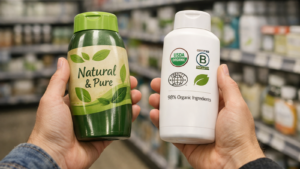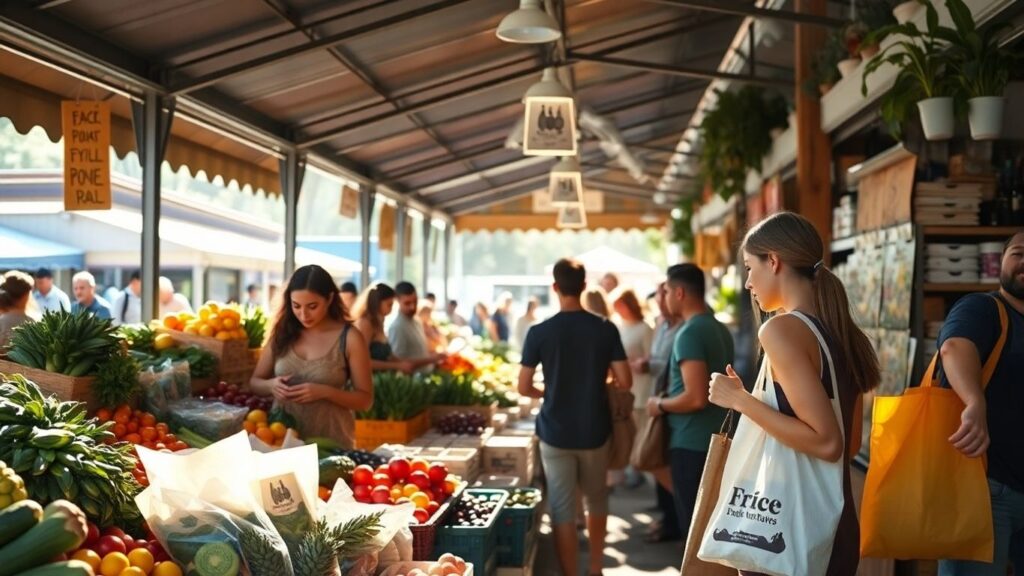
In recent years, the way people shop has undergone a major transformation. What used to be simple decisions based on price or convenience have now evolved into more thoughtful choices rooted in environmental and social awareness. Consumers are paying closer attention to where products come from, how they’re made, and the impact they have on the planet. This shift isn’t just a passing trend, it reflects a growing global movement toward sustainability that is reshaping entire industries. As more individuals prioritize eco-friendly options, businesses are being pushed to innovate, adapt, and operate with greater responsibility. The result is a marketplace where values matter as much as value, and where sustainability has become a defining factor in purchasing behavior.
Shifting Consumer Priorities Towards Sustainability
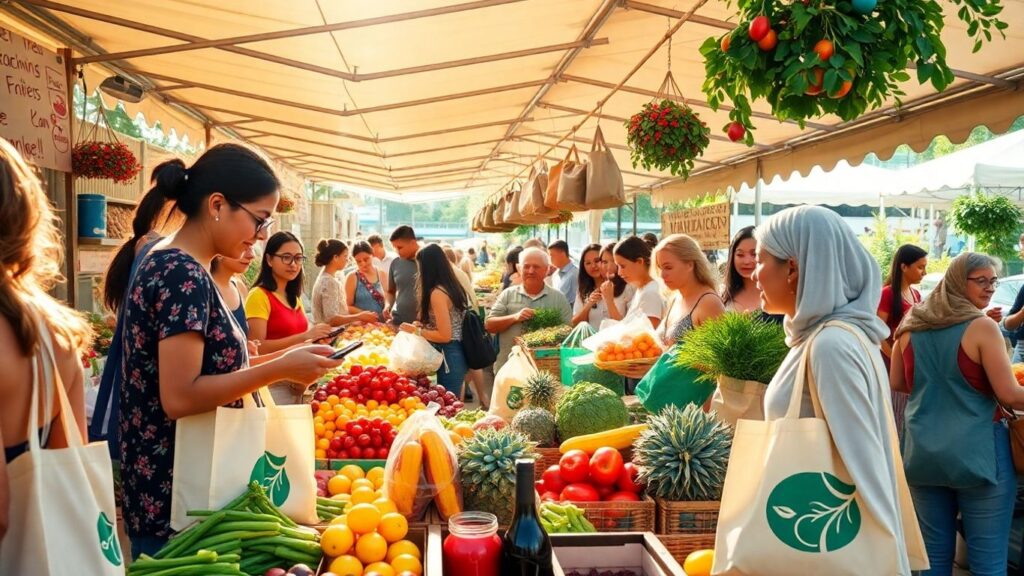
It feels like just yesterday we were all just buying whatever was cheapest or easiest to find. Now, things are different. People are really starting to think about where their stuff comes from and what impact it has. This isn’t just a small trend; it’s a big shift in how we all shop, and it’s making businesses rethink how they do things. The way we buy things is changing because we care more about the planet.
Growing Eco-Consciousness Post-Pandemic
The world slowed down during the pandemic, and for many, that meant more time to think. We started noticing the world around us more, and that included the environment. Suddenly, things like plastic waste and pollution seemed a lot more real. This has led to a rise in sustainable consumer trends, with more people actively looking for ways to reduce their footprint.
Generational Differences in Environmental Awareness
It’s not just one group driving this change, though. Younger folks, like Gen Z and Millennials, are often leading the charge. They grew up with more information about climate change and seem to have a stronger sense of responsibility. But it’s not just them; older generations are also paying more attention, especially when they see how environmental issues can affect their own health and well-being.
Here’s a quick look at how different age groups feel:
- Gen Z & Millennials: Often willing to pay more for sustainable products and expect brands to do better.
- Gen X & Boomers: Increasingly concerned, especially about health impacts and long-term environmental effects.
Regional Variations in Sustainable Purchasing
While the desire for sustainability is global, how it plays out can differ a lot depending on where you live. In some parts of the world, like Asia and Africa, people are very focused on environmental issues and are willing to make big changes in their buying habits. In other regions, like North America and parts of Europe, while awareness is growing, economic pressures can sometimes make it harder for people to prioritize eco-friendly choices.
The idea that buying green is always more expensive is slowly fading. While some sustainable items might still cost a bit more upfront, people are starting to see the long-term value and the benefits beyond just their wallet. This is pushing companies to find ways to make sustainable options more accessible.
The Economic Landscape of Eco-Friendly Choices
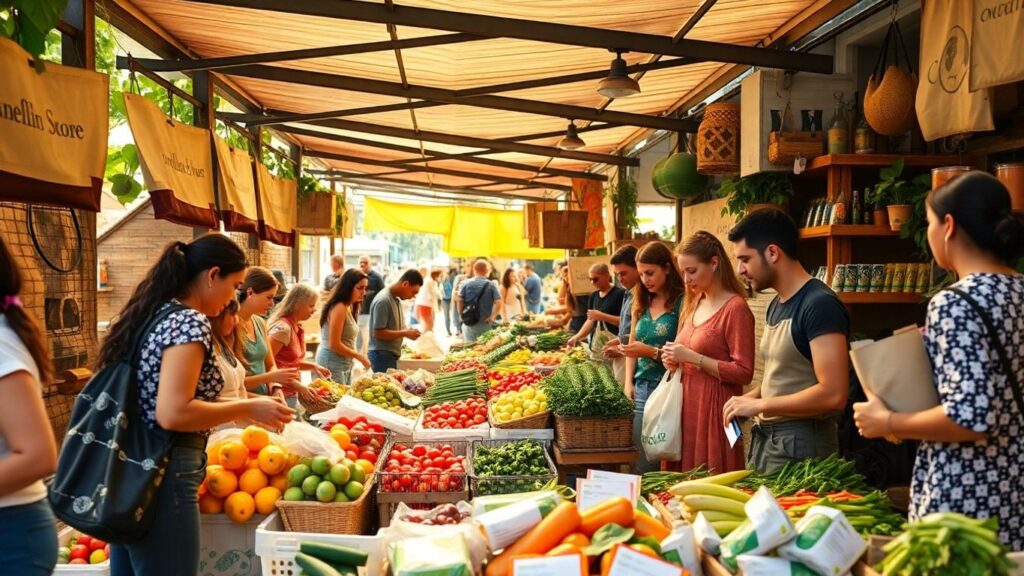
So, let’s talk about the money side of going green. It’s not always straightforward, is it? For a long time, eco-friendly products were seen as a bit of a luxury, something you bought if you had the extra cash. And honestly, sometimes they still are. Think about electric cars or organic food – they often come with a higher price tag.
Perceived Cost of Sustainable Goods
Most people think sustainable stuff costs more. And often, they’re right. Studies show that eco-friendly items can be quite a bit pricier than their regular counterparts. This perception is pretty widespread across different product types, from electronics to food.
- Electronics: 75% of consumers see these as more expensive.
- Food & Drink: 74% feel the same way.
- Home Furnishings & Personal Care: 72% agree.
Impact of Cost of Living on Premium Purchases
Now, here’s where things get tricky. With the cost of living going up everywhere, people are naturally looking to save money. This means fewer folks are willing to pay extra for those premium eco-friendly options. It’s a tough spot for brands trying to promote sustainability when people are just trying to make ends meet. We’ve seen a slight dip in how many people say they’ll pay more for green products, especially in places like the US and Europe. It makes sense, right? When your budget is tight, you often have to choose the cheaper option, even if it’s not the most environmentally sound one.
The current economic climate forces many consumers to prioritize affordability over environmental impact, making it harder for sustainable brands to compete on price alone. This shift means that even those who want to buy green might not be able to.
Willingness to Pay More for Ethical Brands
Despite the economic pressures, there’s still a significant chunk of the population that values ethical and sustainable brands. While the overall number might have dipped a bit, many consumers still believe it’s important to support companies that are trying to do good for the planet and society. In some regions, like Kenya and India, people are actually more willing to pay a premium for these kinds of products. It shows that for a lot of people, eco-friendly purchasing power is still a real thing, even if it’s being tested by current economic conditions. It’s a balancing act between what we can afford and what we believe in.
Key Drivers of Eco-Conscious Consumer Behavior
Ethical Sourcing and Fair Trade Importance
It’s not just about the planet anymore; people are really starting to care about the people behind the products too. This means looking into how things are made, who is making them, and if they’re being treated fairly. The impact of ethical shopping is huge. Many consumers now expect companies to be upfront about their supply chains. Think fair wages, safe working conditions, and no child labor. Brands that can show they’re doing good work in these areas tend to build a lot more trust.
Here’s a quick look at what matters:
- Fair Trade Practices: Ensuring workers get a fair deal.
- Human Rights: Upholding dignity and rights throughout the production process.
- Social Justice: Supporting communities and promoting equality.
Health and Well-being Link to Environmental Issues
Lots of us are connecting our own health with the health of the planet. It makes sense, right? If the environment is struggling, it’s likely to affect us too. Many people feel that environmental problems directly impact their well-being. Some even believe that buying more eco-friendly products will actually make them feel better physically. It’s a personal connection that’s driving some of these buying choices.
The Role of Transparency in Brand Trust
When it comes to trusting brands, being open about everything is key. Consumers want to know what’s in their products, where they came from, and how they were made. If a company is vague or seems to be hiding something, people get suspicious. Honesty about sourcing, manufacturing, and environmental impact builds a strong foundation for customer loyalty. It’s hard to feel good about buying something if you don’t know the full story. This is especially true for younger generations who are very vocal about wanting brands to be accountable. You can find more information on how companies are approaching this by looking at sustainability reports.
Consumers are increasingly looking beyond just the product itself. They want to feel good about the companies they support, considering factors like ethical labor, environmental stewardship, and transparent business practices. This shift means brands need to be more than just providers of goods; they need to be responsible global citizens.
Market Dynamics Influenced by Green Habits
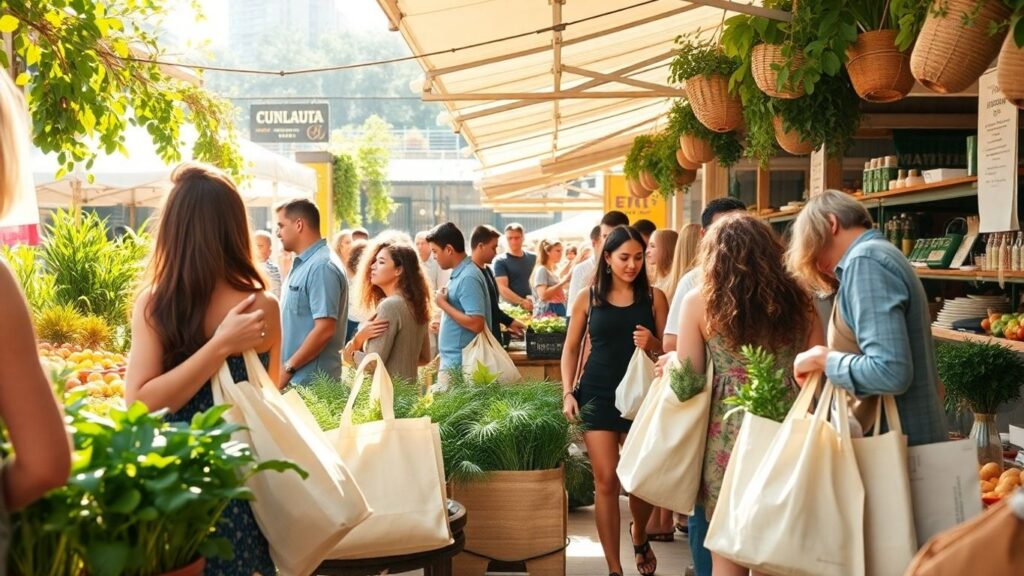
It’s pretty clear that the way we shop is changing, and a big part of that is our growing concern for the planet. This shift, often called green consumerism influence, is really shaking things up in the marketplace. Companies that used to just focus on price and quality are now having to think about their environmental impact too. It’s not just a niche thing anymore; it’s becoming mainstream.
Growth and Market Share of Sustainable Products
We’re seeing a definite uptick in products that are marketed as sustainable. They’re not just a small slice of the pie anymore. In fact, products with sustainability claims now hold a significant chunk of the overall market value, and this share has been growing steadily. What’s even more interesting is how much faster these green products are growing compared to their conventional counterparts. It shows that consumers are actively seeking out and choosing these options.
Online vs. In-Store Performance of Eco-Friendly Goods
When it comes to where these eco-friendly items are selling best, online platforms seem to have an edge. Many product categories see sustainable goods performing better in terms of market share when sold through e-commerce channels compared to brick-and-mortar stores. This could be because online stores have more space to detail a product’s green credentials, or maybe it’s just the demographic that tends to shop online more often.
Increased Searches for Sustainable Alternatives
Beyond just buying, people are actively looking for information. Global searches for terms related to sustainable products have shot up significantly in recent years. This indicates a growing curiosity and a desire to find better, more planet-friendly options. It’s not just about what’s available; it’s about consumers proactively seeking out alternatives that align with their values.
Here’s a quick look at how sustainable products are performing:
- Sustainable products now account for about 17% of total market value.
- This is a notable increase from just a few years ago.
- Their market growth share is substantial, outpacing conventional products significantly.
The willingness to reduce consumption to avoid environmental damage is high globally, though it varies by region. This suggests a broad consumer base is ready to make changes, influencing what companies need to offer.
Brand Strategies in a Sustainable Market
Competitive Advantage Through Sustainability
Brands that really lean into sustainability are finding they get a leg up on the competition. It’s not just about looking good; it’s about attracting customers who care. Think about it, products marketed as eco-friendly are already commanding a higher price, and this trend is only growing. Companies are putting sustainability front and center in their new product launches more and more each year.
Building Customer Loyalty with Eco-Practices
It turns out, being good to the planet can make people stick around. When brands are upfront and honest about their green efforts, customers notice. A big part of this is packaging. If a company uses eco-friendly packaging, a good chunk of shoppers say they’re more likely to buy from them again. It’s a pretty direct link between how things are wrapped up and whether people feel good about coming back for more.
Unlocking New Markets with Purpose-Driven Brands
Companies that have a clear mission beyond just making money are finding new doors opening. This focus on purpose helps them connect with consumers, especially younger folks and those with more disposable income who are actively looking for brands that align with their values. In fact, businesses with a strong sense of purpose are way more likely to expand into new areas and see significant growth compared to those that don’t.
Here’s a quick look at how some brands are doing it:
- Patagonia: They’re famous for using recycled materials and encouraging people to repair their gear through their “Worn Wear” program. They even donate a portion of their sales to environmental causes.
- Ikea: This company is working towards circular product designs and aims to be climate-positive by 2030, sourcing more sustainable materials and investing heavily in renewable energy.
- Natura: This cosmetics brand partners with Amazonian communities to ethically source ingredients, helping to conserve forests and support local families.
Many consumers are skeptical about sustainability claims. Brands need to be super transparent and show real proof of their efforts. Simply saying you’re green isn’t enough anymore; people want to see it in action and understand the impact.
The Influence of Home Working on Purchasing
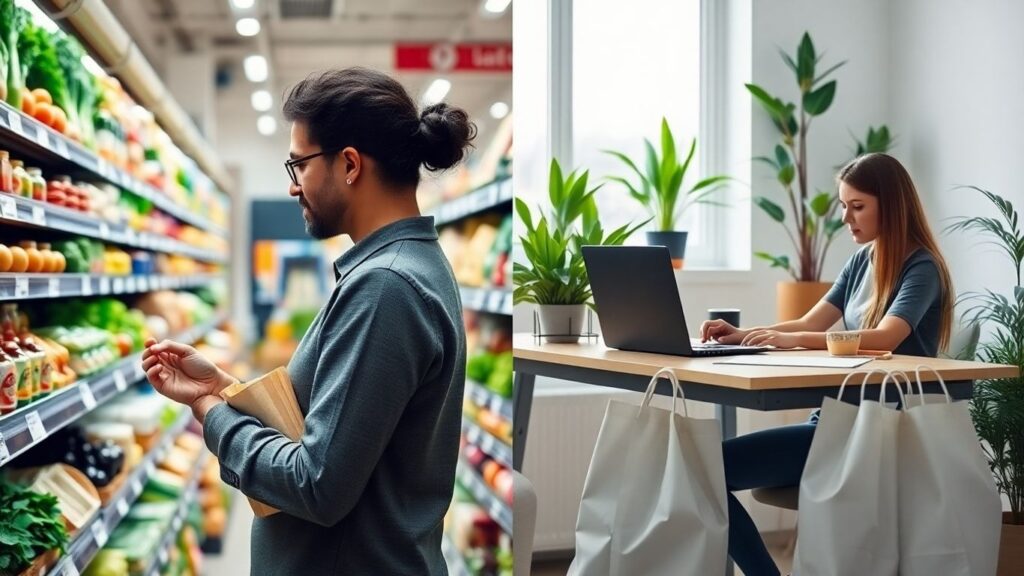
It’s pretty interesting how working from home has really changed what we buy and who we buy it from. When you’re not commuting or stuck in an office, you have more time to think about your choices, and it seems like a lot of people are using that time to be more mindful about their purchases. This shift has definitely made companies pay more attention to their environmental impact.
Home Workers’ Preference for Eco-Conscious Companies
Folks who work from home seem to be more likely to support businesses that show they care about the planet. Studies show a noticeable difference here. While 50% of people who don’t work from home buy from environmentally conscious companies, that number jumps to 62% for those who do. It’s a pretty clear signal that when we have more control over our daily routines, we tend to align our spending with our values. This trend is a big deal for businesses looking to connect with consumers in the modern digital economy.
Packaging Preferences of Remote Employees
It’s not just about the company’s mission; the actual products matter too. Remote workers are also showing a preference for less packaging or packaging that’s better for the environment. About 61% of home workers actively choose products with eco-friendly packaging, compared to 55% of those who work outside the home. This suggests that the convenience of online shopping, which often comes with a lot of packaging, is being balanced by a desire to reduce waste.
Biodegradable Product Choices Among Home Workers
Beyond packaging, there’s a broader move towards biodegradable and generally eco-friendly products. A significant 61% of home workers report buying more of these items, versus 50% of their non-remote counterparts. This indicates a deeper integration of sustainability into daily life for those working remotely. It’s like being at home gives people more opportunities to notice and act on environmental concerns, from the food they eat to the cleaning supplies they use.
Here’s a quick look at the differences:
- Eco-Conscious Companies: 62% of home workers vs. 50% of others.
- Eco-Friendly Packaging: 61% of home workers vs. 55% of others.
- Biodegradable Products: 61% of home workers vs. 50% of others.
The increase in environmentally friendly purchasing habits among remote workers isn’t just a passing trend. It reflects a deeper consideration of personal impact and a growing demand for corporate responsibility. Businesses that ignore this shift risk falling behind.
The Future is Green, and It’s Already Here
So, what does all this mean for the big picture? It looks like people are really starting to care more about where their stuff comes from and how it’s made. We’re seeing more folks choosing products that are kinder to the planet, and that’s definitely making companies pay attention. It’s not just a trend anymore; it’s changing how businesses operate and what they offer. While there are still hurdles, like the cost of some eco-friendly items, the overall direction is clear: consumers want better, and the market is slowly but surely shifting to keep up. It’s pretty exciting to think about what comes next as this movement continues to grow.
Frequently Asked Questions
Why are more people caring about the environment when they shop?
Lots of people are thinking more about how their choices affect the planet. After the pandemic, many realized how important nature is. Plus, news about climate change makes people want to help, so they look for products that don’t harm the Earth.
Do younger people care more about eco-friendly products than older people?
Generally, younger folks like Millennials and Gen Z are more interested in buying green. They often want to support companies that do good things for the planet. However, older generations are also starting to pay more attention, and sometimes they actually change their habits more than younger people.
Are eco-friendly products more expensive?
Many people think green products cost more, and sometimes they do. This can be tough when prices for everything are going up. But, people are finding ways to save, like using special online coupons for eco-friendly items. Also, the price difference isn’t always huge, and it’s getting smaller.
Does buying local help the environment?
Yes, buying local food is good for the environment! When things don’t have to travel far, less fuel is used, which means fewer bad gases in the air. People also like buying local because they know where the product came from and it helps businesses in their own town.
How important is it for companies to be honest about their green efforts?
It’s super important! People want to trust the brands they buy from. If a company says it’s eco-friendly, shoppers want proof. Being open about how things are made and what the company does for the planet helps build that trust. If a company isn’t honest, people might stop buying from them.
Do people who work from home buy differently than others?
Yes, people who work from home tend to be more interested in eco-friendly options. They often look for companies that care about the environment, buy products with less packaging, and choose things that are better for the Earth, like biodegradable items.