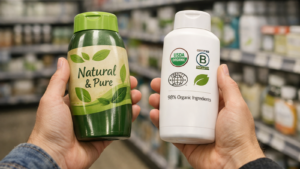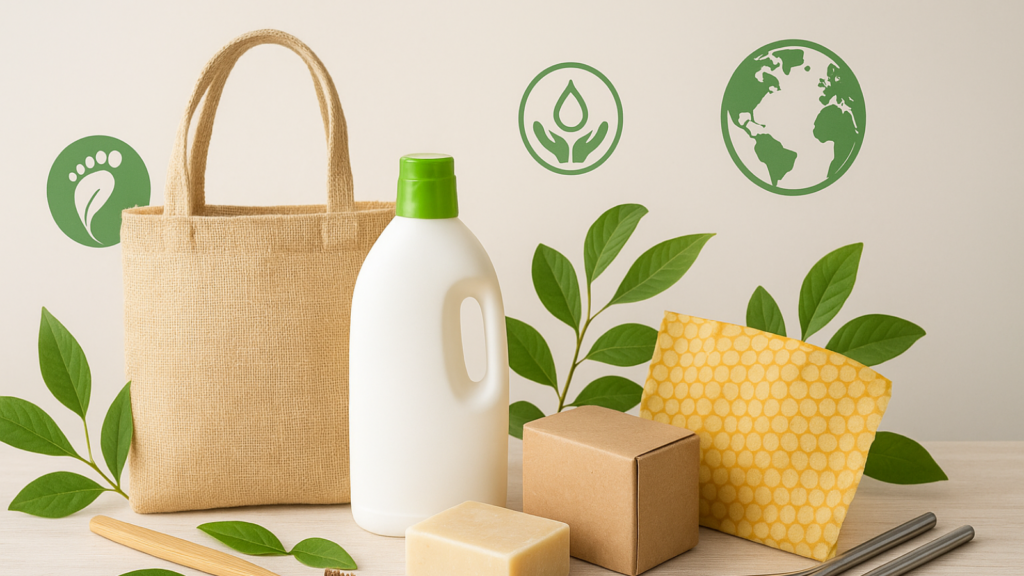
Every plastic toothbrush you’ve ever used still exists somewhere on Earth today. From your first childhood brush to last month’s replacement, each one will outlive you by centuries, potentially harming wildlife and polluting ecosystems for generations to come. Now multiply that single item by billions of people making similar choices daily across thousands of products. Overwhelming? Perhaps. But here’s the empowering truth, every conventional product contributing to environmental degradation has an eco-friendly alternative capable of reversing that damage.
In this blog post, you will discover how eco-friendly products help the environment, and explore practical examples. Whether you’re a student, a parent, or an entrepreneur, you’ll walk away with insights that empower you to make decisions that benefit both the planet and your community, creating a meaningful difference with every purchase.
Understanding Eco-Friendly Products and Their Environmental Impact
Eco-friendly products represent goods manufactured, packaged, and distributed with minimal environmental harm. Unlike conventional items, these sustainable alternatives prioritise renewable resources, reduce carbon footprints, and minimise waste throughout their lifecycle. From biodegradable cleaning solutions to reusable shopping bags, environmentally safe products offer practical ways to embrace green living.
Benefits of eco-friendly products extend far beyond personal health. Each sustainable choice creates ripples of positive change across multiple environmental systems. When consumers select green products, they support manufacturing processes that conserve water, reduce emissions, and protect biodiversity. Sustainable consumer goods demonstrate that quality and environmental responsibility can coexist beautifully.
Primary Ways Eco-Friendly Products Protect Our Environment
Environmental protection through sustainable product choices operates across multiple interconnected systems. Each eco conscious decision creates positive ripples affecting air quality, water purity, soil health, and biodiversity. Understanding these diverse protective mechanisms empowers consumers to make informed choices that address specific environmental challenges whilst contributing to holistic planetary wellbeing.
1. Reducing Pollution and Toxic Chemical Release
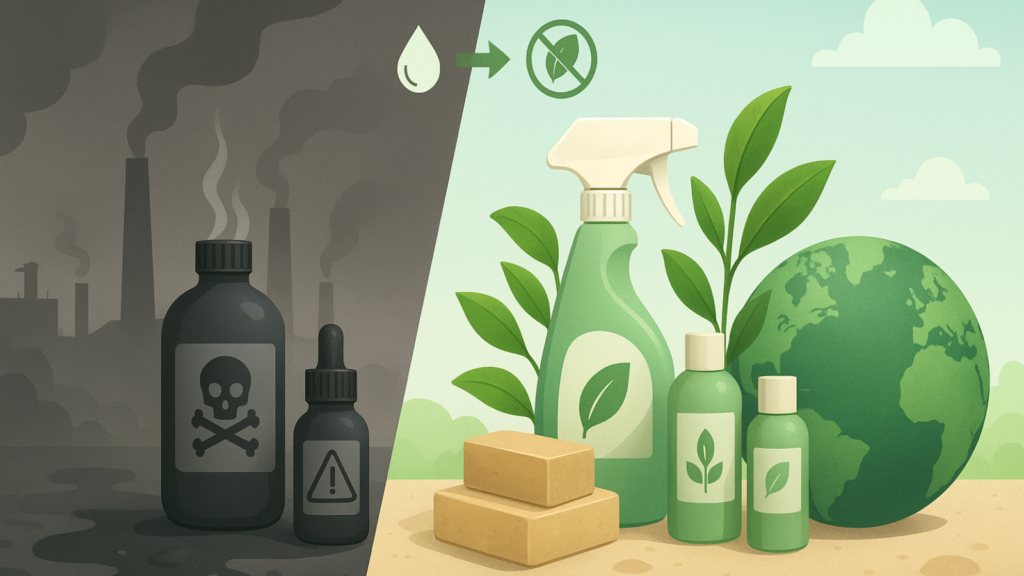
Conventional products often contain harmful chemicals that leach into soil, waterways, and air. Eco-friendly cleaning products, personal care items, and household solutions eliminate toxic ingredients, replacing them with natural, biodegradable alternatives. Organic products break down safely without leaving persistent pollutants that accumulate in ecosystems.
Students conducting science experiments can observe how environmentally friendly materials decompose faster than synthetic alternatives. Parents choosing eco-friendly products for kids protect both children’s health and local environments. Businesses implementing eco-friendly business practices reduce industrial pollution significantly, demonstrating corporate environmental responsibility.
2. Conserving Natural Resources Through Sustainable Materials
Resource depletion poses serious threats to planetary health. Eco friendly materials utilise renewable resources rather than finite fossil fuels or rare minerals. Bamboo, organic cotton, recycled metals, and reclaimed wood exemplify sustainable product design that works with nature rather than against ecological systems.
Impact of eco friendly products on resource conservation becomes evident when examining production processes. Sustainable manufacturing requires less water, energy, and raw materials. Eco friendly product manufacturing often incorporates closed-loop systems where waste from one process becomes input for another, mimicking nature’s circular efficiency.
3. Minimising Waste Through Reusable and Recyclable Design
Landfills overflow with single-use plastics and non-degradable materials. Zero waste products challenge this destructive pattern by emphasising durability, repairability, and recyclability. Reusable products like stainless steel water bottles, cloth shopping bags, and glass food containers dramatically reduce waste generation.
Eco friendly packaging revolutionises how products reach consumers. Compostable mailers, recyclable cardboard, and minimal packaging designs cut waste whilst protecting goods during transport. Environmentally safe alternatives to plastic packaging include mushroom-based materials, seaweed wraps, and plant-based bioplastics that decompose naturally.
4. Lowering Carbon Emissions and Climate Impact
Climate change demands urgent action from all sectors of society. Eco friendly energy solutions, sustainable transportation choices, and locally-sourced products collectively reduce carbon footprints. Green products manufactured using renewable energy create substantially lower emissions compared to fossil-fuel-dependent production.
Students learning about climate science can calculate emission reductions achieved through eco conscious shopping. Environmentally conscious consumers making daily sustainable product choices contribute to global emission reduction targets. Businesses adopting eco friendly supply chains demonstrate climate leadership whilst often reducing operational costs.
5. Protecting Biodiversity and Natural Habitats
Unsustainable harvesting practices destroy forests, coral reefs, and wildlife habitats. Eco friendly consumer products sourced through sustainable methods protect biodiversity by maintaining ecosystem integrity. Certified sustainable forestry, responsible fishing practices, and organic farming preserve habitats whilst meeting human needs.
Wildlife populations benefit when consumers choose eco conscious products over those contributing to deforestation or habitat fragmentation. Endangered species receive indirect protection through purchasing decisions that support conservation-minded suppliers. Students studying biology can connect product choices to ecosystem health, understanding interconnections between consumption and conservation.
6. Reducing Water Pollution and Conserving Freshwater Resources
Water scarcity affects billions globally, whilst pollution threatens aquatic ecosystems. Eco friendly household items require less water during manufacturing and eliminate chemicals contaminating water supplies. Sustainable agriculture methods reduce fertiliser and pesticide runoff devastating rivers, lakes, and oceans.
Phosphate-free detergents, natural soaps, and eco-friendly cleaning products prevent eutrophication, excessive nutrient pollution causing algal blooms that suffocate aquatic life. Families selecting water-conscious products contribute to freshwater conservation, particularly crucial in drought-prone regions. Businesses adopting water-efficient manufacturing processes demonstrate environmental stewardship whilst reducing operational costs.
7. Preventing Microplastic Accumulation in Ecosystems
Microplastics pervade ecosystems from ocean depths to mountain peaks, entering food chains and harming wildlife. Eco friendly alternatives to plastic eliminate this persistent pollution source. Natural fibres in clothing, biodegradable packaging, and plastic-free personal care products prevent microplastic release during washing and decomposition.
Students examining water samples can discover microplastic prevalence, making pollution tangible and personal. Parents choosing plastic-free products for children reduce exposure whilst modelling environmental responsibility. Entrepreneurs developing innovative plastic alternatives tap into growing markets whilst solving critical environmental challenges.
8. Improving Soil Health and Supporting Regenerative Agriculture
Soil degradation threatens food security and ecosystem stability. Organic products support farming practices that build soil health through composting, crop rotation, and avoiding synthetic chemicals. Healthy soils sequester carbon, filter water, and sustain diverse microbial communities essential for plant growth.
Compost-based fertilisers, natural pest management, and biodegradable mulches exemplify eco-friendly alternatives supporting soil vitality. Students learning about agriculture can observe how sustainable practices create resilient food systems. Families purchasing organic produce vote for farming methods that heal rather than deplete Earth’s living skin.
9. Reducing Air Quality Degradation and Respiratory Hazards
Air pollution causes millions of premature deaths annually whilst contributing to climate change. Environmentally safe products emit fewer volatile organic compounds (VOCs) and particulates during manufacturing and use. Low-VOC paints, natural cleaning solutions, and non-toxic building materials improve indoor and outdoor air quality.
Reducing fossil fuel dependence through sustainable transportation and renewable energy-powered manufacturing decreases smog, acid rain, and greenhouse gas concentrations. Students monitoring local air quality can correlate pollution levels with industrial activity and traffic patterns. Parents selecting non-toxic products protect children’s developing respiratory systems whilst supporting cleaner communities.
10. Minimising Ocean Acidification Through Reduced Emissions
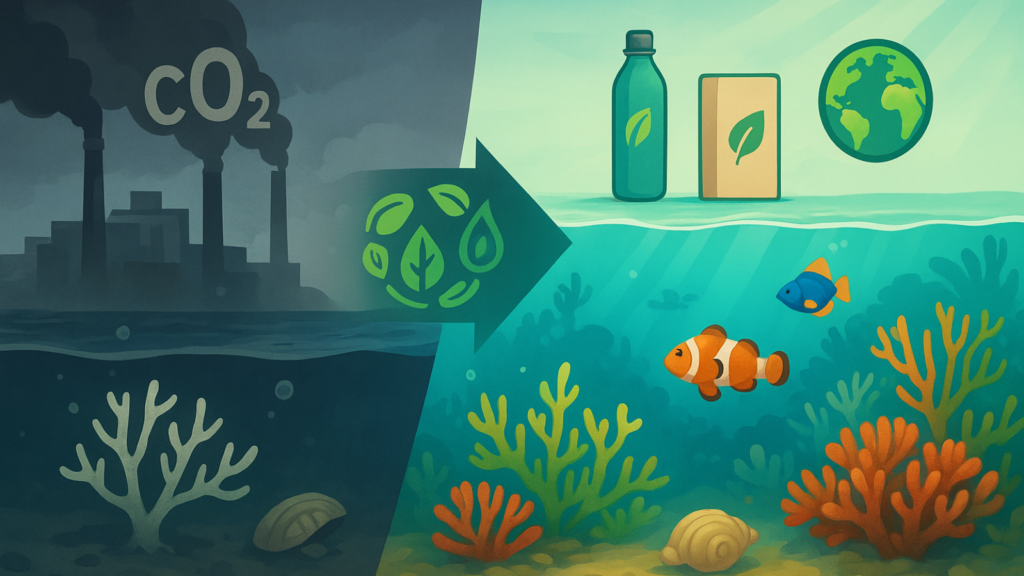
Ocean acidification caused by atmospheric carbon dioxide absorption threatens marine life, particularly shellfish and coral reefs. Green products and sustainability initiatives reducing carbon emissions indirectly protect ocean chemistry. Sustainable choices limiting fossil fuel consumption help maintain pH levels essential for marine ecosystem health.
Coral bleaching events, declining shellfish populations, and disrupted food webs demonstrate acidification impacts. Students studying marine biology can understand how terrestrial consumption patterns affect ocean ecosystems. Businesses implementing carbon reduction strategies through eco friendly product choices contribute to ocean protection whilst demonstrating climate leadership.
11. Preventing Hazardous Waste Accumulation
Electronic waste, batteries, and chemical products create hazardous waste requiring specialised disposal. Eco friendly technology and properly designed products minimise toxic components whilst facilitating recycling. Modular designs allowing component replacement rather than complete disposal reduce electronic waste significantly.
Rechargeable batteries, non-toxic paints, and products designed for disassembly exemplify hazard reduction strategies. Students learning about waste management can understand proper disposal importance and advocate for extended producer responsibility policies. Entrepreneurs creating take-back programmes demonstrate environmental accountability whilst building customer loyalty.
12. Supporting Pollinators and Agricultural Ecosystems
Pollinators, bees, butterflies, birds, face population declines threatening food production. Pesticide-laden conventional products harm pollinators directly and indirectly through habitat destruction. Sustainable product choices supporting organic agriculture protect pollinator populations essential for ecosystem functioning and crop production.
Pesticide-free gardens, native plant landscaping, and organic food purchases create pollinator-friendly environments. Students establishing school gardens can observe pollinator interactions whilst growing food sustainably. Families choosing organic products support farming practices that work with nature rather than against beneficial insects.
13. Reducing Noise Pollution in Natural and Urban Environments
Often overlooked, noise pollution disrupts wildlife communication, navigation, and breeding whilst affecting human health. Eco friendly gadgets and appliances operate more quietly through efficient design. Electric vehicles, energy-efficient appliances, and thoughtfully designed products reduce ambient noise levels.
Wildlife populations sensitive to acoustic disturbance benefit from quieter technologies. Students studying urban ecology can measure noise pollution impacts on bird populations and human wellbeing. Businesses selecting quieter equipment create better working environments whilst reducing environmental disturbance.
14. Preserving Indigenous Knowledge and Traditional Practices
Many eco-friendly products draw upon traditional ecological knowledge developed over generations. Supporting indigenous and local producers preserves cultural heritage whilst promoting sustainable resource management. Eco friendly materials often reflect time-tested practices working harmoniously with local ecosystems.
Fair trade products, traditional crafts, and indigenous-led conservation initiatives combine cultural preservation with environmental protection. Students learning about different cultures can appreciate diverse sustainability approaches. Consumers supporting indigenous producers promote both biodiversity conservation and social justice.
Key Benefits of Eco Friendly Products
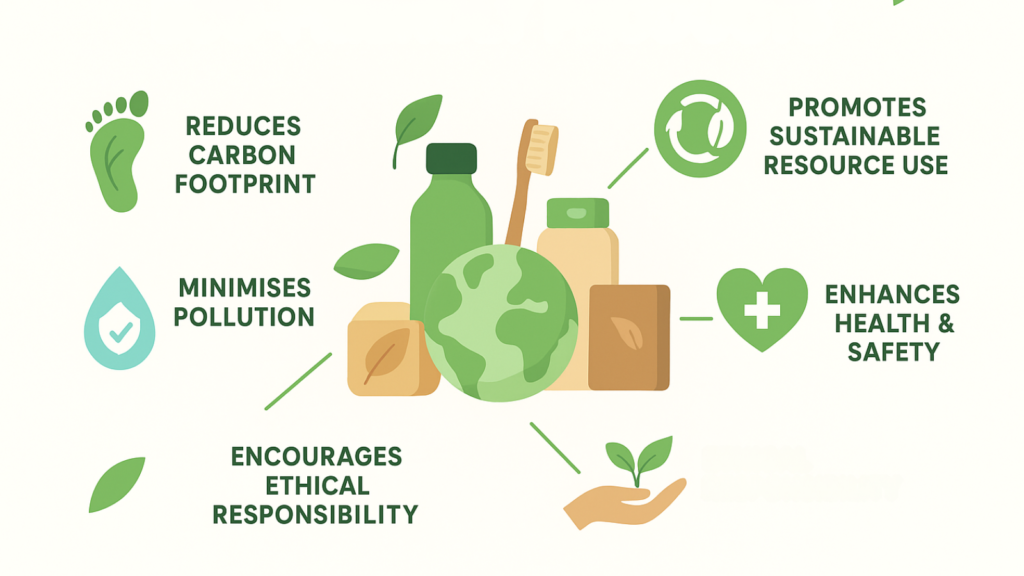
Understanding the eco friendly product benefits helps highlight why individuals and businesses should invest in sustainable alternatives. Benefits extend beyond environmental impact to include health, economic savings, and ethical considerations.
1. Reduces Carbon Footprint
Eco conscious products often consume less energy, require fewer non-renewable materials, and generate lower emissions during production. Using eco friendly products for home such as LED lighting, energy-efficient appliances, and smart thermostats contributes to reducing carbon footprint significantly.
2. Promotes Sustainable Resource Use
Sustainable materials like bamboo, organic cotton, and recycled plastics conserve natural resources. Sustainable products and environment go hand in hand by reducing the extraction of virgin resources, preserving biodiversity, and maintaining ecological balance.
3. Minimises Pollution
Many eco friendly consumer products are biodegradable or recyclable, preventing harmful substances from contaminating soil, water, and air. Products with eco friendly packaging reduce landfill waste and encourage circular economy practices.
4. Enhances Health and Safety
Eco friendly products for personal care, cleaning, and food reduce exposure to toxic chemicals and synthetic additives. Eco friendly products for health ensure safer choices for families, children, and pets.
5. Encourages Ethical and Social Responsibility
Supporting eco friendly product brands promotes ethical manufacturing practices, fair trade, and environmentally conscious business operations. This fosters eco friendly product initiatives that benefit communities and ecosystems worldwide.
The Environmental Impact of Eco Friendly Products
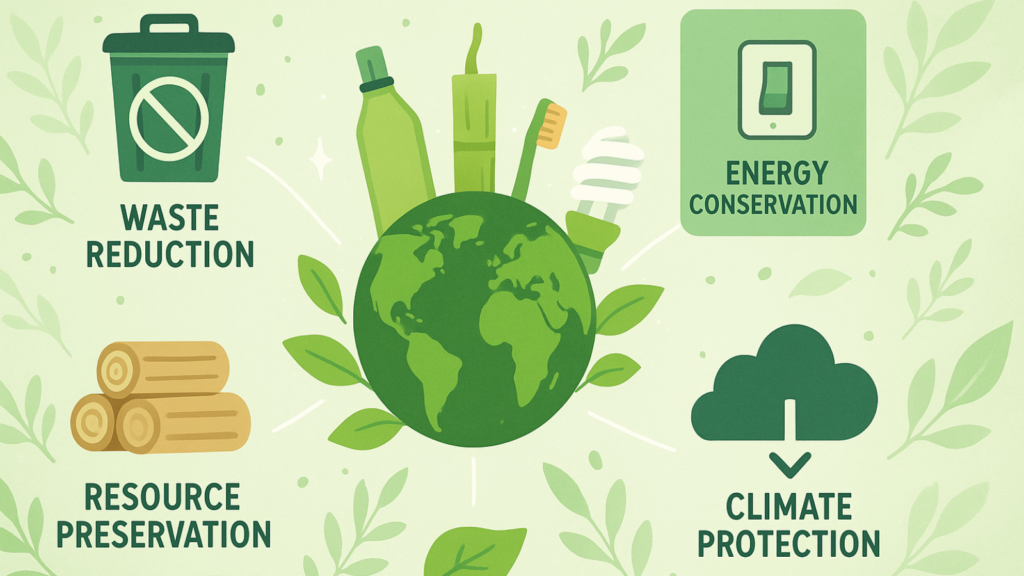
Understanding the impact of eco friendly products reinforces their significance for the planet. Key environmental contributions include:
1. Waste Reduction
Biodegradable, reusable, and recyclable products minimise landfill accumulation and reduce pollution. Implementing eco friendly alternatives to plastic is a major strategy to protect oceans and wildlife.
2. Energy Conservation
Using energy-efficient appliances, renewable energy solutions, and eco friendly technology lowers greenhouse gas emissions and reliance on fossil fuels.
3. Resource Preservation
Sustainable materials and responsible production techniques ensure renewable resources are maintained, supporting ecosystems and biodiversity.
4. Climate Change Mitigation
Collectively, eco friendly product choices reduce carbon emissions, contributing to global efforts against climate change.
Benefits of Adopting an Eco Friendly Lifestyle
Transitioning toward sustainable living extends advantages far beyond environmental protection alone. Personal health improvements, financial savings, and meaningful contribution to global solutions create compelling reasons for embracing eco conscious choices. Families, students, and businesses discover that green living enhances quality of life whilst safeguarding planetary futures for coming generations.
Personal Health Improvements
Eco friendly lifestyle products typically contain fewer synthetic chemicals, reducing exposure to potential toxins. Natural cleaning products eliminate harsh fumes that irritate respiratory systems. Organic food products grown without pesticides offer nutritional benefits whilst supporting regenerative agriculture.
Families adopting sustainable living practices often report improved indoor air quality, fewer allergic reactions, and enhanced overall wellbeing. Children raised in eco conscious households develop healthier habits and environmental awareness from early ages.
Financial Savings Through Sustainable Choices
Contrary to assumptions, eco-friendly product usage frequently reduces expenses. Reusable products eliminate repeated purchases of disposable alternatives. Energy-efficient appliances and lighting substantially lower utility bills. Buying quality items that last reduces replacement costs significantly.
Students on limited budgets discover second-hand shopping, DIY cleaning solutions, and minimalist consumption patterns stretch resources further whilst reducing environmental impact. Eco friendly shopping tips often emphasise quality over quantity, durability over disposability.
Contributing to Global Environmental Solutions
Individual actions collectively create massive impact. Eco friendly product importance transcends personal benefits, contributing to broader environmental movements. Each sustainable choice votes for different production systems, encouraging manufacturers to adopt greener practices through market demand.
Environmentally conscious consumers wielding purchasing power drive eco friendly product trends shaping entire industries. Businesses respond to consumer preferences, creating positive feedback loops where demand for sustainable alternatives accelerates green product innovation.
Examples of Eco Friendly Products Across Daily Life
Consumers today have a variety of eco friendly daily products to choose from, making sustainable living easier than ever. Here are some popular categories:
1. Household Items
Eco friendly household items include energy-efficient appliances, low-flow showerheads, water-saving taps, and natural cleaning agents. Reusable kitchen wraps, compostable trash bags, and recyclable storage containers reduce waste while maintaining functionality.
2. Personal Care and Health
Eco friendly personal care products encompass organic soaps, biodegradable toothbrushes, refillable shampoo bottles, and natural skincare. Families can also select eco friendly products for kids, such as non-toxic toys and sustainable school supplies.
3. Fashion and Accessories
Sustainable fashion uses eco friendly materials like organic cotton, recycled polyester, and bamboo fabrics. Consumers can embrace eco friendly alternatives to fast fashion by choosing ethically sourced clothing, footwear, and accessories.
4. Technology and Gadgets
Energy-efficient gadgets, solar-powered devices, and eco friendly technology reduce energy consumption and electronic waste. These solutions also support eco friendly business practices, especially in offices adopting sustainable tools.
5. Food and Packaging
Eco friendly food products prioritise local sourcing, organic cultivation, and minimal packaging. Choosing biodegradable or recyclable containers is an effective strategy to reduce environmental impact.
Conclusion
How do eco-friendly products help the environment? By reducing pollution, conserving resources, minimising waste, and lowering carbon emissions, sustainable alternatives create meaningful positive impacts across ecosystems. From biodegradable materials breaking down safely to reusable products eliminating waste streams, environmentally safe products demonstrate that consumer choices powerfully influence planetary health.
Starting sustainability journeys need not overwhelm. Small, consistent changes compound over time, creating substantial cumulative impacts. Whether selecting eco friendly household items, supporting sustainable brands, or advocating for systemic change, every action contributes to healthier ecosystems and more sustainable futures.
Frequently Asked Questions
1. What makes a product truly eco friendly?
Genuine eco friendly products minimise environmental harm throughout their lifecycle from raw material sourcing through manufacturing, usage, and disposal. Look for renewable materials, non-toxic ingredients, minimal packaging, energy-efficient production, and biodegradable or recyclable components. Third-party certifications like Fair Trade, B Corporation, or USDA Organic provide verification of environmental claims.
2. Are eco friendly products more expensive than conventional alternatives?
Initial costs sometimes exceed conventional products, but lifecycle economics often favour sustainable choices. Durable, reusable items eliminate repeated purchases of disposables. Energy-efficient appliances reduce utility bills substantially. Quality eco friendly products typically last longer, reducing replacement costs. Many sustainable options like reusable bags or water bottles quickly pay for themselves through eliminating disposable purchases.
3. How can students make eco friendly choices on limited budgets?
Students can prioritise high-impact, low-cost changes like reusable water bottles, shopping bags, and refillable pens. Second-hand shopping, library borrowing, and digital resources reduce consumption affordably. DIY cleaning solutions using vinegar and bicarbonate of soda cost pennies. Organising supply swaps with classmates extends product lifecycles. Many sustainable choices actually save money compared to disposable alternatives.
4. Do eco friendly products really make a difference to the environment?
Absolutely. Collective consumer choices drive market transformation and manufacturing practices. Research shows that if every UK household replaced one conventional cleaning product with an eco friendly alternative, millions of kilograms of chemicals would be prevented from entering waterways annually. Individual actions aggregate into massive systemic change, particularly as sustainable markets grow and economies of scale reduce costs.
5. How can parents introduce eco friendly products safely for children?
Start with certified non-toxic, hypoallergenic products specifically designed for children. Choose organic cotton clothing, wooden toys without toxic finishes, and natural personal care items. Read ingredient lists carefully, avoiding synthetic fragrances, parabens, and phthalates. Involve children in selecting eco friendly alternatives, teaching environmental values through practical participation. Gradual transitions allow testing products for individual sensitivities.
6. What are the easiest eco friendly swaps for beginners?
Begin with reusable shopping bags, water bottles, and coffee cups, simple changes with immediate waste reduction. Switch to LED bulbs for energy savings. Choose bar soaps instead of liquid dispensers. Use cloth napkins rather than paper. Select concentrated cleaning products reducing packaging. Replace plastic wrap with beeswax wraps. These straightforward swaps require minimal effort whilst delivering measurable environmental benefits.
7. How can businesses benefit from using eco friendly products?
Businesses gain competitive advantages through reduced operating costs (energy-efficient equipment, minimal waste), enhanced brand reputation attracting conscious consumers, improved employee morale and recruitment, compliance with evolving environmental regulations, and access to growing sustainable markets. Corporate sustainability often drives innovation, efficiency improvements, and long-term resilience whilst demonstrating social responsibility.
8. Are all products labelled “eco friendly” genuinely sustainable?
Unfortunately, greenwashing misleading environmental marketing remains prevalent. Verify claims through third-party certifications, transparent ingredient disclosure, and company sustainability reports. Be sceptical of vague terms like “natural” or “green” without specific evidence. Research brands’ overall environmental practices beyond individual product claims. Consumer reviews and independent testing provide additional verification of genuine sustainability.
9. Can eco friendly products perform as well as conventional options?
Modern eco friendly products often match or exceed conventional performance whilst eliminating harmful ingredients. Natural cleaning products effectively remove dirt and bacteria. Organic clothing offers durability and comfort. Energy-efficient appliances provide superior functionality with lower consumption. Sustainable technology delivers innovation without environmental compromise. Quality varies by brand, so research and reviews help identify high-performing options.
10. Where can consumers find reliable eco friendly products?
Eco friendly products are increasingly available through mainstream retailers, dedicated sustainable shops, online marketplaces specialising in green products, farmers markets, and refill stations. Research brands’ websites for direct purchases. Local zero-waste shops offer package-free alternatives. Online directories and apps help locate sustainable options. Community groups often share recommendations for trustworthy eco friendly brands and retailers.