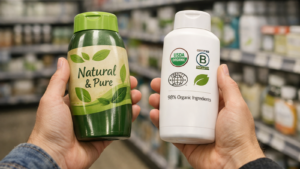
These days, people really care about the planet. It’s not just a trend anymore; it’s a big deal for shoppers. Over 70% of consumers say they’ll pay more for products that are good for the environment. This is a huge chance for brands. To market eco-friendly products and get more people to buy them, you need to be smart. It’s all about talking directly to your customers, knowing who you’re trying to reach, and showing that your brand truly cares about sustainability. This guide will help you figure out how to do just that, from understanding what people want to creating a message that sticks.
Key Takeaways
- Understand who the eco-conscious consumer is and what drives their buying choices. Knowing their motivations helps you connect better.
- Build a real story around your brand’s commitment to the environment. Authenticity is key; don’t just say you’re green, show it.
- Be upfront about your sustainable practices, from where you get your materials to how you package your products. Transparency builds trust.
- Use packaging and supply chains that are kind to the planet. This includes using recycled materials and reducing your carbon footprint.
- Connect with your audience through channels they use, like social media and email, and share your sustainability journey to build lasting loyalty.
Understanding the Eco-Conscious Consumer Landscape
Okay, so the world is changing, right? More and more people are starting to think about their impact on the planet. It’s not just a niche thing anymore; it’s becoming mainstream. This means the way we shop and what we look for in products is shifting.
Recognizing Evolving Market Trends
We’re seeing a big move towards products that are better for the environment. Think less plastic, more natural ingredients, and companies that seem to actually care about what they’re putting out into the world. It’s like a quiet revolution happening in our shopping carts. Brands that ignore this shift are going to get left behind.
Identifying Key Consumer Motivations
Why are people suddenly so into ‘green’ stuff? Well, it’s a mix of things. Some folks are genuinely worried about climate change and want to do their part. Others are looking for healthier options for themselves and their families, figuring that ‘natural’ often means ‘better’. And let’s be honest, sometimes it’s just about looking good and being part of a movement that feels positive. It’s all about eco conscious consumer engagement.
Here’s a quick look at what’s driving people:
- Environmental Concern: Worry about pollution, waste, and climate change.
- Health and Wellness: Desire for natural, non-toxic products.
- Ethical Considerations: Wanting to support fair labor and responsible business practices.
- Social Signaling: Aligning with a positive, forward-thinking image.
Understanding Demand Across Industries
This isn’t just about reusable water bottles or organic cotton shirts anymore. The demand for eco-friendly options is popping up everywhere. From the food we eat to the cars we drive, and even the tech we use, companies are being pushed to offer greener choices. It’s a broad wave, and different industries are feeling it in their own ways.
For example, in the beauty industry, there’s a huge push for clean ingredients and minimal packaging. In fashion, it’s about sustainable materials and ethical production. Even in tech, we’re seeing more focus on energy efficiency and repairability. It’s a complex picture, but the overall trend is clear: people want better, more responsible options, no matter what they’re buying.
Crafting an Authentic Sustainability Narrative

Okay, so you’ve got an eco-friendly product. That’s great! But just saying it’s green isn’t enough anymore. People are pretty smart and can spot a fake a mile away. You need to tell a real story about why your brand cares about the planet and what you’re actually doing about it. It’s about connecting with people on a deeper level, not just selling them something.
Leveraging Brand Storytelling for Connection
Think about your brand’s journey. How did you get into making eco-friendly products? Was there a specific moment or a problem you wanted to solve? Sharing these details makes your brand human and relatable. People connect with struggles and triumphs, especially when they align with their own values. Don’t just list facts; weave a narrative. Maybe it was a founder’s personal experience with waste, or a realization about the impact of traditional manufacturing. Whatever it is, make it genuine.
- Start with your ‘why’: What sparked your commitment to sustainability?
- Share the journey: Talk about the steps you’ve taken, even the small ones.
- Be honest about challenges: Nobody’s perfect. Admitting difficulties builds trust.
- Show the people behind the brand: Let your team’s passion shine through.
People buy into stories more than they buy into products. When your brand’s narrative is built on a foundation of genuine environmental concern, it creates an emotional bond that goes beyond a simple transaction. This connection is what turns a one-time buyer into a loyal customer.
Educating Consumers on Product Benefits
It’s not enough to say your product is good for the earth; you also need to explain how it benefits the customer. Are there health advantages? Does it save them money in the long run? Is it more durable? Break down the advantages clearly. Use simple language and avoid overly technical terms. Visual aids like infographics or short videos can really help here. For example, if you use recycled materials, explain what that means for the product’s quality and the environment.
Here’s a quick look at common benefits:
| Benefit Type | Examples |
| Environmental | Reduced waste, lower carbon footprint, less water usage |
| Personal Health | Non-toxic materials, allergen-free |
| Durability & Quality | Longer lifespan, better performance |
| Cost Savings | Energy efficiency, reduced maintenance |
Addressing Misconceptions About Eco-Products
Let’s be real, there are some common myths about eco-friendly products. People sometimes think they’re more expensive, less effective, or just a marketing gimmick. You need to tackle these head-on. If your product has a higher upfront cost, explain why. Is it because of better quality materials, ethical labor, or a more sustainable production process? Show that the value goes beyond the price tag. Transparency is key here. If a product performs just as well, or even better, than its conventional counterpart, make sure people know it. Don’t shy away from comparisons if they highlight your product’s strengths. Proving your eco-claims with data or certifications can go a long way in overcoming skepticism.
Implementing Transparent Eco-Friendly Practices
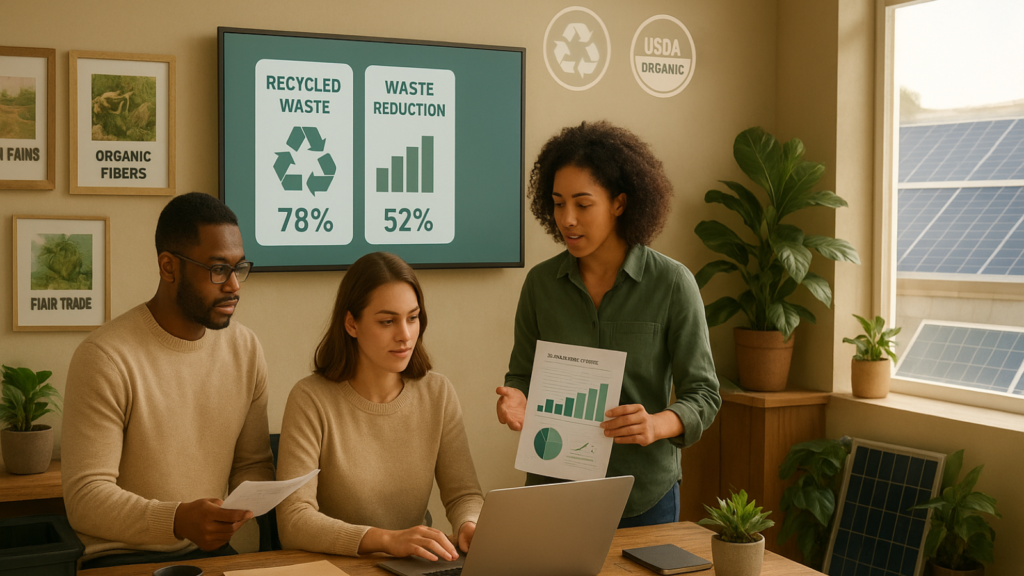
Being upfront about your company’s green efforts is super important. It’s not just about saying you’re eco-friendly; it’s about showing it. Consumers today are pretty smart and can spot a fake green claim from a mile away. So, you’ve got to back up your words with real actions and be open about them.
Showcasing Environmental Responsibility
This means letting people know what you’re doing to lessen your impact on the planet. Think about things like:
- Recycling programs: Are you actively recycling waste in your facilities?
- Waste reduction: How are you cutting down on trash generated during production or operations?
- Renewable energy: Are you using solar, wind, or other clean energy sources?
Sharing these initiatives builds trust and shows you’re serious about sustainability. It’s about more than just the product itself; it’s about the whole operation.
Highlighting Ethical and Local Sourcing
Where your materials come from matters a lot. If you’re using materials that are sourced locally, are organic, or are fair-trade certified, shout about it! This not only cuts down on the miles your materials travel (which is good for emissions) but also supports smaller businesses and communities. It’s a win-win.
- Local Sourcing: Reduces transportation emissions and supports local economies.
- Organic Materials: Avoids harmful pesticides and supports healthier ecosystems.
- Fair-Trade Certified: Ensures workers are treated and paid fairly.
Demonstrating Commitment Through Certifications
Certifications are like a stamp of approval from a trusted third party. They give your eco-claims real weight. Things like Fair Trade, USDA Organic, or Energy Star certifications provide concrete proof that you’re meeting certain environmental or ethical standards.
When you have these certifications, display them proudly. They act as a clear signal to consumers that your commitment to sustainability isn’t just marketing fluff. It’s a verifiable fact that helps cut through the noise and skepticism.
Getting these certifications can sometimes be a bit of a process, and there might be initial costs involved, but the credibility they bring is often well worth the investment. It helps consumers feel confident in their choice to support your brand.
Optimizing Packaging and Supply Chain for Sustainability
Making your products eco-friendly isn’t just about what’s inside the box; it’s also about the box itself and how it gets to your customer. Think about it: a product made from recycled materials arriving in a giant plastic container? That just doesn’t send the right message. We need to look at the whole picture, from the materials we use for packaging to how we get our goods from point A to point B.
Adopting Sustainable Packaging Materials
This is where you can really show your commitment. Moving away from single-use plastics and opting for materials that are either recycled, recyclable, or biodegradable makes a big difference. It’s not just about looking good; it’s about reducing waste and conserving resources. Consumers are noticing this, and it can be a real selling point. There are tons of options out there now, from mushroom-based packaging to compostable mailers. Choosing the right materials can significantly cut down on your environmental impact.
Reducing the Carbon Footprint of Production
This part can feel a bit more complex, but it’s super important. It means looking at your entire production process and figuring out where you can cut down on emissions. This could involve using renewable energy sources in your factories, optimizing manufacturing processes to use less energy, or even working with suppliers who are also committed to reducing their carbon footprint. It’s about making smarter choices at every step. For instance, consolidating shipments or using more efficient transportation methods can also play a role. You can find practical advice on navigating sustainable packaging.
Utilizing Eco-Friendly Printing Methods
Even the ink on your packaging matters. Traditional printing inks can contain harmful chemicals. Switching to soy-based or vegetable-based inks is a much greener alternative. These inks are less toxic and often break down more easily, reducing pollution. It’s a small change that, when combined with other sustainable practices, adds up to a more responsible brand image. Think about it: if your packaging is made from recycled paper, using eco-friendly ink just makes sense.
Engaging Audiences Through Targeted Marketing Channels

So, you’ve got these great eco-friendly products, but how do you actually get them in front of the people who care? It’s not enough to just make good stuff; you’ve got to talk about it in the right places and in the right way. This is where smart marketing channels come into play. Think of it like this: you wouldn’t try to sell ice cream in the Arctic, right? You need to find your audience where they are and speak their language.
Developing Content Marketing Strategies
Content is king, as they say, and for eco-conscious consumers, it’s even more true. They’re not just looking for a product; they’re looking for information, for validation, and for a brand that aligns with their values. So, what kind of content works?
- Blog Posts and Articles: These are your bread and butter for explaining things. You can write about the benefits of your sustainable materials, how your product helps reduce waste, or even share tips for a more eco-friendly lifestyle. Make sure to use keywords people actually search for, like “recycled plastic alternatives” or “organic cotton benefits.” This helps people find you when they’re looking for solutions.
- Videos and Infographics: Sometimes, a picture (or a short video) is worth a thousand words. Complex ideas, like the lifecycle of your product or the impact of choosing sustainable options, can be made super clear with a well-designed infographic or a quick explainer video. Post these on your website, social media, and YouTube. People love to share visually appealing content.
- Guides and Ebooks: For those really interested, offer more in-depth guides. Maybe a “Beginner’s Guide to Zero-Waste Living” or a “Deep Dive into Sustainable Fashion Choices.” This positions your brand as a knowledgeable resource, not just a seller.
The key here is to be educational and helpful, not just promotional. When you provide genuine value and information, people are more likely to trust your brand and consider your products.
Utilizing Social Media for Community Building
Social media is where conversations happen, and for eco-friendly brands, it’s a goldmine for building a loyal following. It’s not just about posting pretty pictures; it’s about interaction.
- Engage, Don’t Just Broadcast: Ask questions, run polls, and respond to comments and messages promptly. If someone asks about your packaging, give them a detailed, honest answer. This shows you’re listening and you care.
- Showcase User-Generated Content: Encourage your customers to share photos and stories of them using your products. Reposting this content not only provides social proof but also makes your customers feel valued and part of a larger movement.
- Partner with Eco-Influencers: Find influencers who genuinely care about sustainability and whose audience matches yours. Collaborations can range from sponsored posts to product reviews or even joint giveaways. Look for creators who focus on specific niches, like zero-waste living or ethical fashion, as their followers are often highly engaged.
Implementing Personalized Email Campaigns
Email might seem old-school, but it’s still one of the most effective ways to connect with customers on a personal level. The trick is to make it relevant.
- Segment Your List: Don’t send the same email to everyone. Based on past purchases or expressed interests, segment your audience. Someone who bought your reusable water bottle might be interested in a new line of eco-friendly lunch containers, while someone who bought organic cotton t-shirts might want to know about your latest sustainable denim.
- Tell Your Story: Use emails to share updates on your sustainability initiatives, behind-the-scenes looks at your ethical sourcing, or success stories from your environmental efforts. This builds a deeper connection beyond just a transaction.
- Offer Exclusive Value: Provide subscribers with early access to new products, special discounts on eco-friendly items, or exclusive content like guides or webinars. This rewards their loyalty and encourages repeat purchases.
Building Loyalty Through Sustainable Initiatives
It’s not enough to just sell eco-friendly stuff. To keep customers coming back, you need them to feel like they’re part of something bigger. They want to know their choices actually help the planet. So, how do you make them feel that connection?
Engaging Consumers in Brand Missions
Let your customers see how they fit into your brand’s green goals. You could set up programs where buying something means a portion goes to a good cause, like planting trees or cleaning up plastic. When people feel their money is doing good for the environment, they tend to stick around. It makes them feel good about their purchase, and that’s a powerful motivator.
Offering Incentives for Sustainable Behavior
Give people a reason to make greener choices. Think about offering discounts for customers who bring back packaging to be reused or who buy refillable products. Little rewards like these can really encourage eco-friendly actions. It shows you value their effort and makes your brand look good, too.
Fostering Community Through Eco-Events
Get people together for events that matter. Organizing local clean-ups, tree-planting days, or workshops on sustainability can really build a sense of community. It’s a chance for your customers to connect with your brand and with each other over shared values. Plus, it’s a visible way to show your commitment to the environment. These events aren’t just good for the planet; they’re great for building relationships with your customers.
Overcoming Challenges in Eco-Friendly Marketing
So, you’ve got a great eco-friendly product, and you’re ready to shout it from the rooftops. But hold on a sec, it’s not always smooth sailing. Marketing sustainable products effectively comes with its own set of hurdles. Let’s talk about how to clear them.
Justifying Premium Pricing with Value
This is a big one. People often see ‘eco-friendly’ and think ‘expensive.’ And sometimes, it is, because sustainable materials and ethical production can cost more. The trick here is to shift the conversation from price to value. It’s about showing customers what they’re really getting for their money. Think long-term benefits, durability, and the positive impact their purchase makes. Instead of just saying ‘it’s made from recycled plastic,’ explain that this means less waste in landfills and oceans, and that the product is built to last, saving them money over time.
Here’s a quick way to frame it:
- Durability: Highlight how your product lasts longer than conventional alternatives.
- Cost Savings: Show potential long-term savings (e.g., energy efficiency, reduced replacement needs).
- Impact: Quantify the environmental benefit (e.g., ‘saves X liters of water per use’).
- Quality: Emphasize superior craftsmanship and materials.
Consumers are increasingly willing to pay a bit more if they understand the tangible benefits and the positive contribution their purchase makes. It’s our job to make that connection clear and compelling.
Combating Greenwashing Perceptions
Let’s be honest, the term ‘greenwashing’ makes a lot of people skeptical. They’ve heard claims before that didn’t quite add up. To build trust, you need to be radically transparent. Don’t just say you’re eco-friendly; show it. Back up every claim with evidence. If you use certifications, display them proudly. If you’re working on improving your supply chain, talk about that too – admitting areas for improvement can actually build more trust than pretending to be perfect.
Addressing Initial Investment Costs
Switching to sustainable practices or sourcing eco-friendly materials can sometimes mean a bigger upfront cost for your business. This is where smart financial planning and a long-term perspective come in. Think of it as an investment, not just an expense. Often, these changes lead to operational efficiencies and cost savings down the line. Plus, building a reputation as a genuinely sustainable brand can lead to increased customer loyalty and attract new markets, ultimately boosting your green marketing for business growth. It’s about playing the long game with your sustainable product marketing strategies.
Wrapping It Up
So, marketing eco-friendly products isn’t just about slapping a green label on something. It’s about being real with your customers, showing them what you’re doing behind the scenes, and making them feel good about their choices. When you focus on honesty, educate people about the benefits, and actually live your eco-values, you’ll find that customers notice. They’ll stick around longer, and you’ll build a brand that people trust and want to support. It’s a win-win for everyone, really – good for the planet, good for your customers, and definitely good for your business in the long run.
Frequently Asked Questions
Why should my brand focus on selling eco-friendly stuff?
Lots of people today care a lot about the planet. They want to buy things that don’t harm nature. When you sell eco-friendly products, you show you care too. This can make more people want to buy from you and feel good about supporting your brand.
How can I make sure people believe my products are truly eco-friendly?
Be honest and show proof! Share details about how your products are made, where the materials come from, and what makes them good for the environment. Using special labels or getting certified by trusted groups can also help show you’re the real deal and not just saying it.
Is eco-friendly packaging really important?
Yes, it’s a big deal! Using materials that can be recycled, reused, or that break down naturally helps reduce trash. When your packaging looks good and is good for the Earth, customers notice and appreciate it. It’s another way to show your brand cares.
Why do eco-friendly products sometimes cost more?
Making things in a way that’s kind to the planet can sometimes cost more money upfront. This might be because special materials are used or the making process is more careful. It’s important to explain to customers that the higher price is for a better, more responsible product that lasts longer or has other good benefits.
What’s the best way to tell people about my brand’s eco-friendly efforts?
Use stories! Share why your brand decided to go green and what steps you’re taking. Post pictures and videos on social media, write blog posts, and talk about it in your emails. The more you share your journey, the more people will connect with your brand.
How can I get customers to keep buying my eco-friendly products?
Make them feel like they’re part of something good. You can offer rewards for recycling, support environmental causes with their purchases, or create events where they can help out. When customers feel they’re making a difference with your brand, they’ll want to stick around.