Shopping online is super convenient, right? You can get pretty much anything delivered to your door. Because of this, tons of new online stores, or startups, have popped up. They’re all trying to make shopping even better. But what’s next for them? Are they here to stay? We’re going to look at what’s happening with these online businesses now and what they might do in the future. Get ready to see how these companies are changing things and what they have planned.
Key Takeaways
- More people care about the planet when they shop, so online stores are offering greener stuff to meet this demand.
- Reducing waste, like with packaging and shipping, is a big deal for eco-friendly online businesses.
- Being honest about where products come from and how they’re made helps build trust with shoppers.
- New ideas like selling used items or making things from old materials are becoming popular.
- Online stores are finding ways to let customers pick exactly what they want, using better materials and knowing what people like.
The Growing Demand For Sustainable E-Commerce

It feels like everywhere you look these days, people are talking about sustainability. And it’s not just talk; it’s actually changing how we shop online. More and more, shoppers are thinking about the planet when they click ‘buy’. This isn’t some small trend; it’s a big shift that’s really reshaping the e-commerce landscape.
Consumer Awareness Drives Eco-Conscious Purchasing
People are just more aware now. We see the news, we hear about climate change, and we understand that our choices have an impact. Because of this, we’re actively looking for products and brands that align with our values. We want to feel good about where our money goes. This means businesses that don’t pay attention to their environmental footprint are going to get left behind. The demand for eco-friendly options is no longer a niche concern; it’s becoming mainstream.
Here’s a quick look at what shoppers are saying:
- 55% of shoppers believe sustainability will be more important to them by 2030.
- 37% of global shoppers buy sustainably sourced items at least once a month.
Sustainability Metrics in Product Development
When companies are designing and making products, they’re starting to think about sustainability from the ground up. This isn’t just about using recycled materials, though that’s part of it. It’s about the whole lifecycle of a product: where the materials come from, how it’s made, how it’s packaged, and even how it can be disposed of or reused later. Businesses are starting to track things like carbon emissions during production and the amount of waste generated. It’s a more thoughtful approach to creating things.
Thinking about sustainability in product development means looking at the bigger picture. It’s about making choices that are better for the environment at every single step, not just the easy ones.
Ethical Sourcing and Fair Trade Practices
Beyond just the environmental side, people also care about how products are made and who makes them. This means looking into ethical sourcing. Are the workers treated fairly? Are they paid a living wage? Are there any issues like child labor involved? Brands that can show they’re committed to fair trade and ethical practices build a lot of trust with consumers. It’s about more than just the product itself; it’s about the entire supply chain and making sure it’s responsible and just.
Key Trends Shaping Eco-Friendly E-Commerce
The landscape of selling eco products online is changing fast, and keeping up with the latest green e-commerce trends is pretty important if you want your business to stick around. It’s not just about having a good product anymore; how you present it and how you operate really matters to today’s shoppers.
Mobile Commerce Optimization for Green Shopping
More and more people are doing their shopping right from their phones. This means your website or app needs to be super easy to use on a small screen. Think quick loading times and simple checkout processes. When customers can easily find and buy eco-friendly items on their phones, they’re more likely to do it. It’s all about making the green choice the easy choice.
AI and Machine Learning for Personalized Eco-Experiences
Artificial intelligence (AI) and machine learning (ML) are becoming big helpers in figuring out what customers actually want. By looking at shopping habits, AI can suggest products that align with a customer’s interest in sustainability. Imagine a site that knows you prefer zero-waste options and shows you those first. This kind of personalized approach builds loyalty because customers feel understood.
Emergence of Innovative Sustainable Business Models
We’re seeing new ways of doing business that are built around sustainability from the ground up. This includes things like subscription boxes for eco-friendly essentials, rental services for items used infrequently, and platforms that focus solely on upcycled or refurbished goods. These models often reduce waste and encourage a more circular economy.
The push for sustainability in e-commerce isn’t just a fad; it’s a fundamental shift in how businesses operate and how consumers make choices. Companies that embrace eco-friendly practices are building stronger connections with their customers.
Here are some of the innovative models gaining traction:
- Subscription Services: Regular deliveries of eco-friendly household goods, personal care items, or even snacks. This reduces impulse buys and ensures customers have sustainable options readily available.
- Rental Platforms: For items like event wear, tools, or specialized equipment that aren’t needed daily. This promotes a sharing economy and reduces the need for individual ownership and manufacturing.
- Circular Economy Marketplaces: Platforms dedicated to selling pre-owned, refurbished, or upcycled products. This gives items a second life and diverts them from landfills.
These trends show that eco-friendly e-commerce is about more than just the products themselves; it’s about the entire customer journey and the business’s commitment to the planet. Making sure your packaging is also sustainable is a big part of this. Consumers are increasingly looking for recyclable and minimalist packaging options, and businesses that deliver on this front are seeing positive results.
Opportunities for Startups in the Green Economy
Starting a business focused on sustainability isn’t just good for the planet; it’s becoming a smart move for entrepreneurs. Consumers are really paying attention now, and they want to support companies that do right by the environment. This shift means there are plenty of startup opportunities in sustainability, whether you’re creating new products or offering services.
The market for eco-friendly goods and services is growing fast. Think about it: people are more aware of their impact and are actively looking for ways to reduce it. This creates a demand for everything from recycled goods to energy-efficient solutions. It’s not just a trend; it’s a fundamental change in how people shop and what they value.
Here are a few areas where startups can really make a mark:
- Data-Driven Insights: Understanding what eco-conscious consumers want is key. Startups can develop tools or services that help businesses track consumer behavior related to sustainability. This could involve analyzing purchasing patterns or identifying popular eco-friendly product features.
- Building Trust: In the green space, trust is everything. Companies that are upfront about their practices and get recognized certifications can stand out. Think about creating platforms that verify sustainable claims or offer transparent supply chain information.
- The Circular Economy: The rise of secondhand and upcycled goods presents a huge opportunity. Startups can focus on creating marketplaces for pre-owned items, offering repair services, or developing innovative ways to transform waste into new products.
Many consumers are willing to pay a bit more for products that align with their environmental values. This willingness to spend creates a solid business case for sustainable ventures. It’s about meeting a genuine need while also tapping into a growing market segment that prioritizes ethical consumption.
For example, a startup could focus on:
- Developing biodegradable packaging solutions for e-commerce businesses.
- Creating a subscription service for refillable household cleaning products.
- Building an online platform that connects consumers with local artisans who upcycle materials.
These kinds of businesses address specific environmental problems while offering practical solutions that people are looking for. It’s a win-win situation for both the entrepreneur and the planet.
Niche Markets for Eco-Conscious Entrepreneurs
There are so many cool sustainable business ideas out there right now, especially if you’re looking to tap into the growing eco-friendly product market. It feels like everyone’s more aware of their impact these days, and that’s opening up a lot of doors for folks who want to build businesses that are good for the planet.
Sustainable Beauty and Personal Care
This is a big one. People are really starting to look at what’s in their lotions, soaps, and makeup. Think about brands that use natural ingredients, minimal or refillable packaging, and avoid harsh chemicals. Some companies are even getting creative by repurposing things like food waste into skincare. It’s about making people feel good about what they’re putting on their bodies and how it’s made.
Eco-Friendly Home and Garden Supplies
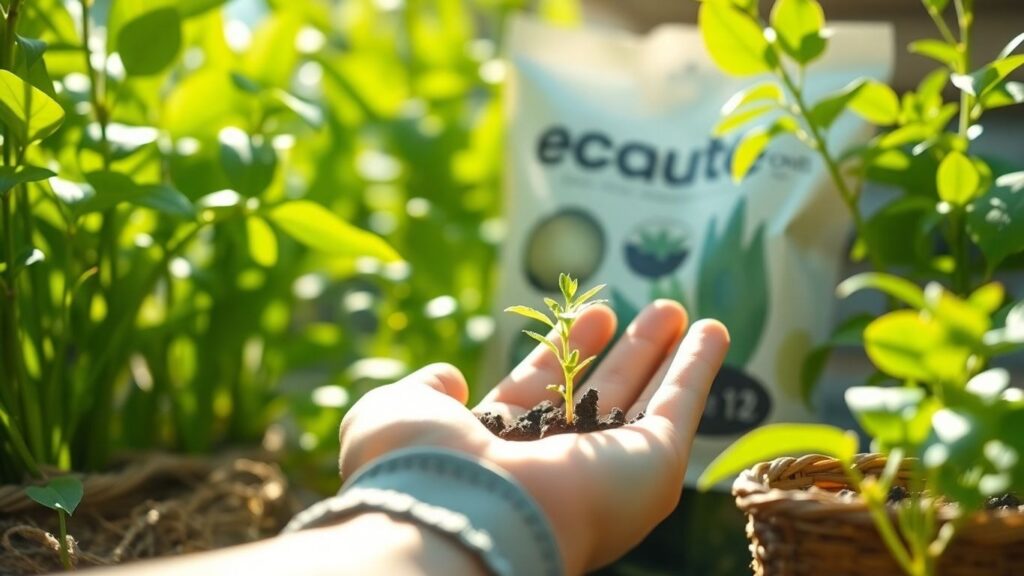
From organic fertilizers and native plants for your garden to cleaning products that don’t harm waterways, this market is booming. People want to make their homes healthier and their yards more sustainable. You could offer workshops on composting or sustainable gardening, too. It’s not just about selling products; it’s about educating people on how to live a greener life at home.
Green Gift Shops and Zero-Waste Products
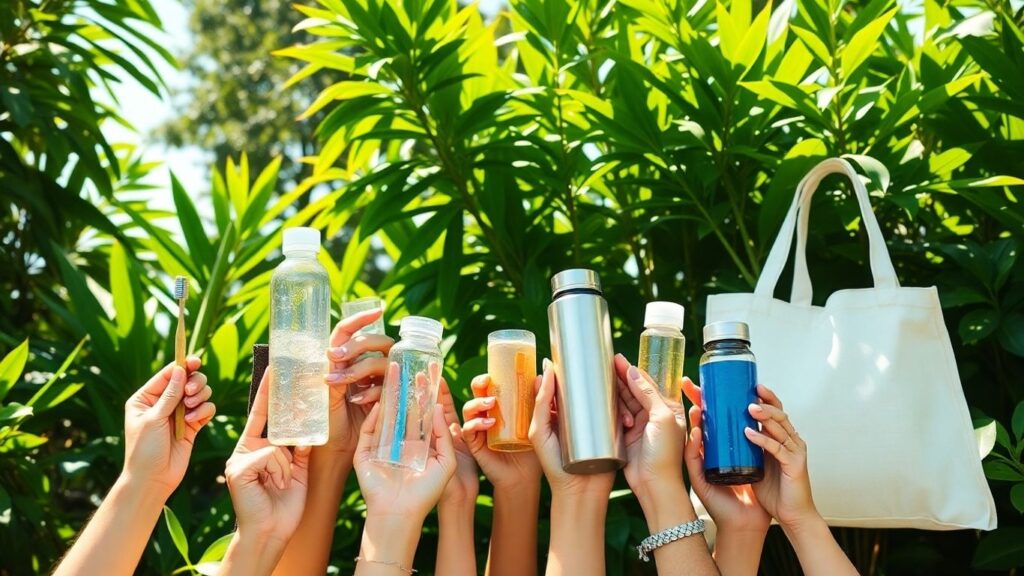
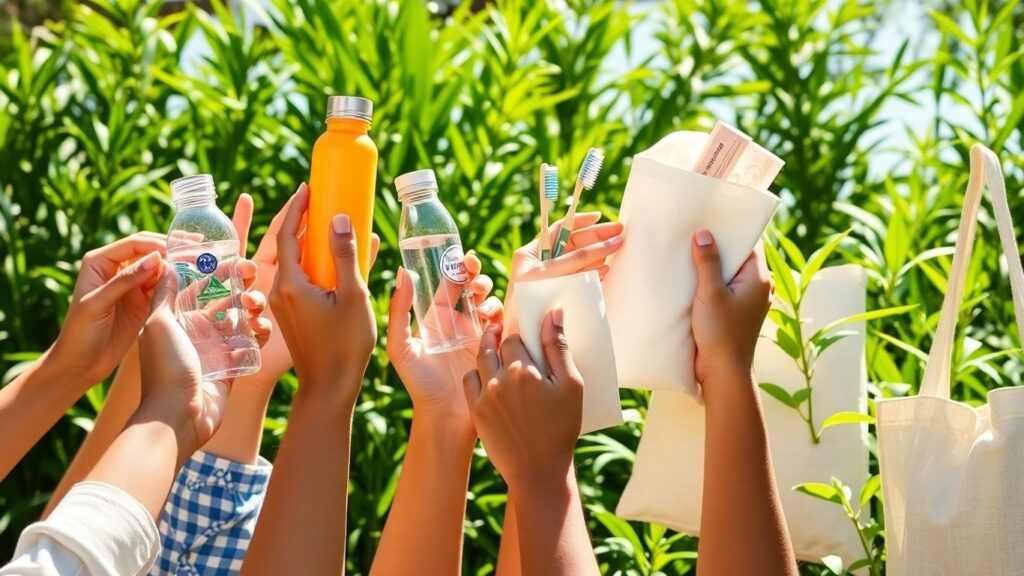
Who doesn’t love a good gift? Now, people are looking for gifts that don’t end up in the trash. This includes things like reusable water bottles, beeswax wraps, solid shampoo bars, and beautifully crafted items made from recycled materials. Zero-waste stores are popping up online and in person, showing that you can build a successful business by focusing on reducing waste and offering thoughtful, eco-conscious alternatives.
The demand for products that are kind to the environment is only going to grow. Consumers are actively seeking out businesses that align with their values, making sustainability not just a trend, but a core business strategy.
Here are a few more specific areas to consider:
- Refillable household goods: Think cleaning supplies, soaps, and even pantry staples.
- Upcycled or recycled fashion: Clothing and accessories made from pre-loved materials.
- Sustainable pet products: Eco-friendly pet food, toys, and bedding.
- Low-impact travel services: Promoting responsible tourism and experiences.
Strategies for E-Commerce Success
So, you’ve got a great eco-friendly product and you’re ready to sell it online. Awesome! But how do you actually make it work and stand out? It’s not just about having a good idea; it’s about how you present it and run your business day-to-day. Let’s talk about some practical ways to make your e-commerce store a success, especially when you’re focused on being green.
Minimizing Packaging Waste and Shipping Emissions
This is a big one for eco-conscious shoppers. They’re looking at how your product gets to them, not just what it is. Think about it: all those boxes, bubble wrap, and tape can really add up. We need to get smarter about this.
- Choose Recycled and Recyclable Materials: Opt for boxes made from post-consumer waste and use paper-based tape instead of plastic. Even better, look for compostable mailers.
- Right-Size Your Packaging: Don’t ship a small item in a giant box. Use inserts or void fill made from recycled paper or biodegradable peanuts to keep items secure without excess material.
- Consolidate Shipments: If a customer orders multiple items, try to ship them together. This reduces the number of trips a package has to make.
- Explore Carbon-Neutral Shipping: Partner with carriers that offer carbon-neutral shipping options or invest in carbon offsets to balance out the emissions from your deliveries.
The goal here is to make the unboxing experience feel good, not guilty. Customers appreciate it when they see you’ve put thought into reducing waste, and it aligns with their own values. It shows you’re serious about sustainability beyond just the product itself.
Product Customization with Sustainable Materials
People love things that feel unique to them. Offering customization can be a real draw, but it needs to be done the eco-friendly way. This means looking at what materials you’re using for those custom touches.
- Offer Choices in Natural Fibers: For apparel or home goods, let customers choose between organic cotton, linen, or hemp.
- Use Non-Toxic Dyes and Finishes: If you’re customizing colors or adding designs, make sure the inks and finishes are water-based and free from harmful chemicals.
- Incorporate Upcycled Elements: Can a custom detail be made from reclaimed wood, recycled metal, or fabric scraps? This adds a story and reduces waste.
Educating Consumers on Eco-Friendly Choices
Many people want to be more sustainable but don’t always know how. Your e-commerce store can be a place where they learn. Being a source of information builds trust and loyalty.
- Detailed Product Descriptions: Clearly explain the sustainable features of your products. Where do the materials come from? How is it made? What certifications does it have?
- Blog Content and Guides: Write articles about sustainable living, zero-waste tips, or how to care for eco-friendly products. This positions you as an authority and helps customers make informed decisions.
- Visual Aids: Use infographics or short videos to explain complex topics like carbon footprints or the benefits of certain materials. Make it easy to understand.
- Highlight Certifications: If your products have certifications (like Fair Trade, Organic, B Corp), make them visible. Explain what these certifications mean so customers understand their value.
Future Outlook for Sustainable E-Commerce
The Impact of Virtual and Augmented Reality
Think about trying on clothes without leaving your couch, or seeing how a new sofa would actually look in your living room before you buy it. That’s where virtual and augmented reality come in. For eco-conscious shoppers, this tech could mean fewer returns because you’ve got a better idea of what you’re getting. Fewer returns mean less shipping, less packaging, and less waste overall. It’s a win-win for your wallet and the planet. Imagine a virtual showroom where you can explore sustainable furniture options, or an AR app that lets you visualize eco-friendly paint colors on your walls. This isn’t science fiction anymore; it’s becoming a real part of how we shop online.
Increased Pressure for Sustainable Supply Chain Management
Customers are getting smarter about where their stuff comes from. They want to know if the materials are sourced responsibly and if the people making the products are treated fairly. This means businesses can’t just slap a ‘green’ label on things anymore. They’ll need to show proof, like certifications or detailed reports, about their entire supply chain. This transparency will become a major selling point. Companies that can’t prove their green credentials might find themselves left behind. It’s about building real trust, not just making claims.
Growth Projections for Sustainable Consumer Packaged Goods
The market for sustainable goods is definitely on the upswing. People are actively looking for products that align with their values, and this trend shows no signs of slowing down. We’re seeing more and more companies, big and small, shifting their focus to eco-friendly alternatives.
Here’s a quick look at what’s driving this growth:
- Consumer Awareness: More people understand the environmental impact of their choices.
- Innovation: New materials and production methods are making sustainable options more accessible and affordable.
- Policy & Regulation: Governments are increasingly introducing policies that favor sustainable practices.
The demand for products that are kind to the planet is no longer a niche interest; it’s becoming mainstream. Businesses that embrace sustainability are positioning themselves for long-term success in an evolving market.
This shift means more opportunities for e-commerce stores and startups that prioritize eco-friendly practices, from sourcing and production to packaging and shipping. It’s a smart move for any business looking to stay relevant and connect with today’s conscious consumer.
Wrapping It Up
So, it’s pretty clear that being green is no longer just a nice-to-have for online stores. People are actually looking for products that don’t trash the planet, and they’re willing to spend money on them. For anyone thinking about starting an e-commerce business, or even if you’ve got an existing one, leaning into eco-friendly practices isn’t just good for the Earth, it’s good for business. Think about how you can reduce waste, use better materials, or even just be more upfront about where your stuff comes from. It’s a big opportunity to connect with customers and build something that lasts, both for your business and for the world around us.
Frequently Asked Questions
Why are people buying more eco-friendly stuff online now?
More and more people are learning about how buying things can affect our planet. Because of this, shoppers are looking for products that are better for the environment. Online stores are noticing this and are starting to offer more choices that are kinder to the Earth.
What does ‘sustainable sourcing’ mean for products?
It means that the materials used to make a product come from places that are managed responsibly. This could mean using resources that can be renewed, like bamboo, or making sure that workers are treated fairly and paid well. It’s about being good to both people and the planet.
How can e-commerce stores reduce their environmental impact?
Stores can do this in a few ways. They can use less packaging or packaging made from recycled materials. They can also try to ship items in ways that use less fuel or group orders together. Choosing to work with suppliers who also care about the environment is another big step.
What are some examples of ‘green’ products that are popular?
Lots of things! Think about cleaning supplies that don’t have harsh chemicals, makeup and skincare made with natural ingredients, or even reusable items like water bottles and shopping bags. Things for the home and garden that are made sustainably are also doing well.
What is ‘greenwashing’ and how can I avoid it?
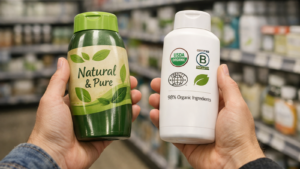
Greenwashing is when a company tries to make its products seem more eco-friendly than they really are, often without proof. To avoid it, look for real proof like certifications from trusted groups, check the ingredients, and read reviews. Companies that are truly green are usually open about how they make their products.
What is the future of shopping online for eco-friendly items?
The future looks bright! We’ll likely see even more personalized recommendations for green products, maybe even using cool technology like virtual reality to see how things look. Companies will also have to be even more careful about where their products come from and how they are made, making sure the whole process is good for the planet.