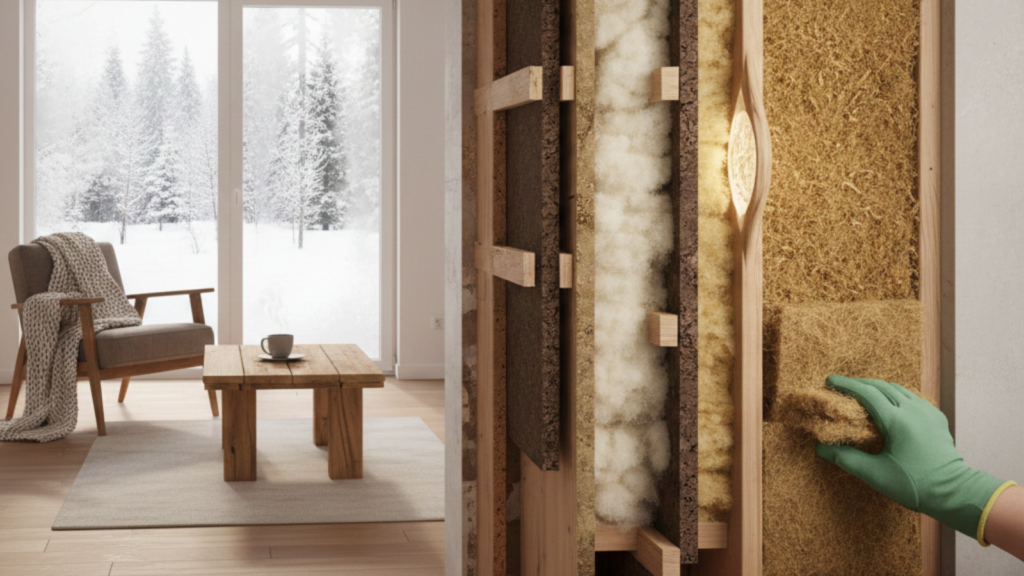
Winter’s chill creeps through every crack, gap, and poorly insulated surface in your home. For eco-conscious consumers seeking sustainable solutions, choosing green insulation methods offers dual benefits: staying warm while protecting our planet. This comprehensive guide explores natural materials, proven techniques, and practical strategies for creating comfortable living spaces during cold months without compromising environmental values.
Traditional insulation often relies on synthetic materials derived from petroleum products, contributing to carbon emissions and environmental degradation. Sustainable alternatives exist that perform equally well, sometimes better, while leaving minimal ecological footprints. Understanding how to select, install, and maintain green insulation transforms homes into energy-efficient sanctuaries that align with conservation principles.
Understanding Eco-Friendly Home Insulation Basics
What Makes Home Insulation Eco-Friendly and Sustainable
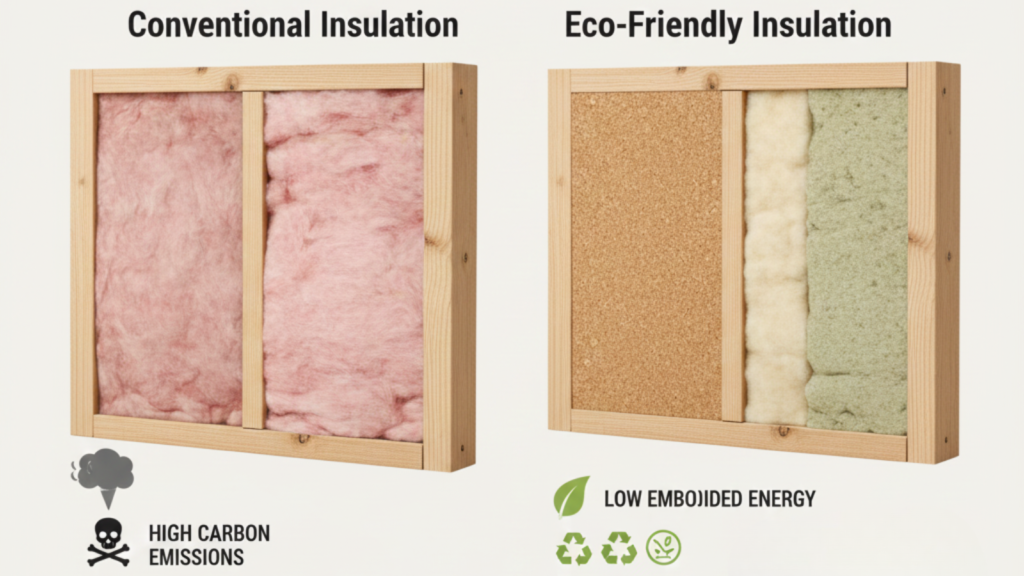
Sustainable insulation meets several environmental criteria that distinguish green options from conventional materials. Production processes must minimise energy consumption and carbon emissions. Recycled content significantly reduces manufacturing impact, with some materials containing up to 85% post-consumer waste. Renewable resources like wool, cork, or plant fibres regenerate naturally, unlike petroleum-based products requiring fossil fuel extraction.
Toxicity levels matter tremendously for indoor air quality and installer safety. Eco-friendly options avoid formaldehyde, volatile organic compounds (VOCs), and harmful flame retardants commonly found in synthetic insulation. Natural materials typically emit no dangerous chemicals, creating healthier living environments for families, particularly those with respiratory sensitivities or chemical allergies.
Durability extends sustainability benefits over decades rather than years. Quality green insulation resists settling, moisture damage, and pest infiltration without requiring frequent replacement. End-of-life considerations complete the sustainability picture, biodegradable or recyclable materials avoid contributing to landfill waste once buildings eventually undergo renovation or demolition.
How Insulation Reduces Heat Loss During Cold Months
Heat naturally flows from warm areas towards cooler spaces through 3 mechanisms: conduction, convection, and radiation. Effective insulation interrupts these pathways, maintaining comfortable indoor temperatures while reducing heating system workload. Most heat escapes through roofs, walls, floors, and gaps around windows or doors during winter.
Conduction occurs once heat passes directly through solid materials like walls or ceilings. Insulation materials contain countless tiny air pockets that slow this transfer dramatically. Air conducts heat poorly, so trapping stationary air within fibrous or cellular structures creates excellent thermal barriers. Quality insulation reduces conductive heat loss by 70% or more compared to uninsulated surfaces.
Convection currents develop once warm air rises and circulates through cavities within walls or attics. Proper insulation fills these spaces, preventing air movement and associated heat loss. Sealing gaps around penetrations, electrical outlets, pipes, vents, eliminates convective pathways that waste conditioned air. Combined with adequate insulation thickness, controlling convection maintains consistent temperatures throughout living spaces.
Key Insulation Terms Beginners Should Know (R-Value, Thermal Bridging, Airtightness)
R-value measures resistance of insulation to heat flow, with higher numbers indicating better thermal performance. Climate zones require different minimum R-values: cold regions need R-38 to R-60 in attics, while moderate climates function well with R-30 to R-38. Understanding R-value helps compare materials and determine appropriate thickness for specific locations within your home.
Thermal bridging occurs once conductive materials like wooden studs or metal framing create pathways through insulation layers. These bridges significantly reduce overall wall performance, sometimes decreasing effective R-value by 20% to 50%. Continuous insulation applied over framing members minimises thermal bridging, improving system efficiency. Eco-conscious builders often use staggered stud walls or external insulation boards to address this challenge.
Airtightness refers to how well buildings prevent uncontrolled air leakage between conditioned and unconditioned spaces. Even thick insulation performs poorly once gaps allow drafts. Achieving airtightness requires careful sealing around penetrations, proper installation techniques, and integrated air barriers. Blower door tests quantify air leakage, helping identify problem areas needing attention before adding insulation.
Environmental and Energy-Saving Benefits of Green Insulation
Carbon footprint reduction represents perhaps the most significant environmental benefit of sustainable insulation. Manufacturing conventional fibreglass insulation produces approximately 1.35 kilograms (kg) of carbon dioxide (CO2) per kilogramme of product. Natural alternatives like sheep’s wool generate only 0.5 kg CO2 per kilogramme, a 60% reduction. Over decades of use, these savings compound as lower heating demands decrease fossil fuel consumption continuously.
Energy savings translate directly into reduced utility costs and greenhouse gas emissions. Well-insulated homes consume 40% to 70% less heating energy compared to poorly insulated structures. For average United Kingdom (UK) households, proper insulation cuts annual heating bills by £300 to £600 while preventing several tonnes of CO2 emissions yearly. Multiply these savings across millions of homes, and collective impact becomes substantial.
Indoor air quality improvements benefit health of occupants significantly. Natural insulation materials regulate humidity naturally, preventing mould growth that triggers allergies and respiratory problems. Unlike synthetic options releasing formaldehyde or other VOCs for years after installation, plant-based and mineral materials remain inert, creating genuinely healthy living environments where families thrive.
Mastering these fundamentals prepares you for selecting appropriate materials and methods. Understanding R-values, thermal bridging, and environmental benefits guides informed decisions throughout your insulation journey. Armed with this knowledge, you’re ready to explore specific sustainable materials available for your project.
Natural and Sustainable Insulation Materials to Consider
Sheep’s Wool Insulation: Performance, Cost, and Climate Suitability
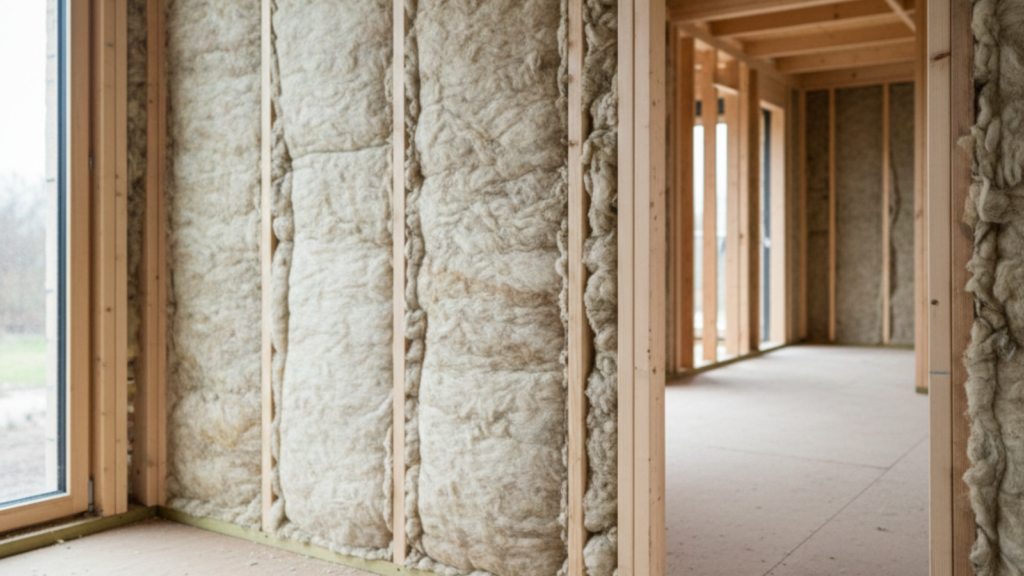
Sheep’s wool offers remarkable insulation properties developed through millennia of natural selection. Each fibre contains crimped structures that trap air effectively, achieving R-values comparable to fibreglass, approximately R-3.5 per inch (25.4 millimetres or mm). The hygroscopic nature of wool allows moisture absorption up to 35% of weight without losing insulating properties, making this material particularly suitable for humid climates or moisture-prone areas.
Installation simplicity makes wool accessible for DIY enthusiasts. Batts fit snugly between studs without requiring protective equipment, as wool contains no irritating fibres or harmful chemicals. Natural lanolin content provides pest resistance, while inherent flame retardancy eliminates need for chemical treatments. Wool insulation typically costs £15 to £25 per square metre, higher than conventional options but competitive with premium synthetic materials.
Climate suitability spans temperate to cold regions worldwide. Wool performs exceptionally in UK, Irish, Scandinavian, and similar climates where moisture management matters greatly. Hot, arid environments benefit less from moisture-handling capabilities of wool. Durability expectations reach 50 to 100 years with proper installation, and sheep wool remains completely renewable, flocks produce new fleece annually without environmental degradation.
Cellulose Insulation Made from Recycled Paper
Cellulose comprises approximately 85% recycled newspaper and cardboard, diverting tonnes of material from landfills annually. Manufacturing processes consume minimal energy, about 10% of energy required for fibreglass production. Borate treatments provide fire resistance and pest deterrence without toxic side effects, maintaining eco-friendly credentials while ensuring safety and longevity.
Loose-fill cellulose excels in attic applications, where installers blow material into spaces achieving consistent coverage without gaps. Density matters: properly installed cellulose settles minimally while providing R-3.6 to R-3.8 per inch. Dense-pack techniques work brilliantly for walls, where contractors use specialised equipment to achieve high densities that resist airflow and settling over decades.
Cost-effectiveness makes cellulose attractive for budget-conscious homeowners pursuing sustainability. Prices typically range £8 to £15 per square metre installed, undercutting most alternatives significantly. Environmental benefits extend beyond recycled content, cellulose stores carbon captured by trees during growth, effectively removing CO2 from atmosphere for decades. Buildings eventually face demolition, cellulose biodegrades completely or returns to recycling streams.
Cork and Wood Fibre Insulation for Cold Climates
Cork harvesting exemplifies renewable resource management, bark regenerates every 9 to 12 years without harming trees, which live 200+ years producing multiple harvests. The cellular structure of cork contains millions of gas-filled chambers providing excellent insulation with R-values around R-3.6 per inch. Naturally fire-resistant, water-repellent, and pest-proof, cork requires no chemical treatments while offering exceptional durability.
Wood fibre insulation manufactured from sawmill waste or sustainably managed forests provides carbon-negative materials storing more CO2 than production releases. Rigid boards offer structural strength alongside thermal performance (R-3.5 to R-4 per inch), working excellently for exterior continuous insulation applications. Wood fibre regulates humidity beautifully, absorbing excess moisture during humid periods and releasing during dry spells, creating balanced indoor environments.
Cold climate performance makes cork and wood fibre particularly valuable in northern regions. Both materials resist moisture-related degradation better than many alternatives, maintaining insulating properties despite temperature fluctuations and condensation risks. Installation typically requires professional expertise, especially for exterior applications. Costs run higher, £25 to £40 per square metre, but longevity (60+ years) and superior performance justify premium pricing for environmentally committed homeowners.
Comparing Natural Insulation Materials vs Conventional Options
Performance metrics show natural materials competing favourably with synthetic alternatives across most measures. R-values per inch fall within similar ranges: sheep’s wool (R-3.5), cellulose (R-3.7), cork (R-3.6) compare well to fibreglass (R-3.1 to R-3.4) and mineral wool (R-3.3 to R-3.5). Some natural options actually outperform conventional materials in moisture management, air infiltration resistance, and sound dampening capabilities.
Embodied energy, total energy consumed during extraction, manufacturing, transport, and installation, heavily favours natural materials. Cellulose requires approximately 450 kilowatt-hours (kWh) per tonne to produce, while fibreglass demands 6,200 kWh per tonne. Cork and sheep’s wool similarly demonstrate dramatically lower energy requirements. Over product lifecycles, environmental advantages of renewable materials compound as avoided heating energy eclipses initial manufacturing differences.
Cost comparisons vary by region and material type. Cellulose often costs less than spray foam or rigid foam boards. Wool and cork command premiums over fibreglass but compete with high-performance synthetic insulation. Long-term value calculations must include durability, maintenance requirements, health benefits, and eventual disposal costs. Superior longevity and recyclability of natural materials often tip lifetime cost analyses towards green alternatives despite higher upfront pricing.
Exploring these material options reveals diverse solutions for different needs and budgets. Each material brings unique strengths in performance, environmental impact, and cost considerations. Next, we examine how to apply these materials effectively throughout various areas of your home.
Eco-Friendly Insulation Methods for Different Areas of Your Home
Sustainable Ways to Insulate Walls Without Major Renovations
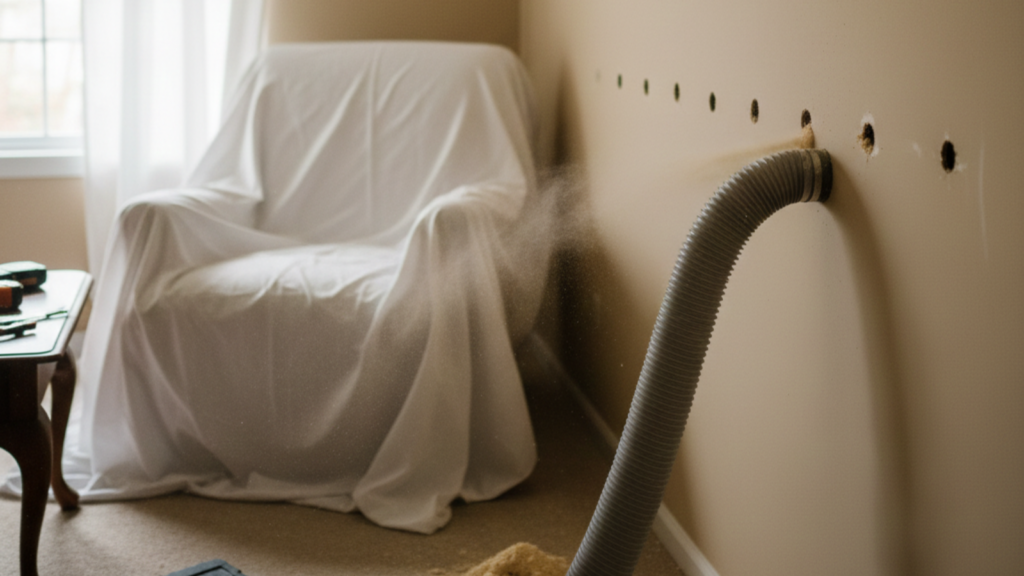
Existing wall cavities present opportunities for significant efficiency gains without extensive demolition. Blown-in cellulose or mineral wool installation requires drilling small holes through exterior siding or interior drywall, allowing contractors to fill cavities completely. Specialised equipment ensures dense packing that eliminates settling problems while achieving R-13 to R-15 in standard 2×4 walls (50 mm x 100 mm). Holes plug easily afterwards, leaving minimal visible evidence of work completed.
Interior wall treatments add insulation layers while preserving exterior aesthetics. Natural fibre boards mounted directly onto existing walls, then covered with new drywall, increase R-values by 10 to 15 points depending on thickness chosen. This approach suits heritage properties where exterior modifications face restrictions. Wood fibre or cork boards serve dual purposes, insulation plus aesthetic finish once left exposed in appropriate design contexts.
External wall insulation systems provide maximum thermal performance while addressing thermal bridging comprehensively. Cork, wood fibre, or mineral wool boards attach to exterior walls, then receive weather-resistant finishes. This method moves insulation outside structural framing, eliminating cold bridges through studs. Though requiring more investment and potentially altering building appearance, external systems deliver unmatched efficiency improvements, often doubling wall R-values.
Eco-Friendly Attic and Roof Insulation for Heat Retention
Attic spaces represent critical insulation priorities since warm air naturally rises and escapes through roofs. Loose-fill cellulose blown across attic floors provides cost-effective coverage, conforming around obstacles and filling irregular spaces conventional batts miss. Depths between 300 mm to 400 mm (11.8 to 15.7 inches) achieve R-38 to R-60, appropriate for most cold climates. Proper ventilation must accompany insulation, preventing moisture accumulation that damages structures and reduces effectiveness.
Cathedral ceilings and finished attic spaces require different strategies. Dense-pack cellulose fills rafter bays from exterior through temporary openings, creating continuous insulation layers without interior disruption. Alternatively, rigid wood fibre or cork boards installed above roof decking provide unbroken insulation layers while allowing vapour diffusion. These approaches maintain architectural features while delivering superior thermal performance compared to traditional batt-between-rafter methods.
Roof insulation priorities depend on climate patterns. Cold regions benefit from maximum attic floor insulation, keeping heat within living spaces while allowing roofs to remain cold, preventing ice dams and snow melt issues. Mixed climates might insulate both attic floors and roof decks, creating conditioned attic spaces suitable for mechanical equipment or storage. Natural materials excel in both applications, with selection based on specific performance requirements and installation logistics.
Floor and Basement Insulation Using Low-Impact Materials
Ground floors and basements lose substantial heat through contact with cold earth. Insulating beneath floor joists using batts or rigid boards prevents this loss effectively. Sheep’s wool batts install easily between joists, while rigid cork or wood fibre boards work excellently beneath concrete slabs. Achieving R-25 to R-30 under floors transforms comfort levels, eliminating cold floor surfaces that make rooms feel chilly despite adequate air temperatures.
Basement walls present unique challenges due to moisture exposure and below-grade positioning. Interior insulation must allow moisture to migrate without trapping water against concrete walls. Mineral wool or wood fibre boards provide breathable solutions that resist mould while insulating effectively. Exterior basement insulation, cork or mineral wool boards applied during construction or major renovations, performs even better, keeping foundation walls warm and dry while eliminating thermal bridges.
Crawl space encapsulation combines insulation with moisture control, creating healthier, more efficient homes. Covering ground with heavy vapour barriers prevents moisture entry, while insulating crawl space walls keeps pipes and ductwork within protected thermal envelopes. Natural insulation materials suit this application well, though careful moisture management remains essential. Properly executed, crawl space insulation reduces heating loads by 10% to 20% while protecting structures from moisture damage.
Sealing Drafts Around Windows and Doors with Green Solutions
Air sealing complements insulation, preventing infiltration that wastes conditioned air despite adequate wall or attic insulation. Windows and doors represent prime leakage points where gaps allow drafts. Natural fibre weatherstripping, wool felt, cotton, or hemp-based products, seals gaps effectively without requiring petroleum-derived materials. These products compress to fill irregular gaps while maintaining durability through thousands of open-close cycles.
Window treatments add insulation layers beyond basic sealing. Cellular shades manufactured from recycled materials trap air within honeycomb structures, providing R-2 to R-5 once fully deployed. Heavy curtains lined with natural fabrics offer additional thermal barriers, particularly beneficial for single-pane windows difficult to replace. Magnetic seals around curtain edges maximise effectiveness by preventing air circulation behind panels.
Door sweeps and threshold seals eliminate gaps beneath entry doors, common sources of drafts and energy loss. Recycled rubber or sustainable wood-backed sweeps attach easily to door bottoms, while adjustable threshold inserts raise surfaces to contact sweeps tightly. For older doors with visible light gaps around frames, rope caulk made from natural latex provides temporary seasonal sealing removed easily each spring without damaging finishes.
Applying insulation strategically throughout your home maximises comfort and efficiency. Each area requires tailored approaches that address specific challenges while leveraging natural material strengths. Understanding these methods enables you to prioritise projects based on impact and feasibility.
Cost, Difficulty, and Climate Considerations Worldwide
Affordable Eco-Friendly Insulation Options for Beginners
Budget constraints shouldn’t prevent pursuing sustainability goals. Cellulose insulation offers exceptional value, costing less than most alternatives while delivering excellent performance and environmental credentials. DIY attic insulation projects using bagged cellulose provide accessible entry points, rental equipment allows homeowners to blow material themselves, achieving professional results at fraction of contractor costs. Typical DIY cellulose projects cost £300 to £800 for average-sized attics versus £1,200 to £2,000 professionally installed.
Air sealing delivers remarkable returns on minimal investment. Caulking gaps around windows, doors, and penetrations costs perhaps £50 to £100 in materials yet reduces drafts dramatically. Weatherstripping doors costs £20 to £40 per door. These small investments often save 10% to 15% on heating costs annually, payback periods under 2 years make air sealing financially compelling regardless of budget constraints.
Incremental approaches spread costs over multiple years while delivering progressive improvements. Prioritising attic insulation first captures biggest gains, followed by basement or crawl space work, then walls. Each project delivers immediate energy savings funding subsequent improvements. Starting with most cost-effective measures builds momentum while proving concepts before committing to expensive comprehensive retrofits.
DIY vs Professional Installation: What’s Realistic for Sustainable Insulation
DIY insulation projects suit homeowners comfortable with physical work and basic construction knowledge. Attic insulation using batts or blown cellulose represents realistic DIY territory, requiring minimal specialised skills beyond following safety protocols. Rental equipment for blown insulation costs £75 to £150 daily, worthwhile savings given professional labour charges. Proper personal protection remains essential: respirators, eye protection, gloves prevent exposure to dust and irritants even from natural materials.
Wall insulation typically requires professional expertise due to technical challenges. Dense-pack techniques demand specialised equipment and experience achieving proper density without voids or settling. Cavity fills risk moisture problems once vapour barriers aren’t properly addressed. Similarly, spray-applied insulation, even plant-based options, requires professional equipment and training. Attempting complex projects without expertise risks poor performance, moisture damage, or safety hazards outweighing cost savings.
Hybrid approaches leverage strengths of both methods. Homeowners might handle attic insulation and air sealing while hiring professionals for challenging wall or basement applications. Consultations with energy auditors or green building professionals identify priorities and clarify which projects suit DIY efforts versus requiring contractors. Reputable installers often support DIY components while handling technical aspects, reducing overall costs while ensuring quality outcomes.
Choosing Insulation Based on Cold, Temperate, or Mixed Climates
Cold climate priorities emphasise maximum R-values and moisture management. Northern regions benefit from R-60 attic insulation, R-30+ walls, and R-25+ floors. Materials like cellulose, mineral wool, and sheep’s wool handle moisture well while providing necessary thermal resistance. Airtightness becomes critical in extreme cold, uncontrolled air leakage causes excessive energy consumption and ice dam formation. Vapour control strategies must prevent indoor humidity from condensing within insulation layers during prolonged freezing periods.
Temperate climates balance heating and cooling needs, requiring different priorities. Moderate R-values (attic R-38, walls R-19, floors R-13) often suffice, with emphasis shifting towards air sealing and solar heat management. Natural materials excelling at humidity regulation, cork, wood fibre, sheep’s wool, prove particularly valuable in regions experiencing humid summers and cold winters. Balanced approaches prevent overheating in summer while maintaining comfort during winter months.
Mixed climates present complex challenges requiring versatile solutions. Regions experiencing cold winters plus hot summers need insulation preventing heat transfer in both directions. High-mass materials like dense cellulose or wood fibre provide thermal stability, moderating temperature swings. Breathable assemblies allowing moisture migration without trapping water suit variable humidity conditions. Careful design ensures winter condensation risks don’t conflict with summer moisture drive patterns, professional consultation proves valuable in complex climates.
Long-Term Energy Savings and Return on Investment of Green Insulation
Energy cost reductions provide quantifiable returns justifying insulation investments. Comprehensive retrofits often cut heating expenses by 40% to 60%, translating to £400 to £900 annually for typical UK homes. Payback periods range from 3 to 8 years depending on project scope and energy prices. Beyond financial returns, comfort improvements, noise reduction, and health benefits enhance quality of life in ways difficult to monetise but nonetheless valuable.
Property value increases reward insulation investments even once homeowners sell before recouping costs through energy savings. Studies demonstrate buyers pay premiums for energy-efficient properties, often 3% to 5% more than comparable unimproved homes. Energy Performance Certificate (EPC) ratings influence property values increasingly as awareness grows and regulations tighten. High-performing homes sell faster and command stronger prices, particularly amongst environmentally conscious buyers prioritising sustainability.
Lifecycle cost analysis includes maintenance, durability, and replacement expenses alongside initial installation and energy savings. Natural materials typically require minimal maintenance while lasting 50 to 100 years, far exceeding conventional insulation lifespans. Avoided replacement costs compound financial advantages. Additionally, as energy prices rise over decades, savings increase proportionally. Front-loading efficiency investments protects against future energy cost escalation while delivering consistent annual returns.
Evaluating costs, installation methods, and climate factors ensures realistic project planning. Understanding DIY limitations, regional climate demands, and financial returns helps prioritise investments wisely. These considerations bridge material knowledge and practical implementation for your specific situation.
Practical Steps to Start Insulating Your Home Sustainably
How to Assess Your Home’s Insulation Needs Step by Step
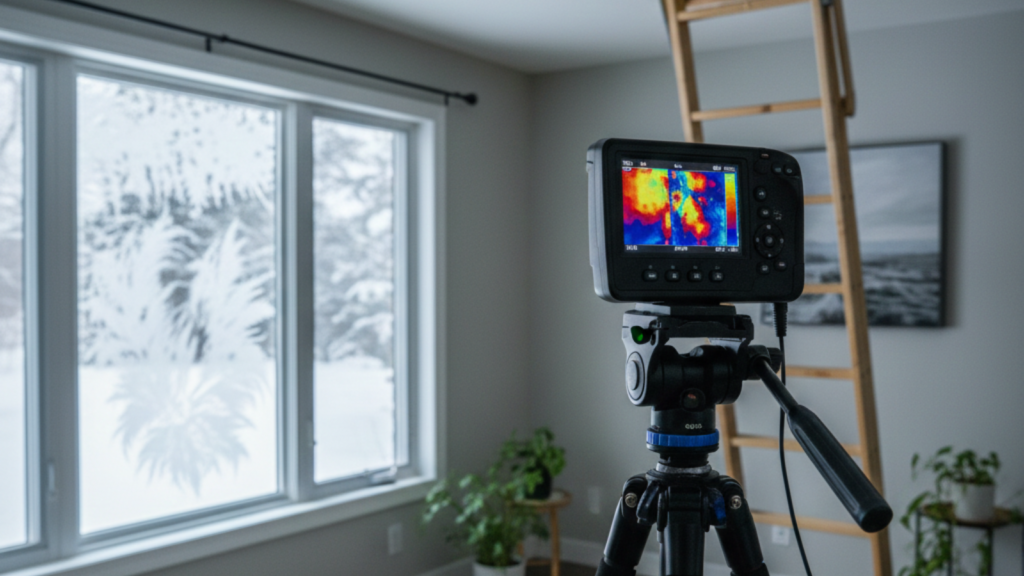
Professional energy audits provide comprehensive baseline assessments identifying insulation gaps and air leakage. Certified auditors use infrared cameras revealing heat loss patterns invisible to naked eyes. Blower door tests quantify air leakage precisely, calculating air changes per hour and pinpointing problem areas requiring attention. Audit reports prioritise improvements by cost-effectiveness, helping homeowners allocate budgets optimally. Costs typically range £200 to £500 but potentially qualify for government grants or utility rebates offsetting expenses.
DIY assessment techniques offer budget-friendly alternatives for preliminary evaluation. Visual attic inspections reveal insulation depth and condition, inadequate coverage, compression, or moisture damage become immediately apparent. Touch tests identify drafts around windows, doors, and electrical outlets. Comparing utility bills to similar-sized homes in your area suggests whether consumption appears excessive. Online calculators estimating heating loads based on house dimensions and climate provide rough benchmarks for comparison.
Systematic documentation guides improvement planning. Photographs of existing insulation, notes about problem areas, and sketches showing house layouts help contractors provide accurate quotes. Recording current utility consumption establishes baselines measuring improvement effectiveness post-installation. Maintaining records also assists future owners understanding energy systems and maintenance histories of homes, valuable information enhancing property values and facilitating ongoing efficiency optimisation.
Prioritizing Insulation Projects for Maximum Winter Impact
Attic insulation typically delivers greatest impact per pound invested. Heat naturally rises, making roof spaces primary escape routes. Adding insulation proves relatively straightforward and inexpensive compared to other projects. Achieving recommended R-values often requires supplementing existing insulation rather than complete replacement, reducing costs while delivering substantial savings. Most homeowners recover attic insulation investments within 2 to 4 years through reduced heating bills.
Air sealing should precede or accompany insulation improvements. Sealing gaps around penetrations, weatherstripping doors, and caulking windows costs little while dramatically improving comfort and efficiency. Combined, air sealing plus attic insulation often reduce heating consumption by 30% to 40%, transformative improvements achievable within modest budgets. Addressing these priorities first generates savings funding subsequent basement, wall, or window projects.
Sequential planning spaces out expenses while building on previous improvements. Year 1 might address attic insulation and air sealing. Year 2 addresses basement or crawl spaces. Year 3 insulates walls or upgrades windows. Progressive approaches prevent financial overwhelm while allowing homeowners to evaluate results before committing to additional work. Each completed project delivers comfort and savings encouraging continued improvement momentum.
Common Mistakes to Avoid with Eco-Friendly Insulation
Moisture mismanagement represents the most serious insulation mistake, causing structural damage, mould growth, and performance degradation. Installing vapour barriers on wrong sides of insulation layers traps moisture within wall assemblies. Blocking ventilation in attics causes condensation and ice dams. Understanding vapour drive direction, moisture moving from warm towards cold, guides proper vapour control placement. Breathable natural materials often tolerate minor mistakes better than synthetic alternatives, but proper design remains essential regardless of material choice.
Compressing insulation reduces effectiveness dramatically. Batts designed for specific thicknesses lose R-value once squeezed into smaller spaces, R-19 batts compressed to R-13 thickness perform closer to R-13 than advertised R-19. Similarly, stuffing loose-fill insulation beyond recommended densities doesn’t improve performance proportionally. Following manufacturer specifications ensures materials deliver promised thermal resistance. Natural materials like sheep’s wool or cellulose maintain performance better once slightly compressed compared to fibreglass, but respecting design parameters remains important.
Neglecting air sealing before insulating wastes money and reduces effectiveness. Air movement through cavities carries moisture and heat, negating insulation benefits. Sealing comes first, then insulation fills remaining spaces. This sequence prevents trapped air circulation while maximising thermal resistance. Many contractors address both simultaneously, but DIY projects must tackle air sealing methodically before adding insulation materials.
Simple Maintenance Tips to Keep Insulation Effective Over Time
Annual attic inspections catch problems early before causing significant damage. Check for moisture stains indicating roof leaks requiring repair. Look for compressed areas where insulation has settled or been disturbed. Verify ventilation systems remain unblocked, soffit vents, ridge vents, and gable vents require clear airflow paths. Address any pest activity immediately, rodents sometimes nest in insulation, causing damage and health hazards. Quick interventions prevent minor issues escalating into expensive repairs.
Basement and crawl space monitoring prevents moisture-related insulation failure. Check for standing water, high humidity, or musty odours indicating moisture problems. Ensure drainage systems function properly and gutters direct water away from foundations. Inspect insulation for dampness or mould growth. Natural materials resist mould better than synthetic alternatives, but excessive moisture overwhelms resistance of any material. Maintaining dry conditions preserves insulation integrity while protecting structural components.
Weatherstripping and caulk require periodic replacement as materials age and compress. Annual inspections before heating season reveal worn areas needing attention. Replacing weatherstripping takes minutes per door while preventing drafts all winter. Re-caulking gaps around windows every few years maintains air seals. These minor maintenance tasks cost little while preserving insulation system effectiveness. Natural rubber or latex-based sealants biodegrade eventually, making regular inspection particularly important compared to synthetic alternatives lasting longer but containing harmful chemicals.
Taking these practical steps transforms knowledge into action for meaningful results. Assessing needs accurately, prioritising high-impact projects, avoiding common errors, and maintaining systems ensures long-term success. Your sustainable insulation journey begins with first deliberate step towards greater efficiency and environmental responsibility.
Frequently Asked Questions
What R-value do I need for walls in cold climates?
Cold regions typically require R-19 to R-30 wall insulation depending on severity. Canadian zones recommend R-24 minimum, while moderate climates function adequately with R-13 to R-19. Checking local building codes provides specific guidance for your location. Higher R-values always improve comfort and efficiency but balance against cost considerations.
Can I install sheep’s wool insulation myself?
Yes, sheep’s wool batts install similarly to fibreglass without requiring protective equipment or special tools. Cutting to fit between studs requires only basic skills and utility knives. Loose-fill wool applications need blowing equipment, typically requiring professional installation. DIY wall and attic batt installation represents realistic projects for most homeowners.
How long does cellulose insulation last?
Properly installed cellulose maintains effectiveness for 50 to 100 years without settling or losing R-value. Borate treatments prevent pest damage and provide fire resistance indefinitely. Moisture exposure represents primary threat, keeping cellulose dry ensures decades of reliable performance. Quality installation by experienced contractors maximises longevity.
Is cork insulation suitable for humid climates?
Yes, natural water resistance of cork makes this material excellent for humid conditions. Cell structure repels liquid water while allowing vapour diffusion, preventing moisture entrapment. However, higher cost of cork may prove prohibitive where less expensive alternatives like cellulose perform adequately. Consider cork where moisture management justifies premium pricing.
What’s better: blown-in or batt insulation?
Blown insulation fills irregular spaces more completely, eliminating gaps causing heat loss. Batts cost less and suit DIY installation in regular cavities. Performance differences often favour blown-in for attics and walls with obstacles. Choose based on application specifics, budget constraints, and whether hiring professionals or working independently.
Can natural insulation materials cause allergies?
Natural materials generally cause fewer allergic reactions than synthetic alternatives containing formaldehyde or VOCs. Sheep’s wool rarely triggers sensitivities, while cellulose creates dust during installation requiring basic protection. Anyone with specific allergies must research particular materials before installation. Natural options typically improve indoor air quality overall.
How much does eco-friendly insulation cost compared to conventional options?
Cellulose often costs less than conventional insulation, £8 to £15 per square metre versus £10 to £20 for fibreglass. Premium natural materials like sheep’s wool (£15 to £25) or cork (£25 to £40) exceed conventional costs initially. However, superior durability and performance often deliver better lifetime value despite higher upfront investment.
What government incentives exist for green insulation?
United Kingdom offers grants through ECO4 scheme and home upgrade programmes covering insulation costs for qualifying households. Many regions provide tax credits, rebates, or low-interest loans supporting energy efficiency improvements. Checking with local energy agencies or government websites reveals available incentives in your area potentially offsetting substantial portions of project costs.
Does natural insulation resist pests and rodents?
Yes, borate-treated cellulose repels insects and rodents effectively. Sheep’s wool contains lanolin deterring pests naturally. Density and structure of cork prevent nesting. Mineral wool resists biological damage completely. Overall, natural insulation materials demonstrate excellent pest resistance once properly installed, often outperforming conventional options lacking inherent protective properties.
Can I insulate over existing insulation?
Yes, adding new insulation over old materials often makes sense economically and practically. Ensure existing insulation remains dry and undamaged before covering. Combine different materials without concern, cellulose over fibreglass or wool over mineral wool works perfectly. Total R-value equals sum of individual layers, making incremental improvements cost-effective strategies achieving target performance levels gradually.