Making conscious purchasing decisions has never been more crucial for planetary wellbeing. Every product choice contributes to either environmental preservation or degradation. Understanding distinctions between sustainable options and conventional alternatives empowers consumers to align shopping habits with ecological values.
This comprehensive guide explores the differences between eco-friendly products and non-eco-friendly products, examining their environmental impact, benefits, and practical applications for sustainable living choices.
Understanding Eco-Friendly Products
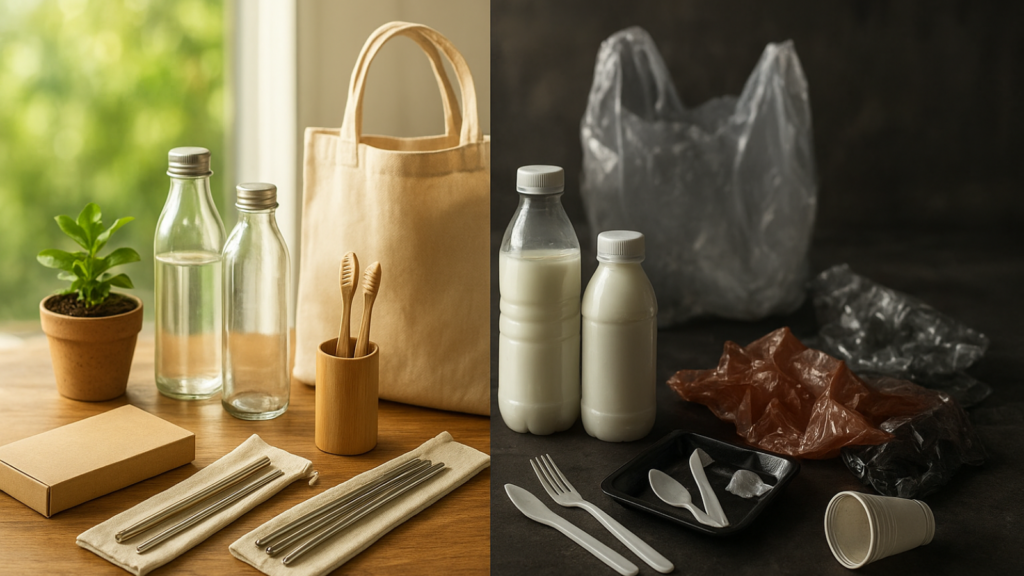
Eco-friendly products refer to goods created using environmentally responsible materials and processes that reduce pollution, conserve resources, and minimise harm across a product life cycle. Common examples include bamboo toothbrushes, reusable cloth bags, glass food containers, biodegradable cleaning solutions, solar-powered devices, compostable packaging, and refillable personal care items.
Sustainable products represent manufactured goods designed to minimise environmental harm throughout their entire life cycle. From raw material extraction through production, use, and eventual disposal, green products differ fundamentally from traditional products in their planetary footprint.
Core Characteristics of Eco-Friendly Products
Environmentally responsible products share several defining attributes:
- Biodegradable materials that decompose naturally without releasing toxic substances into soil or water systems
- Renewable resources in products such as bamboo, organic cotton, recycled materials, and plant-based alternatives
- Minimal packaging utilising recyclable or compostable materials
- Energy-efficient products requiring reduced power consumption during manufacture and usage
- Non-toxic eco-friendly products free from harmful chemicals, synthetic fragrances, and carcinogenic compounds
- Reusable products designed for longevity rather than single-use disposal
- Ethical production practices ensuring fair labour standards and community wellbeing
Climate-friendly products reduce greenhouse gas emissions across supply chains, addressing eco-friendly product impact on climate change through innovative sustainable manufacturing processes.
Defining Non-Eco-Friendly Products
Non-eco-friendly products are the products made through resource-intensive processes that generate pollution, toxic waste, or excessive carbon emissions while offering limited recyclability or reuse. Typical examples include single-use plastic bags, disposable cutlery, fast fashion garments made from synthetic fibres, chemical-based household cleaners, non-recyclable packaging, and petrol-powered appliances.
Conventional consumer goods typically prioritise cost reduction and convenience over planetary health. These items contribute significantly to environmental degradation from consumer goods through resource depletion, pollution, and waste generation.
Common features of Non-Eco-Friendly Products
Traditional manufacturing approaches share problematic characteristics:
- Petroleum-based synthetic materials require fossil fuel extraction
- Single-use plastic alternatives creating persistent waste streams
- Harmful chemicals in products including phthalates, BPA, formaldehyde, and volatile organic compounds
- Excessive packaging with multiple layers of non-recyclable materials
- High carbon emissions during production and transportation
- Planned obsolescence encouraging fast consumption vs sustainable consumption
- Water pollution from manufacturing discharge containing untreated chemicals
Environmental cost of everyday products extends beyond purchase price. Disadvantages of non-eco-friendly products include long-term ecological damage, health risks, and resource depletion affecting future generations.
Differences Between Eco-Friendly and Non-Eco-Friendly Products
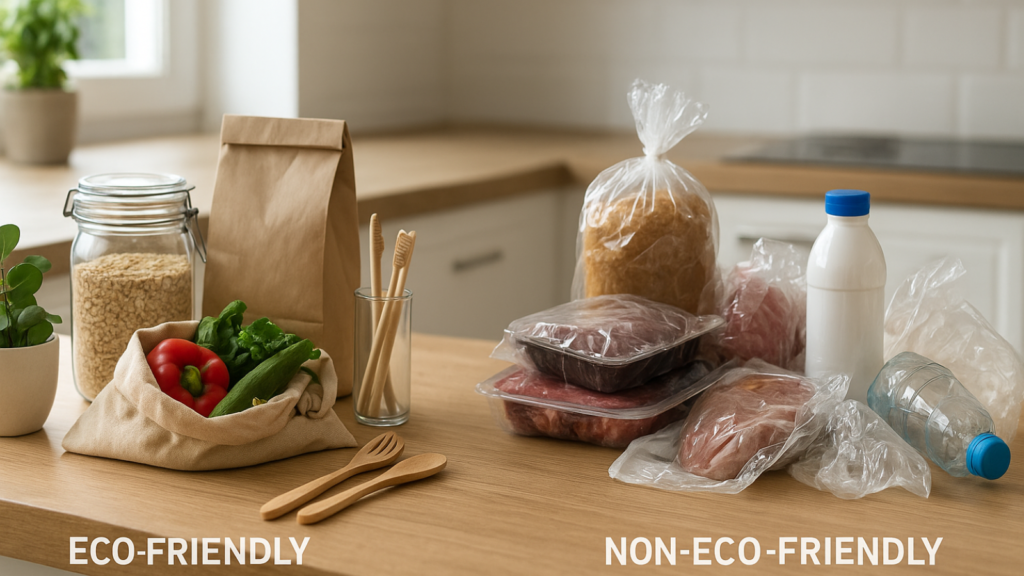
Comparing sustainable products vs regular products reveals fundamental contrasts in manufacturing philosophy, material selection, and environmental consequences. This eco-friendly vs non-eco-friendly comparison illuminates why conscious purchasing matters.
Quick Comparison Overview
| Aspect | Eco-Friendly Products | Non-Eco-Friendly Products |
| Materials | Renewable, biodegradable, recycled (bamboo, organic cotton, glass) | Petroleum-based, synthetic, virgin resources (plastic, conventional cotton) |
| Manufacturing | Renewable energy, closed-loop systems, minimal waste | Fossil fuels, linear production, high waste generation |
| Packaging | Minimal, recyclable, compostable materials | Excessive, multi-layer, non-recyclable plastic |
| Lifespan | Durable, repairable, timeless design | Planned obsolescence, disposable, trend-driven |
| Carbon Footprint | 40-60% lower emissions, local production | High emissions, global supply chains |
| Water Impact | Closed-loop recycling, minimal contamination | Untreated discharge, chemical pollution |
| End-of-Life | Biodegradable, recyclable, compostable | Persistent waste, landfill accumulation |
| Health Impact | Non-toxic, chemical-free, safe materials | Harmful chemicals, VOCs, synthetic additives |
Material Composition and Sourcing
Eco-friendly vs non-eco-friendly materials represent opposing approaches to resource utilisation:
Eco-Friendly Options:
- Natural fibres such as organic cotton, hemp, linen, and bamboo grow without synthetic pesticides
- Recycled materials divert waste from landfills while conserving virgin resources
- Eco-friendly materials like bamboo and glass offer durability with minimal processing
- Plant-based bioplastics derived from corn starch or sugarcane decompose naturally
Non-Eco-Friendly Alternatives:
- Petroleum-based plastics persist in environments for centuries
- Synthetic fabrics shed microplastics during washing, contaminating waterways
- Virgin aluminium and steel production consume massive energy quantities
- Chemical-intensive conventional cotton farming depletes soil nutrients
Natural vs synthetic materials comparison reveals substantial environmental footprint differences. Choosing renewable resources reduces dependence on finite fossil fuels.
Material Comparison Table
| Material Type | Eco-Friendly Option | Environmental Benefits | Non-Eco-Friendly Alternative | Environmental Harms |
| Textiles | Organic cotton, hemp, linen | No pesticides, low water use, biodegradable | Conventional cotton, polyester | Pesticide pollution, microplastic shedding |
| Packaging | Recycled cardboard, glass, plant fibres | Infinitely recyclable, compostable | Plastic film, styrofoam | 500+ year persistence, toxic breakdown |
| Cleaning Tools | Bamboo, natural fibres, wood | Renewable, compostable, non-toxic | Plastic brushes, synthetic sponges | Microplastic release, eternal waste |
| Food Storage | Stainless steel, glass, beeswax | Reusable, non-leaching, durable | Plastic containers, cling film | BPA leaching, single-use waste |
| Utensils | Bamboo, wood, stainless steel | Biodegradable/recyclable, long-lasting | Plastic cutlery, disposables | Ocean pollution, wildlife harm |
Manufacturing and Production Processes
Eco-friendly vs non-eco-friendly manufacturing approaches significantly impact planetary health:
Eco-Friendly Manufacturing:
- Renewable energy powers production facilities, reducing carbon footprint
- Closed-loop water systems recycle wastewater, preventing pollution
- Zero-waste production goals minimise material inefficiency
- Local sourcing reduces transportation emissions
- Non-toxic dyes and finishing treatments protect worker health
Non-Eco-Friendly Manufacturing:
- Coal and natural gas provide primary energy, generating greenhouse gases
- Untreated effluent discharge contaminates rivers and groundwater
- High waste generation sends byproducts to landfills
- Global supply chains accumulate substantial carbon emissions
- Hazardous chemical use exposes workers and communities to health risks
Sustainable manufacturing processes demonstrate how production methods profoundly affect product life cycle environmental impact. Ethical production practices benefit both people and planet.
Manufacturing Process Comparison
| Production Element | Eco-Friendly Manufacturing | Non-Eco-Friendly Manufacturing |
| Energy Source | Solar, wind, renewable (60-80% clean energy) | Coal, natural gas, petroleum (80-90% fossil fuels) |
| Water Management | Closed-loop recycling, 90% reuse rate | Single-use discharge, 10-20% recycling |
| Waste Handling | Zero-waste goals, composting, upcycling | Landfill disposal, incineration |
| Chemical Use | Plant-based, non-toxic alternatives | Synthetic, hazardous substances |
| Supply Chain | Local/regional sourcing (reduced transport) | Global shipping (high carbon emissions) |
| Labour Practices | Fair wages, safe conditions, transparency | Low wages, poor safety, limited oversight |
| Carbon Emissions | 40-60% reduction vs. conventional | High emissions across entire process |
Packaging Approaches
Eco-friendly packaging vs plastic packaging illustrates contrasting priorities:
Eco-Friendly Packaging:
- Compostable products made from plant fibres break down completely
- Recyclable cardboard and paper reduce virgin material demand
- Glass containers offer infinite recyclability without quality degradation
- Minimal design reduces material usage while maintaining protection
- Biodegradable packing peanuts dissolve harmlessly in water
Non-Eco-Friendly Packaging:
- Plastic pollution impact persists for generations, harming wildlife
- Multi-layer packaging combines materials, preventing recycling
- Styrofoam creates toxic waste from non-eco-friendly products
- Excessive wrapping prioritises appearance over necessity
Waste reduction products focus on functional protection rather than marketing appeal. Zero waste alternatives eliminate packaging entirely for certain items.
Product Lifespan and Durability
Product longevity directly influences environmental impact:
Eco-Friendly Approach:
- Quality construction extends useful life, reducing replacement frequency
- Repairable design allows component replacement rather than disposal
- Timeless aesthetics resist trend-driven obsolescence
- Durable materials withstand regular use without degradation
Non-Eco-Friendly Approach:
- Low-quality construction requires frequent replacement
- Planned obsolescence intentionally limits lifespan
- Trendy designs quickly appear dated
- Cheap materials break easily, generating waste
Investing in quality reduces long-term environmental footprint comparison despite higher initial costs. Low-impact products prove economical over time.
Eco-Friendly Products Examples Across Categories

Eco-friendly products span multiple everyday categories, offering sustainable alternatives that reduce environmental impact, conserve resources, and support health and safety. This eco-friendly consumer products guide showcases practical alternatives demonstrating eco-friendly lifestyle product choices across household needs. Each category offers opportunities for sustainable alternatives to non-eco-friendly products.
Kitchen and Food Storage
- Stainless steel containers replace plastic food storage
- Beeswax wraps substitute single-use cling film
- Bamboo utensils eliminate plastic cutlery waste
- Cloth produce bags reduce grocery store plastic consumption
- Compostable sponges made from natural fibres decompose after use
- Glass water bottles prevent microplastic ingestion
- Reusable coffee filters eliminate paper waste
Eco-friendly home products transform kitchens into sustainability hubs. Simple swaps dramatically reduce household waste generation.
Personal Care and Hygiene
- Solid shampoo bars eliminate plastic bottle waste
- Bamboo toothbrushes biodegrade unlike plastic versions
- Reusable cotton rounds replace disposable makeup pads
- Safety razors reduce cartridge waste
- Natural deodorants avoid aluminium and synthetic fragrances
- Menstrual cups and reusable pads reduce feminine hygiene waste
- Soap bars replace liquid soaps in plastic pumps
Clean and green products in personal care demonstrate how eco-friendly everyday products list extends beyond obvious categories.
Household Cleaning
- Vinegar and baking soda provide effective, non-toxic cleaning power
- Concentrated refill systems reduce packaging waste
- Microfibre cloths clean without chemical sprays
- Plant-based dish soap breaks down harmlessly
- Laundry strips eliminate bulky plastic jugs
- Essential oil-based cleaners avoid synthetic fragrances
Eco-friendly household products comparison reveals traditional cleaners contain unnecessary harsh chemicals. Planet-friendly products maintain effectiveness while protecting waterways.
Fashion and Textiles
- Organic cotton clothing avoids pesticide contamination
- Hemp fabric offers durability with minimal water requirements
- Recycled polyester diverts plastic bottles from landfills
- Wool provides natural temperature regulation without synthetics
- Linen production requires minimal processing and chemicals
- Second-hand shopping extends garment lifecycles
Ethical consumer choices in fashion combat fast fashion’s environmental destruction. Quality over quantity reduces textile waste.
Non-Eco-Friendly Products Examples
Non-eco-friendly products include everyday items manufactured using resource-intensive processes, synthetic materials, or harmful chemicals that cause environmental damage during production, use, or disposal. Common examples include single-use plastic bags, plastic straws, and disposable food containers, which contribute heavily to plastic pollution and ocean contamination.
Fast fashion clothing made from polyester or nylon releases microplastics into waterways during washing. Chemical-based household cleaners contain toxic substances that pollute air and water systems. Disposable batteries, non-recyclable packaging, petroleum-based cosmetics, and cheap electronic accessories with short lifespans further increase landfill waste and carbon emissions.
Single-Use Plastics
- Plastic shopping bags persist for centuries while injuring wildlife
- Disposable water bottles create unnecessary petroleum demand
- Plastic straws harm marine life through ingestion and entanglement
- Food packaging with excessive plastic layers prevents recycling
- Coffee pods contribute massive landfill volumes
Environmental harm of plastic products extends beyond visible pollution. Microplastics contaminate food chains globally.
Chemical-Laden Products
- Conventional pesticides poison ecosystems and beneficial insects
- Synthetic air fresheners release volatile organic compounds
- Bleach-based cleaners generate toxic fumes and water contamination
- Conventional nail polish contains formaldehyde and toluene
- Chemical hair dyes introduce heavy metals into wastewater
Pollution caused by conventional products affects human health and ecological balance. Choosing non-toxic alternatives protects families and environments.
Fast Fashion Items
- Cheap synthetic garments shed microplastic fibres during washing
- Disposable fashion encourages wasteful consumption patterns
- Chemical dyes used in mass production pollute water sources
- Poor construction ensures rapid deterioration and disposal
Conscious consumer guide recommends avoiding trend-driven purchases favouring timeless quality pieces.
Environmental Impact Analysis
Understanding environmental consequences guides better purchasing behaviour. Environmental impact of eco-friendly products differs dramatically from environmental impact of non-eco-friendly products across multiple metrics.
Carbon Footprint Comparison
Eco-friendly products carbon footprint comparison reveals significant differences:
Eco-Friendly Products:
- Renewable energy manufacturing reduces emissions by 40-60%
- Local production eliminates transcontinental shipping emissions
- Plant-based materials sequester carbon during growth
- Efficient packaging minimises transportation volume
Non-Eco-Friendly Products:
- Fossil fuel dependence generates substantial greenhouse gases
- Global supply chains accumulate emissions across multiple continents
- Petroleum extraction and processing intensify climate change
- Oversized packaging increases shipping requirements
Addressing climate change requires shifting toward lower-carbon alternatives. Every purchase decision influences atmospheric composition.
Water Resource Impact
Water consumption and contamination differ substantially:
Eco-Friendly Approach:
- Organic agriculture protects groundwater from pesticide runoff
- Closed-loop manufacturing recycles process water
- Natural dyes avoid heavy metal contamination
- Efficient irrigation minimises agricultural water usage
Non-Eco-Friendly Methods:
- Chemical farming contaminates aquifers with nitrogen and phosphates
- Industrial discharge pollutes rivers with untreated effluent
- Synthetic dyes introduce carcinogens into water systems
- Wasteful irrigation depletes freshwater reserves
Water scarcity affects billions globally. Protecting watersheds through conscious consumption preserves essential resources.
Waste Generation and Management
End-of-life disposal creates lasting consequences:
Eco-Friendly Products:
- Biodegradable materials return nutrients to soil
- Recyclable components re-enter manufacturing cycles
- Minimal packaging reduces landfill contributions
- Repairable design extends useful life
Non-Eco-Friendly Products:
- Plastic persists indefinitely, fragmenting into microplastics
- Mixed materials prevent effective recycling
- Excessive packaging overwhelms waste management systems
- Built-in obsolescence ensures rapid disposal
Landfills release methane while occupying valuable land. Zero-waste alternatives minimise disposal burdens.
Environmental Impact of Eco-Friendly Products
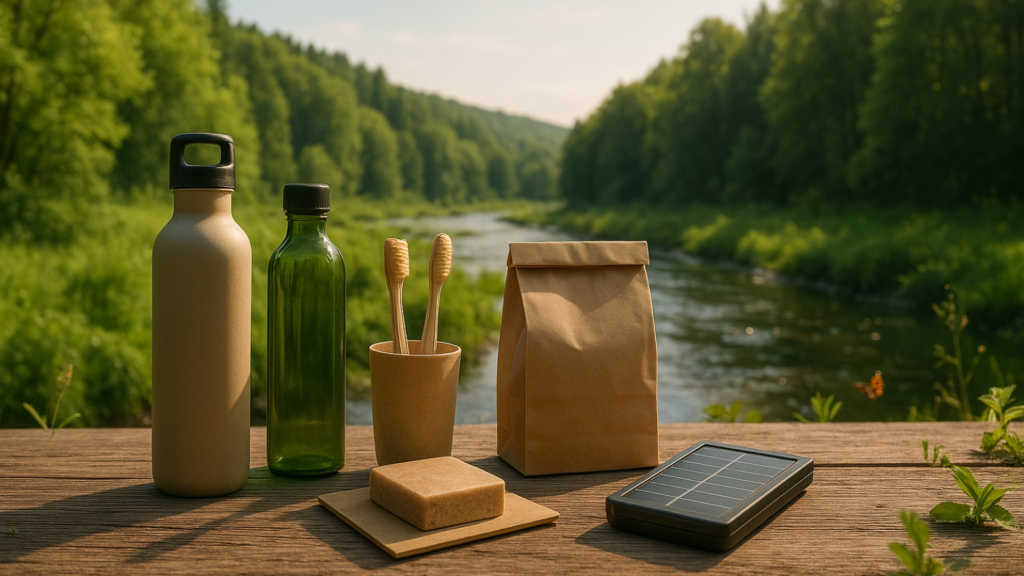
Sustainable products demonstrate measurably positive environmental outcomes across multiple ecological indicators. Understanding specific benefits helps consumers recognise genuine value beyond marketing claims.
Reduced Carbon Emissions and Climate Benefits
Eco-friendly products carbon footprint comparison shows dramatic reductions in greenhouse gas emissions throughout production and use:
- Manufacturing emissions: Renewable energy usage cuts production emissions by 40-60% compared to fossil fuel-dependent processes
- Transportation impact: Local and regional sourcing eliminates transcontinental shipping, reducing transport emissions by 70-85%
- Carbon sequestration: Plant-based materials like bamboo, hemp, and organic cotton absorb atmospheric carbon during growth, creating carbon-negative raw materials
- Energy efficiency: Sustainable products often require less energy during use, with Energy Star certified items consuming 10-50% less electricity
- Lifecycle totals: Complete lifecycle emissions for eco-friendly alternatives typically measure 50-75% lower than conventional equivalents
Climate-friendly products contribute directly to emission reduction targets essential for limiting global temperature rise below critical thresholds.
Water Conservation and Protection
Eco-friendly products environmental impact on water resources demonstrates responsible stewardship:
- Reduced consumption: Organic agriculture and efficient manufacturing processes use 75-90% less water than conventional methods
- Pollution prevention: Closed-loop water systems and natural dyes eliminate chemical contamination of rivers and groundwater
- Aquifer protection: Pesticide-free farming prevents agricultural runoff containing nitrogen, phosphates, and toxic chemicals
- Ecosystem preservation: Clean water discharge protects aquatic habitats, supporting biodiversity and fisheries
- Greywater recycling: Advanced sustainable facilities recycle process water multiple times before discharge
Water scarcity affects billions globally. Protecting watersheds through conscious product choices preserves essential resources for current and future generations.
Biodiversity and Habitat Protection
Sustainable manufacturing and sourcing practices safeguard ecosystems:
- Habitat preservation: Responsible forestry and agriculture maintain natural habitats rather than clear-cutting or monoculture farming
- Pollinator protection: Organic farming eliminates pesticides harmful to bees, butterflies, and beneficial insects
- Soil health: Natural farming methods maintain soil microbiome diversity, supporting robust ecosystems
- Wildlife safety: Biodegradable materials prevent wildlife entanglement and ingestion injuries common with plastic pollution
- Marine ecosystem protection: Reduced plastic pollution and chemical runoff preserve coral reefs and ocean biodiversity
Benefits of eco-friendly products extend to entire ecological networks. Protecting individual species maintains interconnected food webs supporting planetary health.
Waste Reduction and Resource Efficiency
Low-impact products minimise disposal burdens through thoughtful design:
- Biodegradability: Natural materials decompose within months or years rather than centuries, returning nutrients to soil
- Recyclability: Single-material construction and standard components facilitate effective recycling programmes
- Durability: Quality construction extends product lifespans 3-5 times longer than disposable alternatives
- Reusability: Multi-use design eliminates single-use waste entirely for many product categories
- Circular economy: Take-back programmes and material recovery systems create closed-loop manufacturing cycles
Zero waste alternatives demonstrate how product design prevents waste generation rather than merely managing disposal.
Air Quality Improvements
Non-toxic eco-friendly products reduce atmospheric pollution:
- VOC elimination: Natural materials avoid volatile organic compound release that contributes to smog and respiratory issues
- Manufacturing emissions: Clean production processes eliminate particulate matter and toxic fumes
- Indoor air quality: Chemical-free products prevent off-gassing in homes and workplaces
- Reduced extraction pollution: Renewable material sourcing eliminates mining and drilling emissions
- Transportation benefits: Local production reduces diesel exhaust from long-distance freight
Clean and green products protect both outdoor environments and indoor spaces where people spend 90% of their time.
Environmental Impact of Non-Eco-Friendly Products
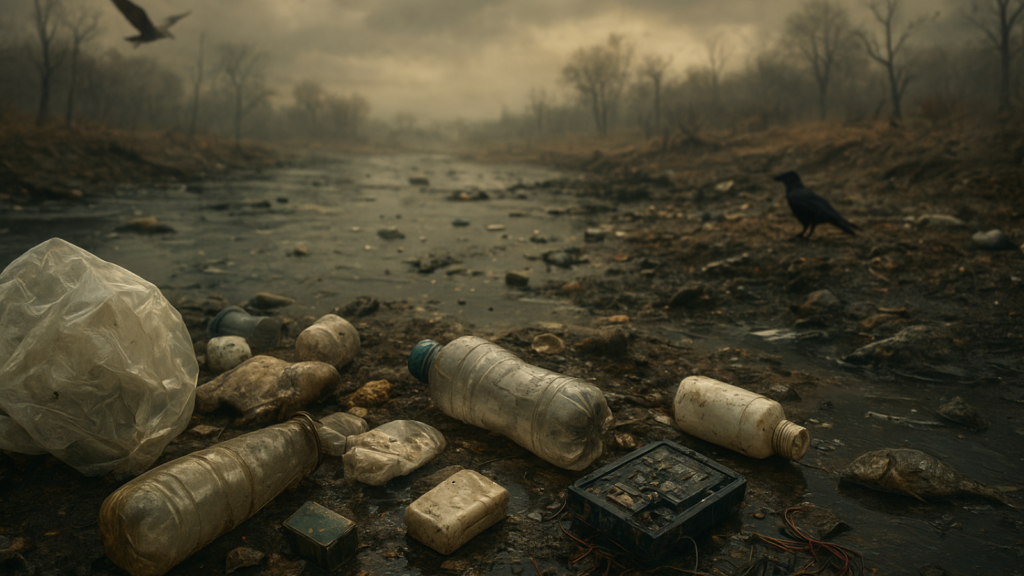
Conventional products create cascading environmental damage extending far beyond initial use. Non-eco-friendly products environmental damage accumulates across ecosystems, affecting air, water, soil, and living organisms for generations.
Greenhouse Gas Emissions and Climate Change Acceleration
Traditional manufacturing intensifies climate crisis through multiple pathways:
- Fossil fuel dependence: Petroleum extraction and processing for plastic production releases massive carbon dioxide and methane emissions
- Energy-intensive manufacturing: Coal-powered factories generate 2-3 times more emissions than renewable energy alternatives
- Global supply chains: Transcontinental shipping adds 20-40% additional emissions beyond production
- Deforestation: Virgin material extraction destroys carbon-sequestering forests, releasing stored carbon while eliminating future absorption
- Methane from waste: Landfilled products decompose anaerobically, producing methane 25 times more potent than carbon dioxide
Environmental cost of everyday products includes contribution to extreme weather events, sea-level rise, and ecosystem collapse driven by atmospheric changes.
Plastic Pollution and Marine Ecosystem Destruction
Environmental harm of plastic products represents one of civilisation’s most persistent challenges:
- Ocean accumulation: 8 million tonnes of plastic enter oceans annually, forming massive garbage patches and coastline contamination
- Wildlife casualties: Over 100,000 marine mammals and 1 million seabirds die yearly from plastic ingestion or entanglement
- Microplastic contamination: Plastic fragments infiltrate food chains, detected in fish, shellfish, sea salt, and human blood
- Coral reef damage: Plastic debris introduces pathogens and blocks sunlight essential for coral survival
- Persistent pollution: Single-use plastics remain in environments for 500-1,000 years, fragmenting but never truly disappearing
Plastic pollution impact extends globally, microplastics discovered in Arctic ice, mountain lakes, and deep ocean trenches demonstrate comprehensive environmental penetration.
Water Contamination and Scarcity
Traditional manufacturing devastates freshwater resources:
- Industrial discharge: Untreated effluent containing heavy metals, dyes, and chemicals poisons rivers and groundwater
- Agricultural runoff: Pesticide and fertiliser pollution creates toxic algae blooms, oxygen-depleted dead zones
- Textile industry impact: Fashion production requires 79 billion cubic metres of water annually while releasing toxic chemicals
- Resource depletion: Conventional cotton farming consumes excessive irrigation, draining aquifers and rivers
- Treatment challenges: Municipal water systems struggle removing synthetic chemicals and microplastics
Pollution caused by conventional products affects drinking water quality for millions while destroying aquatic ecosystems supporting biodiversity and fisheries.
Toxic Chemical Exposure and Health Hazards
Harmful chemicals in products create widespread health and environmental risks:
- Endocrine disruptors: BPA, phthalates, and synthetic fragrances interfere with hormonal systems in humans and wildlife
- Carcinogens: Formaldehyde, benzene, and other compounds increase cancer risks for workers and consumers
- Respiratory irritants: Volatile organic compounds trigger asthma, allergies, and chronic respiratory conditions
- Bioaccumulation: Persistent chemicals accumulate in fatty tissues, concentrating up food chains
- Developmental harm: Chemical exposure during pregnancy and childhood affects neurological development and immune function
Disadvantages of non-eco-friendly products include immediate and long-term health consequences extending beyond environmental concerns.
Habitat Destruction and Biodiversity Loss
Resource extraction and manufacturing devastate natural ecosystems:
- Deforestation: Virgin paper and palm oil production eliminates rainforests at alarming rates, destroying countless species’ habitats
- Mining damage: Metal extraction for electronics creates toxic wastelands, poisoning surrounding environments
- Monoculture farming: Industrial agriculture replaces diverse ecosystems with single-crop deserts lacking ecological complexity
- Pesticide casualties: Chemical farming kills beneficial insects, birds, and soil organisms essential for ecosystem function
- Habitat fragmentation: Resource extraction and infrastructure development isolate wildlife populations, reducing genetic diversity
Sixth mass extinction event accelerates partly through consumption patterns favouring destructive conventional products over sustainable alternatives.
Soil Degradation and Agricultural Decline
Traditional farming and manufacturing practices undermine agricultural productivity:
- Chemical contamination: Pesticides and industrial pollutants poison soil microorganisms essential for nutrient cycling
- Erosion acceleration: Conventional farming depletes topsoil 10-40 times faster than natural regeneration
- Nutrient depletion: Chemical fertiliser dependence exhausts natural soil fertility, requiring increasing inputs
- Desertification: Poor practices convert productive land into barren desert incapable of supporting plant life
- Carbon release: Soil degradation releases stored carbon, contributing additional greenhouse gases
Environmental degradation from consumer goods extends to agricultural systems humanity depends upon for food security.
Landfill Crisis and Toxic Waste Accumulation
Disposal of conventional products overwhelms waste management infrastructure:
- Space consumption: Landfills occupy valuable land while leaching toxins into surrounding soil and groundwater
- Methane generation: Decomposing organic waste mixed with plastics produces potent greenhouse gases
- Leachate pollution: Rainwater percolating through waste creates toxic liquid contaminating water tables
- Slow decomposition: Synthetic materials persist indefinitely, creating permanent pollution rather than nutrient cycling
- Incineration toxins: Burning plastic waste releases dioxins and other carcinogens into atmosphere
Toxic waste from non-eco-friendly products represents irreversible environmental damage requiring expensive remediation efforts spanning decades.
Benefits of Eco-Friendly Products
Eco-friendly product benefits for environment extend beyond individual purchases to systemic improvements. Sustainable product benefits compound over time as adoption increases.
Environmental Advantages
- Reduced greenhouse gas emissions mitigate climate change impacts
- Preserved biodiversity through habitat protection and pollution reduction
- Cleaner air and water improve ecosystem health
- Resource conservation ensures availability for future generations
- Decreased landfill burdens free land for productive uses
Environmental sustainability guide principles recognise interconnected ecological systems. Protecting one element benefits entire networks.
Health Benefits
- Reduced chemical exposure lowers disease risks
- Improved indoor air quality from non-toxic materials
- Fewer allergens and irritants in personal care items
- Safer food from organic agriculture practices
- Worker protection through ethical production standards
Human wellbeing connects directly to environmental health. Protecting ecosystems safeguards public health.
Conclusion
Differences between eco-friendly and non-eco-friendly products extend far beyond surface characteristics. Material composition, manufacturing processes, packaging approaches, and end-of-life disposal create fundamentally different environmental impacts.
Transitioning toward sustainable living choices represents both personal responsibility and collective necessity. Climate change, resource depletion, and ecosystem degradation demand urgent action. Eco-friendly shopping vs conventional shopping offers tangible pathways for positive contribution.
Eco-Friendly vs Non-Eco-Friendly Products comparison reveals clear differences across materials, health impact, climate influence, and waste outcomes. Sustainable alternatives to non-eco-friendly products empower households to protect ecosystems while meeting daily needs.
Eco-friendly product education transforms purchasing power into environmental responsibility. Collective action through mindful consumption accelerates progress toward healthier communities and resilient planetary systems.
Frequently Asked Questions
1. What exactly makes a product eco-friendly?
Eco-friendly products minimise environmental harm throughout their entire lifecycle, from raw material sourcing through manufacturing, usage, and disposal. Key characteristics include biodegradable or recyclable materials, renewable resource content, minimal packaging, energy-efficient production, absence of toxic chemicals, and ethical manufacturing practices.
2. Are eco-friendly products always more expensive than conventional alternatives?
Initially, many sustainable products cost more than conventional options due to higher-quality materials, ethical labour practices, and responsible manufacturing processes. However, eco-friendly products often prove more economical long-term because they’re designed for durability and extended lifespans, requiring fewer replacements over time.
3. How can I identify greenwashing versus genuinely sustainable products?
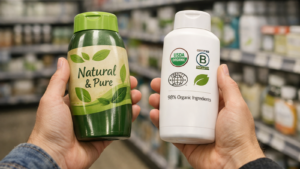
Greenwashing involves misleading environmental claims without substantive proof or meaningful action behind marketing messages. Identify authentic eco-friendly products by verifying third-party certifications, researching company transparency regarding supply chains and manufacturing processes, reading detailed ingredient lists, and seeking specific measurable claims rather than vague terms like “natural” or “green.”
4. What are the biggest environmental problems caused by non-eco-friendly products?
Non-eco-friendly products contribute to climate change through fossil fuel dependence and high carbon emissions, create persistent plastic pollution contaminating oceans and food chains, generate toxic waste from harmful chemicals that poison ecosystems, deplete finite natural resources, and produce excessive landfill waste.
5. Can switching to eco-friendly products really make a difference?
Individual purchasing decisions create collective market demand that influences corporate behaviour and manufacturing practices. When consumers consistently choose sustainable products, companies respond by investing in greener technologies, reducing emissions, improving labour conditions, and developing innovative eco-friendly alternatives.
6. Which eco-friendly swaps should I prioritise first?
Start with high-impact categories that you use frequently: reusable shopping bags, water bottles, and food containers eliminate substantial single-use plastic waste. Replace personal care items like shampoo bars, bamboo toothbrushes, and natural cleaning products to reduce chemical exposure and packaging waste.
7. How do I know if eco-friendly product certifications are legitimate?
Verify certification authenticity by checking official databases maintained by certifying organisations themselves. Fair Trade International, Forest Stewardship Council, and USDA Organic websites provide product verification tools. Research the certification body’s standards, inspection processes, and independence from industry influence to ensure rigorous requirements.
8. Are biodegradable plastics truly better for the environment?
Biodegradable and compostable plastics offer advantages over conventional petroleum-based plastics but require specific conditions to decompose properly. Many bioplastics need industrial composting facilities with controlled temperature and moisture levels. They won’t break down in home compost bins or natural environments.
9. Do eco-friendly products work as well as conventional ones?
Modern sustainable products match or exceed conventional alternatives in performance while providing environmental benefits. Natural cleaning products using vinegar, baking soda, and plant-based ingredients effectively remove dirt and bacteria without harsh chemicals. Bamboo toothbrushes clean teeth as effectively as plastic versions while biodegrading naturally.
10. What’s the single most impactful change I can make as a consumer?
Reducing overall consumption represents the most powerful environmental action. Buying fewer, higher-quality items that last longer dramatically decreases resource extraction, manufacturing emissions, and waste generation. Before purchasing anything, ask whether you genuinely need it, can borrow it, or buy it second-hand.