So, 2025 is just around the corner, and if you’re running a business, you’ve probably heard a lot about being ‘green’. It’s not just a buzzword anymore; it’s actually becoming a pretty big deal for how companies operate and what customers expect. This year, we’re seeing some really interesting shifts in how products are made and what people are looking for. Staying on top of these changes isn’t just good for the planet, it’s smart business. Let’s break down the main Eco-Friendly Product Trends Every Business Should Watch in 2025.
Key Takeaways
- Businesses need to pay attention to sustainability because customers and rules are changing.
- Products made from recycled stuff or that can be reused are becoming more popular.
- Using less water and energy from renewable sources is a big trend.
- Making things last longer and using materials that break down naturally is important.
- Ethical sourcing and making sure products are made fairly matters to people buying them.
The Growing Importance of Sustainability for Businesses
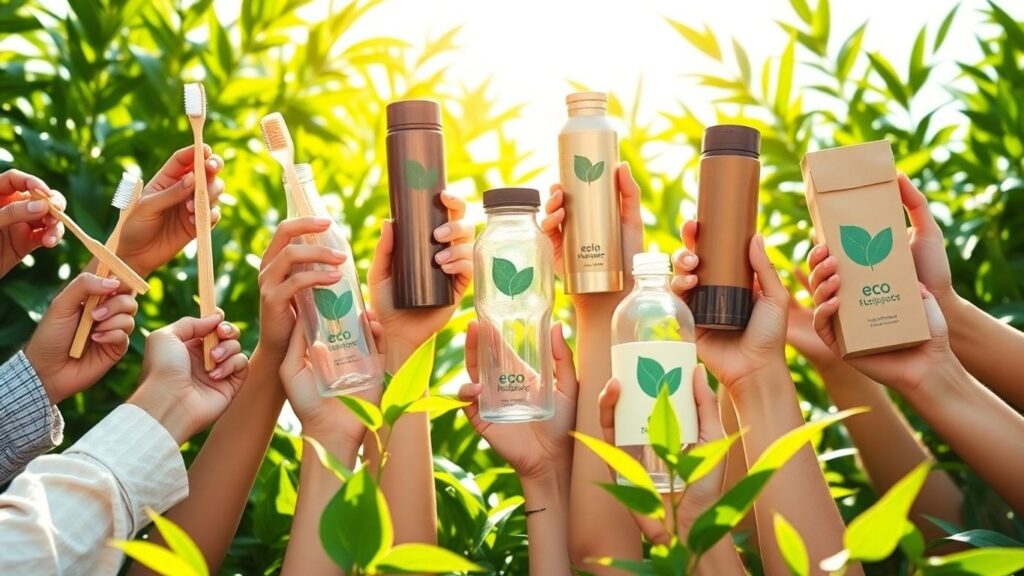
It feels like everywhere you look these days, people are talking about sustainability. And it’s not just a niche thing anymore; it’s becoming a really big deal for businesses of all sizes. Think about it – customers are paying more attention to where their stuff comes from and how it’s made. They want to support companies that are doing good for the planet, not just making a profit.
This shift in consumer mindset means that sustainability isn’t just a nice-to-have; it’s becoming a must-have for staying relevant. Companies that ignore this are going to find themselves left behind. It’s about more than just looking good; it’s about building a business that can actually last.
Here’s a quick look at why it matters so much:
- Customer Demand: People are actively seeking out brands that align with their values. If your business isn’t showing a commitment to eco-friendly practices, you’re likely losing customers to those who are.
- Risk Management: Ignoring environmental and social issues can lead to serious problems down the line, like supply chain disruptions, regulatory fines, or damage to your brand’s reputation.
- Innovation and Efficiency: Focusing on sustainability often forces companies to rethink their processes, leading to new, more efficient ways of doing things. This can actually save money in the long run.
- Attracting Talent: Younger generations, in particular, want to work for companies that make a positive impact. A strong sustainability record can help you attract and keep good employees.
The pressure is mounting from all sides – customers, investors, and even employees are expecting businesses to step up. It’s no longer enough to just talk about it; companies need to show real action.
So, while it might seem like a lot to take on, getting serious about sustainability is really just smart business in today’s world. It’s about making sure your company is ready for whatever comes next.
Key Eco-Friendly Product Trends to Monitor in 2025

As we look ahead to 2025, the landscape of business is being reshaped by a growing demand for products that are not only functional but also kind to our planet. Companies that pay attention to these shifts will find themselves better positioned for success. We’re seeing a real push for green product innovations across the board, and it’s more than just a passing fad.
Circular Economy and Product Lifecycles
This is all about keeping products in use for as long as possible. Think less about throwing things away and more about repairing, reusing, and recycling. Brands are starting to design products with their end-of-life in mind, making them easier to take apart and use again. IKEA’s work on refurbishing furniture is a good example of this in action. It’s a move away from the old ‘take-make-dispose’ model.
Biodegradable and Compostable Materials
We’re seeing a big shift away from plastics that stick around forever. Companies are exploring materials that can break down naturally. This includes things like packaging made from plant starches or even algae. The goal is to reduce landfill waste and the pollution that comes with it. It’s a smart way to handle packaging and other disposable items.
Upcycled and Recycled Content
Instead of using brand-new raw materials, many businesses are looking at what’s already out there. Upcycling takes waste materials and turns them into something new and often better. Using recycled content, like plastic bottles turned into fabric or old paper made into new packaging, also cuts down on the need to extract new resources. It’s a practical way to reduce environmental impact.
Water Conservation and Efficiency
Water is a precious resource, and businesses are starting to take notice. This trend focuses on products and processes that use less water or reuse water more effectively. From low-flow fixtures in buildings to agricultural techniques that minimize water use, efficiency is key. Companies are being held more accountable for their water footprint.
Renewable Energy Integration
Products themselves are starting to incorporate renewable energy sources. Think solar-powered gadgets or appliances designed to work with smart grids that prioritize clean energy. This trend is also about how products are made, with more companies powering their manufacturing with solar or wind energy. It’s a move towards cleaner production and consumption.
Ethical Sourcing and Fair Trade
Consumers are increasingly interested in where their products come from and how they are made. This means looking beyond just the environmental impact to consider the social side too. Ethical sourcing ensures that materials are obtained responsibly, without harming people or the environment. Fair trade practices guarantee that workers receive fair wages and work in good conditions. Transparency in the supply chain is becoming a major selling point.
Minimalist and Durable Design
There’s a growing appreciation for products that are built to last and don’t have a lot of unnecessary features. Minimalism in design often means less material is used, and durability means the product won’t need replacing anytime soon. This approach reduces waste and encourages a more mindful approach to consumption. Quality over quantity is the name of the game here.
Smart Technology for Sustainability
Technology is playing a huge role in making products more eco-friendly. Smart thermostats that reduce energy use, apps that help track water consumption, or sensors that optimize resource use in manufacturing are all examples. These tools provide data and control, allowing for more efficient and sustainable operations and lifestyles.
The push for sustainability isn’t just about following rules; it’s about smart business. Companies that embrace these eco-friendly product trends are likely to find they connect better with customers, attract investment, and build a more resilient future for themselves.
How Businesses Can Adapt to These Trends
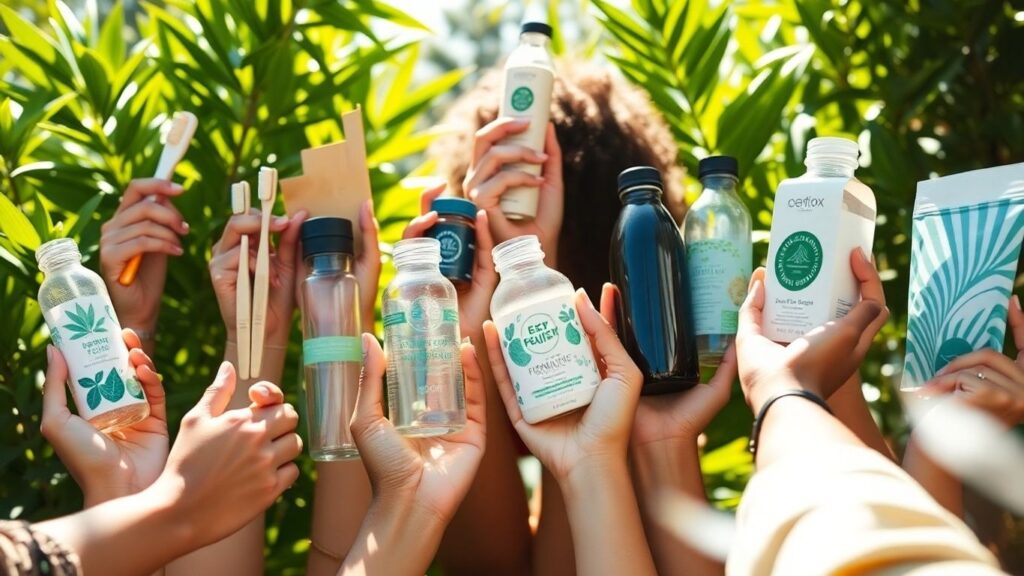
So, how do you actually get your business on board with all these eco-friendly shifts? It’s not just about slapping a green label on something and calling it a day. First off, take a good, honest look at what you’re already doing. Where are your biggest impacts? Are you using a ton of water? Is your packaging a nightmare? Figuring this out is step one.
Next, pick a few of these trends that actually make sense for your company. You don’t have to do everything at once. Maybe focusing on upcycled materials is a good starting point, or perhaps improving your water efficiency makes more sense. Aligning your goals with what’s realistic for your business is key.
Here’s a quick rundown of how to start:
- Audit your current practices: See where you’re at with waste, energy, and materials.
- Set clear, achievable goals: Don’t aim for perfection overnight. Small wins add up.
- Invest in smarter tech: Look into tools that help track your impact or reduce resource use.
- Talk to your suppliers: Make sure they’re on the same eco-page as you are.
- Educate your team: Get everyone involved and understanding why this matters.
It’s also really important to think about the whole life of your product. From how it’s made to what happens after someone’s done with it. This means looking at your supply chain, how you package things, and even what happens at the end of the line. Companies that start integrating these changes now will likely find themselves ahead of the curve, not just meeting regulations but also attracting customers who care about these issues.
Adapting to eco-friendly trends isn’t just about being ‘good’; it’s becoming a smart business move. It helps manage risks, can cut costs in the long run, and builds a better reputation. Think of it as future-proofing your business in a world that’s increasingly focused on sustainability.
The Future of Eco-Friendly Business Practices

Looking ahead, the landscape of business is shifting, and it’s becoming clear that sustainability isn’t just a nice-to-have anymore; it’s a core part of how companies will operate. We’re seeing a real push towards circular economy principles, meaning products are designed to last, be repaired, and eventually recycled, cutting down on waste significantly. This isn’t just about feeling good; it’s about smart business. Think about it: reusing materials and offering repair services can actually lower production costs over time. Plus, with consumer demand for eco conscious goods only growing, businesses that ignore this will likely fall behind.
We’re also going to see more companies seriously investing in environmental impact reduction strategies. This includes things like switching to renewable energy sources – solar and wind power are becoming way more affordable. It also means being smarter about water usage, especially in areas where water is scarce. The future of sustainable manufacturing is going to involve a lot more innovation, using recycled content and developing new biodegradable materials.
Here’s a quick look at what to expect:
- Increased adoption of renewable energy: Expect more businesses to power their operations with solar, wind, and other green sources.
- Focus on product longevity: Designing for durability and repair will become standard practice.
- Widespread use of recycled and upcycled materials: Companies will increasingly incorporate these into their products.
- Water conservation efforts: Implementing efficient water management will be key for many industries.
The drive towards sustainable business practices in 2025 and beyond is fueled by a combination of consumer pressure, regulatory changes, and a growing understanding that environmental responsibility is good for business. Companies that embrace these shifts proactively will be the ones that thrive.
Ultimately, the businesses that will succeed in the coming years are those that integrate sustainability into their very DNA. It’s about more than just a few green initiatives; it’s a fundamental change in how we think about production, consumption, and our impact on the planet. The sustainable business practices 2025 will be defined by this holistic approach.
Looking Ahead: Making Sustainability Work for Your Business
So, we’ve talked about a bunch of ways businesses can get more eco-friendly in 2025. It might seem like a lot, and honestly, some of it is pretty complex. But the main takeaway is that being green isn’t just a nice-to-have anymore; it’s becoming a must-have for staying relevant. Whether it’s rethinking how you package things, sourcing materials more carefully, or even looking at how your buildings operate, there are opportunities everywhere. Don’t feel like you have to do everything at once. Start small, pick a few areas that make sense for your company, and build from there. The world is changing, and businesses that adapt now will be the ones that stick around and do well in the long run. It’s about being smart and thinking ahead.
Frequently Asked Questions
What are eco-friendly product trends?
Eco-friendly product trends are new ideas and shifts in how products are made and used to be better for the planet. Think about using less plastic, making things last longer, or using materials that break down naturally. Businesses watch these trends to create products people want and that help the environment.
Why should businesses care about these trends in 2025?
In 2025, customers are really paying attention to how companies act. Plus, governments are making new rules. Businesses that don’t keep up with eco-friendly trends might lose customers, face fines, or seem out of touch. Staying current helps them be successful and responsible.
What does ‘circular economy’ mean for products?
A circular economy means instead of just making something, using it, and throwing it away, we try to keep products and materials in use for as long as possible. This includes fixing things, reusing them, or recycling them into new products. It’s all about reducing waste and using resources wisely.
What’s the deal with biodegradable and compostable materials?
Biodegradable materials can break down naturally over time, and compostable materials can turn into healthy soil in a compost pile. Using these instead of regular plastics or other materials that stick around for ages helps cut down on pollution and landfill waste.
How does ‘upcycled’ or ‘recycled content’ help?
Using upcycled or recycled content means making new products from old ones. For example, turning plastic bottles into fabric or old tires into playground surfaces. This saves energy and resources because we don’t have to create everything from brand new materials.
What is ‘minimalist and durable design’ in products?
This trend is about making products that are simple, don’t have unnecessary parts, and are built to last a long time. Instead of buying something new every year, you buy one good item that you can use for many years. This reduces waste and the need to constantly produce more.