Power outages strike without warning, leaving households scrambling in darkness. Severe weather, grid failures, or infrastructure challenges cause blackouts that disrupt daily life and create safety concerns. Eco-conscious consumers face both challenges and opportunities when preparing for such emergencies. Balancing preparedness with environmental responsibility requires thoughtful planning and sustainable solutions.
Modern households depend heavily on electricity for comfort, safety, communication, and essential services. Families need reliable backup plans that preserve environmental values when blackouts occur. This comprehensive guide explores eco-friendly power outage preparedness strategies. Practical solutions keep you safe, comfortable, and aligned with green living principles.
Why Power Outage Preparedness Matters
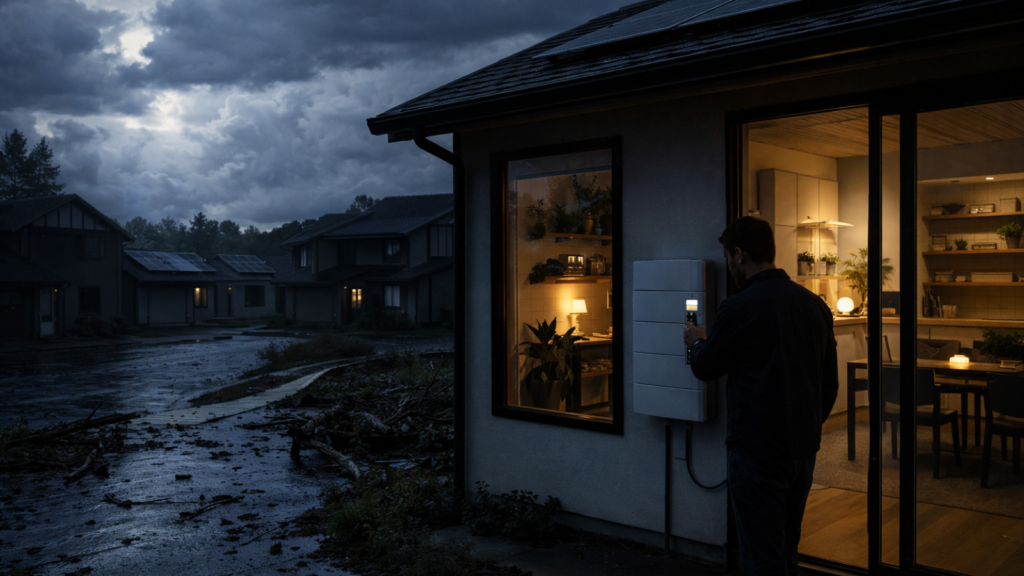
Understanding why blackout readiness deserves attention helps motivate proper planning. Climate-related disruptions, aging infrastructure, and increased energy demand create growing risks for electrical systems worldwide. Preparing now prevents panic later and ensures household resilience during emergencies.
How Climate Change Is Increasing Power Disruptions
Climate change directly impacts electrical grid stability through multiple pathways. Extreme weather events damage transmission lines, substations, and generation facilities with increasing frequency. Hurricanes, wildfires, ice storms, and heatwaves create these damaging conditions. Rising temperatures strain power systems as cooling demand surges during summer months, sometimes exceeding grid capacity.
Wildfires pose particular threats to transmission infrastructure. Utilities implement preventive shutoffs in high-risk areas to prevent fire ignition. These planned blackouts leave communities without electricity for extended periods. Intense storms bring down power lines through high winds, fallen trees, and flooding damage.
Research indicates extreme weather-related outages increased by over 60% from 2011 to 2021. Climate projections suggest further acceleration. Coastal regions face heightened vulnerability from hurricanes and rising sea levels threatening low-lying infrastructure. Northern areas experience more frequent ice storms that coat lines with heavy accumulations, causing structural failures.

Why Eco-Friendly Solutions Make Sense
Choosing sustainable power outage solutions creates multiple benefits beyond immediate emergency preparedness. Green backup systems reduce greenhouse gas emissions, supporting broader climate action efforts. Renewable energy options produce zero emissions during operation, unlike fossil fuel generators. Solar panels and battery systems contribute nothing to air pollution or carbon emissions.
Financial advantages accompany environmental benefits substantially. Solar charging devices, battery storage systems, and energy-efficient appliances reduce long-term costs through lower energy consumption and minimal maintenance requirements. Many sustainable solutions offer durability and reliability surpassing conventional alternatives, providing better value over product lifespans.
Eco-Friendly Power Backup Options
Sustainable energy solutions provide reliable backup power without environmental compromise. Multiple technologies offer green alternatives to conventional generators. Different needs and budgets suit each option. Understanding available options helps select appropriate systems for specific situations.
Solar Chargers and Power Banks
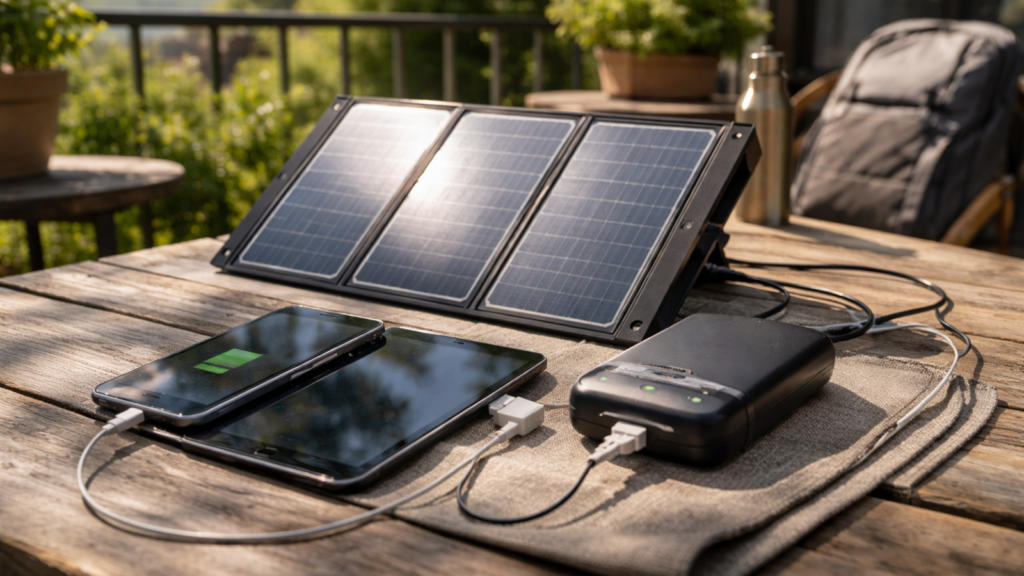
Portable solar chargers represent accessible entry points for renewable backup power. These devices convert sunlight directly into electricity, charging phones, tablets, and other small electronics. Quality solar chargers provide dependable performance even in partially cloudy conditions, making them practical for various climates.
Solar power banks combine photovoltaic panels with built-in battery storage, allowing energy collection during daylight for use anytime. Capacities range from small units charging single devices to larger models supporting multiple electronics simultaneously. Look for units with 3 key features: efficient solar panels, adequate battery capacity for your needs, and durable weather-resistant construction.
Selection considerations include charging speed, battery capacity measured in milliamp-hours (mAh), and panel efficiency ratings. Higher capacity units charge devices multiple times before requiring sunlight replenishment. Some models feature multiple USB (Universal Serial Bus) ports, wireless charging capability, and integrated LED (Light-Emitting Diode) lights as useful additional functions during blackouts.
Proper positioning maximises solar charging effectiveness significantly. Place panels in direct sunlight at appropriate angles for your latitude. Adjust positioning throughout the day to track sun movement when possible. Clean panels regularly to maintain efficiency, as dust and debris reduce light absorption.
Maintenance remains minimal for quality solar chargers throughout their lifespan. Store units in cool, dry locations when not in use. Avoid exposing batteries to extreme temperatures that degrade performance. Check connections periodically and test functionality monthly to ensure readiness when needed.
Battery Storage Systems for Homes
Home battery systems provide substantial backup capacity, storing energy from solar panels or grid electricity for emergency use. These installations support essential household circuits during outages, maintaining comfort and safety without fossil fuels. Costs have declined significantly as technology improves and production scales increase.
Lithium-ion battery systems dominate residential installations due to efficiency, longevity, and decreasing prices. These units store kilowatt-hours of energy, sufficient for running refrigerators, lights, communication devices, and other essentials for hours or days, depending on capacity and consumption.
System sizing depends on critical loads and desired backup duration. Calculate essential appliance wattage to determine minimum battery capacity. Consider daily consumption patterns and potential outage lengths typical for your area. Professional energy audits help identify realistic requirements and appropriate system specifications.
Integration with solar panels creates self-sufficient backup power, recharging batteries during daylight. This combination provides indefinite operation during extended outages, limited only by sunlight availability and consumption rates. Grid-connected systems also charge from utility power when available, maintaining readiness regardless of weather.
Installation requires professional expertise to ensure safe, code-compliant integration with household electrical systems. Qualified installers handle necessary permits, configure battery management systems, and connect emergency circuits properly. Professional installation also typically includes warranties covering equipment and workmanship.
Financial incentives in many regions offset battery system costs. Tax credits, rebates, and net metering programmes improve economic feasibility. Research available programmes in your location and factor incentives into total cost calculations. Return on investment includes both emergency preparedness value and potential energy bill savings.
Comparing Green Alternatives to Fuel Generators
Fossil fuel generators provide backup power but create environmental and practical concerns. Understanding how green alternatives compare helps make informed choices aligned with sustainable values. Several factors merit consideration beyond simple power output.
Emissions represent the primary environmental distinction. Gas and diesel generators produce carbon dioxide, carbon monoxide, nitrogen oxides, and particulate matter during operation. Solar panels and battery systems generate zero emissions while providing backup power. This difference matters greatly for climate-conscious households prioritising carbon footprint reduction.
Operating costs favour renewable systems over time. Fuel generators require ongoing purchases of gasoline or diesel, with prices subject to market volatility. Storage of flammable liquids creates additional hassles and hazards. Battery systems and solar equipment have no fuel costs, just initial investment and minimal maintenance expenses.
Noise pollution makes fossil fuel generators problematic for residential areas. Engine operation produces significant sound, disturbing neighbours and wildlife. Battery systems run silently, providing power without acoustic disruption. This consideration particularly matters during extended outages affecting entire neighbourhoods.
Maintenance requirements differ substantially. Generators need regular oil changes, filter replacements, fuel stabilisation, and periodic engine running to prevent degradation. Battery systems require minimal maintenance beyond occasional inspections. Solar panels need cleaning but have no moving parts to service.
Safety considerations favour clean energy alternatives. Carbon monoxide poisoning from improper generator use causes deaths annually. Fuel storage and handling present fire hazards. Battery systems and solar equipment avoid these dangers entirely, offering safer backup power options for households.
Longevity typically favours sustainable technologies. Quality battery systems last 10 years to 15 years or longer with proper management. Solar panels often exceed 25-year lifespans with minimal performance degradation. Generators experience mechanical wear requiring eventual replacement, typically within 10 years for residential units with regular use.
Staying Safe During a Power Outage
Safety concerns multiply when electricity fails. Preparation prevents accidents, injuries, and health emergencies during blackouts. Eco-friendly safety measures provide protection while maintaining environmental responsibility throughout emergency situations.
Safe Lighting Without Candles
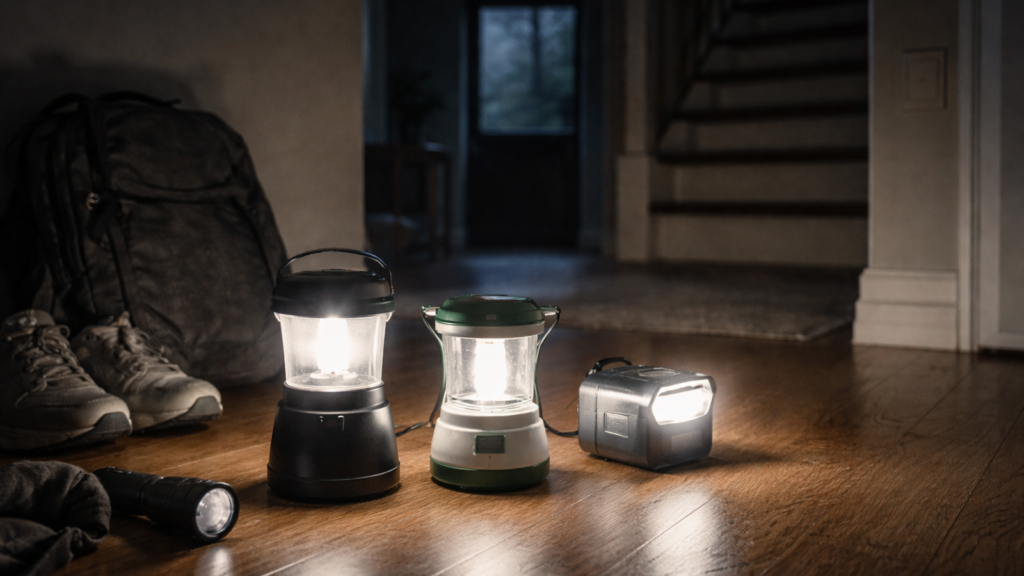
Traditional candle lighting poses significant fire risks during power outages. House fires increase dramatically during blackouts due to candle accidents. Sustainable alternatives provide reliable illumination without fire hazards or toxic emissions.
LED lanterns offer excellent eco-friendly lighting solutions. Battery-powered LED units produce bright, efficient light using minimal energy. Solar rechargeable lanterns combine convenience with sustainability, charging during daylight for night-time use. Hand-crank models generate power through manual operation, eliminating battery replacement needs.
Solar-powered outdoor lights brought indoors during emergencies provide gentle illumination. Garden path lights, designed for outdoor use, work well when removed from stakes and placed around living spaces. This dual-purpose approach maximises existing resources without additional purchases.
Headlamps and clip-on lights keep hands free while moving through darkened spaces. These wearable options prevent trips and falls while allowing safe navigation and task completion. Choose LED models with multiple brightness settings to conserve battery life.
Emergency lighting placement matters for safety and efficiency. Position lights near stairs, hallways, and exits to prevent accidents. Keep rechargeable lights in consistent locations so family members know where to find them. Designate one primary light source per room to avoid confusion.
Charging strategies ensure readiness. Maintain rotation schedules for rechargeable lights, cycling batteries to prevent degradation. Keep backup batteries for battery-operated lights, choosing rechargeable cells over single-use options. Store lights in accessible locations known to all household members.
Food Safety Without Refrigeration
Refrigeration loss creates food safety challenges during extended outages. Proper planning and smart strategies prevent illness while minimising waste. Eco-conscious approaches emphasise preservation over disposal whenever possible.
Temperature monitoring helps determine food safety. Refrigerators maintain safe temperatures for approximately 4 hours (240 minutes) without power when doors remain closed. Freezers stay cold longer, typically 24 hours to 48 hours (1,440 minutes to 2,880 minutes), depending on fullness and external temperatures. Thermometers placed in refrigeration units provide accurate temperature readings.
Strategic door opening preserves cold air. Retrieve multiple items at once rather than making frequent trips. Plan meals requiring refrigerated ingredients first, consuming perishables before non-perishables. Keep freezers packed with frozen containers of water that extend cold retention time while providing drinking water as ice melts.
Coolers extend refrigeration capacity using ice blocks. Transfer most perishable items to well-insulated coolers. Layer ice blocks or frozen gel packs between food items. Drain water as ice melts to maintain effectiveness. Place coolers in coolest available locations away from direct sunlight.
Food preservation techniques reduce reliance on refrigeration. Canning, dehydrating, and fermenting preserve foods without electricity. Maintain stocks of shelf-stable foods requiring no refrigeration: dried fruits, nuts, canned goods, dried beans, rice, and properly stored grains.
Understanding spoilage signs helps make safe decisions. Discard items showing unusual odours, colours, or textures. Dispose of questionable foods when doubt exists about safety. Err on the side of caution as foodborne illness poses serious health risks.
Composting reduces waste from food loss. Rather than sending spoiled items to landfills, composting returns nutrients to soil. Households without gardens maintain small composting systems or find local composting programmes accepting food waste.
Keeping Medical Devices Powered
Medical equipment power requirements demand careful planning. Life-sustaining devices cannot tolerate electrical interruptions, making backup power absolutely essential for affected households. Multiple redundancy layers provide critical safety margins.
Battery backups designed specifically for medical equipment offer primary protection. Many devices include internal batteries providing several hours of operation. External battery packs extend runtime significantly. Manufacturers often provide backup power solutions designed for specific equipment models.
Uninterruptible Power Supplies (UPS) provide seamless transition when grid power fails. These devices contain batteries that instantly activate, preventing even momentary interruptions. Quality UPS units deliver clean, stable power protecting sensitive electronics. Size appropriately for medical device wattage and desired backup duration.
Portable solar generators support longer outages. These systems combine solar panels with battery storage, offering renewable backup power for days or weeks. Calculate equipment power requirements carefully to ensure adequate capacity. Professional guidance helps select appropriate systems for medical needs.
Communication with healthcare providers establishes emergency protocols. Discuss backup power options with equipment suppliers and medical teams. Obtain written emergency procedures specific to each device. Register with local utilities for priority restoration when blackouts occur.
Emergency planning includes alternative care locations. Identify nearby facilities equipped to support medical needs during extended outages. Arrange transportation plans in advance. Maintain contact information for emergency services and healthcare providers in readily accessible formats.
Staying Comfortable Without Electricity
Comfort maintenance during outages requires planning and adaptation. Temperature regulation, air quality, and basic conveniences contribute to wellbeing during extended blackouts. Eco-friendly strategies provide comfort without environmental compromise.
Natural Cooling and Heating Techniques
Temperature management without powered HVAC (Heating, Ventilation, and Air Conditioning) systems utilises passive strategies and smart planning. Understanding thermal dynamics helps maintain comfortable conditions using minimal resources.
Passive cooling leverages natural airflow and strategic shading. Open windows on opposite sides of homes to create cross-ventilation. Operate window openings during cooler evening and morning hours, closing them during peak heat. Hang damp sheets in doorways or windows as evaporation creates cooling effects.
Strategic shading reduces solar heat gain. Close curtains, blinds, and shutters on sun-facing windows during daytime. Use reflective materials in windows to deflect sunlight. Position outdoor shade structures, awnings, or temporary covers to block direct sun exposure.
Lower building levels typically remain cooler due to thermal stratification. Move activities to basements or ground floors during extreme heat. Cooling zones concentrate resources in single rooms rather than attempting whole-house temperature control.
Thermal mass provides temperature stability. Buildings with brick, concrete, or stone interiors maintain more stable temperatures than lightweight construction. These materials absorb heat slowly during day and release stored warmth at night, moderating temperature swings.
Heating strategies emphasise insulation and heat retention. Close off unused rooms to concentrate warmth. Use weather stripping and door sweeps to prevent drafts. Layer blankets, sleeping bags, and extra clothing rather than trying to heat entire spaces.
Passive solar heating captures winter sunlight. Open curtains on south-facing windows during daylight hours. Sunlight warms interior surfaces, radiating heat after sunset. Close window coverings at night to retain captured warmth.
Emergency heating alternatives require careful safety consideration. Propane heaters designed for indoor use provide supplemental warmth but require adequate ventilation. Avoid makeshift heating solutions using camp stoves or grills that produce deadly carbon monoxide.
Eco-Smart Clothing and Bedding Choices
Appropriate clothing and bedding significantly impact comfort during power outages. Natural materials offer advantages over synthetic alternatives for temperature regulation and sustainability.
Natural fibres provide superior temperature regulation. Cotton, linen, wool, and bamboo fabrics breathe well, allowing moisture evaporation while providing insulation. These materials work effectively across temperature ranges, adapting to varying conditions.
Layering optimises temperature control. Multiple thin layers trap insulating air between garments. Add or remove layers as conditions change. Base layers wick moisture, middle layers provide insulation, and outer layers block wind or retain warmth as needed.
Wool offers exceptional thermal properties even when wet. Merino wool provides warmth without bulk, regulates temperature naturally, and resists odours. Wool blankets become invaluable during cold-weather outages, providing reliable warmth without electricity.
Summer clothing emphasises breathability and moisture-wicking properties. Loose-fitting, light-coloured natural fabrics reflect heat and allow airflow. Avoid synthetic materials that trap heat and moisture, creating discomfort during warm weather outages.
Sleeping bags designed for appropriate temperature ratings provide compact emergency bedding. Choose models with natural fill materials like down or wool for eco-friendly options. Proper storage prevents compression and maintains loft essential for insulation.
Organic and ethically sourced textiles align with sustainable values. Prioritise items meeting environmental and labour standards when purchasing emergency clothing and bedding. Quality natural-fibre products typically last longer, offering better long-term value.
Ventilation Tips for Indoor Air Quality
Air quality deteriorates in sealed buildings without mechanical ventilation. Strategic natural ventilation maintains healthy indoor environments during outages. Proper techniques balance fresh air introduction with temperature control.
Cross-ventilation creates effective airflow through strategic window placement. Open windows on opposite walls at different heights with warm air exiting through upper openings while cooler air enters below. This natural convection pattern continuously refreshes indoor air.
Stack ventilation utilises temperature differences between building levels. Opening upper-story windows allows warm air to escape while lower openings draw fresh air inside. This technique works particularly well in multi-story homes.
Exhaust ventilation removes contaminated or humid air from specific spaces. Open bathroom and kitchen windows when cooking or showering to prevent moisture accumulation. Moisture control prevents mould growth during extended outages.
Air filtration using passive methods improves quality when pollution or smoke affects outdoor air. Close windows during poor outdoor air quality periods. Use damp cloths to wipe surfaces, capturing particles. HEPA (High-Efficiency Particulate Air) filters in battery-powered units provide mechanical filtration when needed.
Plants contribute to air quality through natural processes. Indoor greenery absorbs carbon dioxide and releases oxygen. Effects are modest, but maintaining plants offers psychological benefits alongside minor air quality improvements.
Monitor carbon dioxide buildup in sealed spaces. Headaches, drowsiness, and difficulty concentrating indicate inadequate fresh air circulation. Immediately increase ventilation when symptoms appear, even compromising temperature control.
Eco-Friendly Emergency Supplies Checklist
Comprehensive emergency kits ensure readiness while minimising environmental impact. Thoughtful selection emphasises durability, reusability, and minimal waste. Proper preparation reduces last-minute scrambling during actual emergencies.
Reusable and Low-Waste Essentials
Sustainable emergency supplies emphasise durability and multi-use capabilities. Single-use items create unnecessary waste while often providing inferior performance compared to quality reusable alternatives.
Stainless steel water bottles provide durable hydration solutions. Unlike disposable plastic bottles, quality metal containers last years with proper care. Insulated models maintain beverage temperatures, adding comfort during temperature extremes. Choose bottles compatible with standard water filters for purification capabilities.
Cloth items replace disposable paper products. Reusable napkins, towels, and cleaning cloths reduce waste while performing effectively. Natural fibre options like cotton or bamboo wash easily and last through hundreds of uses. Store clean cloths in emergency kits ready for immediate deployment.
Rechargeable batteries eliminate single-use battery waste. Invest in quality rechargeable cells and compatible chargers, including solar charging options. Proper battery management maintains readiness by rotating regularly and charging periodically to prevent degradation.
Multi-tools combine numerous functions in compact packages. Quality multi-tools include knives, screwdrivers, can openers, and other useful implements. Durable construction ensures reliability during emergencies when equipment failure is unacceptable. Choose models from reputable manufacturers offering lifetime warranties.
Silicone storage bags provide reusable food storage. These flexible, durable containers replace disposable plastic bags for food preservation and organisation. Withstanding extreme temperatures from freezer to microwave, silicone bags prove versatile for everyday and emergency use.
Manual alternatives for electric devices ensure functionality without power. Hand-crank radios, flashlights, and phone chargers convert physical effort into electrical energy. Manual devices never run out of power when needed most, though less convenient than battery-powered options.
Water Storage and Purification Solutions
Water access represents critical emergency priorities. Adequate storage combined with purification capability ensures safe drinking water during extended outages affecting municipal supplies or private wells.
Food-grade water containers designed specifically for long-term storage maintain water quality. Blue plastic containers rated for potable water storage protect contents from light and contamination. Glass containers offer excellent non-reactive storage but require careful handling. Stainless steel provides durable alternatives for shorter-term storage.
Storage capacity should provide several days’ supply per person. Public health guidance recommends 3.8 litres (1 gallon) per person daily for drinking and sanitation. Families should store minimum 3-day (72-hour) supplies, with week-long (7-day, 168-hour) provisions preferred for comprehensive preparedness.
Rotation schedules prevent stagnation. Replace stored water every 6 months (180 days) to 12 months (365 days), depending on storage conditions and container types. Label containers with fill dates to track rotation timing. Use rotated water for household purposes like garden irrigation.
Water purification methods ensure safe drinking water from questionable sources. Ceramic filters remove bacteria and protozoa through mechanical filtration. Activated carbon reduces chemical contaminants and improves taste. Boiling remains effective when fuel sources are available, though energy-intensive.
Gravity-fed water filters provide convenient purification without electricity or pumping. These systems use natural pressure to move water through filtration media. Capacity ranges from small camping filters to large household units processing gallons daily.
Ultraviolet sterilisation pens powered by batteries or hand-cranks disable pathogens through UV (Ultraviolet) light exposure. Compact and portable, these devices provide convenient purification for small water quantities. Effectiveness requires clear water so pre-filter turbid water before UV treatment.
Chemical treatment tablets offer lightweight backup purification. Chlorine dioxide or iodine tablets disinfect water through chemical reactions. Chemical treatments leave slight taste and require waiting periods before consumption. Reserve chemical methods for emergency situations when other options are not available.
Sustainable First-Aid and Hygiene Items
Health and sanitation maintenance during outages prevents illness and maintains morale. Eco-friendly supplies provide necessary care while minimising environmental impact.
Comprehensive first-aid kits address common injuries and medical needs. Include bandages, gauze, tape, antiseptic, pain relievers, and medications specific to household members. Choose minimal packaging and recyclable materials when possible. Organic cotton and bamboo products offer sustainable alternatives to synthetic medical supplies.
Reusable menstrual products eliminate disposable waste. Menstrual cups, washable cloth pads, and period underwear provide effective alternatives to single-use products. Proper cleaning maintains hygiene with soap and water sufficing for routine maintenance. Store clean backup supplies in emergency kits.
Natural hygiene products reduce chemical exposure. Baking soda serves multiple purposes: toothpaste, deodorant, and cleaning agent. Castile soap works for body washing, shampoo, and general cleaning. Essential oils provide natural antimicrobial properties and pleasant scents.
Dry shampoo extends time between hair washing when water conservation is necessary. Cornstarch-based formulas absorb oil and refresh hair without water. Natural alternatives like arrowroot powder function similarly for eco-conscious consumers.
Toilet paper alternatives reduce reliance on disposable products. Bidets or spray bottles enable water-based cleaning requiring minimal supplies. Reusable toilet cloths stored in sanitary containers provide sustainable options, though cultural acceptance varies. Composting toilets offer long-term solutions for properties with appropriate facilities.
Waste management systems maintain sanitation during extended outages. Line toilets with compostable bags when plumbing fails. Separate solid and liquid waste to simplify disposal and reduce odours. Follow composting guidelines for human waste or arrange proper disposal once services resume.
Preparing in Advance for Long-Term Outages
Extended blackouts require more comprehensive planning than brief disruptions. Advance preparation ensures household resilience during week-long or longer power failures. Systematic approaches create functional systems rather than emergency improvisations.
Creating an Eco-Conscious Emergency Plan
Formal emergency planning transforms vague intentions into actionable protocols. Written plans clearly communicate responsibilities, procedures, and resources to all household members. Regular review and updating maintain plan relevance as circumstances change.
Document all emergency contact information. Include utility companies, local emergency services, insurance providers, healthcare practitioners, and out-of-area family contacts. Store information in multiple formats: printed copies, digital files on devices, and cloud backups. Ensure all family members know how to access contact lists.
Map household power priorities and backup systems. Identify which circuits connect to battery backup, which appliances are essential, and what manual alternatives exist for powered devices. Create visual guides showing circuit breaker locations, emergency shutoffs, and equipment operating instructions.
Establish communication protocols for separated family members. Designate out-of-area contacts as information hubs when local communication fails. Predetermined meeting locations provide fallback options when electronic communication is impossible. Practice emergency communication procedures periodically.
Inventory emergency supplies and document locations. Maintain updated lists of food stores, water supplies, first-aid contents, and backup power equipment. Photograph setups and configurations for future reference. Share inventory information with household members so anyone can locate needed items.
Schedule regular emergency drills simulating power outages. Practice operating backup systems, preparing meals without electricity, and following communication protocols. Drills reveal planning gaps and build confidence before real emergencies. Treat practice sessions seriously to maximise learning.
Review and update plans annually or after major life changes. Household composition changes, medical needs evolve, and available resources shift over time. Seasonal considerations also merit attention as winter preparation differs from summer readiness. Continuous improvement strengthens overall preparedness.
Charging and Power Rotation Strategies
Systematic battery management maintains readiness across multiple devices and systems. Rotation schedules prevent battery degradation while ensuring charged backups are always available when outages strike.
Create charging stations where batteries and devices rotate regularly. Dedicate outlets or solar chargers to maintain emergency equipment separately from daily-use items. Visual indicators like labelled containers or charging status tags help track which items need attention.
Implement rotation schedules based on battery chemistry and device usage. Lithium batteries benefit from partial charge cycles rather than complete discharge and recharge. Maintain emergency device batteries between 40% to 80% charge for optimal longevity. Lead-acid batteries require different management with full periodic charges preventing sulfation.
Prioritise critical equipment in charging rotation. Medical devices, communication tools, and primary lighting receive attention before convenience items. Charging capacity becomes precious during multi-day outages so focus resources on truly essential devices.
Solar charging schedules work around weather and daylight availability. Maximise solar collection by positioning panels properly and charging multiple devices in sequence. Prioritise afternoon charging when possible as morning dew and haze reduce efficiency while afternoon sun typically offers stronger output.
Battery storage conditions affect longevity and performance. Store backup batteries in cool, dry locations away from temperature extremes. Extreme heat or cold accelerate degradation. Remove batteries from devices when storing long-term to prevent corrosion from leakage.
Testing protocols verify battery readiness. Quarterly testing ensures backup devices function properly when needed. Document test results to identify declining batteries requiring replacement. Replace batteries showing significant capacity loss or other performance degradation.
Involving the Whole Household
Emergency preparedness succeeds only when all household members understand plans and responsibilities. Family involvement builds confidence, reveals oversights, and ensures everyone can respond appropriately during actual emergencies.
Age-appropriate education helps children understand emergency situations without creating excessive fear. Explain blackout causes, likely duration, and what will happen in simple terms. Emphasise that preparedness prevents problems rather than dwelling on worst-case scenarios.
Assign specific responsibilities to capable family members. Tasks might include checking emergency supplies monthly, maintaining communication devices, managing pet needs, or operating backup equipment. Clear assignments prevent confusion and ensure nothing is overlooked.
Practice emergency procedures together regularly. Conduct blackout simulations where household members navigate in darkness using emergency lighting, prepare meals without power, and follow communication protocols. Make drills enjoyable rather than frightening, perhaps incorporating games or challenges.
Accommodate special needs within emergency planning. Consider mobility limitations, communication barriers, dietary restrictions, and other individual requirements. Ensure backup systems address every household member’s critical needs without assumptions or oversights.
Maintain emergency information appropriate for various age groups. Young children might carry cards with parent contact information and basic instructions. Older family members need access to medical information, medication lists, and emergency contacts.
Regular family meetings review emergency preparedness topics. Discuss supply inventory, plan updates, and any concerns household members have identified. Open dialogue encourages questions and suggestions, improving overall readiness through collective input.
Community and Neighbourhood Preparedness
Individual household readiness provides important resilience, but community cooperation amplifies capacity during widespread outages. Collective preparation creates networks supporting vulnerable neighbours and sharing resources efficiently.
Sharing Resources During Outages
Neighbourhood resource networks strengthen community resilience during blackouts. Coordinated sharing ensures everyone has essential supplies while preventing waste and duplication. Pre-established relationships and communication systems enable rapid mutual aid deployment.
Skill sharing proves invaluable during extended emergencies. Some neighbours excel at home repairs, others at food preparation, medical training, or caring for children and elderly. Creating neighbourhood skill inventories identifies available expertise for mutual benefit.
Equipment sharing multiplies community capacity. Expensive backup systems like solar generators, large battery banks, and water filtration systems become more feasible when costs split among multiple households. Shared ownership arrangements require clear agreements covering maintenance responsibilities, usage schedules, and cost allocation.
Communication networks keep neighbours informed during outages. Direct communication becomes essential without internet or mobile service. Designate physical locations for message boards or regular check-in times when neighbours connect face-to-face. Simple systems work reliably when technology fails.
Vulnerable neighbour identification ensures no one is forgotten. Know which neighbours require medical equipment, have mobility limitations, or live alone. Check on vulnerable community members during outages, offering assistance as needed. Small gestures like shared meals, help with tasks, or companionship significantly impact wellbeing.
Resource-sharing logistics require advance planning. Establish clear expectations about what can be borrowed, how long items can be kept, and return procedures. Respect boundaries while remaining generous as balanced approaches maintain positive relationships through challenging circumstances.
Community Solar and Energy Co-Ops
Collective renewable energy projects provide community-scale backup power while advancing clean energy adoption. Co-operative models distribute costs and benefits equitably among participants, making sustainable energy more accessible.
Community solar installations allow households without suitable roofs to access solar power. Participants subscribe to portions of larger installations, receiving credits for their share of production. Community systems potentially provide emergency power to essential facilities or participating households during outages.
Energy co-operatives democratise power generation and distribution. Member-owned utilities prioritise community values like reliability, sustainability, and affordability over profit maximisation. Co-ops typically invest more in grid resilience and renewable generation than conventional utilities.
Microgrid development creates localised power networks capable of islanding during grid failures. Combining community solar, battery storage, and smart controls, microgrids maintain power to critical facilities during regional outages. Schools, community centres, and emergency shelters benefit from reliable backup electricity.
Participation in collective energy projects requires research and careful consideration. Understand contract terms, financial obligations, and expected benefits before committing. Evaluate installation reputation, equipment quality, and maintenance plans. Compare options from multiple providers when available.
Advocacy strengthens community energy resilience. Support local policies encouraging renewable energy, grid modernisation, and resilience improvements. Participate in utility planning processes, advocating for community priorities. Collective action influences decisions affecting everyone.
Supporting Vulnerable Neighbors
Outage impacts affect people unequally. Elderly individuals, those with disabilities, families with young children, and people with chronic health conditions face heightened risks during blackouts. Community support networks provide critical assistance to vulnerable members.
Regular check-ins establish relationships before emergencies occur. Knowing neighbours creates trust enabling mutual aid when crises strike. Simple conversations build connections that might save lives during extended outages.
Assistance might include sharing backup power for critical medical devices, providing warm or cool shelter spaces, offering meals, or simply checking that someone is safe. Small efforts make enormous differences for vulnerable individuals during extended hardships.
Accessibility considerations ensure emergency information and resources reach everyone. Provide information in multiple languages and formats accommodating various disabilities. Visual, hearing, or mobility impairments require different accommodation approaches.
Coordinate with local emergency services and social service organisations. Community-level support complements but does not replace professional emergency response. Know how to contact appropriate authorities when situations exceed neighbourhood capacity.
Privacy and dignity matter when offering assistance. Respect independence while providing needed support. Ask what help is wanted rather than assuming needs. Maintain confidentiality about personal circumstances discovered through assistance efforts.
Final Thoughts on Sustainable Power Outage Preparedness
Comprehensive blackout readiness protects household safety and comfort while maintaining environmental responsibility. Thoughtful preparation prevents panic, reduces risks, and ensures smooth adaptation when electricity fails. Green solutions offer reliable alternatives without compromising sustainability values.
Small Steps That Make a Big Difference
Major preparation projects intimidate many households, creating paralysis that prevents any action. Starting small builds momentum toward comprehensive readiness without overwhelming limited time and resources. Incremental improvements accumulate into substantial capabilities.
Begin with simple, low-cost measures. Acquire solar-powered flashlights and phone chargers. Build modest water storage using cleaned beverage containers. Inventory existing supplies before purchasing additional items. These basic steps provide foundation for expanding preparedness efforts.
Monthly small purchases spread costs manageably. Adding emergency supplies gradually avoids budget strain while steadily increasing readiness. Set realistic goals, perhaps one new item or system monthly. Consistency matters more than speed toward ultimate preparedness objectives.
Skills development complements physical preparations. Learn food preservation techniques, basic first aid, manual tool use, and other relevant competencies. Knowledge provides adaptability when circumstances differ from anticipated scenarios. Educational resources are widely available through libraries, community classes, and online platforms.
Testing and practice reveal whether preparations actually work. Regular drills identify oversights and build confidence operating backup systems. Discovering problems during practice allows corrections before stakes are real. Treat preparedness as ongoing process rather than one-time accomplishment.
Staying Resilient While Protecting the Planet
Environmental responsibility and emergency preparedness are not competing priorities. They reinforce each other naturally. Sustainable solutions often prove more reliable, economical, and adaptable than conventional alternatives. Green preparedness benefits both households and broader ecosystems.
Climate change increases disaster frequency and severity, making preparation increasingly critical. Emergency response choices impact climate trajectories through resource consumption and emissions, though. Breaking this cycle requires commitment to sustainable approaches even during crises.
Resilience extends beyond physical preparations to mental and emotional readiness. Accepting that outages will occur reduces anxiety when blackouts strike. Confident preparation enables calm, rational responses rather than panic. Psychological preparation often matters as much as material supplies.
Community connections strengthen individual and collective capacity. Strong neighbourhoods weather disruptions better than disconnected populations. Relationships built through normal times become lifelines during emergencies. Investing in community pays dividends when challenges arrive.
Long-term thinking shapes better decisions. Short-term convenience sometimes conflicts with long-term wellbeing. Prioritising sustainability may require initial effort or expense but yields ongoing benefits. Patient investment in green solutions protects both households and planet for generations.
Balance represents the ultimate goal. Sufficient preparation without obsession, environmental responsibility without impracticality, and individual readiness without isolating from community create functional systems supporting safety, comfort, and values simultaneously.
Power outage preparedness demonstrates values through action. Eco-conscious choices during emergencies prove sustainability commitment even when circumstances are difficult. Every decision matters, collectively shaping both immediate outcomes and long-term futures.
Frequently Asked Questions
What are the most important eco-friendly items for power outage preparedness?
Solar chargers, LED lanterns, rechargeable batteries, and reusable water storage containers form essential foundations. These items provide critical functions like lighting, communication, and hydration without disposable waste. Building gradually from these basics creates comprehensive sustainable emergency readiness.
How long do home battery backup systems typically last during outages?
Duration depends on battery capacity and household consumption rates. Systems sized appropriately for essential loads often provide 8 hours (480 minutes) to 24 hours (1,440 minutes) of backup power. Battery systems potentially maintain indefinite operation during extended outages when paired with solar panels for recharging.
Are solar generators powerful enough for medical equipment?
Yes, quality solar generators handle most home medical devices effectively. Calculate specific equipment wattage requirements and select systems with adequate capacity and output characteristics. Consult with medical equipment suppliers and solar specialists to ensure compatibility for your particular devices.
How can I keep food safe during extended power outages?
Maintain refrigerator and freezer doors closed to retain cold. Transfer perishables to well-insulated coolers with ice blocks. Consume refrigerated items first, then frozen foods. Plan meals strategically and understand safe food handling temperatures to prevent illness.
What natural cooling methods work best during summer blackouts?
Cross-ventilation through strategic window opening creates effective airflow. Hang damp sheets for evaporative cooling. Utilise lower building levels where cooler air settles. Close curtains on sun-facing windows during peak heat. Limit physical activity during hottest periods.
How much water should I store per person for emergencies?
Store minimum 3.8 litres (1 gallon) per person daily for drinking and basic sanitation. Three-day (72-hour) supplies represent baseline readiness, with week-long (7-day, 168-hour) provisions preferred. Consider additional storage for pets and special needs.
Can I safely use a generator indoors during power outages?
No, never operate fuel generators indoors or in attached garages. Carbon monoxide poisoning causes deaths annually. Solar battery generators operate safely indoors, producing zero emissions. Fuel generators require outdoor placement with proper distance from windows and air intakes.
What’s the difference between battery backup and solar generators?
Battery backups store grid electricity for emergency use, automatically activating during outages. Solar generators combine solar panels with battery storage, enabling renewable recharging. Both provide clean emergency power, though solar systems offer energy independence during extended blackouts.
How do I involve children in emergency preparedness?
Use age-appropriate education emphasising safety rather than fear. Assign simple responsibilities like checking flashlight batteries. Conduct practice drills presented as family activities. Teach basic emergency procedures and ensure children know important contact information.
What community resources help with power outage preparedness?
Local emergency management agencies provide planning resources and training. Community organisations often coordinate neighbourhood preparedness networks. Utilities sometimes offer programmes supporting emergency readiness. Public libraries stock emergency preparedness materials and may host educational programmes.