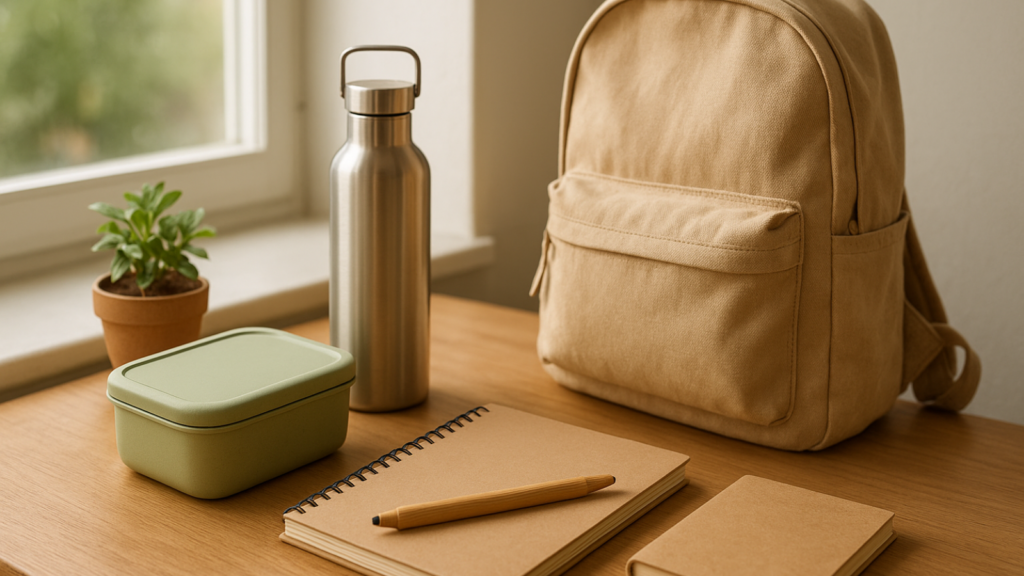
Eco-Friendly Back-to-School Essentials represent a category of environmentally responsible school products designed to reduce waste, protect health, and support long-term learning habits. Students influence environmental outcomes daily through notebooks, stationery, bags, lunch items, and study tools. Each academic term creates repeated consumption patterns that affect ecosystems worldwide.
Sustainable school supplies for students reduce landfill pressure, lower plastic pollution, and support ethical manufacturing. Green school essentials also reinforce environmental responsibility through education. Learning environments improve when materials prioritise safety, durability, and resource conservation.
This guide explains eco-friendly back-to-school essentials through practical, student-focused sections. Every recommendation supports sustainable learning while maintaining usability, affordability, and global relevance.
Why Eco-Friendly Back-to-School Essentials Matter for Students
Eco-Friendly Back-to-School Essentials matter because school routines generate consistent material consumption throughout academic years. Students use notebooks, pens, folders, bags, and lunch containers daily. Disposable or low-quality supplies increase waste volumes rapidly.
Environmentally friendly school essentials support three outcomes (waste reduction, health protection, and sustainability education). Students experience practical environmental stewardship through everyday actions.
Choosing sustainable school supplies for students directly addresses 3 environmental challenges. Firstly, reducing school waste decreases landfill contributions. Secondly, supporting sustainable brands for kids encourages manufacturers towards ethical practices. Thirdly, parents making mindful school shopping choices demonstrate environmental stewardship through education, fostering awareness within younger generations about protecting environmental resources.
Essential Eco-Friendly Stationery for Students
Building sustainable school kits begins with selecting appropriate writing instruments and paper products. Notebooks represent fundamental classroom requirements. Conventional versions contribute substantially towards deforestation. Opting for recycled notebooks for school ensures reduced environmental impact while maintaining functionality.
1. 100% Recycled Paper Notebooks
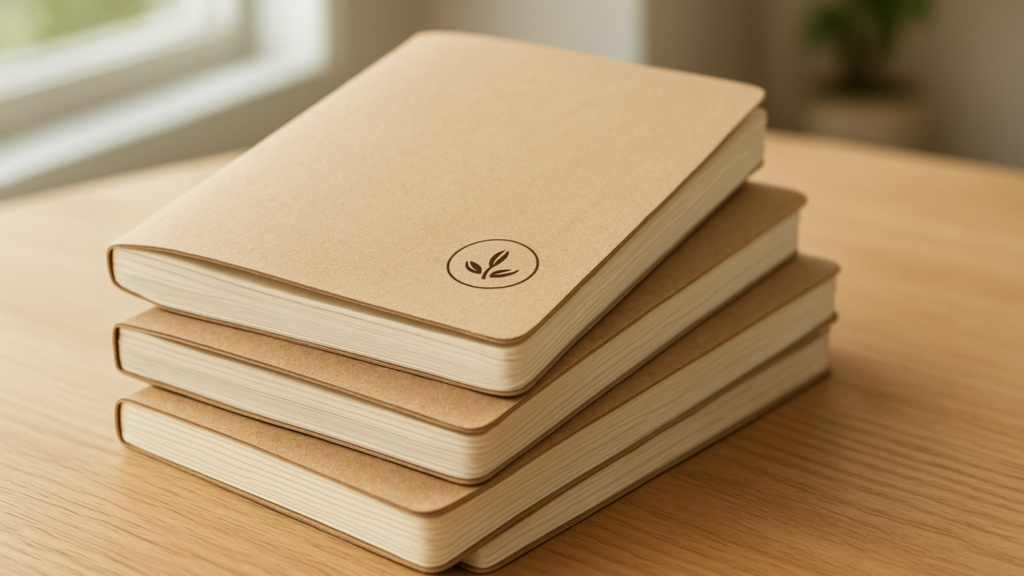
Description: These notebooks feature covers and pages manufactured entirely from post-consumer recycled materials. The binding uses non-toxic adhesives. Pages accept various writing instruments without bleeding. Standard sizes include A4 (210mm x 297mm) and A5 (148mm x 210mm) formats.
Eco Features:
- Contains 100% post-consumer recycled content
- Manufactured using chlorine-free processing methods
- Printed with soy-based inks reducing petroleum dependency
- Features FSC certification ensuring sustainable forest management
- Packaged in minimal recyclable cardboard without plastic wrapping
Why Students Love This: Students appreciate the smooth writing surface that performs identically to conventional notebooks. Pages resist ink bleeding and feathering. The durable construction withstands daily classroom wear. Covers feature attractive designs demonstrating environmental values. Many students report feeling proud knowing their supplies contribute towards forest conservation.
Pros:
- Identical performance to virgin paper notebooks
- Reduces deforestation and landfill waste significantly
- Costs comparable to conventional notebooks
- Available in multiple sizes and ruling options
Cons:
- Paper colour appears slightly off-white or cream
- Limited design variety compared to conventional brands
- Availability restricted in some geographical locations
2. Natural Bamboo Pencils
Description: These writing instruments feature hexagonal barrels crafted from sustainably harvested bamboo. Standard HB graphite cores provide smooth writing. Natural finishes avoid synthetic coatings. Dimensions match conventional pencils at 190mm (7.5 inches) length and 7mm (0.28 inches) diameter.
Eco Features:
- Manufactured from rapidly renewable bamboo requiring no pesticides
- Features biodegradable construction decomposing naturally
- Contains no synthetic coatings or chemical treatments
- Produces significantly lower carbon footprint than wooden alternatives
- Packaged in recyclable cardboard boxes without plastic
Why Students Love This: Students find bamboo pencils sharpen smoothly in standard sharpeners. Writing feels comfortable and natural. The unique grain patterns make each pencil distinctive. Many students appreciate the lightweight feel compared to wooden pencils. Teachers report fewer breakages due to bamboo’s natural flexibility and strength.
Pros:
- Writes identically to traditional wooden pencils
- Stronger and more flexible than standard wood
- Completely biodegradable and compostable
- Priced competitively with conventional pencils
Cons:
- Natural variations create inconsistent appearance
- Limited colour options due to natural finish
- Slightly harder wood texture requires adjustment period
3. Refillable Fountain Pens
Description: These writing instruments feature durable metal or recycled plastic barrels accepting standard ink cartridges. Stainless steel nibs provide smooth, consistent ink flow. Ergonomic grips enhance comfort during extended writing sessions. Multiple nib sizes accommodate different handwriting styles.
Eco Features:
- Constructed from durable materials lasting 10 to 20 years
- Accepts replaceable ink cartridges eliminating entire pen disposal
- Reduces plastic waste by approximately 90% compared to disposable pens
- Available in recycled plastic or sustainable metal options
- Compatible with converter systems accepting bottled ink
Why Students Love This: Students enjoy the smooth writing experience fountain pens provide. Handwriting often improves due to required proper grip and pressure. Many students appreciate the sophisticated appearance and personalisation options. Parents report significant cost savings over purchasing disposable pens repeatedly. Teachers note improved writing posture amongst fountain pen users.
Pros:
- Provides superior writing experience and comfort
- Dramatically reduces long-term costs
- Eliminates thousands of disposable pens from landfills
- Encourages proper handwriting technique
Cons:
- Higher initial investment than disposable pens
- Requires learning proper usage technique
- Needs regular maintenance and cleaning
- Ink cartridges require careful storage
4. Recycled Ocean Plastic Backpacks
Description: These backpacks feature fabric woven from recycled ocean-bound plastic bottles. Multiple compartments organise books, laptops, and supplies efficiently. Padded shoulder straps distribute weight evenly. Water-resistant coating protects contents from weather. Capacity ranges from 18 to 25 litres (1098 to 1525 cubic inches).
Eco Features:
- Manufactured from 15 to 20 recycled plastic bottles per backpack
- Prevents ocean plastic pollution by intercepting coastal waste
- Features plant-based water-resistant coating avoiding petroleum treatments
- Uses recycled metal zippers and hardware
- Comes with lifetime repair guarantee reducing replacement needs
Why Students Love This: Students appreciate the modern, stylish designs available in multiple colours. Organised compartments simplify daily packing. Comfortable straps prevent shoulder strain during long school days. Many students feel proud knowing their backpack directly prevents ocean pollution. Parents value the lifetime warranty ensuring long-term use.
Pros:
- Diverts significant plastic waste from oceans
- Performs identically to conventional synthetic backpacks
- Includes lifetime repair guarantee
- Available in numerous sizes and styles
Cons:
- Costs 20 to 30% more than standard backpacks
- Limited availability in physical retail stores
- Fabric texture differs slightly from virgin polyester
5. Divided Stainless Steel Lunch Box
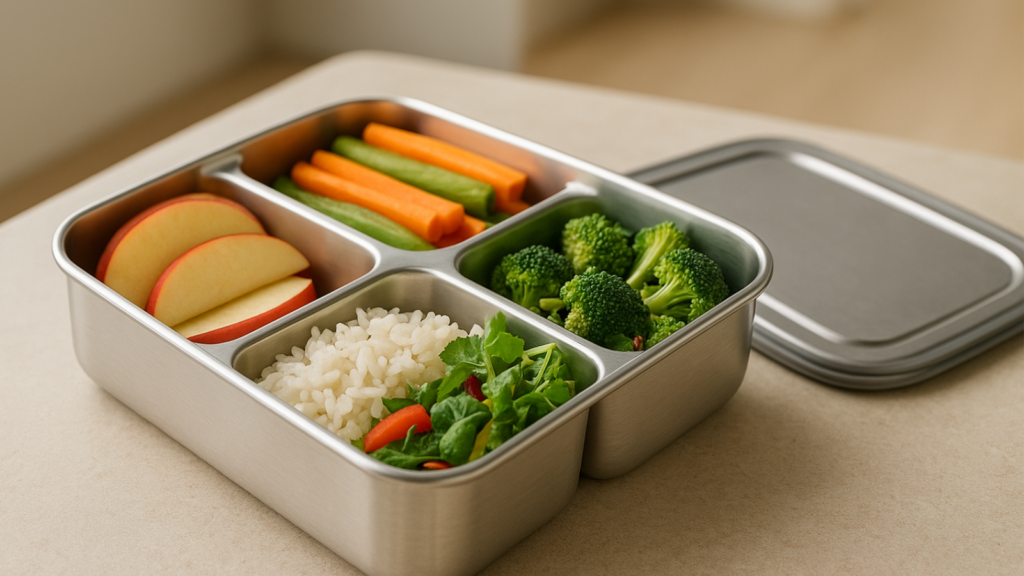
Description: These lunch containers feature food-grade 304 stainless steel construction with 3 to 5 divided compartments. Silicone gaskets seal lids preventing leaks. Dimensions typically measure 190mm x 140mm x 50mm (7.5 x 5.5 x 2 inches). Capacity holds 800ml to 1200ml (27 to 41 fluid ounces) depending on model.
Eco Features:
- Manufactured from recyclable food-grade stainless steel
- Lasts 20 to 30 years with proper maintenance
- Contains zero plastic components contacting food
- Eliminates thousands of plastic bags and disposable containers
- Completely recyclable at end of lifecycle
Why Students Love This: Students appreciate separated compartments keeping foods from mixing. Metal construction prevents crushing in backpacks. Food tastes fresh without plastic flavour transfer. Many students prefer the sleek, modern appearance. Parents value dishwasher-safe cleaning and exceptional durability eliminating constant replacements.
Pros:
- Extremely durable lasting multiple decades
- Completely free from harmful chemicals
- Maintains food freshness without flavour transfer
- Dishwasher-safe for easy cleaning
Cons:
- Higher initial cost than plastic alternatives
- Heavier weight adds to backpack load
- Metal clanging creates noise in backpacks
- Not suitable for microwave heating
6. Insulated Stainless Steel Water Bottle
Description: These bottles feature double-wall vacuum insulation maintaining beverage temperature for 12 to 24 hours. Wide mouth openings accommodate ice cubes. Leak-proof lids include carrying loops. Standard capacities include 500ml, 750ml, and 1000ml (17, 25, and 34 fluid ounces).
Eco Features:
- Eliminates approximately 156 plastic bottles annually per student
- Constructed from recyclable 18/8 food-grade stainless steel
- Features BPA-free, toxin-free materials throughout
- Lasts 10 to 15 years with normal use
- Reduces carbon emissions from bottled water production and transport
Why Students Love This: Students enjoy beverages staying cold throughout entire school days. Insulation prevents exterior condensation keeping backpack contents dry. Wide openings simplify cleaning and ice addition. Many students appreciate customisation options with stickers. Parents value significant cost savings versus purchasing bottled water repeatedly.
Pros:
- Maintains temperature for extended periods
- Prevents thousands of plastic bottles from landfills
- Completely safe and chemical-free
- Available in numerous colours and sizes
Cons:
- Initial investment exceeds disposable bottle costs
- Heavier than plastic alternatives
- Denting occurs from drops on hard surfaces
- Narrow bottles complicate thorough cleaning
7. Natural Soy Wax Crayons
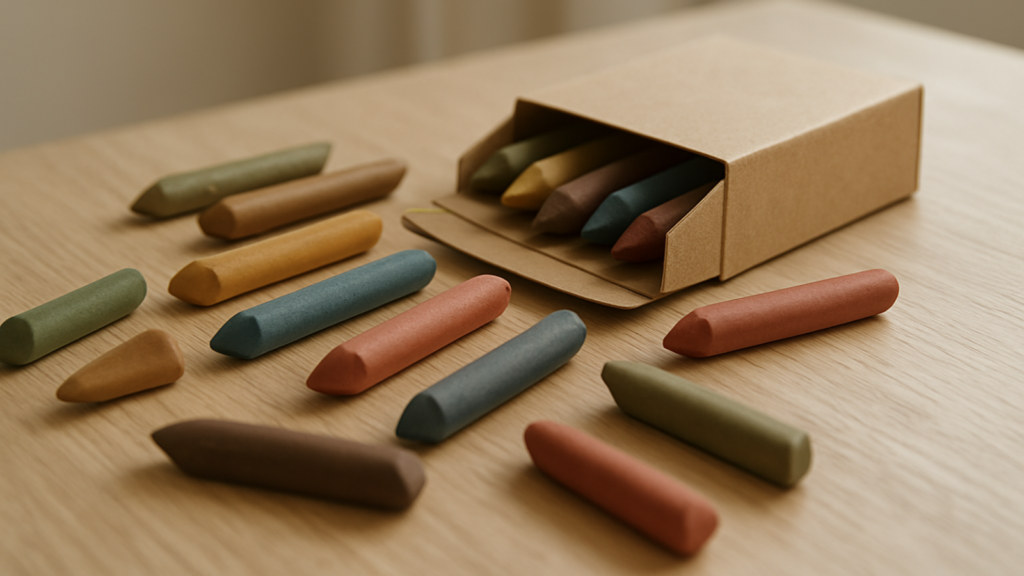
Description: These crayons feature formulations from hydrogenated soybean oil and natural mineral pigments. Standard sets contain 8, 12, or 24 colours. Triangular shapes prevent rolling and encourage proper grip. Dimensions measure 10mm diameter x 90mm length (0.4 x 3.5 inches).
Eco Features:
- Manufactured from renewable soybean oil instead of petroleum wax
- Coloured with natural mineral and plant-based pigments
- Contains zero synthetic chemicals or fragrances
- Completely biodegradable and compostable
- Packaged in recyclable cardboard boxes
Why Students Love This: Students find soy crayons glide smoothly producing rich, vibrant colours. Softer texture enables easier colouring for younger children. Natural composition eliminates chemical odours. Many students appreciate unique scents from natural ingredients. Teachers report fewer allergic reactions compared to conventional crayons.
Pros:
- Produces brighter, more vibrant colours
- Completely safe and non-toxic
- Biodegradable without environmental impact
- Lasts longer than petroleum-based alternatives
Cons:
- Costs 15 to 25% more than standard crayons
- Softer texture may break more easily
- Limited availability in mainstream retail stores
8. Plant-Based Biodegradable Glue Sticks
Description: These adhesive sticks feature formulations from corn starch, natural resins, and vegetable oils. Standard sizes measure 8 to 15 grams (0.28 to 0.53 ounces). Twist mechanisms advance product smoothly. Packaging uses recyclable cardboard tubes instead of plastic casings. Available in single units or multi-packs.
Eco Features:
- Manufactured from renewable plant-based ingredients
- Contains zero petroleum-derived chemicals
- Completely biodegradable and compostable
- Packaged in recyclable cardboard without plastic
- Non-toxic formulation safe for all ages
Why Students Love This: Students appreciate smooth application without clumping or tearing paper. The glue dries clear, maintaining project aesthetics. Washability removes accidental marks from hands and surfaces easily. Many students prefer the mild, natural scent compared to chemical adhesive odours. Teachers report strong bonding performance matching conventional options.
Pros:
- Performs identically to petroleum-based glue sticks
- Completely safe and non-toxic
- Washes easily from hands and clothing
- Biodegrades naturally without environmental harm
Cons:
- Costs 10 to 20% more than standard glue sticks
- Slightly softer consistency in warm temperatures
- Limited availability in some retail locations
9. Natural Rubber Erasers
Description: These erasers feature solid natural rubber harvested from sustainable plantations. Rectangular shapes measure 50mm x 20mm x 10mm (2 x 0.8 x 0.4 inches). Bevelled edges provide precision erasing. Natural tan or grey colours indicate chemical-free composition. Packaging uses minimal recyclable paper wrapping.
Eco Features:
- Manufactured from 100% natural rubber trees
- Contains no synthetic polymers or plastics
- Harvested from sustainably managed plantations
- Biodegradable decomposing naturally
- Free from PVC (polyvinyl chloride) and phthalates
Why Students Love This: Students find natural rubber erasers remove pencil marks efficiently without tearing paper. The soft texture prevents page damage during vigorous erasing. Many students appreciate the pleasant, mild rubber scent. Teachers note fewer paper tears and cleaner erasing results. Durability extends product lifespan reducing replacement frequency.
Pros:
- Superior erasing performance without paper damage
- Completely natural and biodegradable
- Lasts longer than synthetic alternatives
- Chemical-free and non-toxic
Cons:
- Costs slightly more than synthetic erasers
- Natural colour variations create inconsistent appearance
- Crumbles more creating eraser debris
10. Recycled Plastic Rulers
Description: These measuring tools feature construction from 100% post-consumer recycled plastic. Standard lengths include 15cm, 20cm, and 30cm (6, 8, and 12 inches). Clear or coloured options display metric and imperial measurements. Durable construction resists breaking and warping. Smooth edges prevent scratching.
Eco Features:
- Manufactured from 100% recycled post-consumer plastic
- Diverts approximately 20 grams (0.7 ounces) plastic from landfills per ruler
- Infinitely recyclable at end of lifecycle
- Uses non-toxic inks for measurement markings
- Packaged in minimal recyclable cardboard
Why Students Love This: Students appreciate the clarity and accuracy of measurement markings. Durable construction withstands daily classroom use without breaking. Many students prefer coloured options for easy identification. The smooth edges prevent injuries and page damage. Teachers report longevity matching virgin plastic rulers.
Pros:
- Identical performance to conventional plastic rulers
- Diverts plastic waste from landfills
- Extremely durable and long-lasting
- Fully recyclable after use
Cons:
- Slight colour variations from recycled content
- Limited design options compared to conventional rulers
- Marginally higher cost than standard versions
11. 100% Recycled Cardboard Folders
Description: These folders feature heavy-duty construction from 100% post-consumer recycled cardboard. Standard letter size accommodates A4 and US letter formats. Two-pocket design holds loose papers securely. Reinforced edges prevent tearing. Available in multiple colours using soy-based inks.
Eco Features:
- Manufactured from 100% post-consumer recycled cardboard
- Uses soy-based inks for colour printing
- Contains no plastic components
- Fully recyclable or compostable
- Produced using chlorine-free processing
Why Students Love This: Students appreciate the sturdy construction holding papers without tearing. Pockets keep assignments organised and accessible. Many students prefer the professional appearance and texture. The lightweight design reduces backpack weight. Teachers report durability lasting entire academic years.
Pros:
- Completely plastic-free construction
- Strong and durable for daily use
- Fully recyclable or compostable
- Costs comparable to plastic folders
Cons:
- Less water-resistant than plastic versions
- Wears faster with extremely heavy use
- Limited pocket flexibility compared to plastic
12. Recycled Plastic Ring Binders
Description: These three-ring binders feature covers manufactured from recycled plastic bottles. Standard 1-inch, 1.5-inch, and 2-inch (25mm, 38mm, and 51mm) ring sizes accommodate varying paper quantities. Clear overlay pockets personalise front covers. Durable construction withstands years of use.
Eco Features:
- Manufactured from 50 to 100% post-consumer recycled plastic
- Diverts approximately 3 to 5 plastic bottles per binder
- Features recyclable metal rings
- Designed for multi-year use reducing replacements
- Fully recyclable at end of lifecycle
Why Students Love This: Students appreciate customisable front covers displaying schedules or personalisation. Ring mechanisms operate smoothly without jamming. Durable construction survives backpack transport without damage. Many students value multi-year use eliminating annual replacements. Parents appreciate cost savings from extended lifespan.
Pros:
- Extremely durable lasting multiple years
- Diverts significant plastic from waste streams
- Performs identically to conventional binders
- Customisable for personal expression
Cons:
- Higher initial cost than standard binders
- Heavier than lightweight alternatives
- Limited colour variety in some brands
13. Organic Cotton Laptop Sleeve
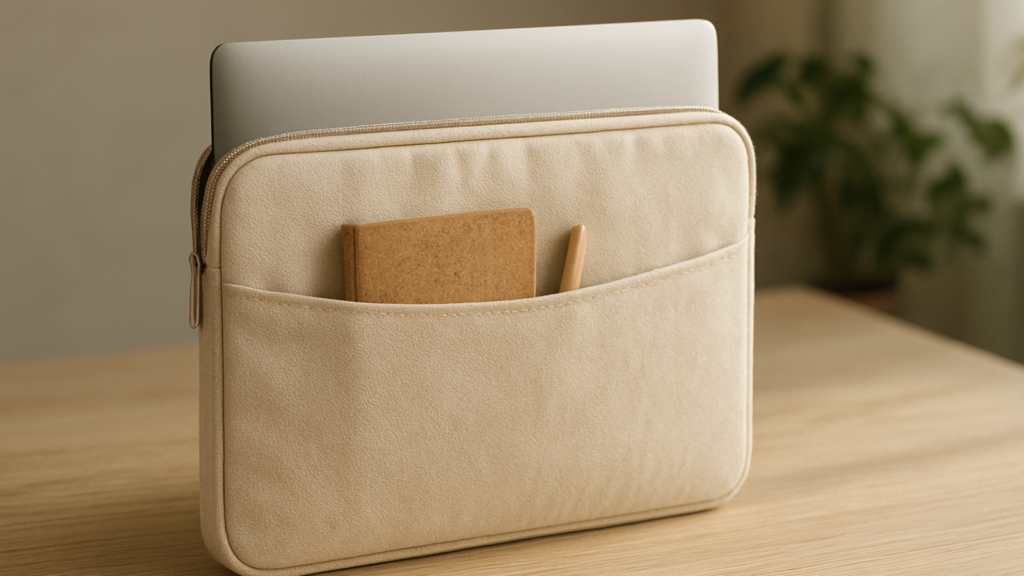
Description: These protective sleeves feature organic cotton canvas exterior with recycled polyester padding. Sizes accommodate 11 to 15-inch (28 to 38cm) laptops. Zip closures secure devices. Interior lining uses soft recycled materials preventing scratches. External pockets hold accessories.
Eco Features:
- Manufactured from GOTS-certified organic cotton
- Features recycled polyester padding from plastic bottles
- Uses plant-based water-resistant coating
- Contains no synthetic fabrics or petroleum-based materials
- Biodegradable cotton exterior
Why Students Love This: Students appreciate slim profiles fitting easily in backpacks. Padding provides confident device protection. Many students prefer natural fabric aesthetics over synthetic materials. The lightweight design adds minimal weight. Teachers report excellent durability protecting devices throughout academic years.
Pros:
- Natural, sustainable materials throughout
- Excellent protection for daily transport
- Lightweight and slim profile
- Attractive natural appearance
Cons:
- Less impact protection than hard cases
- Requires occasional reproofing for water resistance
- Costs 20 to 40% more than synthetic sleeves
14. Solar-Powered Calculator
Description: These calculators feature dual power systems combining solar cells with backup batteries. Standard scientific functions support mathematics, engineering, and science courses. Durable plastic housing uses recycled materials. Dimensions measure approximately 155mm x 80mm x 15mm (6.1 x 3.1 x 0.6 inches).
Eco Features:
- Powered primarily by solar energy reducing battery consumption
- Manufactured from 70 to 80% recycled plastic
- Backup batteries rechargeable or long-lasting (5 to 10 years)
- Reduces electronic waste through extended lifespan
- Energy-efficient operation
Why Students Love This: Students appreciate never worrying about dead batteries during exams. Solar operation works effectively under classroom lighting. Many students value environmental benefits alongside functionality. The durable construction survives drops and backpack transport. Teachers recommend solar models for reliability and sustainability.
Pros:
- Never requires battery replacement under normal use
- Reduces electronic waste significantly
- Performs all standard calculator functions
- Extremely reliable and durable
Cons:
- Higher initial cost than standard calculators
- Requires adequate lighting for solar operation
- Slightly larger than some conventional models
15. Reusable Silicone Food Bags
Description: These storage bags feature food-grade platinum silicone construction. Multiple sizes include snack (250ml/8.5oz), sandwich (450ml/15oz), and half-gallon (1.9L/64oz) options. Airtight zip seals prevent leaks. Transparent design shows contents. Temperature range spans -40°C to 230°C (-40°F to 450°F).
Eco Features:
- Manufactured from food-grade platinum silicone
- Replaces approximately 300 single-use plastic bags annually
- Lasts 5 to 10 years with proper care
- Completely recyclable through specialised programmes
- BPA-free, PVC-free, and toxin-free
Why Students Love This: Students appreciate seeing contents without opening bags. Airtight seals prevent leaks and spills in backpacks. Many students value temperature versatility for various foods. The soft, flexible material fits efficiently in lunch boxes. Parents appreciate dishwasher-safe cleaning and exceptional durability.
Pros:
- Extremely versatile temperature range
- Completely leak-proof and airtight
- Dishwasher, microwave, and freezer safe
- Lasts many years eliminating replacements
Cons:
- Higher initial investment than disposable bags
- Requires thorough drying preventing mould
- Silicone odours may transfer between foods
16. Organic Cotton Snack Bags
Description: These fabric bags feature organic cotton exterior with food-safe PEVA (polyethylene vinyl acetate) lining. Drawstring or zip closures secure contents. Sizes range from small snacks to large sandwich capacity. The Machine washable for easy maintenance. Available in various patterns and colours.
Eco Features:
- Manufactured from GOTS-certified organic cotton
- Food-safe, non-toxic water-resistant lining
- Replaces approximately 200 plastic bags annually
- Lasts 3 to 5 years with regular use
- Biodegradable cotton exterior
Why Students Love This: Students enjoy fun patterns and colours personalising lunch gear. Lightweight bags add minimal weight to lunch boxes. Many students appreciate easy opening and closing mechanisms. The soft fabric prevents food crushing. Teachers report students taking pride in reusable, attractive bags.
Pros:
- Lightweight and easy to use
- Machine washable for convenience
- Attractive designs and personalisation options
- Breathable fabric maintains food quality
Cons:
- Less airtight than silicone alternatives
- Water-resistant lining requires eventual replacement
- Not suitable for very wet or liquid foods
Conclusion: Making Sustainable Choices That Matter
Eco-Friendly Back-to-School Essentials represent a practical approach to learning that connects daily school routines with environmental responsibility. Sustainable notebooks, reusable lunch gear, non-toxic stationery, and durable backpacks reduce waste while protecting student health. Every mindful purchase supports greener classrooms and a more sustainable education system.
Eco-Friendly Back-to-School Essentials influence habits that extend far beyond one academic year. Students learn environmental responsibility through consistent actions such as refilling bottles, reusing supplies, and avoiding single-use plastics. Sustainable school supplies create learning environments that value quality, safety, and long-term thinking.
Eco-Friendly Back-to-School Essentials empower students to participate actively in climate-conscious education. Responsible school preparation builds environmentally aware students who understand how everyday choices shape global outcomes. Greener academic journeys begin with sustainable tools that support learning while respecting planetary limits.
Frequently Asked Questions
1. What makes school supplies eco-friendly?
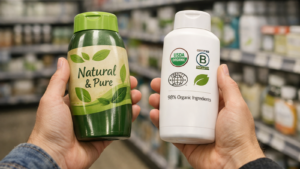
School supplies qualify as eco-friendly when they utilise sustainable materials like recycled paper, bamboo, organic cotton, or stainless steel. Products manufactured without toxic chemicals, designed for durability and reuse, and packaged minimally demonstrate environmental responsibility. Certifications like FSC, GOTS (Global Organic Textile Standard), or B Corporation status indicate genuine sustainability commitments.
2. Are sustainable school supplies more expensive?
Initial costs for sustainable products sometimes exceed conventional alternatives. Long-term value typically proves superior. Durable items like stainless steel containers or quality backpacks last years longer than disposable versions. Replacement expenses decrease. Reusable products eliminate ongoing purchases of consumables like plastic bags and disposable water bottles, creating cumulative savings.
3. Where can I buy eco-friendly school supplies?
Specialised online retailers focusing on sustainable products offer curated selections of environmentally friendly school essentials. Local options include zero-waste shops, stationery stores carrying eco-conscious brands, and office supply chains with sustainable sections. Many mainstream retailers increasingly stock green alternatives alongside conventional products.
4. How do I know if products are genuinely sustainable?
Look for 3 indicators. Firstly, third-party certifications like FSC, GOTS, Fair Trade, or B Corporation status indicating verified sustainability standards. Secondly, brand transparency regarding material sourcing, manufacturing processes, and environmental policies. Thirdly, detailed product information and avoid vague marketing claims without substantive supporting evidence.
5. Can switching school supplies really make environmental differences?
Yes, collective individual actions create significant cumulative impacts. Millions of students worldwide purchasing sustainable alternatives dramatically reduces plastic consumption, deforestation, and toxic chemical use. Beyond direct environmental benefits, choosing eco-friendly supplies teaches children environmental responsibility. Lifelong consumption patterns become influenced. Market demand for sustainable products increases.
6. What sustainable supplies should I prioritise first?
Focus initially on reusable items with highest environmental impact. Stainless steel water bottles, metal lunch containers, and cloth bags replace single-use alternatives effectively. Subsequently address frequently replaced items like recycled notebooks and refillable pens. Prioritising high-impact swaps delivers maximum environmental benefits while managing budget constraints effectively.
7. Are eco-friendly art supplies safe for children?
Yes, eco-friendly art supplies typically prove safer than conventional alternatives. They avoid toxic chemicals, heavy metals, and synthetic additives. Products manufactured from natural materials like soy wax crayons or water-based markers eliminate harmful fume concerns. Always verify products meet safety standards like ASTM (American Society for Testing and Materials) D-4236 certification confirming non-toxic formulations.
8. How can I encourage my child’s school to adopt sustainable practices?
Join parent-teacher associations or school committees where purchasing and policy decisions occur. Propose specific initiatives like recycling programmes, composting systems, or bulk purchasing sustainable supplies. Volunteer to organise educational workshops or coordinate with environmental organisations providing resources. Present research demonstrating cost savings and educational benefits alongside environmental advantages.
9. What should I do with old school supplies?
Donate functional items to schools, community centres, or organisations serving underprivileged children. Recycle appropriate materials like paper, cardboard, and compatible plastics through local programmes. Repurpose items creatively for craft projects or home organisation. Properly dispose of non-recyclable materials according to local guidelines, avoiding contamination of recycling streams.
10. Can sustainable school supplies perform as well as conventional ones?
Yes, modern sustainable products match or exceed conventional alternatives in performance and durability. Recycled paper notebooks provide excellent writing surfaces. Bamboo pencils sharpen smoothly. Stainless steel containers outlast plastic versions significantly. Many students actually prefer sustainable options due to superior quality, durability, and appealing designs demonstrating environmental values.