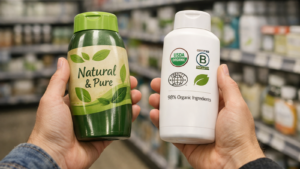
World Environment Day arrives each June 5th, beckoning millions across our planet to reflect on environmental stewardship. This annual celebration, established by United Nations in 1973, has evolved into Earth’s largest platform for environmental public outreach. Beyond mere awareness, celebrating World Environment Day with eco-friendly choices transforms symbolic gestures into tangible lifestyle shifts that benefit both our planet and personal well-being.
Recent studies reveal that household consumption patterns account for roughly 60% of global greenhouse gas emissions. When we embrace sustainable alternatives, individual actions ripple outward, creating waves of positive environmental impact. This comprehensive guide explores 12 exceptional eco-friendly products alongside practical strategies for meaningful celebration of World Environment Day throughout your daily routine.
1. Compostable Plant-Based Cutlery

Description
Plant-based cutlery represents revolutionary alternatives to single-use plastic utensils. Manufactured from renewable resources like cornstarch, sugarcane bagasse, or birchwood, these utensils provide full functionality without environmental guilt. Available in various styles, forks, spoons, knives, and combination sets, they cater to diverse dining needs whilst maintaining structural integrity throughout meals.
Eco Features
Compostable cutlery breaks down naturally within 90-180 days under proper composting conditions, returning nutrients to soil rather than persisting for centuries like petroleum-based plastics. Production processes typically consume 65% less energy compared to conventional plastic manufacturing. Many brands source materials from agricultural waste streams, giving secondary purpose to byproducts otherwise destined for landfills.
Benefits
Beyond environmental advantages, plant-based utensils offer heat resistance suitable for hot foods and beverages. They contain no harmful chemicals like BPA or phthalates, ensuring food safety. For businesses and event organisers, compostable cutlery demonstrates commitment to sustainability whilst meeting hygiene standards. Home users appreciate convenience without compromising ecological values.
Tips for Use
Store compostable cutlery in dry conditions to prevent premature degradation. When composting used utensils, break larger pieces into smaller fragments to accelerate decomposition. Verify local composting facility acceptance, as industrial composting environments achieve higher temperatures than home systems. Pair with compostable plates and bowls for complete zero-waste dining experiences.
Recommended Products
World Centric offers certified compostable cutlery in bulk packaging, ideal for gatherings. Eco-Products manufactures sturdy utensils from renewable resources with various aesthetic options. Repurpose Compostables provides elegant designs suitable for formal occasions alongside everyday use.
Where to Buy
Online retailers like Package Free Shop, EarthHero, and Life Without Plastic stock extensive selections. Health food stores and zero-waste shops often carry locally-sourced options. Restaurant supply companies increasingly offer commercial quantities for businesses transitioning away from conventional plastics.
2. Solar-Powered Phone Chargers
Description
Solar phone chargers harness sunlight, converting photons into electrical energy for mobile devices. Portable models feature foldable panels with USB outputs, whilst power bank versions store solar-collected energy for later use. Capacities range from compact single-device chargers to robust systems powering multiple electronics simultaneously.
Eco Features
Solar charging eliminates dependency on grid electricity, often generated through fossil fuel combustion. Quality solar chargers operate for years without battery replacements, avoiding hazardous electronic waste. Manufacturing processes increasingly incorporate recycled materials and renewable energy, further reducing carbon footprints. Each charge cycle represents clean energy captured directly from our sun.
Benefits
Independence from electrical outlets proves invaluable during outdoor adventures, emergency preparedness, or off-grid living. Solar chargers reduce electricity bills whilst providing backup power during outages. They offer peace of mind knowing communication devices remain functional regardless of infrastructure availability. Environmental benefits compound over thousands of charging cycles throughout product lifespans.
Tips for Use
Position panels perpendicular to sunlight for optimal energy capture. Clean surfaces regularly, as dust and debris diminish efficiency. During cloudy conditions, charging slows but continues at reduced rates. Combine solar panels with high-capacity power banks for charging after sunset. Start charging devices early on sunny days to maximise available daylight hours.
Recommended Products
Goal Zero Nomad series delivers reliable performance with weather-resistant construction. Anker PowerPort Solar features advanced charging technology detecting connected device requirements. BigBlue 28W Solar Charger provides rapid charging through multiple USB ports with excellent portability.
Where to Buy
Outdoor retailers like REI and Backcountry stock quality solar charging equipment. Electronics specialists including Best Buy increasingly feature renewable energy accessories. Direct manufacturer websites often offer comprehensive product ranges with detailed specifications for informed purchasing decisions.
3. Organic Cotton Produce Bags
Description
Organic cotton produce bags replace single-use plastic bags for transporting fruits, vegetables, and bulk goods. Manufactured from certified organic cotton grown without synthetic pesticides or fertilisers, these bags feature drawstring closures and breathable mesh or muslin construction. Various sizes accommodate everything from delicate berries to substantial squash.
Eco Features
Organic cotton cultivation preserves soil health, protects water quality, and supports biodiversity. Production avoids toxic chemicals endangering farmworkers and ecosystems. Cotton bags biodegrade naturally at end-of-life, contrasting sharply with plastic bags requiring 500-1000 years for decomposition. Washable construction enables thousands of uses, dramatically reducing waste generation per shopping trip.
Benefits
Breathable fabrics extend produce freshness by allowing air circulation whilst preventing moisture accumulation. Transparent mesh designs simplify checkout processes without removing items. Lightweight construction adds negligible weight to purchases. Beyond grocery shopping, bags serve multiple purposes: organising luggage, storing toys, carrying beach essentials, or separating laundry.
Tips for Use
Wash bags regularly in cold water to maintain hygiene and fabric integrity. Designate specific bags for different product categories, preventing cross-contamination between strong-smelling items. Hang wet bags immediately after washing to prevent mildew formation. Keep several bags in car or handbag ensuring availability during spontaneous shopping trips.
Recommended Products
Simple Ecology offers GOTS-certified organic cotton bags in comprehensive size sets. Purifyou Premium produces durable double-stitched bags with colour-coded tags. Lotus Produce Bags creates lightweight options with tare weight labels facilitating accurate weighing.
Where to Buy
Zero-waste stores specialise in reusable shopping accessories with knowledgeable staff. Farmers’ markets frequently feature locally-made organic bags supporting regional artisans. Online marketplaces like Etsy showcase handcrafted options whilst major retailers including Target and Whole Foods stock commercial brands.
4. Natural Deodorant Bars
Description
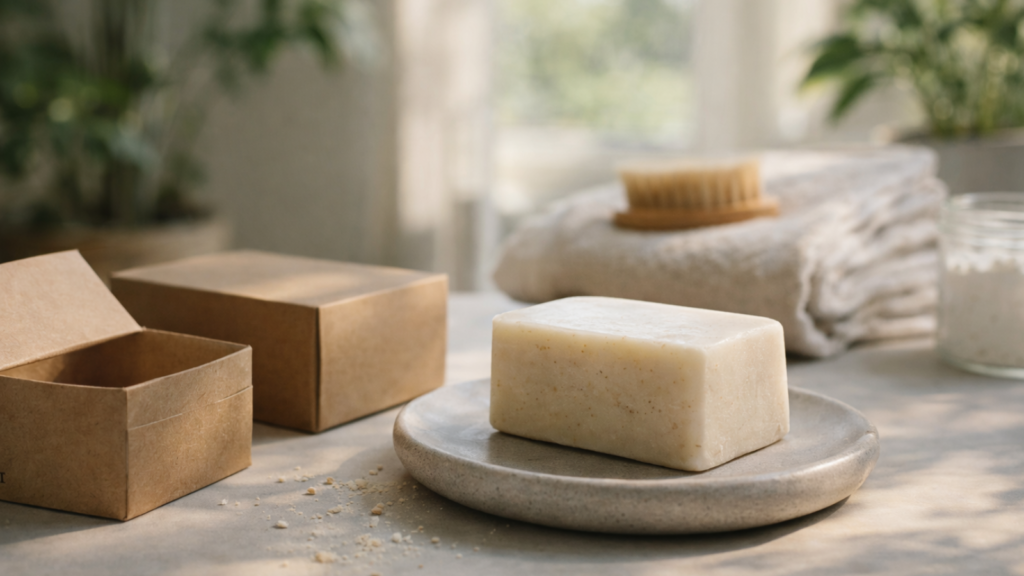
Natural deodorant bars eliminate conventional deodorants’ aluminium compounds, parabens, and synthetic fragrances. Solid formulations contain plant-derived ingredients like coconut oil, shea butter, arrowroot powder, and essential oils. Applied directly to underarms, bars provide odour protection through antibacterial properties and moisture absorption without blocking sweat glands.
Eco Features
Plastic-free packaging—often compostable cardboard or reusable tins—significantly reduces bathroom waste. Concentrated formulations last longer than liquid alternatives, requiring less frequent purchases and associated transportation emissions. Natural ingredient sourcing supports regenerative agriculture practices. Waterless production conserves precious freshwater resources whilst simplifying ingredient lists.
Benefits
Aluminium-free formulations allow natural perspiration, body’s temperature regulation mechanism. Reduced chemical exposure benefits sensitive skin prone to irritation from conventional products. Long-lasting bars prove economical over time despite higher upfront costs. Travel-friendly solid forms eliminate liquid restrictions during air travel whilst preventing messy spills in luggage.
Tips for Use
Transition periods lasting 2-4 weeks allow bodies to adjust after years of antiperspirant use. Apply to clean, dry skin for optimal effectiveness. Store bars in cool, dry locations preventing excessive softening. If initial formulations cause irritation, experiment with different essential oil combinations or baking soda-free options for sensitive skin.
Recommended Products
Ethique Rustic solid deodorant offers palm oil-free formulations with compostable packaging. No Tox Life Deodorant Cream comes in glass jars with applicator options. Meow Meow Tweet Deodorant Cream features organic ingredients in recyclable paperboard tubes.
Where to Buy
Natural health stores provide diverse selections with ingredient transparency. Online sustainability retailers like Zero Waste Store and Package Free Shop curate carefully vetted brands. Subscription services deliver regular shipments preventing supply interruptions during transition phases.
5. Reusable Silicone Food Storage Bags
Description
Silicone food storage bags offer durable alternatives to disposable plastic bags for food preservation. Medical-grade silicone construction provides leak-proof sealing through innovative closure mechanisms. Available in multiple sizes, bags accommodate sandwiches, snacks, meal prep portions, or bulk ingredient storage. Freezer-safe, microwave-safe, and dishwasher-safe designs simplify food management.
Eco Features
Single silicone bags replace hundreds of disposable plastic bags throughout multi-year lifespans. Silicone production involves fewer toxic chemicals compared to conventional plastics. Although not biodegradable, silicone bags prove endlessly recyclable through specialised programmes. Temperature stability from freezer to microwave eliminates needs for multiple container types.
Benefits
Transparent construction facilitates content identification without opening bags. Airtight seals preserve food freshness longer than conventional storage methods. Stain-resistant and odour-resistant properties maintain bag integrity across diverse food types. Collapsed flat design maximises drawer or cabinet storage efficiency when bags sit empty.
Tips for Use
Turn bags inside out after washing for thorough drying and mould prevention. Avoid sharp utensils potentially puncturing silicone surfaces. Label bags with dry-erase markers for freezer organisation, erasing easily for reuse. Dedicate specific bags to strongly-flavoured foods preventing flavour transfer despite thorough cleaning.
Recommended Products
Stasher bags pioneered platinum silicone construction with patented Pinch-Loc seals. Lékué ZipLoc designs incorporate innovative closure systems with ergonomic handling. (re)zip bags offer budget-friendly entry points for households transitioning from disposable plastics.
Where to Buy
Kitchen supply stores showcase hands-on demonstrations of sealing mechanisms. Department stores like John Lewis increasingly feature sustainable kitchenware sections. Direct brand websites often bundle multiple sizes at discounted rates for comprehensive kitchen transitions.
6. Bamboo Dental Floss
Description
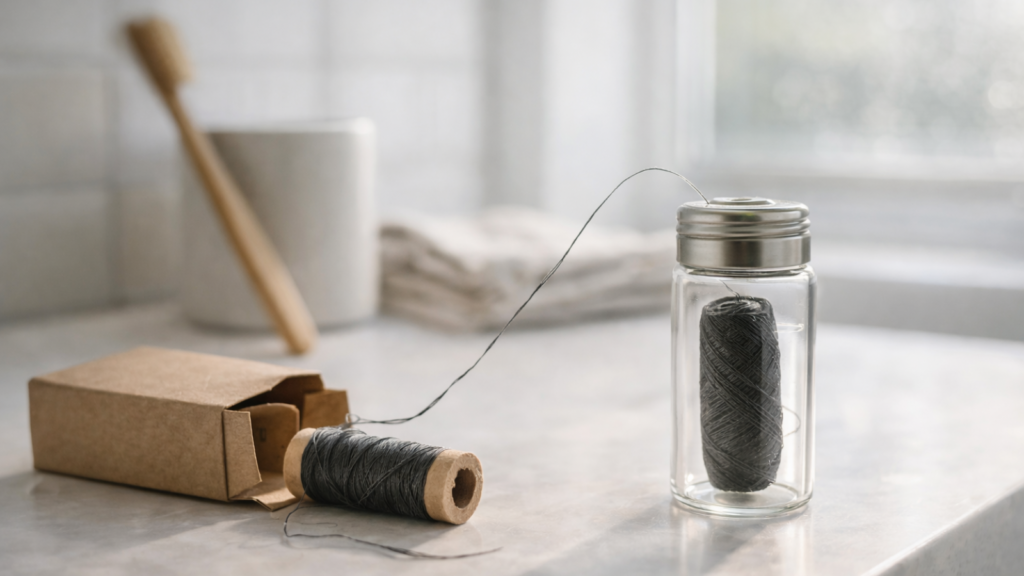
Bamboo dental floss combines plant-based fibres with biodegradable packaging for complete oral care sustainability. Charcoal-infused or naturally waxed options provide smooth gliding between teeth whilst removing plaque effectively. Refillable glass dispensers with metal lids replace plastic containers destined for landfills. Thread spools fit standard dispenser designs simplifying adoption.
Eco Features
Bamboo grows rapidly without pesticides, fertilisers, or irrigation, making cultivation exceptionally sustainable. Biodegradable silk or bamboo fibres decompose naturally unlike nylon dental floss persisting indefinitely. Compostable packaging completes circular lifecycles. Manufacturing processes avoid PFAS chemicals coating conventional flosses. Refill systems dramatically reduce container waste over years of dental hygiene.
Benefits
Natural fibres prove gentler on sensitive gums whilst maintaining plaque removal efficacy. Activated charcoal adds natural whitening properties. Elegant glass dispensers elevate bathroom aesthetics beyond plastic clutter. Cost-effective refills provide ongoing savings after initial dispenser investment. Vegan formulations avoid animal-derived beeswax or silk.
Tips for Use
Use 45cm lengths for thorough cleaning without reusing contaminated sections. Curve floss around each tooth forming C-shapes reaching below gumlines. Rinse dispensers periodically preventing residue buildup. Store in dry locations, as excess moisture encourages mould growth on natural fibres.
Recommended Products
Georganics Natural Floss features organic mint coating in recyclable glass containers. Dental Lace provides activated charcoal or cinnamon-flavoured options. The Humble Co. creates vegan bamboo floss in compostable cornstarch packaging.
Where to Buy
Natural pharmacies stock eco-friendly dental care alongside conventional products. Dental offices increasingly recommend sustainable alternatives. Online zero-waste retailers specialise in plastic-free oral hygiene with subscription options ensuring consistent supplies.
7. Soy Wax Candles
Description
Soy wax candles derive from hydrogenated soybean oil, creating clean-burning alternatives to petroleum-based paraffin candles. Blended with essential oils rather than synthetic fragrances, soy candles provide aromatherapy benefits without toxic emissions. Cotton wicks ensure proper burning without lead exposure. Containers range from reusable glass jars to compostable coconut shells.
Eco Features
Soybeans represent renewable resources regenerating annually unlike finite petroleum reserves. Soy wax burns 30-50% longer than paraffin at lower temperatures, reducing consumption rates. Clean combustion produces minimal soot, protecting indoor air quality and preventing wall discolouration. Biodegradable wax residues pose no environmental hazards when disposed. American-grown soybeans support agricultural economies and reduce transportation emissions.
Benefits
Lower melting points make accidental spills easier to clean from surfaces and fabrics. Even burn patterns maximise wax usage without tunnelling. Non-toxic formulations prove safer around children, pets, and individuals with respiratory sensitivities. Reusable containers find second lives as planters, storage vessels, or drinking glasses after candle consumption.
Tips for Use
Trim wicks to 6mm before lighting, preventing excessive smoking and mushrooming. Burn candles for 2-4 hours during initial use, establishing complete melt pools preventing tunnelling. Position candles away from drafts ensuring even burning. Extinguish using snuffers rather than blowing, reducing smoke and wax splatter.
Recommended Products
Fontana Candle Company creates hand-poured soy candles with organic essential oils. Brooklyn Candle Studio offers minimalist designs in reusable vessels. P.F. Candle Co. produces small-batch soy candles supporting American manufacturing.
Where to Buy
Craft markets feature artisan candlemakers with customisable scent options. Home goods stores like Anthropologie curate premium soy candle collections. Farmers’ markets connect consumers directly with local producers using regional soybean sources.
8. Wool Dryer Balls
Description
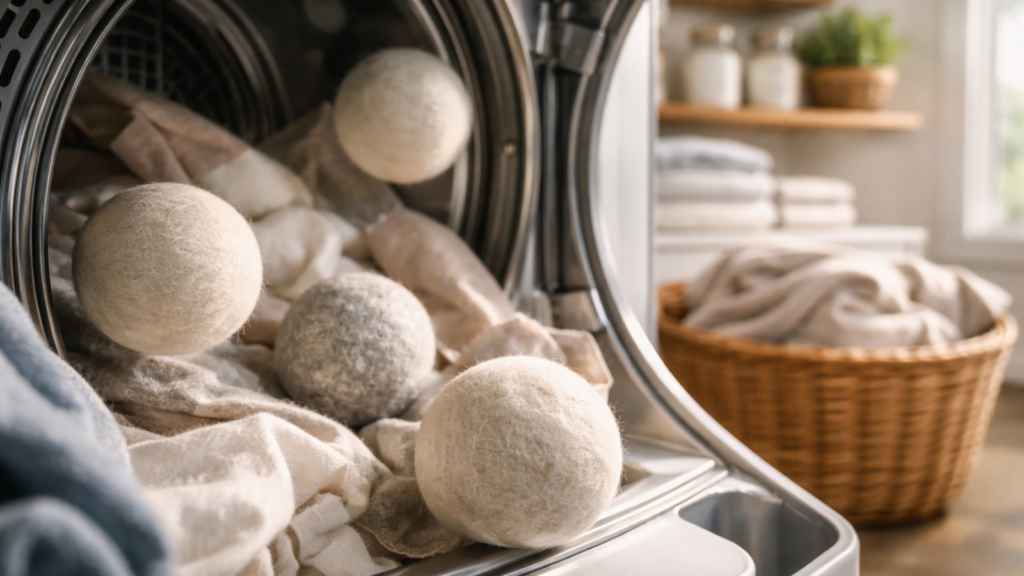
Wool dryer balls replace single-use dryer sheets and liquid fabric softeners with reusable alternatives. Felted from 100% wool—often New Zealand sheep varieties, these tennis ball-sized spheres tumble amongst laundry, naturally softening fabrics whilst reducing drying times. Sets typically include 3-6 balls optimising effectiveness for various load sizes.
Eco Features
Wool dryer balls last 1000+ loads, equivalent to 10+ years of typical household use. Natural materials biodegrade harmlessly at end-of-life. Chemical-free softening eliminates synthetic fragrances and coating agents entering wastewater systems. Reduced drying times lower energy consumption by 25-40%, significantly cutting household carbon footprints. Renewable wool sourcing supports sustainable livestock farming.
Benefits
Physical agitation from tumbling balls separates laundry items, improving air circulation and accelerating moisture evaporation. Natural wool absorbs humidity from dryer chambers whilst releasing gradual moisture preventing static cling. Hypoallergenic properties benefit sensitive skin without artificial fragrances. Silent operation eliminates annoying dryer sheet rustling during night-time laundry routines.
Tips for Use
Add 4-6 drops essential oils directly onto balls for natural fragrance infusion. Refresh balls quarterly by washing in hot water and re-felting in hot dryers. Separate colours initially, as dye transfer occasionally occurs with new balls. Remove balls promptly after cycle completion, storing in baskets preventing loss amongst clean laundry.
Recommended Products
Smart Sheep dryer balls use premium New Zealand wool with Fair Trade certification. Friendsheep Eco Dryer Balls creates colourful felted options with organic dyes. Wool Dryer Balls by SnugPad offers value packs for large households.
Where to Buy
Supermarkets increasingly stock sustainable laundry accessories in cleaning aisles. Online retailers like Amazon provide extensive selections with user reviews. Natural living stores offer guidance on transitioning from conventional fabric softeners.
9. Glass Spray Bottles
Description
Glass spray bottles provide safe, durable containers for homemade cleaning solutions, personal care products, or plant misting. Thick borosilicate or soda-lime glass resists thermal shock and impact damage. Adjustable nozzles deliver fine mists or concentrated streams. Amber or cobalt blue glass protects light-sensitive contents whilst clear glass showcases colourful formulations.
Eco Features
Endlessly recyclable glass avoids plastic pollution whilst maintaining purity over countless refill cycles. Chemical-inert properties prevent leaching concerns associated with plastic containers. Durable construction resists degradation from essential oils or acidic solutions, extending product lifespans significantly. Refillable designs eliminate repetitive packaging waste from commercial cleaning products.
Benefits
Aesthetic appeal elevates mundane cleaning supplies into attractive countertop displays. Cost savings accumulate through bulk ingredient purchases mixed into custom formulations. Transparent glass allows visual monitoring of remaining contents. Non-porous surfaces resist bacterial growth and odour absorption. Heavy-duty construction survives accidental drops unlike fragile plastic bottles.
Tips for Use
Label bottles clearly with waterproof markers or printed labels preventing confusion. Measure ingredients precisely using funnels for mess-free filling. Clean nozzles regularly preventing clogging from solution residues. Test spray mechanisms with water before filling with valuable formulations. Store bottles away from direct sunlight preserving solution potency.
Recommended Products
Purifyou Premium Glass Spray Bottles include protective silicone sleeves. Jarmazing Products offers wide-mouth bottles simplifying ingredient additions. Cornucopia Brands provides amber glass protecting photosensitive essential oils.
Where to Buy
Container stores stock comprehensive glass bottle selections with varied sizes. Online suppliers like Specialty Bottle offer wholesale pricing for bulk orders. Thrift stores occasionally feature vintage glass bottles with character and cost savings.
10. Stainless Steel Lunch Boxes
Description
Stainless steel lunch boxes revive childhood nostalgia whilst addressing modern sustainability concerns. Food-grade 18/8 stainless steel construction resists corrosion, denting, and flavour absorption. Compartmentalised designs separate foods without plastic dividers. Sizes range from compact snack containers to family-sized picnic sets. Leak-proof silicone seals secure lids during transport.
Eco Features
Stainless steel manufacturing requires significant initial energy but proves endlessly recyclable, closing material loops effectively. Decades-long lifespans far exceed disposable packaging or plastic containers degrading within years. Toxin-free composition eliminates BPA, phthalates, and microplastic concerns. Dishwasher-safe durability maintains hygiene standards without hand-washing labour.
Benefits
Temperature retention capabilities keep foods cold or warm for extended periods. Rust-resistant finishes maintain appearance throughout years of daily use. Lightweight alternatives to glass reduce backpack weight for school children. Versatility extends beyond packed lunches: camping trips, road snacks, office meals, or leftover storage.
Tips for Use
Preheat containers with hot water before adding warm foods, extending temperature retention. Hand-dry immediately after washing, preventing water spots. Avoid abrasive scrubbers maintaining polished finishes. Seal odorous foods in nested containers preventing smell transfer to other compartments.
Recommended Products
LunchBots creates modular systems with interchangeable components. ECOlunchbox manufactures whimsical designs appealing to children and adults alike. PlanetBox delivers compartmentalised options with magnetic decorations customising appearances.
Where to Buy
School supply stores recognise growing demand for sustainable lunch solutions. Kitchen retailers stock adult-oriented options for workplace dining. Direct brand websites often bundle lunch boxes with matching accessories creating complete systems.
11. Coconut Bowls
Description
Coconut bowls transform discarded coconut shells into functional serving vessels through artisan craftsmanship. After coconut harvesting for meat and water, shells undergo cleaning, sanding, and polishing processes. Natural variations in size, shape, and colour ensure each bowl’s uniqueness. Food-safe coconut oil finishes enhance wood grain whilst maintaining safety standards.
Eco Features
Upcycling agricultural waste prevents shell incineration or landfill disposal, giving value to otherwise discarded materials. Zero-deforestation production preserves forests whilst supporting coconut farming communities. Biodegradable materials return safely to ecosystems at end-of-life. Fair trade partnerships ensure artisan compensation reflecting skill and labour.
Benefits
Lightweight construction proves ideal for outdoor dining, camping, or children’s meals. Natural insulation properties protect hands from hot contents. Rustic aesthetics enhance food presentation for social media-worthy breakfast bowls. Cultural connections honour traditional Pacific Island craftsmanship whilst supporting artisan livelihoods.
Tips for Use
Hand-wash bowls with mild soap, avoiding prolonged water exposure causing wood swelling. Re-oil quarterly with food-safe coconut oil maintaining moisture and lustre. Avoid extremely hot liquids potentially damaging natural materials. Store in dry locations preventing mould growth in humid environments.
Recommended Products
Coconut Bowls Company provides sets with matching coconut spoons. Buddha Bowls offers polished finishes in multiple size options. Island Vibes creates rough-hewn styles celebrating natural textures.
Where to Buy
Ethical marketplaces like Ten Thousand Villages feature fair trade coconut products. Surf shops stock tropical-themed dining accessories. Online platforms including Etsy connect consumers directly with artisan producers.
12. Beeswax Wraps
Description
Beeswax wraps coat organic cotton fabric with beeswax, jojoba oil, and tree resin, creating pliable food coverings. Hand warmth softens wraps, moulding around bowls, produce, sandwiches, or cheese blocks. After cooling, wraps hold shapes maintaining freshness. Various patterns and sizes accommodate diverse kitchen needs from small snack wraps to large bread covers.
Eco Features
Reusable wraps replace thousands of cling film sheets throughout 1-2 year lifespans. Biodegradable materials decompose safely after extensive use. Sustainable beekeeping supports pollinator populations critical for agricultural ecosystems. Natural antibacterial properties of beeswax and tree resins preserve food without synthetic preservatives.
Benefits
Breathable fabrics prevent moisture accumulation whilst allowing produce to respire naturally, extending freshness. Attractive patterns add visual appeal to refrigerators and lunch boxes. Zero-waste end-of-life options include composting or using as fire starters. Cost-effective reusability offsets higher initial investments within months.
Tips for Use
Wash wraps in cool water with gentle soap, avoiding hot temperatures melting beeswax coatings. Air-dry flat or draped over utensil handles. Refresh worn wraps by ironing between parchment paper, redistributing beeswax evenly. Avoid wrapping raw meat preventing bacterial contamination. Store flat or rolled preventing creasing.
Recommended Products
Bee’s Wrap pioneered commercial beeswax wraps with certified organic materials. Abeego uses minimalist designs focusing on functionality. Khala Cloths creates vibrant patterns supporting women artisan cooperatives.
Where to Buy
Zero-waste stores demonstrate proper usage techniques with hands-on samples. Farmers’ markets feature local beekeepers producing wraps from hive products. Online sustainability retailers offer variety packs encouraging complete cling film transitions.
Conclusion
Celebrating World Environment Day with eco-friendly choices marks beginnings rather than destinations. Sustainable living evolves continuously through learning, experimentation, and adaptation. Each product swap, habit modification, or community engagement contributes toward collective environmental healing.
Environmental challenges seem overwhelming when viewed holistically, yet individual spheres of influence provide concrete action opportunities. Kitchen transformations, bathroom upgrades, transportation choices, and consumption patterns represent domains where personal agency creates measurable impacts. Accumulated small decisions throughout daily routines compound into substantial lifetime environmental dividends.
Progress follows imperfect paths with occasional setbacks and compromises. Sustainability exists on spectrums rather than binaries; perfection proves unnecessary when consistent effort drives directional improvement. Extend compassion toward yourself during transitions, recognising that building new habits requires time and grace.
Frequently Asked Questions
Why does celebrating World Environment Day with eco-friendly choices matter beyond symbolic gestures?
Individual sustainable choices compound into substantial collective impact when millions participate simultaneously. Purchasing eco-friendly products signals market demand, incentivising businesses toward greener practices. Personal lifestyle shifts reduce environmental footprints whilst inspiring social circles through visible example. World Environment Day provides annual reflection points for reassessing habits and setting new sustainability goals.
How can households transition to eco-friendly products affordably?
Start with items requiring immediate replacement rather than prematurely discarding functional products. Prioritise high-frequency consumables like cleaning supplies or personal care items where reusable alternatives deliver rapid cost recovery. Purchase quality items gradually, building sustainable infrastructure over months rather than overnight. Utilise secondhand markets for gently-used eco-friendly products at reduced prices.
Do eco-friendly products perform as effectively as conventional alternatives?
Modern sustainable products match or exceed conventional counterparts through continuous innovation and improved formulations. Initial adjustment periods may occur, particularly with personal care items like natural deodorants, but performance typically equals traditional options once adapted. User reviews and recommendations help identify high-quality brands avoiding inferior products tarnishing perceptions of sustainable alternatives.
Where should beginners start when celebrating World Environment Day with eco-friendly choices?
Begin with easiest swaps requiring minimal behaviour modification: reusable shopping bags, refillable water bottles, or LED bulbs. Kitchen transitions often provide multiple simple substitutions like cloth napkins, glass containers, or compost bins. Bathroom products including bamboo toothbrushes or bar soaps offer straightforward alternatives. Build confidence through early successes before tackling complex lifestyle changes.
Can renters implement sustainable practices in temporary housing?
Absolutely. Portable eco-friendly products like reusable containers, natural cleaning solutions, or energy-efficient appliances travel easily between residences. Window insulation kits improve energy efficiency without permanent modifications. Indoor plants enhance air quality whilst adding aesthetic value. Communicate with landlords about sustainability interests; many appreciate tenant-initiated improvements like composting systems or efficient lighting upgrades.
How do sustainable products impact personal health beyond environmental benefits?
Many eco-friendly alternatives eliminate harmful chemicals present in conventional products, reducing toxic exposure. Natural personal care items avoid hormone-disrupting compounds. Non-toxic cleaning supplies improve indoor air quality. Organic textiles prevent pesticide contact with skin. Stainless steel and glass food containers eliminate microplastic ingestion risks. Health improvements often manifest as reduced allergies, clearer skin, or decreased respiratory irritation.
What happens to eco-friendly products at end-of-life?
Proper disposal varies by material. Compostable items break down in appropriate facilities within months. Recyclable materials enter circular economy systems through proper sorting. Biodegradable products decompose naturally without toxic residues. Many sustainable brands offer take-back programmes ensuring responsible processing. Research local waste management options maximising environmental benefits through correct disposal channels.
Are all products marketed as “eco-friendly” genuinely sustainable?
Greenwashing remains prevalent, with companies exaggerating environmental credentials. Verify claims through third-party certifications like Fair Trade, USDA Organic, or B Corporation status. Research company transparency regarding supply chains and manufacturing practices. Read independent reviews from sustainability-focused publications. Prioritise brands demonstrating comprehensive environmental commitments rather than single green features alongside otherwise problematic practices.
How long before sustainable lifestyle changes feel natural rather than effortful?
Habit formation typically requires 21-66 days depending on complexity. Simple swaps like remembering reusable bags become automatic within weeks. Comprehensive lifestyle overhauls involving multiple simultaneous changes require several months settling into routines. Patience during transition periods prevents discouragement. Focus on progress rather than perfection, celebrating small victories maintaining motivation during challenging adjustment phases.
Can celebrating World Environment Day with eco-friendly choices influence broader systemic change?
Consumer behaviour shifts drive market transformations as businesses respond to demand patterns. Sustainable purchasing decisions communicate priorities influencing corporate strategies. Combined with advocacy efforts, lifestyle changes demonstrate commitment backing policy requests. Visible sustainable practices normalise eco-conscious behaviour, expanding social acceptance and adoption rates. Individual actions form essential components of comprehensive environmental solutions alongside governmental and industrial reforms.