So, are eco-friendly products really in demand? It’s a question a lot of us are asking these days, especially with everything going on. We’ve heard a lot about sustainability and green living, but does that actually translate into what people are buying? This 2025 market breakdown looks at what consumers are actually doing and thinking when it comes to choosing products that are better for the planet. We’ll break down the numbers to see if all this talk about being eco-conscious is really making a difference in the marketplace.
Key Takeaways
- People are still buying green products. Almost half of Americans bought something eco-friendly last month, which is up a bit from before the election.
- There’s a gap between what people want and what they can get. Over a third of shoppers wanted to buy sustainable stuff but couldn’t find it or afford it.
- Brands that make it easy and clear to buy sustainable products can build strong customer loyalty.
- While the pandemic made people more aware, the current cost of living is making some shoppers think twice about paying extra for green options.
- Younger generations, especially Millennials, are more likely to live and shop sustainably, but there are big differences in how this plays out around the world.
The Growing Demand For Eco-Conscious Products
It’s pretty clear that more and more people are thinking about the planet when they shop. We’re seeing a real shift in how folks are making choices, and the eco-conscious consumer trends are definitely on the rise. This isn’t just a small niche anymore; it’s becoming mainstream. The growth of green product market 2025 is showing some impressive numbers, indicating that the demand for sustainable alternatives is here to stay.
Consumer Purchasing Habits In The Last Month
Looking at recent buying habits, it’s evident that environmental considerations are playing a bigger role. Almost half of consumers report buying an environmentally friendly product in the last month alone. This is a noticeable jump, showing that sustainability is moving from a nice-to-have to a must-have for many.
Unmet Demand For Sustainable Options
Despite this growing interest, there’s still a gap. A significant portion of consumers say they wanted to buy sustainable products but couldn’t find them or faced other hurdles. This unmet demand is a clear signal to businesses that there’s still plenty of room to grow and innovate in the sustainable space.
- Limited availability of certain eco-friendly items.
- Higher perceived prices compared to conventional goods.
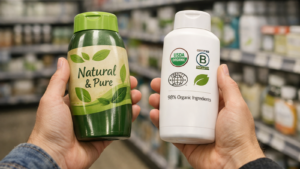
- Confusion around eco-labels and claims.
Brand Loyalty Driven By Values
What’s really interesting is how this trend is impacting brand loyalty. When brands show they genuinely care about environmental practices, consumers notice. Brands that offer accessible, credible, and sustainable options are building strong connections with customers who prioritize these values. This means that going green isn’t just about selling products; it’s about building trust and aligning with consumer ethics.
Market Performance Of Sustainable Goods

So, are these eco-friendly products actually moving off the shelves? The data suggests a pretty clear “yes.” Sustainable goods aren’t just a niche market anymore; they’re a significant and growing part of the overall economy. The market share for products marketed as sustainable has climbed to 17%, and more importantly, these items are driving a disproportionate amount of market growth. They’re growing 2.7 times faster than their conventional counterparts, which is a huge indicator of their momentum.
Market Share And Growth Rates
When we look at the numbers, it’s clear that sustainability is a major growth engine. While conventional products are chugging along, sustainable options are accelerating. This isn’t just a small bump; it’s a sustained upward trend that shows consumers are actively seeking out and purchasing these goods.
- Sustainable products now hold a 17% share of the total market value.
- They account for a substantial 32% of overall market growth.
- The compound annual growth rate (CAGR) for sustainable products is 7.34%, significantly outpacing the 2.76% CAGR of conventional goods.
Online Versus In-Store Sales
It seems like the internet is where many eco-conscious shoppers are doing their browsing and buying. For brands focusing on sustainability, online channels often show stronger performance. This could be because websites offer more space to detail a product’s green credentials compared to a crowded store shelf, or perhaps it’s just the demographic that tends to shop online.
A significant majority of product categories, around 75%, see sustainable options performing better in terms of market share when sold online versus in physical stores. This highlights the importance of a strong e-commerce presence for eco-friendly brands.
Increased Search Interest For Green Products
Beyond just sales figures, there’s a clear uptick in consumer interest in sustainable goods as shown by search trends. People are actively looking for information and products that align with their environmental values. This growing curiosity translates directly into purchasing power, indicating a healthy future for the ethical products market.
- Global Google searches related to sustainable products have seen a massive increase of about 130% between 2017 and 2022.
- In the US, the trend is similar, with searches growing by 117% over the same period.
- Sales of products with carbon labeling, a specific marker of environmental impact, doubled in just one year, showing a direct consumer response to clear environmental data.
Consumer Attitudes Towards Sustainability
It’s pretty clear that more and more people care about the planet. Surveys show a big chunk of us, like 78% globally, agree that environmental sustainability matters and we want to live greener lives. And it’s not just talk; a solid 63% have actually changed their habits, like buying differently, to be more eco-friendly. This isn’t just a niche thing anymore; it’s becoming a mainstream consideration when people shop.
Perceived Importance Of Environmental Practices
Most folks think environmental responsibility is a big deal. Around 72% of consumers worldwide say they’d actually pay more for products that are made sustainably. That’s a pretty strong signal. It’s not just about feeling good, either; 34% of global consumers are more likely to pick up products with eco-credentials. It seems like brands that show they’re trying to help the environment get a nod from shoppers.
Willingness To Pay A Premium
So, people say they care, but do they open their wallets? Generally, yes. While the cost of living is definitely a factor, a good number of consumers are still willing to shell out a bit more for sustainable options. For instance, American consumers are willing to pay about 12% more on average for these kinds of products. However, this willingness can fluctuate. Some reports show a slight dip in this premium willingness compared to previous years, especially in certain regions. It’s a balancing act for consumers, trying to align their budgets with their values.
| Region/Country | Willingness to Pay More (Approx.) |
| Global | 72% |
| USA | 51% |
| Kenya | 80% |
| Japan | 38% |
Impact Of Environmental Messaging On Trust
How brands talk about their green efforts really matters. When companies are upfront and honest about their sustainability goals and actions, it builds trust. In fact, 94% of consumers say they’ll stick with a brand that’s totally transparent. But here’s the catch: if the messaging isn’t clear or seems a bit fake, consumers get skeptical. A lot of people (like 57% in Canada) don’t really believe most “green” claims brands make. So, clear, honest communication is key to building that consumer trust and loyalty, especially when it comes to sustainable packaging.
Consumers are increasingly looking at brands to reflect their own values. When a company demonstrates a genuine commitment to environmental and social good, it doesn’t just attract customers; it builds a deeper connection. This connection often translates into loyalty, making consumers feel like they’re part of something bigger than just a transaction. It’s about aligning personal beliefs with purchasing power.
Factors Influencing Eco-Friendly Purchases
So, what actually makes someone choose the green option over the regular one? It’s not just one thing, is it? Life throws curveballs, and our shopping habits change with them. Think about the last couple of years – a lot has shifted.
The Pandemic’s Effect On Consumer Behavior
Remember when lockdowns hit? Suddenly, we were all home a lot more. This extra time seemed to give people a chance to really think about their choices. A bunch of us started feeling more eco-conscious. It’s like being stuck inside made us look at the bigger picture, including our planet.
Home Workers’ Conscious Choices
It turns out, folks working from home might be a bit more mindful about what they buy. Maybe it’s having more time to research, or just being more aware of the stuff around the house. Whatever the reason, people who work remotely seem more likely to pick companies that care about the environment and products with less packaging. It makes sense, right? You’re right there, seeing all the deliveries and the waste.
Price Perception Of Green Products
Here’s a big one: price. A lot of people think eco-friendly stuff costs more. And sometimes, it does. We’ve seen prices go up across the board, but sustainable items can feel like a real splurge. This is tricky because, at the same time, many of us are trying to save money wherever we can. It’s a tough balance when you want to do good but also need to watch your wallet.
The perception that green products are always more expensive is a significant hurdle. While some sustainable items do carry a higher price tag, this gap is narrowing. Brands need to address this cost concern directly, perhaps by highlighting long-term value or offering more accessible price points.
Here’s a quick look at how people feel about the cost:
- Perceived Price Increases: Around 75% of global consumers feel eco-friendly products have gotten pricier in the last year.
- Actual Price Premium: Sustainable products can cost about 28% more than conventional ones, though this difference has shrunk from previous years.
- Willingness to Pay More: Globally, about 55% of consumers say they’re willing to pay extra for sustainable or ethical brands, but this number has dipped slightly.
It’s clear that while the desire for eco-friendly options is there, the practicalities of cost and everyday life play a huge role in what ends up in our shopping carts.
Navigating The Cost Of Living Crisis
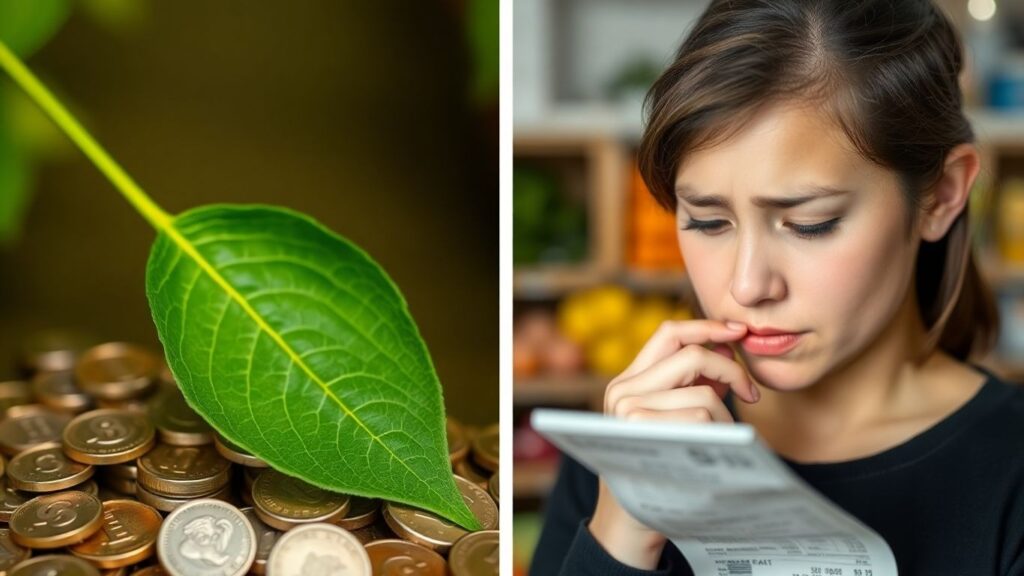
It’s no secret that times are tight for a lot of people right now. The rising cost of living has everyone watching their wallets a bit more closely. This definitely puts a spotlight on how we spend our money, especially when it comes to things that might seem like a luxury, like eco-friendly products.
Consumer Willingness to Pay More
Globally, a good chunk of consumers used to say they’d happily pay extra for products that are better for the planet. We’re talking about numbers like 55% or even higher in some surveys. But, as prices for everyday essentials keep climbing, that willingness seems to be taking a hit. It’s a tough spot for brands trying to promote sustainability when people are just trying to make ends meet. Some research shows this willingness has dipped a bit in places like the US, down to about 51%.
Perceived Price Increases of Eco-Products
Many people feel like green products have gotten more expensive. And honestly, it’s not just the eco-stuff; inflation has hit almost everything. Still, the perception is strong: 75% of folks globally think eco-friendly items are pricier than they used to be. This perception can be a real barrier, even if the actual price gap isn’t as huge as some believe. It’s interesting, though, that people are often willing to pay more for products made locally, with reasons ranging from lower carbon footprints to simply wanting to support their community buy local.
Balancing Budgets with Environmental Values
So, what’s the compromise? Consumers are getting smarter about finding deals. Using discount codes for sustainable goods online, for example, can knock 10-20% off the price. It shows that while the cost is a concern, people aren’t necessarily abandoning their values. They’re just looking for ways to align their budget with their desire to make better choices.
- Price Perception: Many consumers view eco-friendly items as premium.
- Trade-Down Effect: A large percentage of consumers are already buying less expensive, non-eco options due to rising costs.
- Discount Hunting: Consumers actively seek discounts to make sustainable purchases more affordable.
The economic climate is forcing a re-evaluation of priorities. While environmental concerns remain, the immediate pressure of household budgets means that affordability is often the deciding factor in day-to-day purchasing decisions. Brands that can offer credible sustainable options at competitive price points will likely fare best.
Generational And Regional Differences
Millennials Leading Sustainable Lifestyles
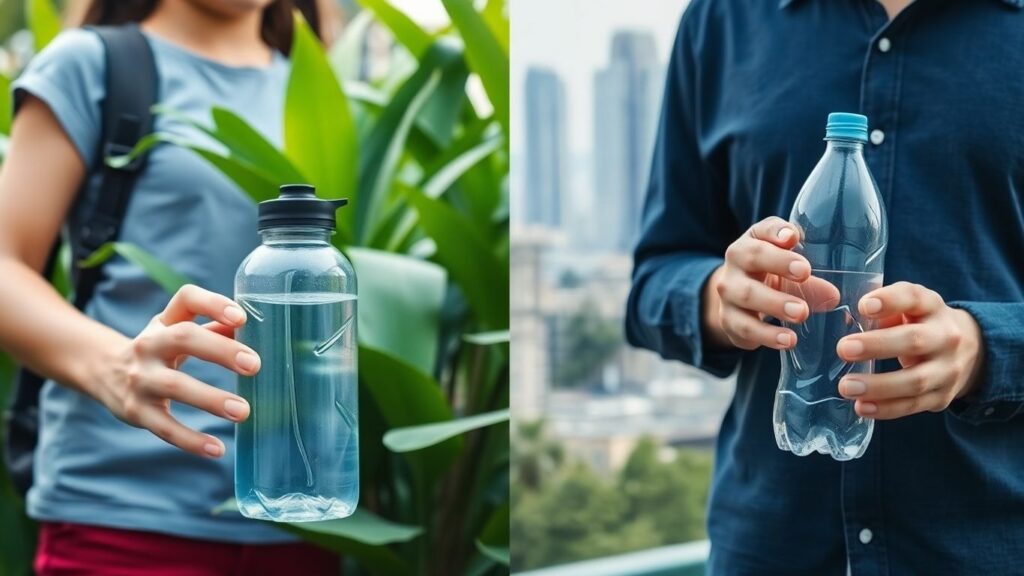
It’s pretty clear that younger folks are really pushing the envelope when it comes to caring about the planet. Millennials and Gen Z, in particular, seem to be way more concerned about environmental issues than older generations. They’re not just talking about it either; they’re actually changing their habits and even their career paths because of it. It’s like they feel a real responsibility to make a difference. This isn’t just a passing trend; it’s shaping how they shop and what they expect from the brands they support.
Varying Consumer Adoption Rates Globally
When you look around the world, how people are embracing eco-friendly living really shakes out differently. Some countries are way ahead of the curve, with a big chunk of their population making serious lifestyle changes. Others are still catching up. It seems like factors like education levels and even the age of the population play a big role in how quickly these sustainable habits spread. It’s interesting to see how different cultures are approaching the same environmental challenges.
Here’s a quick look at how some countries stack up:
- Brazil: High adoption rates, especially among younger, educated consumers.
- China: Similar to Brazil, with a strong push towards sustainability.
- Austria & Italy: Showing significant shifts in consumer behavior.
- Japan: Lagging behind in making widespread lifestyle changes.
- United States: A mixed bag, with a notable portion of consumers making changes, but also a significant group not altering their habits at all.
US Consumer Behavior Trends
In the US, the interest in sustainable products is definitely on the rise. Almost half of Americans have bought an eco-friendly item recently, which is a good jump from just a year ago. But here’s the catch: a lot of people want to buy green but can’t find what they’re looking for, or the price is just too high. This means there’s a big opportunity for brands that can make sustainable options more accessible and affordable. It’s not just about the environment for many; it’s also about supporting local or domestic products, even if it costs a bit more.
While environmental concerns are important, US consumers often weigh social factors, like fair labor practices and diversity, even more heavily when deciding whether to trust or recommend a brand. This suggests that a holistic approach to corporate responsibility, encompassing both environmental and social good, is key to building strong brand loyalty.
It’s also worth noting that while environmental messaging is getting out there, it seems to hit younger consumers more effectively. Older demographics might not be seeing or acting on these messages as much, especially in specific areas like eco-friendly clothing. This points to a need for brands to tailor their communication strategies to reach different age groups.
Barriers To Sustainable Consumption
Even with growing awareness, a lot of people still find it tough to consistently choose eco-friendly options. It’s not always a simple switch, and several roadblocks get in the way. For starters, finding these products can be a real challenge. Sometimes they’re just not available in your local store, or the online selection feels limited. This lack of accessibility means many shoppers default to what’s easy and familiar.
Accessibility And Availability Challenges
Think about it: you’re at the grocery store, and the organic produce section is tiny, or maybe it’s completely empty. That’s a common experience. Brands are getting better, but widespread availability is still a work in progress. It’s hard to make a sustainable choice when the choice isn’t really there.
Clarity Of Eco-Labels And Claims
Then there’s the whole labeling situation. You see a product with a green leaf on it, but what does that actually mean? Is it recycled? Biodegradable? Ethically sourced? The terms can be confusing, and sometimes they feel a bit misleading. Consumers want to trust what they’re buying, but vague or inconsistent eco-labels make that difficult. It’s hard to be sure you’re making a good choice when the information isn’t clear. This confusion can lead to frustration and a reluctance to even try.
Price As A Primary Obstacle
And of course, we can’t ignore the price tag. While many people say they’re willing to pay a bit more, there’s a limit. For a lot of us, especially with the current cost of living, the price difference between a standard item and its eco-friendly counterpart can be too much. It feels like a luxury, and when budgets are tight, that luxury often gets cut. It’s a tough balance trying to do right by the planet when you’re also trying to make ends meet. Many shoppers feel that eco-friendly products have become more expensive over the last year, which only adds to the problem.
The perception that sustainable goods are inherently more expensive is a significant hurdle. While some premium is often expected, the gap can feel too wide for many consumers, especially when compared to the rising costs of everyday essentials. This price sensitivity often forces a difficult trade-off between environmental values and immediate financial needs.
So, What’s the Verdict on Eco-Friendly Demand?
Alright, let’s wrap this up. It’s pretty clear from the numbers that people are definitely paying more attention to whether products are good for the planet. Almost half of us have bought something eco-friendly recently, and that’s a good chunk of the population. Plus, a lot of folks want to buy greener stuff but just can’t find it easily or afford it. This means there’s a big opening for brands that can make sustainable options available and make it obvious why they’re a good choice. Get that right, and you’re likely to have customers sticking around for the long haul. It’s not just a trend; it’s becoming a real part of how people shop.
Frequently Asked Questions
Are people really buying eco-friendly stuff?
Yes, many people are! Almost half of Americans bought something eco-friendly in the last month. This shows that caring for the planet is becoming more important when people shop.
Is it easy to find eco-friendly products?
Not always. A lot of people want to buy green products but can’t find them easily. This means there’s a big chance for companies to offer more sustainable options.
Do people care more about the environment or saving money?
It’s a mix. While many people say they want to buy eco-friendly items, the rising cost of living makes them think twice. Some are willing to pay a bit more, but it’s getting harder for everyone.
Does buying green make people loyal to a brand?
Definitely! When brands offer products that are good for the environment and are easy to get, customers tend to stick with them. It shows that people want to support companies that share their values.
Are younger people more into eco-friendly products?
Yes, younger generations like Millennials are leading the way in making eco-friendly choices. They are more likely to change their habits and buy from companies that care about the planet.
What stops people from buying eco-friendly products?
The main reasons are that these products can be hard to find, the labels aren’t always clear about what makes them eco-friendly, and they often cost more than regular items. Price is a big deal for many shoppers.