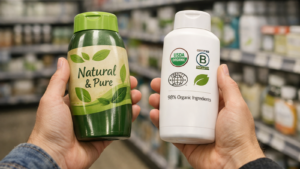
Autumn brings crisp air, colourful leaves, and perfect opportunities for creating warm, inviting spaces. For eco-conscious consumers, this season offers chances to embrace sustainable living whilst enjoying cosy comforts. Transitioning into cooler months doesn’t require compromising environmental values. Instead, selecting thoughtfully crafted, planet-friendly products enhances both home atmosphere and ecological responsibility.
Modern sustainable alternatives now match or exceed conventional options in quality, durability, and aesthetic appeal. From organic textiles to renewable energy solutions, eco-friendly fall essentials transform living spaces into sanctuaries that honour both personal comfort and planetary health. This comprehensive guide explores twelve exceptional products designed to elevate your autumn experience whilst minimising environmental impact.
Understanding Eco-Friendly Fall Living
What Makes Products Truly Sustainable?
Genuine sustainability extends beyond marketing claims. Authentic eco-friendly products demonstrate several key characteristics: renewable or recycled materials, ethical manufacturing processes, minimal packaging, longevity and durability, biodegradability or recyclability at end-of-life, and transparent supply chains.
Greenwashing remains prevalent, making informed purchasing decisions crucial. Look for third-party certifications like Global Organic Textile Standard (GOTS), Fair Trade, Forest Stewardship Council (FSC), and OEKO-TEX Standard 100. Such certifications provide verifiable evidence of environmental and social responsibility.
Why Choose Sustainable Fall Essentials?
Selecting eco-friendly products during autumn months delivers multiple benefits. Environmental advantages include reduced carbon footprints, decreased waste in landfills, conservation of natural resources, and protection of ecosystems. Personal benefits encompass healthier indoor air quality, superior product longevity, unique artisan craftsmanship, and alignment with personal values.
Collective consumer choices drive market transformation. Every sustainable purchase signals demand for responsible manufacturing, encouraging more brands to adopt environmentally conscious practices. Your autumn essentials can become powerful statements about preferred futures.
12 Essential Eco-Friendly Products for Autumn Comfort
1. Organic Wool Blankets
Description
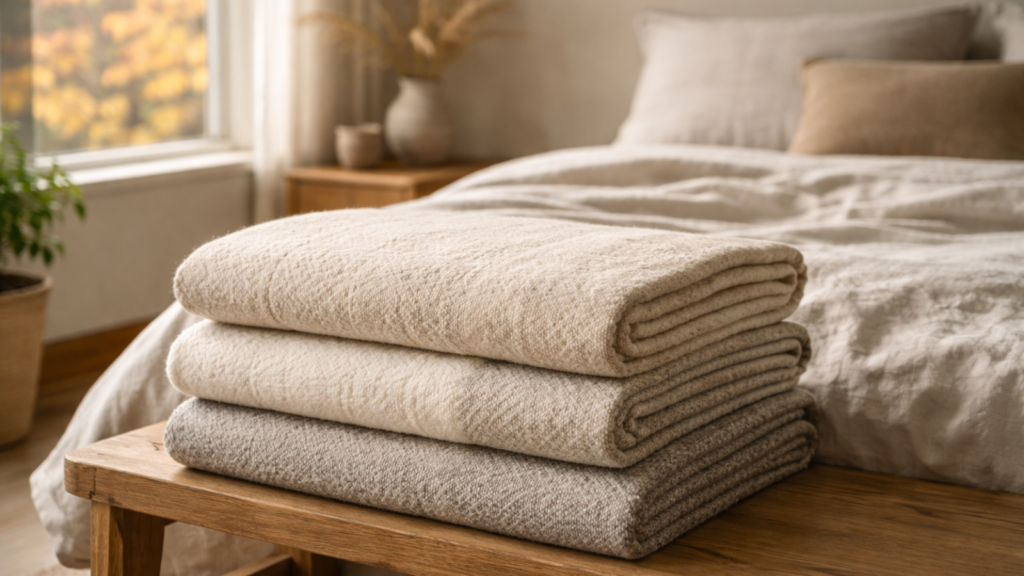
Organic wool blankets represent timeless fall essentials combining warmth, breathability, and natural beauty. Unlike synthetic alternatives, pure wool regulates temperature naturally, keeping you warm without overheating. Premium organic wool comes from sheep raised on certified organic pastures without harmful pesticides or synthetic hormones.
Eco Features
Organic wool production eliminates toxic chemicals from farming practices, protecting soil health and waterways. Wool is completely biodegradable, returning to earth harmlessly at lifecycle end. Natural lanolin content provides inherent water resistance without chemical treatments. Renewable resource status makes wool infinitely sustainable when managed responsibly. Carbon sequestration occurs as grasslands absorb atmospheric CO2 during grazing.
Benefits
Temperature regulation creates comfortable sleeping conditions year-round. Naturally flame-resistant properties eliminate need for chemical retardants. Hypoallergenic qualities benefit sensitive skin types. Moisture-wicking capabilities prevent dampness and discomfort. Durability ensures decades of use with proper care. Timeless aesthetic complements various interior design styles.
Tips for Use
Air wool blankets regularly outdoors on dry, sunny days to refresh fibres naturally. Spot clean minor stains with cold water and gentle, eco-friendly soap. Professional cleaning maintains quality for heavily soiled items. Store in breathable cotton bags during off-seasons, avoiding plastic containers that trap moisture. Layer with lighter blankets for customised warmth levels. Rotate multiple blankets to extend individual lifespans.
Recommended Products
Look for GOTS-certified organic wool from brands like Avocado Green Brands, Coyuchi, and Under the Canopy. Merino wool varieties offer exceptional softness. Chunky knit styles provide visual interest alongside warmth. Herringbone and cable patterns add texture to living spaces.
Where to Buy
Purchase directly from sustainable brands online, supporting transparent supply chains. Speciality eco-boutiques often stock curated selections. Farmers markets occasionally feature local wool artisans. Look for certifications verifying organic status and ethical production.
2. Soy or Beeswax Candles
Description
Natural candles crafted from soy wax or beeswax illuminate autumn evenings without petroleum-derived paraffin. Soy candles come from renewable soybean crops, whilst beeswax represents natural byproducts of honey production. Both options burn cleaner and longer than conventional candles, creating healthier indoor environments.
Eco Features
Soy wax is completely biodegradable and comes from renewable agricultural sources. Beeswax supports pollinator populations through ethical beekeeping. Both materials burn without releasing harmful toxins like toluene and benzene found in paraffin. Cotton or wooden wicks eliminate lead exposure. Reusable containers reduce waste when candles burn completely. Essential oil fragrances replace synthetic chemicals.
Benefits
Longer burn times provide better value despite higher initial costs. Cleaner burning improves indoor air quality significantly. Natural fragrances create authentic aromatherapy experiences. Support for sustainable agriculture or ethical beekeeping contributes to environmental conservation. Beautiful presentation makes candles worthy décor elements. Lower soot production keeps walls and ceilings cleaner.
Tips for Use
Trim wicks to 6mm before each lighting to prevent smoking and ensure even burning. Allow complete wax melting across surface during first burn, creating memory for subsequent uses. Burn candles in draft-free locations for optimal performance. Avoid burning continuously for more than four hours. Keep wax pools free from debris. Repurpose containers after candle completion for storage or planting.
Recommended Products
Brands like Fontana Candle Company, Big Dipper Wax Works, and P.F. Candle Co. offer excellent options. Look for USDA Certified Organic soy or Pure Beeswax designations. Autumn scents like pumpkin spice, apple cider, cinnamon, and cedarwood enhance seasonal atmosphere. Unscented varieties suit sensitive individuals.
Where to Buy
Artisan markets showcase local candlemakers using quality ingredients. Sustainable lifestyle shops stock curated collections. Online platforms specialising in eco-products offer broad selections. Direct purchases from candlemakers support small businesses and ensure product authenticity.
3. Bamboo Fibre Bedding
Description
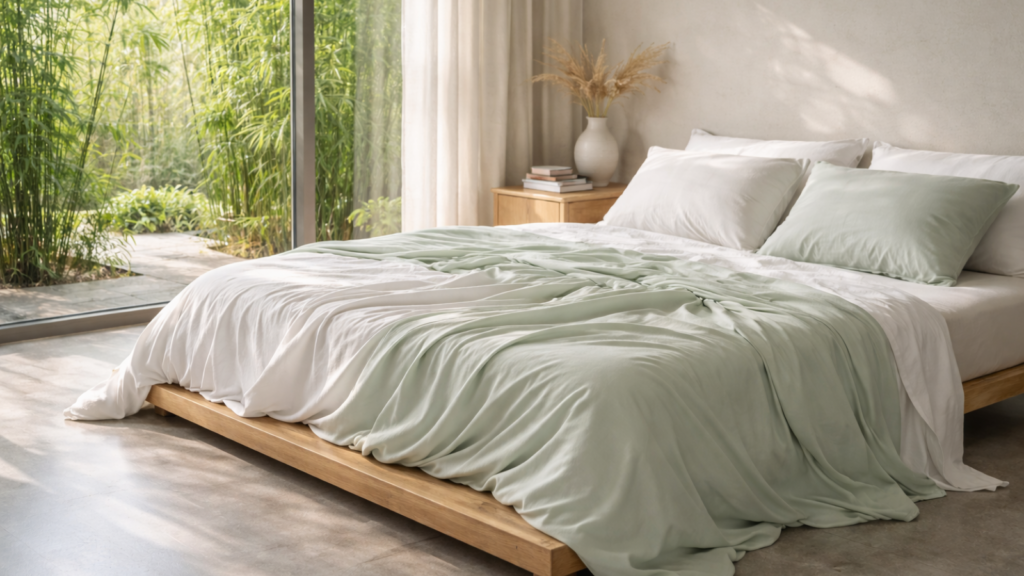
Bamboo-derived bedding provides luxurious softness rivalling high-thread-count cotton whilst maintaining impressive sustainability credentials. Bamboo viscose or lyocell fabrics feel silky smooth against skin, regulate temperature effectively, and resist bacteria naturally. Proper processing methods ensure minimal environmental impact.
Eco Features
Bamboo grows rapidly without pesticides, fertilisers, or extensive irrigation. Regeneration occurs from existing root systems without replanting. Carbon sequestration during growth offsets manufacturing emissions. Closed-loop processing in lyocell production recycles 99% of solvents. Biodegradability ensures harmless lifecycle completion. Naturally antimicrobial properties reduce washing frequency and water consumption.
Benefits
Temperature regulation keeps sleepers comfortable through fluctuating autumn nights. Moisture-wicking prevents dampness and promotes better sleep quality. Hypoallergenic nature benefits sensitive skin and respiratory systems. Softness increases with washing, unlike cotton that becomes rough. Durability provides years of comfortable use. Easy care requirements simplify maintenance routines.
Tips for Use
Wash in cool or warm water with eco-friendly detergents free from harsh chemicals. Avoid fabric softeners that coat fibres and reduce moisture-wicking capabilities. Line dry when possible to conserve energy and extend fabric life. Tumble dry on low heat settings if necessary. Rotate multiple sheet sets to distribute wear evenly. Iron on low temperatures if desired, though bamboo resists wrinkling naturally.
Recommended Products
Ettitude, Cariloha, and Cozy Earth produce high-quality bamboo bedding with verified sustainability. Look for OEKO-TEX certifications ensuring chemical-free processing. Choose lyocell or Tencel™ branded bamboo for most eco-friendly options. Percale weaves offer crisp, cool feels whilst sateen weaves provide silky warmth.
Where to Buy
Brand websites offer complete collections with detailed sustainability information. Eco-focused retailers stock premium bamboo bedding lines. Department stores increasingly feature sustainable bedding sections. Online marketplaces provide reviews helping evaluate quality before purchasing.
4. Recycled Glass Oil Diffusers
Description
Oil diffusers crafted from recycled glass combine functionality with artistic beauty, dispersing essential oils throughout spaces without electricity or synthetic fragrances. Reed diffusers use natural reeds to absorb and release oils continuously, creating subtle, lasting aromas. Electric ultrasonic models made from recycled materials offer alternative options.
Eco Features
Recycled glass reduces raw material extraction and manufacturing energy consumption. Passive reed diffusion requires zero electricity, eliminating ongoing energy use. Natural essential oils replace petroleum-based synthetic fragrances. Reusable containers serve multiple purposes after initial use. Bamboo or rattan reeds biodegrade completely. Minimal packaging reduces waste generation.
Benefits
Continuous fragrance distribution occurs without intervention or electricity. Aesthetic appeal enhances interior décor with handcrafted beauty. Essential oils provide therapeutic benefits beyond pleasant scents. Customisable fragrance strength through reed quantity adjustments. Safety advantages over flame-based options in homes with children or pets. Cost-effectiveness through refillable designs.
Tips for Use
Flip reeds weekly to refresh fragrance intensity and prevent clogging. Replace reeds monthly for optimal diffusion performance. Position diffusers away from direct sunlight to preserve oil integrity. Select autumn-appropriate essential oils like cinnamon, clove, orange, pine, or cedarwood. Blend multiple oils for unique personal fragrances. Clean containers thoroughly between different oils to prevent scent mixing.
Recommended Products
Brands like Paddywax, Vitruvi (for electric models with recycled components), and Thymes offer quality diffusers. Seek products with FSC-certified reeds and organic essential oils. Hand-blown recycled glass provides unique character. Choose carrier oils like fractionated coconut or sweet almond for optimal reed absorption.
Where to Buy
Artisan craft fairs feature local glassblowers creating one-of-kind pieces. Eco-boutiques curate collections emphasising sustainability and aesthetics. Online speciality retailers provide detailed product information and sustainability credentials. Essential oil companies often offer complementary diffuser options.
5. Hemp or Organic Cotton Throws
Description
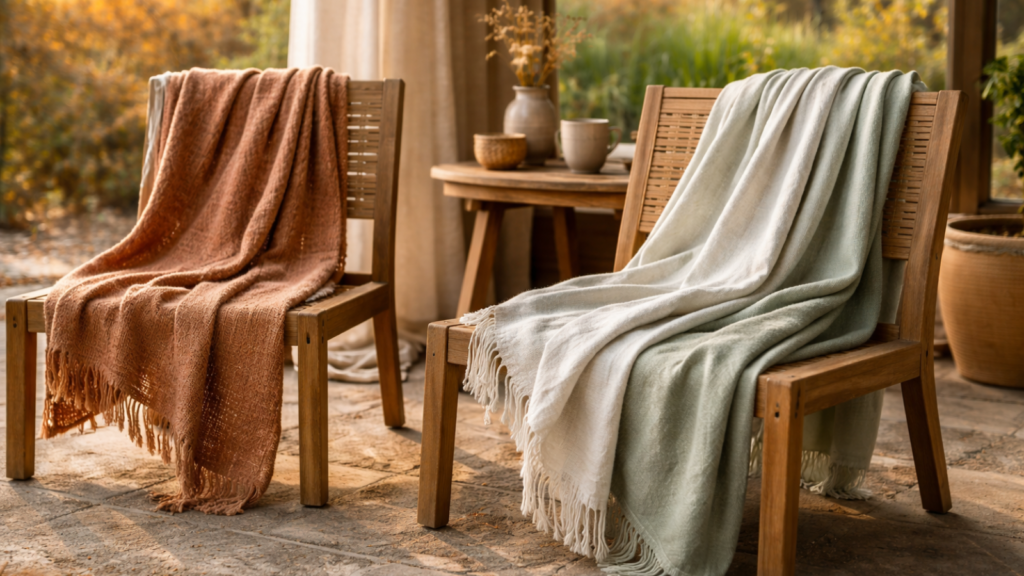
Lightweight throws made from hemp or organic cotton deliver versatile warmth perfect for autumn’s variable temperatures. Hemp fabric offers exceptional durability and becomes softer with age, whilst organic cotton provides familiar comfort without synthetic chemicals. Both materials suit various decorating styles and practical applications.
Eco Features
Hemp cultivation requires minimal water, no pesticides, and enriches soil naturally. Carbon-negative growth absorbs more CO2 than production generates. Organic cotton eliminates toxic pesticides protecting farmers and ecosystems. Both fibres biodegrade completely without environmental harm. Natural dyeing processes using plant-based colours further reduce impact. Low-water cultivation methods conserve precious resources.
Benefits
Versatility allows use as couch throws, bed layers, picnic blankets, or outdoor wraps. Durability ensures years of reliable service despite frequent use. Easy maintenance through simple machine washing. Breathability prevents overheating during mild autumn days. Natural antimicrobial properties resist odours between washings. Style variety suits personal preferences and home décor themes.
Tips for Use
Pre-wash before first use to maximise softness and remove natural sizing. Cold water washing preserves colours and reduces energy consumption. Add vinegar to rinse cycle naturally softening fibres without chemicals. Air drying extends fabric life significantly. Fold and store properly to prevent permanent creasing. Rotate multiple throws to distribute wear patterns evenly.
Recommended Products
Brands like Rawganique, Parachute Home, and Boll & Branch offer certified organic options. Look for Fair Trade certifications ensuring ethical labour practices. Waffle weaves provide textural interest and enhanced warmth. Herringbone patterns add visual sophistication. Solid colours offer versatility whilst patterns make bold statements.
Where to Buy
Sustainable home goods retailers specialise in organic textiles. Brand direct purchases support transparent manufacturing. Department stores increasingly stock eco-friendly textile lines. Online marketplaces with sustainability filters help locate appropriate options.
6. Cork Yoga Mats
Description
Cork yoga mats bring natural beauty and performance to autumn fitness routines, whether practising indoors or enjoying crisp outdoor sessions. Harvested from cork oak bark without harming trees, these mats provide excellent grip, cushioning, and antimicrobial properties. Natural rubber backing ensures stability during dynamic movements.
Eco Features
Cork harvesting allows trees to continue growing and absorbing CO2 for decades. Bark regeneration makes cork infinitely renewable when properly managed. Natural antimicrobial properties eliminate need for chemical treatments. Biodegradability ensures harmless end-of-life disposal. Carbon-negative status results from CO2 absorption exceeding production emissions. Sustainable forestry supports Mediterranean ecosystem preservation.
Benefits
Superior grip improves when moisture increases, unlike synthetic mats becoming slippery. Natural cushioning protects joints during floor exercises. Antimicrobial properties prevent bacteria and odour development. Durability outlasts conventional PVC mats significantly. Unique grain patterns make each mat distinctive. Temperature neutrality maintains comfort in cool autumn weather.
Tips for Use
Clean with damp cloth and mild soap solution after each use. Avoid submerging in water, which can compromise natural rubber backing. Air dry completely before rolling to prevent moisture retention. Store unrolled occasionally to release compression. Use outdoors during pleasant autumn weather, connecting fitness practice with nature. Apply light natural oil seasonally to maintain cork suppleness.
Recommended Products
Yoloha Cork, Scoria World, and Gurus offer high-quality cork mats. Verify natural rubber backing rather than synthetic alternatives. Thickness options range from 3mm (travel-friendly) to 6mm (extra cushioning). Look for FSC certification ensuring responsible forestry. Combination cork-and-recycled-rubber options maximise sustainability.
Where to Buy
Yoga studios often stock or recommend sustainable mat options. Sporting goods retailers increasingly feature eco-friendly fitness equipment. Online yoga speciality shops provide detailed specifications and reviews. Direct brand purchases often include sustainability information and care instructions.
7. Reclaimed Wood Serving Boards
Description
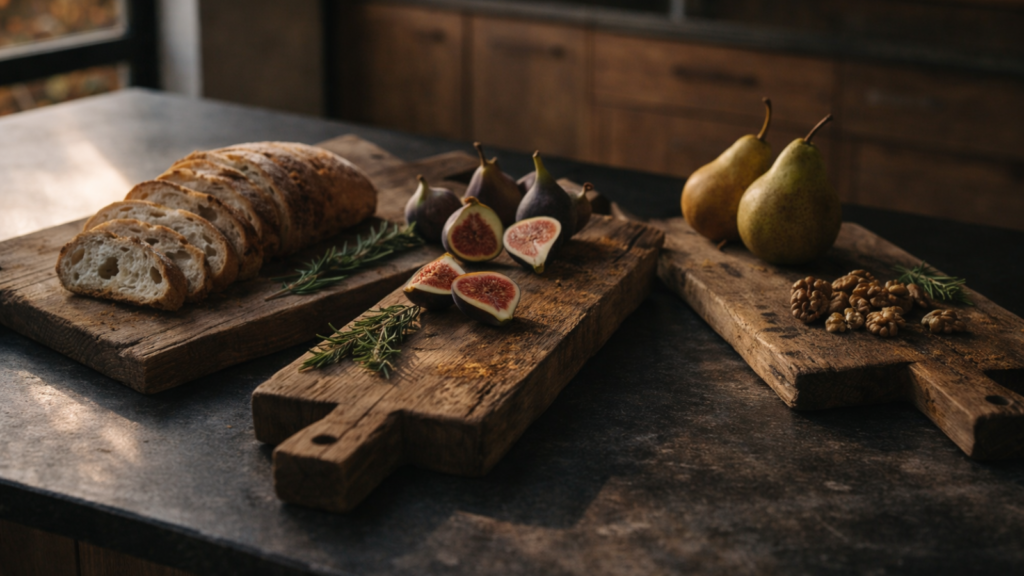
Serving boards crafted from reclaimed wood bring rustic charm and sustainable elegance to autumn entertaining. Salvaged from old barns, wine barrels, or dismantled structures, reclaimed wood carries unique character whilst preventing quality timber from entering landfills. Each board tells stories through distinctive grains, colours, and patinas.
Eco Features
Reclaimed wood diverts quality timber from waste streams, reducing landfill burden. Zero new tree harvesting preserves forests for carbon sequestration and biodiversity. Energy savings from avoiding virgin lumber processing significantly reduce carbon footprints. Aged wood often surpasses new lumber in stability and beauty. Chemical-free finishes using natural oils or beeswax maintain food safety. Long lifespan through decades of proper care.
Benefits
Unique character ensures no two boards match exactly, providing conversation pieces. Durability from aged, dense wood withstands heavy use. Versatility allows serving, cutting, or display purposes. Natural antimicrobial properties in certain woods like walnut. Easy maintenance through simple oiling preserves beauty. Value appreciation as handcrafted items potentially become heirlooms.
Tips for Use
Hand wash with warm soapy water immediately after use, avoiding prolonged soaking. Dry thoroughly before storing to prevent warping or cracking. Apply food-safe mineral oil or beeswax monthly to maintain moisture balance. Use separate boards for raw proteins and produce to prevent cross-contamination. Display vertically when not in use, showcasing natural beauty. Sand lightly and re-oil if surface becomes rough over time.
Recommended Products
Local woodworkers and artisans create custom pieces from regional reclaimed sources. Brands like Brooklyn Butcher Blocks and Ironwood Gourmet produce quality options. Verify genuinely reclaimed materials rather than distressed new wood. Consider wood types like walnut, cherry, maple, or oak for different aesthetics and properties.
Where to Buy
Artisan markets connect buyers directly with creators, ensuring authenticity. Eco-focused home goods shops curate collections from verified craftspeople. Online platforms specialising in handmade items offer broad selections. Antique shops occasionally stock vintage cutting boards worth restoring.
8. Plant-Based Wool Alternative Blankets
Description
Plant-based alternatives to wool provide cruelty-free warmth for those preferring vegan options without compromising sustainability. Materials like organic cotton fleece, Tencel™, and innovative fibres from eucalyptus or bamboo offer excellent insulation, softness, and environmental credentials. Modern processing techniques create textile performance rivalling animal fibres.
Eco Features
Plant cultivation requires significantly less land and water than animal agriculture. Lower greenhouse gas emissions compared to livestock farming reduce climate impact. Biodegradable fibres return harmlessly to ecosystems. Closed-loop manufacturing processes recycle solvents and minimise waste. Rapidly renewable crops regenerate quickly after harvesting. Chemical-free organic farming protects soil and water quality.
Benefits
Vegan-friendly production aligns with animal welfare values. Hypoallergenic properties suit those sensitive to animal fibres. Temperature regulation maintains comfort across varying conditions. Lightweight warmth provides insulation without heaviness. Easy care through machine washing simplifies maintenance. Affordability makes quality sustainable bedding accessible.
Tips for Use
Wash in cool water with plant-based detergents to maintain fibre integrity. Avoid high heat drying, which can damage delicate plant fibres. Shake out periodically to restore loft and fluffiness. Store in cool, dry locations away from direct sunlight. Layer with other blankets for customised warmth levels. Replace every 5-7 years as fibres naturally break down.
Recommended Products
Brands like Ettitude, West Elm’s organic collections, and Pact offer plant-based blanket options. Look for GOTS or OEKO-TEX certifications verifying organic and chemical-free processing. Tencel™ branded products guarantee sustainable eucalyptus sourcing and production. Consider brushed cotton fleece for exceptional softness.
Where to Buy
Vegan lifestyle shops specialise in animal-free home goods. Sustainable bedding retailers stock plant-based options alongside other eco-textiles. Online marketplaces with vegan filters simplify product discovery. Brand websites provide detailed material sourcing information.
9. Solar-Powered Outdoor Lighting
Description
Solar-powered outdoor lights extend autumn evening enjoyment of gardens, patios, and pathways without increasing electricity consumption. Modern solar technology provides reliable illumination even during shorter autumn days. Options range from decorative string lights to functional pathway markers and ambient lanterns.
Eco Features
Renewable solar energy eliminates fossil fuel consumption and grid electricity dependence. Zero operating costs reduce long-term environmental and financial burdens. LED technology maximises efficiency and longevity. Elimination of electrical wiring reduces installation impact. Recyclable components enable responsible disposal. No ongoing carbon emissions during operation.
Benefits
Automatic operation through dusk-to-dawn sensors requires no intervention. Installation flexibility allows placement anywhere sunlight reaches. Safety improvements from eliminating electrical hazards in wet conditions. Maintenance-free operation aside from occasional panel cleaning. Cost savings through eliminated electricity usage. Aesthetic variety suits different outdoor design preferences.
Tips for Use
Position solar panels in locations receiving maximum direct sunlight. Clean panels monthly with damp cloth to maintain charging efficiency. Replace rechargeable batteries every 2-3 years for optimal performance. Bring lights indoors during severe weather to extend lifespan. Consider battery capacity when selecting models for areas with limited autumn sunlight. Store properly during winter months in regions with harsh conditions.
Recommended Products
Brands like LITOM, URPOWER, and Brightech offer reliable solar lighting. Look for lights with separate solar panels for flexible positioning. Choose warm white LEDs for inviting autumn ambience. Verify battery quality and replacement availability. Consider motion-sensor options for pathway safety and wildlife observation.
Where to Buy
Garden centres stock seasonal outdoor lighting selections. Home improvement stores offer functional pathway and security options. Online retailers provide extensive varieties with detailed specifications. Eco-focused shops curate aesthetically pleasing sustainable options.
10. Stainless Steel or Glass Water Bottles
Description
Reusable water bottles made from stainless steel or glass provide hydration solutions eliminating single-use plastic waste. Insulated stainless steel options maintain beverage temperatures for hours, perfect for hot tea during cool autumn walks or cold water during active pursuits. Glass bottles offer pure taste without metal contact.
Eco Features
Elimination of single-use plastic bottles prevents enormous waste generation and ocean pollution. Durable construction enables years or decades of daily use. Recyclability at end-of-life ensures materials re-enter manufacturing streams. BPA-free materials protect health and environment. Reduced transportation emissions from eliminating bottled water purchases. Lower overall resource consumption compared to disposable alternatives.
Benefits
Temperature retention keeps beverages hot or cold for extended periods. Pure taste without plastic or metallic flavours. Easy cleaning maintains hygiene and prevents odour development. Style variety allows personal expression and preference matching. Cost savings accumulate quickly compared to purchasing bottled water. Portability encourages adequate hydration throughout daily activities.
Tips for Use
Hand wash daily with warm soapy water and bottle brush reaching interior. Deep clean weekly using baking soda paste or vinegar solution. Dry completely before closing to prevent bacterial growth. Use appropriate bottles for intended beverages—avoid carbonated drinks in sealed glass. Replace seals and gaskets annually to maintain leak-proof performance. Personalise with stickers or engraving to prevent loss.
Recommended Products
Brands like Hydro Flask, S’well, Klean Kanteen, and Lifefactory produce quality options. Choose powder-coated exteriors for better grip and style. Verify vacuum insulation for temperature control needs. Consider wide-mouth designs for easy cleaning and ice addition. Look for lifetime warranties indicating manufacturer confidence.
Where to Buy
Sporting goods stores stock extensive selections for active lifestyles. Department stores carry fashionable designs from popular brands. Eco-shops focus on sustainable materials and ethical manufacturing. Online retailers offer broad price ranges and style varieties.
11. Natural Fibre Area Rugs
Description
Area rugs woven from natural fibres like jute, sisal, seagrass, or organic wool add warmth, texture, and acoustic softening to autumn interiors. Natural materials create inviting foundations for living spaces whilst maintaining environmental integrity. Handcrafted options support artisan communities preserving traditional weaving techniques.
Eco Features
Renewable plant fibres regenerate quickly after harvesting. Biodegradable materials return harmlessly to soil after useful life. Low-impact processing uses minimal chemicals or energy. Carbon sequestration during plant growth offsets manufacturing emissions. Support for traditional crafts preserves cultural heritage. Natural dyes from plants or minerals eliminate synthetic chemicals.
Benefits
Durability withstands high-traffic areas with proper care. Texture adds visual and tactile interest to spaces. Sound absorption reduces noise in hard-surface rooms. Versatility complements various decorating styles from bohemian to minimalist. Easy maintenance through regular vacuuming. Value proposition through longevity and timeless appeal.
Tips for Use
Vacuum regularly using attachments without beater bars that can damage natural fibres. Rotate periodically to distribute wear evenly. Address spills immediately by blotting—never rubbing. Use rug pads underneath to prevent slipping and extend rug life. Keep away from excessive moisture causing mould or mildew. Professional cleaning every few years maintains appearance and freshness.
Recommended Products
West Elm, Pottery Barn’s sustainable collections, and The Citizenry offer quality natural fibre rugs. Look for Fair Trade certifications on handwoven options. Consider jute for casual spaces, sisal for durability, seagrass for moisture resistance, and wool for luxury. Flatweave styles suit modern aesthetics whilst textured varieties add dimension.
Where to Buy
Home furnishing stores stock natural fibre rug collections. Speciality rug retailers offer custom sizing and extensive selections. Online platforms provide detailed measurements and material information. Fair trade organisations connect buyers directly with artisan weavers.
12. Compostable Food Storage Containers
Description
Compostable food storage containers made from plant-based materials like bamboo, palm leaves, or cornstarch offer sustainable alternatives to plastic storage. Suitable for leftovers, meal prep, and autumn harvest preservation, these containers biodegrade completely after use. Some designs withstand freezer and microwave use, providing functionality matching conventional options.
Eco Features
Plant-based materials come from renewable agricultural sources. Complete biodegradability prevents long-term environmental persistence. Compostability returns nutrients to soil, completing natural cycles. Elimination of petroleum-based plastics reduces fossil fuel dependence. Non-toxic materials ensure food safety without chemical leaching. Reduced microplastic generation protects ecosystems and human health.
Benefits
Guilt-free disposal knowing materials will biodegrade naturally. Lightweight construction simplifies transport and handling. Variety of sizes accommodates different storage needs. Temperature tolerance allows versatile kitchen use. Stackable designs maximise refrigerator and cupboard space. Support for agricultural economies growing source materials.
Tips for Use
Check specific temperature tolerances before microwave or freezer use. Hand wash when possible to extend usable life. Compost containers showing wear rather than discarding in regular waste. Store dry goods in cool locations away from heat sources. Use within recommended timeframes as natural materials eventually degrade. Purchase quantities matching actual usage to prevent premature decomposition.
Recommended Products
Brands like Stasher (for silicone alternatives), World Centric, and Preserve offer various sustainable storage options. Verify compostability certifications like BPI or CMA. Consider stainless steel containers with silicone seals for longer-lasting reusable alternatives. Look for clear indicators of material composition.
Where to Buy
Zero-waste shops specialise in plastic-free storage solutions. Natural foods stores stock eco-friendly kitchen products. Online sustainable lifestyle retailers offer comprehensive selections. Local co-ops often carry compostable alternatives from regional producers.
Conclusion
Fall essentials embracing eco-friendly principles transform seasonal transitions into opportunities for positive environmental impact. Twelve carefully selected products demonstrate that comfort, quality, and sustainability coexist beautifully. From organic textiles wrapping you in warmth to solar lighting extending evening enjoyment, sustainable alternatives now match or exceed conventional options across performance metrics.
Embrace autumn’s beauty whilst honouring Earth’s gifts. Let sustainable essentials enhance seasonal comfort whilst protecting environments making such abundance possible. Your cosy autumn sanctuary awaits, ready to nurture both personal wellbeing and planetary health.
Frequently Asked Questions
What makes products genuinely eco-friendly rather than greenwashed?
Look for third-party certifications like GOTS, Fair Trade, FSC, or B-Corp status verifying sustainability claims. Research company practices beyond marketing messages, checking for transparency about materials, manufacturing, and supply chains. Genuine eco-friendly products demonstrate measurable environmental benefits through renewable materials, ethical production, minimal packaging, and durability. Trust but verify, using independent resources to confirm manufacturer claims.
Are eco-friendly products more expensive than conventional alternatives?
Initial costs often exceed conventional products, but long-term value usually proves superior. Sustainable items typically last significantly longer, reducing replacement frequency and ultimately saving money. Factor durability, performance, health benefits, and environmental impact into value assessments rather than focusing solely on purchase price. Many sustainable options now compete favourably with conventional products as manufacturing scales increase and technologies improve.
How can I verify sustainability claims made by brands?
Research company websites for detailed information about sourcing, manufacturing, and environmental policies. Look for specific certifications from recognised independent organisations rather than vague “eco-friendly” language. Read reviews from sustainability-focused publications and consumer advocates. Contact companies directly with questions about specific practices. Trust brands demonstrating transparency and providing verifiable information over those making unsupported claims.
Can eco-friendly products really make a difference?
Individual choices collectively drive market transformation and resource conservation. Every sustainable purchase signals consumer demand for responsible products, encouraging more companies to adopt better practices. Sustainable products often prevent significant waste, reduce pollution, conserve resources, and support ethical labour. Combined with broader lifestyle changes, eco-friendly product choices contribute meaningfully to environmental protection and social justice.
What should I do with conventional products I already own?
Continue using existing items until they reach natural end-of-life rather than discarding prematurely. Unnecessary replacement creates waste and requires new resource consumption. Donate functional items no longer meeting your needs. Recycle or properly dispose of worn-out products according to material type. Transition gradually to sustainable alternatives as replacements become necessary, making thoughtful purchasing decisions going forward.
How do I care for natural fibre textiles to maximise longevity?
Wash natural fibres in cool or warm water with gentle, eco-friendly detergents. Avoid harsh chemicals, bleach, and excessive heat damaging delicate plant or animal fibres. Air dry when possible, using low tumble heat only when necessary. Store properly in breathable containers protecting from moisture and pests. Rotate items regularly to distribute wear. Address stains promptly before setting. Proper care helps natural textiles last decades.
Are plant-based alternatives really better than animal fibres?
Both options offer sustainability advantages depending on specific circumstances. Plant-based materials generally require less land, water, and resources whilst producing fewer emissions than animal agriculture. However, some animal fibres like wool provide superior performance characteristics including temperature regulation, durability, and renewability when sourced from ethical, regenerative farms. Consider personal values, specific product performance needs, and verified sourcing practices when choosing between options.
What autumn activities complement sustainable living?
Outdoor activities like hiking, foraging, and nature photography connect with seasons whilst minimising environmental impact. Creative pursuits using natural materials such as wreath-making or nature crafts celebrate autumn beauty. Community participation in local harvest festivals, clothing swaps, or repair cafés builds connections whilst supporting sustainability. Volunteering for environmental organisations or community gardens contributes directly to ecological health. Mindful practices like meditation outdoors ground us in seasonal rhythms.
How can I encourage others to adopt sustainable practices?
Lead by example, allowing your choices to inspire without preaching. Share experiences and benefits you’ve discovered through sustainable living. Gift eco-friendly products introducing others to quality alternatives. Provide information when asked without judgment about current choices. Support businesses and organisations promoting sustainability, amplifying positive change. Remember that everyone’s sustainability journey differs, and progress matters more than perfection.
Where can I learn more about sustainable living?
Numerous resources support ongoing sustainability education. Websites like TreeHugger, Grist, and Earther provide current environmental news and practical advice. Books by authors like Michael Pollan, Wendell Berry, and Robin Wall Kimmerer offer deeper philosophical perspectives. Documentary films explore various sustainability topics accessibly. Local environmental organisations offer workshops and community connections. Social media communities share tips and support. Continuous learning helps refine practices and maintain motivation.