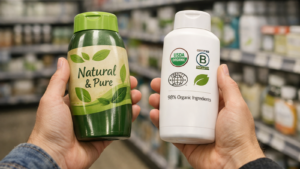
Shopping for sustainable products has become increasingly complex. Supermarket shelves overflow with items labelled “green,” “natural,” or “eco-friendly,” yet many fail to deliver on promises. Greenwashing when companies mislead consumers about environmental benefits runs rampant across industries. Without proper knowledge, distinguishing genuine sustainable options from marketing ploys becomes nearly impossible.
Every purchase decision carries environmental consequences. From raw material extraction to manufacturing, packaging, transportation, usage, and eventual disposal, products leave footprints throughout their lifecycle. Understanding what truly makes items environmentally responsible empowers consumers to vote with their wallets, supporting businesses genuinely committed to planetary health.
This comprehensive guide explores 9 essential checkpoints for evaluating eco-friendly products. Whether shopping for household goods, clothing, personal care items, or electronics, applying criteria outlined below ensures purchases align with sustainability values whilst avoiding deceptive marketing tactics.
1. Clear Sustainability Claims: Decoding Environmental Marketing Language
Why Clarity Matters
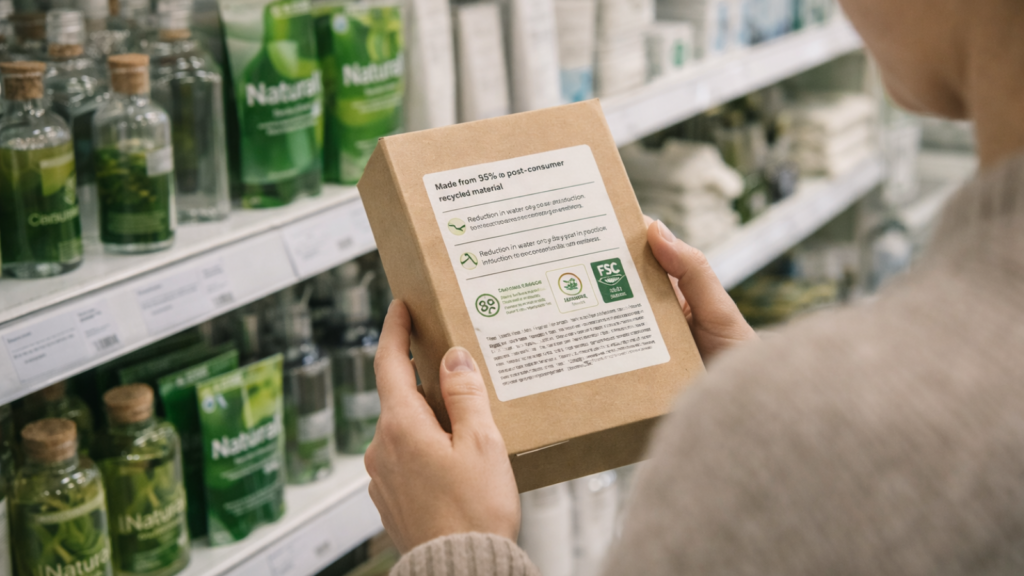
Vague environmental claims serve as red flags. Terms like “natural,” “green,” “eco-conscious,” or “earth-friendly” sound appealing yet mean virtually nothing without specific backing. Legitimate sustainable products feature precise, verifiable statements about environmental benefits rather than ambiguous buzzwords designed to evoke positive feelings without substance.
What to Look For
Examine product labels, packaging, and company websites for concrete information. Strong sustainability claims specify:
Measurable percentages: “Made from 75% post-consumer recycled plastic” rather than simply “contains recycled materials”
Specific certifications: References to third-party verified standards like Fair Trade, GOTS (Global Organic Textile Standard), or FSC (Forest Stewardship Council)
Quantifiable environmental benefits: “Reduces water consumption by 40% compared to conventional production” instead of “water-friendly”
Transparent sourcing details: Exact origins of materials, such as “organic cotton from certified farms in India”
Red Flags to Avoid
Beware of products making extraordinary environmental claims without supporting evidence. Phrases like “100% eco-friendly” raise suspicions no product achieves zero environmental impact. Similarly, nature imagery (leaves, trees, earth tones) on packaging doesn’t guarantee sustainability credentials. Companies frequently employ green aesthetics whilst maintaining conventional, harmful practices.
When claims seem too good to be true or lack specificity, investigate further. Contact manufacturers directly requesting documentation supporting environmental assertions. Reputable companies welcome such enquiries; evasive responses signal potential greenwashing.
2. Recognised Certifications: Third-Party Verification You Can Trust
Importance of Independent Verification
Certifications from respected third-party organisations provide credible validation of sustainability claims. Unlike self-proclaimed labels created by brands themselves, legitimate certifications require rigorous audits, regular inspections, and compliance with established environmental standards. Organisations issuing certifications stake their reputations on accuracy, making verified seals significantly more trustworthy than company-generated badges.
Key Certifications by Product Category
Food and Beverages
- Organic certifications (USDA Organic, EU Organic, Soil Association)
- Rainforest Alliance Certified
- Fair Trade Certified
- Marine Stewardship Council (MSC) for seafood
- B Corporation status
Textiles and Clothing
- GOTS (Global Organic Textile Standard)
- OEKO-TEX Standard 100
- Bluesign certification
- Fair Wear Foundation
- Cradle to Cradle Certified
Personal Care Products
- COSMOS Organic/Natural
- Leaping Bunny (cruelty-free)
- EWG Verified
- USDA BioPreferred
- NSF/ANSI certifications
Household Products
- EPA Safer Choice
- Green Seal
- EU Ecolabel
- Nordic Swan Ecolabel
- Cradle to Cradle Certified
Wood and Paper Products
- FSC (Forest Stewardship Council)
- PEFC (Programme for Endorsement of Forest Certification)
- Rainforest Alliance Certified
How to Verify Certification Authenticity
Counterfeit certification logos occasionally appear on products. Verify authenticity by:
- Checking official certification databases online most organisations maintain searchable registries of certified products and companies
- Examining certification numbers or codes accompanying logos legitimate certifications include traceable identification
- Looking for current dates certifications require renewal; expired dates suggest lapsed standards
- Visiting certifier websites to understand requirements knowing what standards entail helps assess whether products genuinely meet criteria
Remember that whilst certifications indicate compliance with specific standards, no single certification covers all environmental aspects. Products might hold certifications for organic ingredients yet arrive in excessive plastic packaging. Evaluate multiple factors comprehensively rather than relying solely on one seal of approval.
3. Material Source: Understanding Where Resources Originate

Why Origin Matters
Raw materials represent sustainability’s foundation. Products crafted from responsibly sourced, renewable, recycled, or reclaimed materials inherently carry lighter environmental burdens than those relying on virgin, non-renewable resources. Extraction methods, transportation distances, and supply chain ethics all factor into overall environmental impact.
Evaluating Material Sustainability
Renewable vs Non-Renewable Resources
Renewable materials regenerate within reasonable timeframes bamboo, cork, organic cotton, hemp, and responsibly harvested wood. Non-renewable materials like petroleum-based plastics, metals, and certain minerals exist in finite quantities, often requiring destructive extraction processes.
Prioritise products made from rapidly renewable resources that can be harvested without depleting ecosystems. Bamboo, for instance, grows extraordinarily quickly without requiring replanting, pesticides, or significant water. Cork harvesting doesn’t harm trees, allowing continued growth and carbon sequestration.
Recycled and Reclaimed Content
Products incorporating recycled materials reduce demand for virgin resources whilst diverting waste from landfills. Distinguish between post-consumer recycled content (materials previously used by consumers) and pre-consumer recycled content (manufacturing scraps). Post-consumer recycled materials demonstrate stronger environmental commitment by closing waste loops.
Reclaimed materials salvaged wood, reclaimed metal, upcycled textiles offer excellent sustainability profiles. Such materials repurpose existing resources without additional extraction or processing energy.
Organic and Regenerative Agriculture
For food, textiles, and plant-based products, organic certification indicates farming without synthetic pesticides, herbicides, or genetically modified organisms. Organic practices protect soil health, water quality, biodiversity, and farmworker safety.
Increasingly, regenerative agriculture goes beyond organic principles, actively restoring ecosystems through practices like cover cropping, rotational grazing, and composting. Products from regenerative systems help reverse environmental damage whilst producing goods.
Transparency in Supply Chains
Companies committed to responsible sourcing openly share supplier information, traceability systems, and material origins. Look for detailed supply chain documentation on websites or request information directly. Brands concealing sourcing details likely have something to hide perhaps exploitative labour practices, destructive harvesting methods, or questionable material origins.
Questions to Ask About Materials
- Where do raw materials come from geographically?
- How are materials harvested or extracted?
- What percentage consists of recycled, organic, or renewable content?
- Does sourcing support local economies or exploit vulnerable communities?
- Can material origins be traced and verified?
4. Production Process: Manufacturing Methods That Minimise Harm
Environmental Impact of Manufacturing
How products are made matters as much as what goes into making them. Manufacturing processes consume energy, water, and resources whilst generating waste, emissions, and pollution. Production facilities operating with renewable energy, closed-loop water systems, minimal waste generation, and safe working conditions demonstrate genuine environmental commitment beyond greenwashed marketing.
Energy Sources and Efficiency
Manufacturing powered by renewable energy (solar, wind, hydroelectric) dramatically reduces carbon footprints compared to fossil fuel-dependent production. Progressive companies invest in on-site renewable energy generation or purchase renewable energy credits.
Energy efficiency during manufacturing also matters significantly. Factories employing energy-saving technologies, LED lighting, heat recovery systems, and optimised equipment consume less power overall, regardless of energy sources.
Water Usage and Treatment
Water-intensive industries textiles, paper production, food processing, must implement conservation strategies and wastewater treatment. Responsible manufacturers:
- Recycle and reuse water throughout production processes
- Treat wastewater to remove pollutants before discharge
- Measure and publicly report water consumption metrics
- Invest in water-saving technologies and techniques
Chemical Management
Many conventional manufacturing processes rely on toxic chemicals posing risks to workers, surrounding communities, and ecosystems. Sustainable production minimises or eliminates hazardous substances, instead utilising:
- Plant-based dyes and finishes
- Non-toxic adhesives and sealants
- Water-based paints and coatings
- Biodegradable processing agents
Certifications like OEKO-TEX, bluesign, and Cradle to Cradle assess chemical safety throughout production, ensuring harmful substances don’t contaminate products or environments.
Waste Reduction and Circular Systems
Zero-waste or near-zero-waste manufacturing represents gold standards. Such facilities:
- Design production processes to minimise scrap and waste
- Repurpose manufacturing byproducts into new materials or products
- Compost organic waste
- Recycle all possible materials
- Send minimal waste to landfills
Circular manufacturing models keep materials in use indefinitely, designing products for disassembly, repair, and eventual recycling rather than disposal.
Labour Practices and Social Responsibility
Environmental sustainability intertwines with social responsibility. Exploitative labour conditions unsafe workplaces, unfair wages, child labour often accompany environmentally destructive practices. Truly sustainable production ensures:
- Safe, healthy working environments
- Fair wages meeting or exceeding living wage standards
- Reasonable working hours
- Freedom of association and collective bargaining rights
- No forced or child labour
Certifications like Fair Trade, SA8000, and B Corporation status verify ethical labour practices alongside environmental standards.
Investigating Production Transparency
Research brands thoroughly before purchasing. Companies genuinely committed to sustainable production typically:
- Publish detailed sustainability reports with production metrics
- Share factory locations and working conditions information
- Provide facility tour opportunities or documentation
- Respond transparently to consumer enquiries about manufacturing
- Participate in industry initiatives promoting cleaner production
Brands refusing to disclose production details warrant scepticism. Transparency signals nothing to hide; secrecy often conceals problematic practices.
5. Packaging Impact: Beyond What’s Inside

Packaging’s Environmental Burden
Packaging frequently comprises significant portions of products’ environmental footprints, yet receives insufficient consumer attention. Excessive, non-recyclable, or single-use packaging undermines sustainability claims about contents. Conversely, thoughtfully designed packaging protects products whilst minimising waste, using recycled materials, and facilitating proper disposal or reuse.
Minimal and Necessary Packaging
Evaluate whether packaging quantity seems appropriate for product protection. Excessive layers, oversized boxes, unnecessary plastic windows, and decorative but non-functional elements waste resources. Sustainable packaging uses minimal materials necessary to safely deliver products to consumers.
Some companies eliminate packaging entirely for certain products. Shampoo bars, solid deodorants, package-free produce, and bulk goods avoid packaging waste altogether, representing ultimate sustainability.
Material Choices
Plastic Considerations
Plastic packaging dominates modern commerce but poses severe environmental problems. When unavoidable, prioritise:
- Recycled plastic content (ideally post-consumer)
- Readily recyclable types (PET #1, HDPE #2)
- Recyclable film and flexible packaging (where recycling facilities exist)
Avoid products in multilayer or mixed-material plastic packaging rarely accepted by recycling programmes. Black plastic, polystyrene, and PVC represent particularly problematic choices.
Paper and Cardboard
Paper-based packaging generally offers better sustainability profiles than plastic, especially when made from recycled content or FSC-certified sources. Cardboard boxes can be recycled multiple times and biodegrade if composted.
However, paper production still consumes resources and energy. Bleached white paper requires more processing than natural brown alternatives. Minimal paper packaging beats excessive amounts, regardless of recyclability.
Glass and Metal
Glass and metal containers boast excellent recyclability both materials can be recycled indefinitely without quality degradation. Glass jars and aluminium tins enable reuse after products finish, extending useful lives beyond initial purposes.
Drawbacks include weight (increasing transportation emissions) and manufacturing energy requirements. Balance recyclability benefits against transportation impacts when assessing overall sustainability.
Biodegradable and Compostable Options
Truly compostable packaging made from plant materials like cornstarch, mushroom mycelium, or seaweed offers promising alternatives but only where commercial composting facilities exist. “Biodegradable” plastics often require specific industrial composting conditions unavailable in most communities, misleading consumers about disposal options.
Verify that compostable packaging will actually break down in available disposal systems. Compostable materials sent to landfills produce methane, a potent greenhouse gas, negating environmental benefits.
Reusable Packaging Systems
Forward-thinking companies implement reusable packaging programmes. Customers return empty containers for refilling or receive deposits back upon return. Such systems eliminate single-use packaging waste entirely, though requiring initial infrastructure investments and consumer participation.
Loop, a circular shopping platform, partners with major brands to deliver products in reusable containers. Milk delivery services using glass bottles represent traditional reusable packaging models experiencing modern revivals.
Packaging Labels and Disposal Instructions
Clear disposal instructions help consumers properly handle packaging. Look for labels indicating:
- Recycling symbols with resin identification codes
- “Widely Recycled,” “Check Locally,” or “Not Yet Recycled” guidance
- Composting certifications (BPI, TÜV Austria OK compost)
- Reuse suggestions
Companies committed to sustainability provide detailed disposal information, recognising that packaging only achieves environmental benefits when properly managed post-consumer.
6. Product Durability: Built to Last vs Designed for Disposal
Longevity as Sustainability Foundation
Durable products lasting years or decades far outweigh disposable alternatives, regardless of other sustainability features. Manufacturing any product consumes resources and energy; extending useful life amortises environmental impacts across longer periods. Conversely, cheaply made items requiring frequent replacement perpetuate cycles of consumption and waste, contradicting sustainability principles.
Assessing Build Quality
Physical inspection reveals quality indicators:
Material Robustness
Solid wood furniture, heavy-gauge metals, quality fabrics, and reinforced construction suggest longevity. Flimsy plastics, thin materials, weak joints, and fragile components signal short lifespans.
Timeless Design
Products with classic, functional designs remain relevant longer than trendy items quickly appearing dated. Neutral colours, simple lines, and versatile functionality ensure continued use as styles evolve.
Repairability
Repairable products extend useful lives through maintenance and part replacement. Examine whether:
- Replacement parts are available and affordable
- Repair instructions or services exist
- Design allows disassembly for repairs
- Company supports long-term maintenance
Brands actively supporting repairs through tutorials, spare parts availability, or repair services demonstrate commitment to longevity.
Warranties and Guarantees
Manufacturers confident in product durability offer substantial warranties. Lifetime guarantees, multi-year warranties, and satisfaction guarantees signal quality construction and company willingness to stand behind products.
Conversely, minimal or absent warranties suggest expected short lifespans. Companies producing disposable goods avoid warranty commitments requiring expensive replacements or repairs.
Cost Per Use Analysis
Higher upfront costs for durable products often prove more economical and sustainable long-term. Calculate cost per use rather than purchase price alone:
£100 quality boots lasting 10 years = £10 per year £30 cheap boots requiring annual replacement = £30 per year
Durable options save money whilst reducing environmental impacts associated with repeated manufacturing, packaging, and disposal.
Avoiding Planned Obsolescence
Some products are deliberately designed with limited lifespans, encouraging repurchase. Warning signs include:
- Non-replaceable batteries in electronic devices
- Sealed construction preventing repairs
- Software updates rendering older products unusable
- Fashion-driven design changes making previous versions seem outdated
Choose products from companies committed to longevity rather than artificial obsolescence. Modular designs, upgradeable components, and backward-compatible systems support extended use.
7. End-of-Life Disposal: Planning for Products’ Final Chapter
Lifecycle Thinking
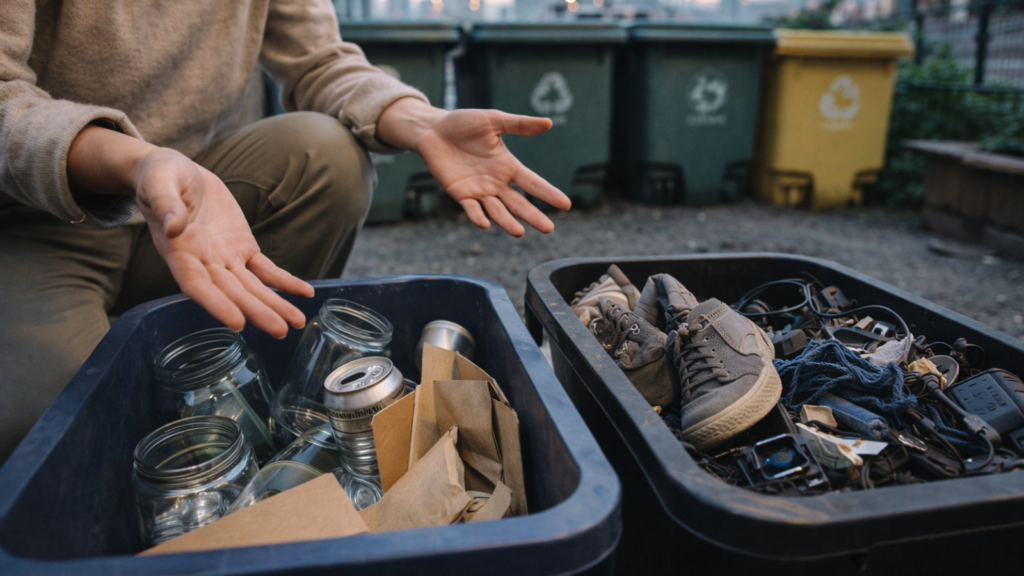
Sustainable products consider entire lifecycles, including eventual disposal. Items ending up in landfills, leaching toxins, or persisting indefinitely in environments contradict eco-friendly claims. Responsible products either biodegrade safely, become recyclable inputs for new products, or facilitate composting.
Recyclability Reality Check
Many products bear recycling symbols yet face recycling barriers:
Material Complexity
Products combining multiple materials fabric with plastic components, electronics with various metals and plastics pose recycling challenges. Separation becomes time-consuming or impossible, leading to landfill disposal despite theoretical recyclability.
Prioritise monomaterial products or those with easily separable components. Single-material items integrate smoothly into recycling streams.
Local Infrastructure Limitations
Recycling capabilities vary dramatically by location. Materials recyclable in urban centres with advanced facilities may be unacceptable elsewhere. Verify local recycling acceptance before assuming recyclability.
Check municipal recycling guidelines or websites like Recycle Now (UK) to understand local capabilities. Products requiring specialised recycling unavailable locally offer no disposal advantages over non-recyclable alternatives.
Contamination Issues
Food residue, adhesives, or mixed materials often contaminate recycling streams. Products difficult to clean before recycling like greasy pizza boxes or sticky labels cause problems at processing facilities.
Choose products designed for clean recycling. Glass jars with minimal adhesive, cardboard without plastic windows, and plastic containers rinsing easily facilitate proper recycling.
Compostability Criteria
Compostable products must actually break down in available composting systems. Industrial composting differs vastly from home composting; items requiring commercial facilities provide no benefits where such facilities don’t exist.
Certifications like BPI (Biodegradable Products Institute) in North America or TÜV Austria OK compost verify compostability under specific conditions. Read certifications carefully “industrially compostable” differs from “home compostable.”
True compostability means complete biodegradation into nutrient-rich soil without toxic residues. Some “biodegradable” products leave microplastic fragments despite breaking down visibly.
Takeback Programmes
Progressive companies implement takeback programmes accepting used products for responsible recycling, refurbishment, or disposal. Such programmes:
- Ensure proper end-of-life handling
- Recover valuable materials for new products
- Prevent improper disposal
- Close circular economy loops
Electronics manufacturers, outdoor apparel brands, and mattress companies increasingly offer takeback options. Participating supports circular systems whilst ensuring responsible disposal.
Biodegradability Standards
Biodegradable products should decompose relatively quickly under appropriate conditions without harming ecosystems. Verify biodegradability claims through:
- Third-party certifications
- Specific timeframe statements (e.g., “fully biodegrades within 180 days in industrial composting”)
- Testing standards compliance (ASTM D6400, EN 13432)
Avoid vague “biodegradable” claims lacking supporting details or certifications. Such claims often prove meaningless without specific decomposition conditions.
Upcycling and Creative Reuse
Before disposal, consider creative reuse possibilities. Glass jars become storage containers, clothing becomes cleaning rags, cardboard becomes craft supplies. Products designed with second-life uses inherently reduce waste.
Some brands explicitly encourage creative reuse, providing ideas and instructions for repurposing packaging or products after primary functions end.
8. Brand Transparency: Openness as Sustainability Indicator
Why Transparency Matters
Companies genuinely committed to sustainability welcome scrutiny, openly sharing environmental performance data, supply chain details, and improvement efforts. Transparency builds trust whilst holding brands accountable. Conversely, secrecy often conceals problematic practices environmental damage, exploitative labour, misleading claims.
Evaluating Company Communications
Sustainability Reports
Comprehensive annual sustainability reports detail environmental performance across operations. Quality reports include:
- Quantifiable metrics (carbon emissions, water usage, waste generation)
- Year-over-year comparisons showing progress or challenges
- Third-party verification or auditing
- Honest acknowledgement of shortcomings alongside achievements
- Specific future goals with timelines
Reports featuring vague generalities, cherry-picked data, or omitting key metrics raise concerns.
Supply Chain Disclosure
Transparent brands reveal supplier locations, manufacturing partners, and material sources. Some publish complete supplier lists or interactive maps showing production locations.
Supply chain transparency enables verification of ethical labour practices, environmental standards, and responsible sourcing claims. Companies refusing disclosure likely conceal problematic aspects.
Carbon Footprint and Climate Commitments
Climate-conscious brands measure, report, and commit to reducing carbon footprints. Look for:
- Scope 1, 2, and 3 emissions reporting (comprehensive lifecycle emissions)
- Science-based targets aligned with climate goals
- Carbon neutrality or net-zero commitments with specific timelines
- Credible carbon offset programmes (if used)
Beware of “carbon neutral” claims relying heavily on offsets without meaningful emissions reductions. Genuine climate action prioritises reduction before offsetting residual emissions.
B Corporation Certification
B Corporation status represents comprehensive third-party verification of social and environmental performance, transparency, and accountability. Certified B Corps meet rigorous standards across:
- Environmental practices
- Worker treatment
- Community engagement
- Governance structures
- Transparency requirements
B Corp certification provides credible validation of overall sustainability commitments beyond single-issue certifications.
Consumer Engagement and Responsiveness
Sustainable brands actively engage consumers through:
- Detailed product information on websites
- Responsive customer service addressing sustainability questions
- Educational content about environmental issues
- Opportunities for feedback and dialogue
Test brand responsiveness by submitting questions about sourcing, production, or environmental practices. Quality of responses reveals commitment levels detailed, honest answers indicate genuine engagement; evasive or generic responses suggest superficial sustainability.
Third-Party Ratings and Rankings
Independent organisations assess corporate environmental performance. Resources include:
- Good On You (fashion sustainability ratings)
- EWG’s Skin Deep (cosmetics safety database)
- Climate Counts (corporate climate responsibility)
- Ethical Consumer (comprehensive product and company ratings)
Whilst no rating system proves perfect, consistent positive assessments across multiple platforms indicate genuine sustainability commitments.
Greenwashing Red Flags
Watch for transparency warning signs:
- Vague environmental claims without supporting data
- Hidden or hard-to-find sustainability information
- Highlighting minor eco-friendly aspects whilst ignoring major impacts
- Changing subjects when pressed for details
- No published sustainability reports or goals
- Defensive responses to legitimate questions
- Focus on imagery and feelings rather than facts
Companies prioritising marketing over substance fail transparency tests. Genuine sustainability withstands scrutiny; greenwashing crumbles under examination.
9. Overall Environmental Footprint: Holistic Impact Assessment
Beyond Single Issues
Products may excel in one sustainability aspect whilst failing others. Organic cotton clothing manufactured overseas and transported long distances carries significant carbon footprints despite pesticide-free cultivation. Locally produced items might use harmful chemicals or wasteful processes. Comprehensive sustainability assessment evaluates entire environmental footprints rather than isolated factors.
Carbon Footprint Considerations
Carbon emissions occur throughout product lifecycles:
Material Extraction and Processing
Raw material production varies dramatically in emissions intensity. Virgin aluminium production emits vastly more carbon than recycled aluminium. Conventional cotton cultivation requires significant fossil fuel inputs for synthetic fertilizers and pesticides.
Manufacturing Emissions
Production processes powered by fossil fuels generate substantial carbon emissions. Factories using renewable energy or implementing energy efficiency measures reduce manufacturing carbon footprints.
Transportation and Distribution
Shipping products globally creates significant emissions, especially via air freight. Locally produced alternatives often carry lower transportation footprints, though production methods matter equally.
Products manufactured nearby using fossil fuel-intensive processes might generate higher total emissions than efficiently produced items shipped longer distances. Comprehensive carbon accounting considers all factors.
Product Use Phase
Some products consume significant energy during use appliances, vehicles, electronics. Energy-efficient designs dramatically reduce lifecycle emissions despite potentially higher manufacturing impacts.
End-of-Life Processing
Disposal methods affect carbon footprints. Recycling generally produces fewer emissions than landfilling or incineration. Composting organic materials prevents methane generation occurring in landfills.
Water Footprint Assessment
Water scarcity affects many global regions. Products requiring excessive water during cultivation, manufacturing, or use contribute to depletion of precious freshwater resources.
High water footprint products include:
- Conventional cotton textiles
- Livestock products (beef, leather)
- Certain crops (almonds, rice)
- Thirsty manufacturing processes (textiles dyeing, paper production)
Consider virtual water content total water required across production chains when assessing sustainability. Products from water-stressed regions warrant particular scrutiny regarding water usage.
Biodiversity and Ecosystem Impact
Production affecting sensitive ecosystems, destroying habitats, or threatening species contradicts sustainability principles. Concerning practices include:
- Deforestation for agriculture or resource extraction
- Palm oil cultivation driving rainforest destruction
- Overfishing depleting marine populations
- Mining damaging natural landscapes
- Pesticide use harming pollinators and beneficial insects
Products certified by organisations like Rainforest Alliance, FSC, or MSC demonstrate commitment to protecting biodiversity and ecosystems.
Conclusion: Empowered Eco-Friendly Shopping
Navigating eco-friendly product markets requires vigilance, critical thinking, and willingness to investigate beyond surface-level claims. Applying these 9 essential checkpoints clear sustainability claims, recognised certifications, material sources, production processes, packaging impact, product durability, end-of-life disposal, brand transparency, and overall environmental footprint empowers consumers to distinguish genuine sustainability from greenwashing.
Every purchase represents an opportunity to support environmentally responsible businesses whilst rejecting harmful practices. Armed with knowledge and analytical tools, consumers drive market transformation toward authentic sustainability. Demand transparency, question vague claims, prioritise quality over quantity, and choose products aligning with values and environmental priorities.
Sustainable consumption extends beyond individual products to encompass entire lifestyle approaches reducing overall consumption, repairing rather than replacing, choosing experiences over possessions, and embracing sufficiency over excess. True environmental responsibility balances meeting genuine needs with minimising ecological footprints.
Your purchasing power holds remarkable potential for positive change. Use wisdom gained through these guidelines to make informed decisions supporting planetary health, social equity, and sustainable futures for all.
Frequently Asked Questions
Q: How can I quickly identify greenwashing when shopping?
Look for vague environmental claims without specific supporting evidence or certifications. Excessive green imagery, nature-themed packaging, and buzzwords like “eco-friendly” or “natural” without substantiation signal potential greenwashing. Legitimate sustainable products feature precise claims, third-party certifications, and transparent information about environmental benefits.
Q: Are all certifications equally trustworthy?
No. Third-party certifications from established organisations with rigorous standards and independent auditing prove most reliable. Self-created brand labels lack credibility. Research certifying organisations to understand their standards, verification processes, and independence from companies they certify.
Q: Does buying local always mean more sustainable?
Not necessarily. Locally produced items often have lower transportation footprints, but production methods matter significantly. Efficiently manufactured products shipped longer distances may generate fewer total emissions than locally made items using wasteful processes. Evaluate both production practices and transportation when assessing overall sustainability.
Q: Can packaging ever be more important than product contents?
Yes, particularly for products with minimal inherent environmental impacts. Excessive plastic packaging surrounding simple items negates any sustainability benefits. For certain products, packaging waste comprises larger portions of environmental footprints than contents themselves. Both elements require evaluation.
Q: How do I balance affordability with sustainability?
Prioritise durable, quality products that cost less over time through extended lifespans. Consider cost per use rather than purchase price alone. Start with high-impact items used frequently. Buy secondhand when possible. Remember that not every purchase requires premium eco-friendly versions focus resources where environmental impacts prove greatest.
Q: What if no perfect sustainable option exists for products I need?
Choose best available alternatives whilst accepting imperfection. Perfection rarely exists; progress matters more. Prioritise critical sustainability factors for specific products. Consider whether you truly need new items or whether alternatives like borrowing, renting, or buying secondhand serve purposes adequately.
Q: How often should I replace sustainable products?
Only when necessary due to wear, damage, or fundamentally better alternatives emerging. Sustainable products should last significantly longer than conventional equivalents. Premature replacement wastes resources regardless of sustainability credentials. Maintain, repair, and use products fully before considering replacements.
Q: Do carbon offset programmes make products truly carbon neutral?
Offsetting alone doesn’t equal sustainability. Genuine climate action prioritises emissions reduction before offsetting residual emissions. Quality offset programmes support verified projects creating real environmental benefits. Sceptically evaluate “carbon neutral” claims relying primarily on offsets without substantial emissions reductions.
Q: Should I immediately replace all existing products with eco-friendly versions?
No. Using existing items until replacement becomes necessary often proves more sustainable than prematurely discarding functional products. Manufacturing new items even eco-friendly ones consumes resources. Replace items as they wear out, prioritising highest-impact products first.
Q: Where can I learn more about specific product categories’ sustainability?
Consult specialised resources for different categories: Ethical Consumer for general products, Good On You for fashion, EWG for personal care, Marine Stewardship Council for seafood, and Forest Stewardship Council for wood products. Industry-specific certifications and advocacy groups provide detailed category-specific guidance.