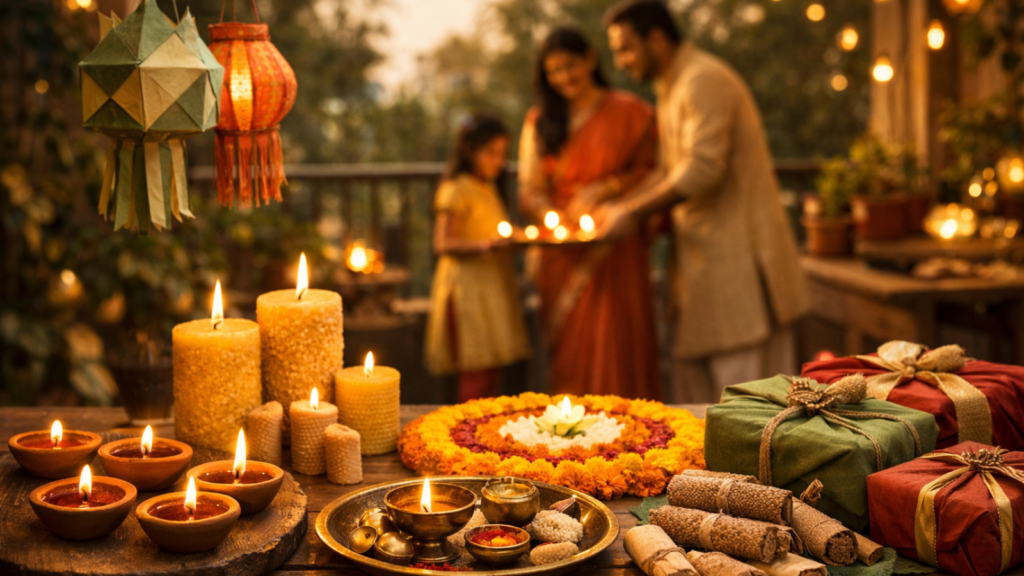
Diwali, one of South Asia’s most beloved festivals, traditionally involves lighting lamps, bursting crackers, exchanging gifts, and decorating homes with vibrant ornaments. However, conventional celebrations often leave behind significant environmental footprints through air pollution, waste accumulation, and resource depletion. Modern eco-conscious consumers seek ways to honour traditions while protecting our planet for future generations.
This comprehensive guide explores 12 eco-friendly products for a safe and sustainable Diwali, offering practical alternatives that maintain festive spirit without compromising environmental values. Each product combines traditional aesthetics with modern sustainability principles, proving celebrations can be both joyous and responsible.
Why Choose Sustainable Diwali Products?
Before exploring specific products, understanding why sustainable choices matter helps reinforce commitment to greener celebrations. Traditional Diwali festivities generate substantial waste from plastic decorations to chemical-laden crackers releasing harmful particulates into the atmosphere. Cities across India report air quality indices soaring to hazardous levels during festival season, affecting millions of people, particularly children and elderly populations.
Sustainable products offer multiple advantages:
- Reduced carbon footprint: Natural materials require less energy-intensive manufacturing processes
- Healthier indoor environments: Chemical-free alternatives improve air quality within homes
- Supporting artisan communities: Many eco-friendly options directly benefit traditional craftspeople
- Teaching future generations: Children learn valuable lessons about environmental stewardship
- Cost-effectiveness: Reusable items provide long-term savings despite potentially higher initial investments
Now, let’s explore twelve exceptional eco-friendly products transforming how we celebrate this beautiful festival.
1. Plantable Seed Crackers
Description
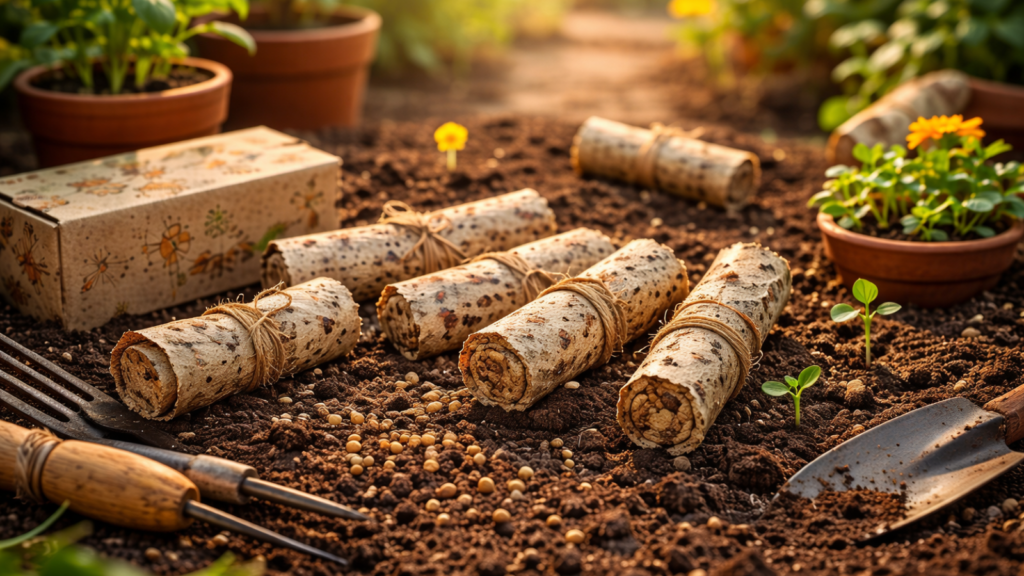
Plantable seed crackers represent revolutionary alternatives to traditional firecrackers, transforming celebratory moments into opportunities for environmental regeneration. Instead of explosive chemicals, these innovative products contain carefully selected seeds embedded within biodegradable casings. When placed in soil after celebrations conclude, crackers germinate into flowering plants, herbs, or vegetables.
Eco Features
Manufacturers craft plantable crackers using handmade paper, natural dyes, and organic seeds, completely eliminating toxic chemicals like sulphur, potassium nitrate, and heavy metals found in conventional fireworks. Seed varieties typically include marigold, basil, tomato, coriander, and wildflowers native to specific regions. Packaging utilises recycled materials, often featuring soy-based inks for printing festive designs.
Benefits
Beyond obvious environmental advantages, plantable crackers offer unique experiential benefits. Families participate in planting ceremonies together, creating lasting memories while contributing to urban greening initiatives. Children particularly enjoy watching their “crackers” transform into living plants over subsequent weeks. Unlike traditional fireworks producing momentary bursts followed by persistent pollution, plantable alternatives deliver extended satisfaction through nurturing growth.
Tips for Use
Purchase plantable crackers from certified vendors ensuring genuine seed viability and non-toxic materials. After celebrations, soak crackers overnight in water to soften outer layers, then plant in pots or garden beds approximately 2-3 centimetres deep. Maintain consistent moisture levels during germination periods, typically 7-14 days depending on seed varieties. Create family traditions around tending Diwali plants throughout coming months.
Recommended Products
Several Indian companies specialise in plantable crackers, including Seed Crackers by Wild Seeds Company, Phool’s Flower Firecrackers, and Green Crackers Collective. International options include EcoPartytime’s seed paper crackers and Bloomin’s plantable celebration sets. Verify certifications and read customer reviews before purchasing to ensure product quality.
2. Biodegradable Lanterns
Description
Sky lanterns, traditionally made from wire frames covered with tissue paper fuelled by small candles, create magical floating lights during evening celebrations. However, conventional versions pose fire hazards and generate non-biodegradable waste. Biodegradable lanterns maintain aesthetic appeal while addressing environmental concerns through innovative material choices and safer designs.
Eco Features
Modern biodegradable lanterns utilise rice paper, bamboo frames, and natural wax fuel sources that decompose within weeks when exposed to environmental elements. Some advanced designs incorporate seed-embedded paper that germinates upon landing, converting potential waste into plant life. Water-activated LED versions eliminate fire risks entirely while remaining completely biodegradable.
Benefits
Safety represents the primary advantage, biodegradable lanterns significantly reduce fire hazards threatening wildlife, property, and forests. Wildlife organisations report thousands of animals injured annually by conventional sky lantern debris; biodegradable alternatives dramatically minimise such incidents. Decomposition timelines measured in weeks rather than decades prevent long-term environmental accumulation.
Tips for Use
Launch biodegradable lanterns only in open areas away from power lines, buildings, and dry vegetation. Check local regulations, as some jurisdictions restrict sky lantern use regardless of materials. Consider grounded lantern alternatives for areas with launch restrictions, paper lanterns on bamboo poles create similar visual effects without flight-related risks. Always supervise children during lantern activities.
Recommended Products
Wish Lanterns’ biodegradable range offers rice paper constructions with water-activated LED alternatives. EcoSky produces fully compostable lanterns certified by environmental organisations. For grounded options, explore handcrafted paper lanterns from Indian artisan cooperatives through platforms like iTokri and Rangsutra.
3. Soy or Natural Wax Candles
Description
Candles create ambient lighting central to Diwali’s “festival of lights” symbolism. However, conventional paraffin wax candles, petroleum byproducts, release harmful chemicals when burning. Soy and natural wax candles provide clean-burning alternatives derived from renewable resources, maintaining traditional candlelight aesthetics with superior environmental profiles.
Eco Features
Soy wax originates from soybean oil, a completely renewable resource requiring minimal processing. Beeswax, another excellent natural option, comes from honeycomb cappings removed during honey harvesting. Both materials burn cleaner than paraffin, producing minimal soot and releasing no toxic chemicals. Natural cotton or wooden wicks eliminate heavy metals like lead found in some conventional candle wicks. Essential oil fragrances replace synthetic chemical scents.
Benefits
Health advantages prove substantial, natural wax candles don’t emit carcinogenic compounds like toluene and benzene associated with paraffin combustion. Longer burning times mean fewer candles needed throughout celebrations, reducing overall consumption. Soy wax cleans easily from surfaces using soap and water, unlike paraffin requiring harsh chemical solvents. Supporting soy candle producers often means supporting small businesses and local artisans.
Tips for Use
Trim wicks to 6 millimetres before each lighting to prevent smoking and ensure even burning. Place candles on heat-resistant surfaces away from drafts, curtains, and flammable materials. Burn candles long enough for wax pools to reach container edges, preventing tunnelling that wastes wax. Store in cool, dark locations to preserve fragrance integrity and prevent discolouration.
Recommended Products
Brands like Soy Wax Studio, Pure Earth, and Aromafume offer extensive Diwali-specific collections featuring traditional Indian fragrances like sandalwood, jasmine, and rose. International options include Mrs. Meyer’s Clean Day soy candles and Burt’s Bees beeswax candles. Seek products with cotton wicks and natural essential oils for maximum eco-friendliness.
4. Eco-Friendly Gobardiya Diyas
Description
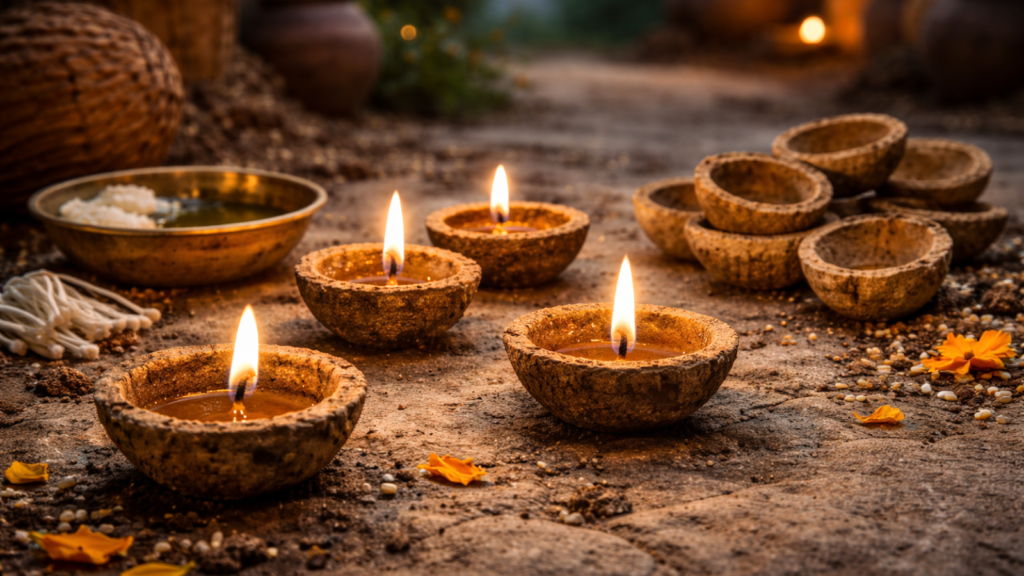
Diyas, small oil lamps represent Diwali’s most iconic symbols, signifying victory of light over darkness. Traditional clay diyas already offer environmental advantages over synthetic alternatives, but gobardiya diyas (made from cow dung) elevate sustainability further while serving religious and cultural purposes deeply rooted in Hindu traditions.
Eco Features
Gobardiya diyas utilise dried cow dung mixed with clay, creating completely natural, biodegradable lamps. Manufacturing processes support rural economies and sustainable agriculture, as material comes from bovine animals already maintained for dairy production. No chemical treatments, glazes, or synthetic additives compromise natural composition. After use, diyas decompose rapidly or can be crushed and added to compost as nutrient-rich organic matter.
Benefits
Cultural authenticity represents significant advantage, gobardiya diyas align with traditional Vedic practices honouring bovine animals as sacred. Economic benefits accrue to rural communities, particularly women’s self-help groups manufacturing these products. Environmental advantages extend beyond biodegradability; production requires no kiln firing, eliminating fossil fuel consumption and carbon emissions associated with ceramic manufacturing.
Tips for Use
Fill gobardiya diyas approximately two-thirds full with pure ghee or vegetable oil for optimal burning. Place cotton wicks slightly off-centre, allowing capillary action to draw fuel upward efficiently. Position diyas on flame-resistant surfaces like metal trays or earthenware plates for safety. After celebrations, crush used diyas and incorporate into garden soil as organic fertiliser rather than discarding as waste.
Recommended Products
Khadi India produces certified gobardiya diyas through rural cooperatives. Cowpathy offers cow dung products including decorative diyas in various sizes. Local markets across India stock authentic gobardiya diyas during festival seasons; supporting neighbourhood vendors ensures freshness and reduces transportation footprints.
5. Flameless LED Candles
Description
While traditional flame-based lighting holds symbolic significance, practical considerations particularly safety in households with children or pets make flameless alternatives increasingly attractive. LED candles replicate flickering candlelight through advanced technology, providing ambience without combustion-related risks or emissions.
Eco Features
Modern LED candles consume minimal electricity, often powered by rechargeable batteries or solar panels, eliminating disposable battery waste. Quality models last thousands of hours, replacing hundreds of conventional candles over time. No combustion means zero emissions,no soot, particulates, or volatile organic compounds affecting indoor air quality. Recycled plastic housings and packaging enhance environmental credentials.
Benefits
Safety advantages prove paramount, no fire risks, smoke inhalation concerns, or accidental burns. Waterproof models enable outdoor placement without wind-related extinguishing issues. Remote controls allow convenient operation for elderly individuals or those with mobility limitations. Long-term cost savings offset higher initial investments, as single LED candles replace numerous disposable alternatives.
Tips for Use
Choose solar-powered models for outdoor rangoli displays and pathway lighting, eliminating even minimal electrical consumption. Select warm colour temperatures (2700-3000K) mimicking natural candlelight rather than cooler, artificial-looking LEDs. Combine LED candles with traditional diyas, using flameless options in high-traffic areas while reserving authentic flames for ceremonial spaces. Clean regularly with soft cloths to maintain appearance and sensor functionality.
Recommended Products
Luminara produces remarkably realistic flameless candles with patented moving-flame technology. EcoGecko offers solar-powered LED lanterns perfect for outdoor Diwali decorations. Budget-conscious options include IKEA’s GODAFTON series and Homemory’s flickering tea lights with long battery life.
6. Jute or Cotton Sustainable Décor
Description
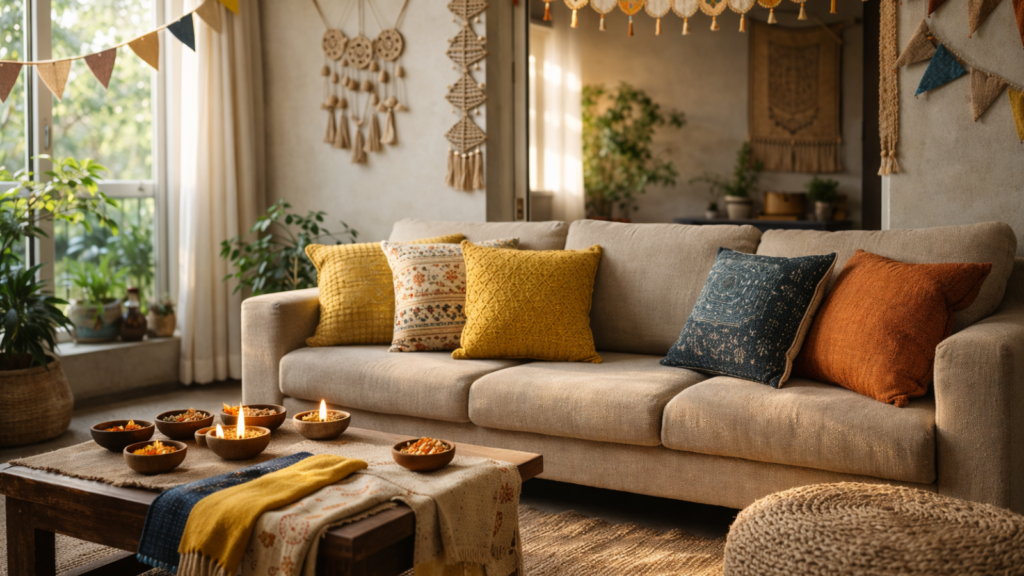
Decorative elements transform homes into festive spaces during Diwali. However, synthetic decorations, plastic banners, polyester torans, vinyl rangoli stickers, create substantial waste. Jute and cotton décor provides biodegradable alternatives featuring traditional motifs while supporting sustainable agriculture and textile craftsmanship.
Eco Features
Natural fibres like jute and cotton grow renewably, requiring significantly less water than cotton alone when organic cultivation practices are employed. Processing avoids harsh chemicals used in synthetic textile production. Natural dyes from turmeric, indigo, and madder root replace petroleum-based colourants. Handcrafted production supports artisan livelihoods while maintaining low carbon footprints compared to factory manufacturing.
Benefits
Durability enables multi-year use when properly stored, amortising environmental impacts across numerous celebrations. Natural fibres breathe, preventing moisture accumulation that damages synthetic decorations. Aesthetic qualities, texture variations, subtle colour shifts, handcrafted imperfections, create unique character impossible to replicate with mass-produced items. End-of-life disposal presents no environmental challenges, as natural fibres compost readily.
Tips for Use
Store jute and cotton decorations in breathable fabric bags rather than plastic containers, preventing mildew formation. Spot-clean with mild soap solutions rather than harsh detergents that fade natural dyes. Air-dry completely before storage to prevent moisture-related degradation. Rotate decorative items yearly, giving some rest periods that extend overall lifespans. Repair minor damage with simple stitching rather than replacing entire pieces.
Recommended Products
FabIndia offers extensive collections of handwoven cotton torans and wall hangings. Rangsutra specialises in natural fibre decorations supporting tribal artisan communities. International options include Ten Thousand Villages’ fair-trade textile decorations and West Elm’s organic cotton celebration banners.
7. Recycled Paper or Handmade Paper Lanterns
Description
Paper lanterns provide versatile decorative options suitable for indoor and outdoor spaces. Recycled and handmade paper versions maintain aesthetic appeal while addressing deforestation concerns and waste accumulation associated with virgin paper production. Artisan-crafted lanterns often feature intricate cutwork and traditional designs celebrating cultural heritage.
Eco Features
Recycled paper diverts waste from landfills while reducing demand for virgin pulp, preserving forests and reducing water consumption by approximately 60% compared to conventional paper manufacturing. Handmade paper production, often employing agricultural residues like cotton rags or banana fibres, supports zero-waste principles. Natural adhesives and dyes maintain biodegradability. Energy-intensive industrial processing gives way to human-powered artisan techniques with negligible carbon footprints.
Benefits
Supporting handmade paper industries directly benefits artisan communities, particularly in regions where traditional papermaking skills face extinction due to industrial competition. Design uniqueness ensures no two lanterns appear identical, creating distinctive decorative schemes. Lightweight construction simplifies hanging and repositioning throughout celebration periods. Post-festival recycling or composting closes material loops responsibly.
Tips for Use
Protect paper lanterns from moisture exposure by positioning away from water features and storing in dry locations between uses. Insert LED bulbs rather than incandescent options that generate excessive heat potentially igniting paper. Create stunning visual effects by clustering multiple sizes and colours at varying heights. Involve children in decorating plain lanterns with natural dyes and hand-cut designs, fostering creativity while teaching sustainable principles.
Recommended Products
Paper High produces stunning geometric lanterns from recycled materials. Talking Tables offers biodegradable paper lanterns in festive colour palettes. Indian artisan platforms like Artisans’ and Dastkar showcase handmade paper lanterns directly supporting craftspeople. Local paper-making cooperatives often sell seasonal collections at competitive prices.
8. Plantable Seed-Paper Greeting Cards
Description
Exchanging greeting cards remains integral to Diwali celebrations, expressing wishes for prosperity and happiness. Conventional cards, however, contribute to deforestation and generate waste destined for landfills. Plantable seed-paper cards offer innovative solutions after recipients enjoy messages, cards transform into flowers, herbs, or vegetables when planted, creating living reminders of thoughtful gestures.
Eco Features
Seed paper combines recycled paper pulp with seeds (typically basil, tomato, marigold, or wildflower varieties) distributed evenly throughout sheets. Manufacturing processes avoid chemicals that might inhibit germination, using natural dyes and vegetable-based inks. Packaging utilises minimal materials, often recyclable kraft paper or reusable fabric envelopes. Some producers incorporate flower petals or leaves into paper, creating beautiful textures and colours without synthetic additives.
Benefits
Environmental advantages extend beyond biodegradability, plantable cards actively contribute to greening initiatives. Recipients gain practical gardening opportunities regardless of experience levels, as seed paper proves remarkably forgiving. Emotional resonance deepens when card-givers and recipients share subsequent photos of blooming plants, maintaining connections beyond initial exchanges. Teaching opportunities abound for families with children curious about plant lifecycles.
Tips for Use
Personalise plantable cards with handwritten messages using water-based inks that won’t inhibit germination. Include planting instructions for recipients unfamiliar with seed paper, explaining to tear cards into pieces, plant in soil, water gently, and maintain moisture during germination. Consider including small biodegradable pots or seed-starting pellets with cards, providing everything recipients need for successful planting. Store unused cards in cool, dry locations preserving seed viability.
Recommended Products
Seed Paper India offers extensive Diwali collections with regional seed varieties. Bloomin specialises in customisable plantable cards for personal messages. EcoEnclosed produces premium seed paper cards with elegant designs. Local stationers increasingly stock seed paper options; supporting neighbourhood businesses reduces shipping-related emissions.
9. Reusable Natural Fibre Tote Bags
Description
Gift-giving traditions during Diwali often involve packaging items in single-use plastic or paper bags discarded immediately upon receipt. Reusable natural fibre tote bags, crafted from jute, cotton, hemp, or bamboo fabric, provide practical alternatives that recipients value beyond initial gift presentations, encouraging sustainable habits throughout the year.
Eco Features
Natural plant fibres regenerate annually, creating renewable material sources. Jute cultivation improves soil quality through nitrogen fixation, benefiting agricultural ecosystems. Production processes, particularly for organic cotton and hemp, avoid synthetic pesticides and fertilisers contaminating watersheds. Biodegradability ensures end-of-life environmental compatibility. Many producers employ fair-trade practices, guaranteeing ethical labour conditions and community development investments.
Benefits
Versatility makes tote bags perpetually useful, grocery shopping, beach outings, library visits, and daily errands all benefit from sturdy, reusable carryalls. Each bag potentially replaces thousands of single-use plastic bags over its lifetime, significantly reducing waste generation. Aesthetic customisation through block printing, embroidery, or natural dyes creates personal touches recipients appreciate. Gifting reusable bags subtly communicates values alignment, potentially influencing recipient behaviour positively.
Tips for Use
Choose appropriately sized bags matching intended contents, smaller totes for sweet boxes, larger versions for clothing or household items. Customise with Diwali-specific motifs through fabric paints or iron-on transfers recipients repurpose year-round. Include care instructions encouraging machine washing in cold water and air-drying to extend longevity. Fill bags with complementary sustainable gifts, organic products, handmade items, or experiences rather than material goods, creating cohesive eco-friendly gift presentations.
Recommended Products
Ecobags offers certified organic cotton totes in numerous sizes. Baggu produces durable ripstop nylon bags from recycled materials. Indian brands like Chumbak and FabIndia stock culturally designed jute and cotton bags supporting artisan communities. Consider sourcing from local craft fairs where artisans sell directly, ensuring maximum economic benefits reach producers.
10. Organic Sweet & Snack Boxes in Reusable Jars
Description
Sharing sweets and snacks forms essential Diwali traditions, symbolising joy and prosperity. Conventional presentations utilise disposable plastic containers or cardboard boxes lined with non-recyclable materials. Organic treats packaged in reusable glass or stainless-steel containers offer delicious, sustainable alternatives that recipients treasure long after consuming contents.
Eco Features
Organic ingredients eliminate synthetic pesticide and fertiliser residues, protecting ecosystems and supporting biodiversity. Sustainable farming practices employed by organic producers enhance soil health and sequester atmospheric carbon. Reusable containers, glass jars with bamboo lids, stainless-steel tiffin boxes, or ceramic vessels, eliminate packaging waste. Producers often source locally, reducing transportation emissions while supporting regional economies.
Benefits
Health advantages prove significant, organic sweets contain no artificial colours, flavours, or preservatives potentially triggering allergies or sensitivities. Taste quality often surpasses conventionally produced alternatives, as organic ingredients possess more pronounced flavours. Container reusability provides lasting utility for food storage, organisation, or craft supplies. Aesthetic presentations in beautiful jars or boxes convey thoughtfulness and care exceeding generic packaging.
Tips for Use
Select diverse sweet and snack assortments appealing to various taste preferences, including options for dietary restrictions (sugar-free, gluten-free, vegan). Layer different items attractively in clear glass jars, creating visually appealing presentations recipients appreciate before opening. Attach personalised tags with organic certifications and producer information, educating recipients about sustainable choices. Encourage jar returns during subsequent celebrations, establishing gift-giving traditions minimising resource consumption.
Recommended Products
Conscious Food offers organic Indian sweets in returnable jars. 24 Mantra Organic produces certified snacks in minimal packaging. Brown Tree specialises in artisanal organic treats supporting women entrepreneurs. Local organic sweet shops increasingly provide custom packaging in customer-supplied containers; supporting neighbourhood businesses ensures freshness while reducing packaging entirely.
11. Ceramic or Handcrafted Sustainable Tableware
Description
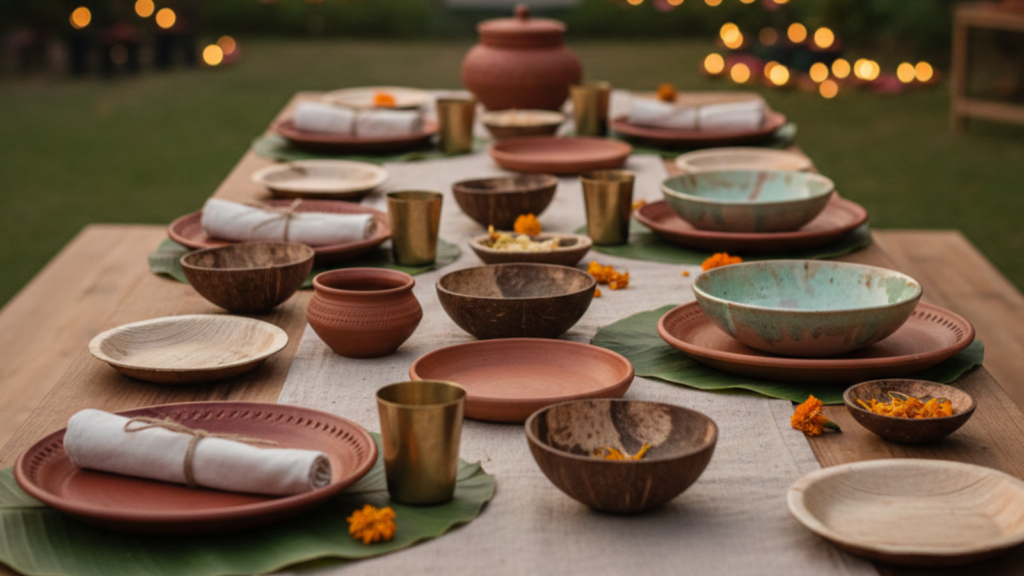
Festive meals shared with loved ones represent Diwali celebration cornerstones. Disposable plates, cups, and cutlery, while convenient, generate enormous waste. Ceramic and handcrafted sustainable tableware provides beautiful, durable alternatives enhancing dining experiences while eliminating single-use waste streams. Artisan-made pieces carry cultural significance, connecting modern celebrations with traditional craftsmanship.
Eco Features
Ceramic tableware, crafted from natural clay and minerals, proves completely non-toxic and long-lasting, often serving multiple generations with proper care. Natural glazes avoid heavy metals like lead or cadmium found in some cheap ceramics. Handcrafted production supports energy-efficient, small-scale manufacturing compared to industrial operations. Alternative sustainable materials, bamboo plates, coconut shell bowls, palm leaf dishes, offer biodegradable options for large gatherings where breakage risks concern hosts.
Benefits
Durability translates to cost-effectiveness despite higher initial investments. Ceramic vessels enhance food presentation, elevating ordinary meals into memorable dining experiences. Cultural preservation occurs through supporting traditional pottery techniques facing extinction due to plastic competition. Health safety surpasses disposable alternatives, as quality ceramics contain no chemicals leaching into foods. Aesthetic beauty allows tableware to double as decorative elements displayed year-round.
Tips for Use
Invest gradually in quality pieces rather than purchasing complete sets immediately, allowing budget spreading and careful selection. Mix traditional ceramics with modern designs, creating eclectic yet cohesive table settings. Hand-wash delicate artisan pieces while placing sturdier items in dishwashers. Store carefully with protective padding between stacked pieces preventing chips and cracks. Consider renting tableware for exceptionally large gatherings, accessing variety without storage burdens.
Recommended Products
Ellementry offers contemporary ceramic tableware celebrating Indian aesthetics. Good Earth provides luxury handcrafted dining pieces supporting artisan communities. International options include Heath Ceramics and East Fork Pottery. Explore local pottery studios and artisan markets for unique, locally-made pieces with minimal transportation footprints.
12. Aromatherapy or Herbal Incense Sticks
Description
Incense burning during Diwali creates sacred atmospheres for prayers and ceremonies. Conventional incense, however, often contains synthetic fragrances and chemical binders producing harmful smoke. Aromatherapy and herbal incense sticks crafted from pure essential oils and natural ingredients provide therapeutic benefits while maintaining spiritual practices safely.
Eco Features
Natural incense utilises sustainably harvested botanical ingredients, sandalwood, frankincense, myrrh, herbs, and resins, combined with organic binders like jaggery or natural gums. Essential oil fragrances replace synthetic compounds, eliminating volatile organic compound emissions harmful to respiratory health. Handrolling techniques support artisan livelihoods while avoiding industrial manufacturing’s environmental impacts. Packaging employs recycled paper or reusable tins rather than plastic.
Benefits
Therapeutic properties prove scientifically documented, certain essential oils reduce stress, enhance focus, or promote relaxation. Cleaner burning produces minimal ash and smoke compared to synthetic alternatives, improving indoor air quality during extended celebrations. Supporting natural incense producers often means supporting sustainable forestry and wildcrafting practices protecting botanical resources. Cultural authenticity increases as traditional formulations receive renewed appreciation and market viability.
Tips for Use
Burn incense in well-ventilated spaces, ensuring adequate air circulation without exposing flames to excessive drafts. Place incense holders on heat-resistant surfaces away from flammable materials. Select specific fragrances matching intended purposes, lavender for relaxation, citrus for energy, sandalwood for meditation. Limit burning duration to prevent overwhelming fragrances in enclosed spaces. Store incense in airtight containers preserving essential oil potency and preventing moisture absorption.
Recommended Products
Phool produces charcoal-free incense from temple flowers supporting waste reduction initiatives. Cycle Agarbatti creates handrolled incense employing specially-abled individuals. Nippon Kodo offers premium Japanese incense with natural ingredients. Forest Essentials provides Ayurvedic incense formulations based on traditional recipes. Local artisan incense-makers often sell at spiritual stores and farmers’ markets, ensuring freshness and minimal transportation impacts.
Additional Sustainable Diwali Tips
Beyond purchasing eco-friendly products, numerous practices enhance celebration sustainability:
Energy Conservation: Utilise LED lighting for decorative displays, consuming 75% less electricity than incandescent alternatives. Employ timers ensuring lights operate only during peak celebration hours rather than continuously.
Zero-Waste Rangoli: Create floor designs using natural, biodegradable materials, coloured rice, flower petals, crushed spices, or natural stone powders. Avoid synthetic colours containing harmful chemicals.
Mindful Gifting: Prioritise experiences over material goods, cooking classes, concert tickets, spa treatments, or charitable donations in recipients’ names. When purchasing physical gifts, choose quality over quantity, selecting durable items recipients genuinely need.
Local Shopping: Support neighbourhood businesses and artisan cooperatives, reducing transportation emissions while strengthening community economic resilience. Farmers’ markets and craft fairs offer excellent sustainable product sources.
Waste Segregation: Separate organic waste for composting, recyclables for proper processing, and minimise landfill-destined refuse through thoughtful consumption choices.
Community Celebrations: Organise neighbourhood gatherings rather than individual household events, pooling resources and reducing overall consumption while strengthening social bonds.
Making Sustainable Choices Accessible
Financial considerations sometimes prevent adopting eco-friendly alternatives perceived as expensive luxuries. However, long-term analysis reveals sustainable products often prove more economical:
Durability Factor: Reusable items purchased once replace numerous disposable equivalents over time. Single ceramic plate serving twenty years costs less than two decades of disposable alternatives.
Health Savings: Reducing exposure to toxic chemicals in conventional products potentially decreases healthcare expenditures related to respiratory issues, allergies, or chemical sensitivities.
Energy Efficiency: LED candles and lighting consume minimal electricity, reducing utility bills while providing superior illumination.
DIY Options: Handcrafting decorations from reclaimed materials costs virtually nothing while providing creative satisfaction and personalised aesthetics.
Conclusion
These eco-friendly products demonstrate that honouring traditions and protecting our planet need not conflict. From plantable seed crackers replacing polluting fireworks to reusable tote bags eliminating single-use packaging waste, sustainable alternatives exist for virtually every celebration aspect.
Festival of Lights carries profound metaphorical significance, illumination dispelling darkness, knowledge conquering ignorance, truth prevailing over falsehood. Extend this symbolism by allowing environmental consciousness to light paths forward, letting awareness overcome unconscious consumption, and choosing truth about our planetary interconnection over comfortable denial of ecological crises.
This Diwali, let our celebrations light not just our homes but also our commitment to protecting Earth for all beings and generations to come. May the choices we make during this beautiful festival shine as examples of possibility, demonstrating that joy, tradition, and sustainability can coexist beautifully. May our lights not only dispel darkness but also illuminate pathways toward more conscious, compassionate living throughout coming years.
Frequently Asked Questions
Are eco-friendly Diwali products more expensive than conventional alternatives?
Initial costs for sustainable products sometimes exceed conventional equivalents, but long-term economics favour eco-friendly choices. Reusable items like ceramic tableware or LED candles replace hundreds of disposable alternatives over their lifespans, providing significant savings. Additionally, many sustainable options, handmade paper lanterns, natural fibre decorations, remain competitively priced while offering superior quality and durability.
Where can I purchase authentic eco-friendly Diwali products?
Multiple sources offer genuine sustainable products: online platforms like Amazon, specialised eco-retailers, artisan marketplaces (iTokri, Dastkar, Rangsutra), local craft fairs, organic food stores, and increasingly, mainstream retailers responding to consumer demand. Verify certifications, read reviews, and research company practices ensuring authentic sustainability rather than greenwashing.
Do plantable crackers and seed paper actually grow successfully?
Quality plantable products boast high germination rates when planted correctly with adequate moisture, sunlight, and care. Success depends on seed freshness, proper planting technique, and ongoing maintenance during critical germination periods. Most manufacturers provide detailed instructions and customer support, with success rates typically exceeding 70% for properly cared-for plantings.
How do I convince family members resistant to changing traditional celebration methods?
Approach conversations with empathy rather than judgement, acknowledging emotional attachments to familiar practices. Start small by introducing one eco-friendly element annually rather than demanding complete transformations. Demonstrate products’ quality, share health benefits affecting grandchildren, and emphasise connecting with authentic traditional values predating modern commercialisation.
Can sustainable Diwali celebrations still feel festive and special?
Absolutely, sustainability enhances rather than diminishes celebration quality. Natural materials possess inherent beauty synthetic alternatives cannot replicate. Handcrafted items carry unique character and cultural significance. Cleaner air from avoiding chemical crackers improves comfort. Thoughtful, intentional choices create deeper meaning than mindless consumption, making celebrations more memorable and personally significant.
What single change creates the greatest environmental impact?
Replacing conventional firecrackers with plantable alternatives or eliminating them entirely creates the most dramatic positive impact. Firecrackers generate severe air pollution, noise disturbance, and waste while offering momentary entertainment. Plantable seed crackers provide lasting satisfaction without environmental harm, making this substitution the highest-impact change most families can implement.
Are LED candles appropriate for traditional Diwali prayers and ceremonies?
This depends on personal and family religious interpretations. Some practitioners prefer authentic flames for ceremonial purposes, reserving LED alternatives for purely decorative applications. Others embrace LED technology throughout celebrations, appreciating safety and environmental benefits. Consult spiritual advisors or follow personal conscience, no universal rule dictates either approach as exclusively correct.
How can I celebrate sustainably while hosting large gatherings?
Focus on high-impact strategies: rent tableware from party supply companies offering reusable options, serve organic foods in reusable containers, decorate with natural materials guests can take home, provide clearly marked recycling and composting bins, and encourage carpooling or public transportation. Perfect sustainability proves impossible for large events; aim for significant improvement over conventional approaches rather than perfection.
Do natural wax candles produce as much light as paraffin candles?
Natural wax candles produce equivalent illumination to paraffin alternatives while burning longer per unit weight. Brightness depends primarily on wick size and design rather than wax type. Quality soy and beeswax candles provide excellent lighting performance while offering superior health and environmental profiles, making them functionally equivalent or superior choices.
What should I do with eco-friendly products after Diwali celebrations end?
Store reusable items carefully for subsequent years, clean thoroughly, dry completely, and pack in breathable containers preventing mildew. Compost genuinely biodegradable items like gobardiya diyas or natural decorations. Plant seed papers and crackers according to instructions. Donate surplus candles, decorations, or tableware to charitable organisations. Repair damaged items rather than discarding them, extending usable lifespans.