Rising temperatures and soaring electricity costs have created a perfect storm for households worldwide. Eco-conscious consumers now seek ways to beat summer heat while maintaining sustainable living practices. This comprehensive guide explores 10 innovative, environmentally responsible products that deliver cooling comfort without inflating energy bills.
Why Choose Eco-Friendly Cooling Solutions?
Traditional air conditioning systems consume massive amounts of electricity. These systems contribute significantly to carbon emissions and household expenses. Sustainable alternatives reduce environmental impact while saving money. Each product featured here offers genuine cooling benefits backed by 3 key elements (energy efficiency, renewable materials, natural processes).
1. Energy-Efficient Ceiling or Pedestal Fan
Description
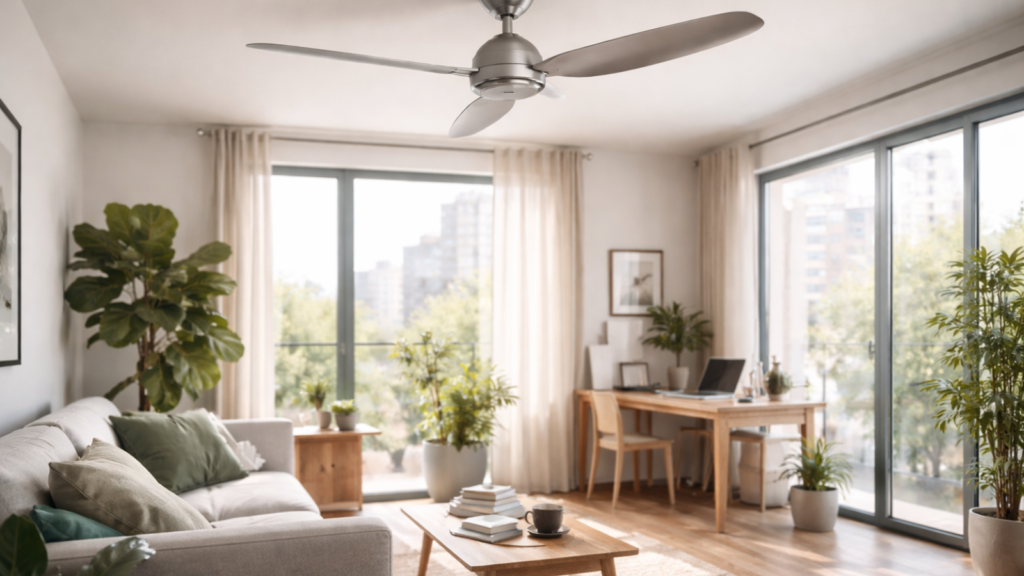
Modern energy-efficient fans represent significant technological advancement over conventional models. Contemporary fans circulate air effectively while consuming minimal power. Manufacturers equip these devices with brushless Direct Current (DC) motors and aerodynamic blade designs.
Eco Features
Brushless DC motors use 70% less electricity than traditional Alternating Current (AC) motors. Manufacturers construct fans using recyclable materials, which include aluminium and sustainable plastics. Long lifespan reduces replacement frequency and waste generation. Variable speed controls optimise power consumption based on cooling needs. Energy Star certification guarantees efficiency standards across all certified models.
Benefits
Installing energy-efficient fans reduces cooling costs by up to 40% compared to running air conditioners alone. Fans create wind-chill effects that make rooms feel 4 to 6 degrees cooler without lowering actual temperature. Thermostat settings rise by several degrees, dramatically cutting energy consumption when users employ fans strategically.
Tips for Use
Position ceiling fans to rotate anticlockwise during summer months, pushing cool air downward. Place pedestal fans near windows during evening hours to draw in cooler outdoor air. Combine fan usage with natural ventilation by opening windows on opposite sides of your home, creating cross-breezes. Run fans only in occupied rooms unlike air conditioning, fans cool people, not spaces.
Recommended Products
Look for brands offering DC motor technology such as Haiku Home, Big Ass Fans’ Haiku series, or budget-friendly options like Honeywell’s QuietSet models. Check for Energy Star labels and warranty coverage extending beyond 5 years (60 months).
2. Bamboo or Organic Cotton Bedding
Description
Natural fibre bedding made from bamboo or certified organic cotton provides superior breathability compared to synthetic materials. Bamboo fabric possesses unique moisture-wicking properties. Organic cotton offers softness without chemical treatments.
Eco Features
Bamboo grows rapidly without pesticides or excessive water requirements. Biodegradable materials break down naturally at end of life. Global Organic Textile Standard (GOTS)-certified organic cotton ensures chemical-free processing throughout manufacturing. Sustainable farming practices protect soil health and ecosystems for future generations. Reduced carbon footprint emerges through renewable resource cultivation methods.
Benefits
Bamboo fabric wicks moisture 40% more effectively than cotton, keeping sleepers dry throughout warm nights. Both materials allow superior airflow, preventing heat retention that synthetic fibres trap. Quality natural bedding regulates body temperature naturally, eliminating night sweats and improving sleep quality without requiring bedroom cooling systems.
Tips for Use
Choose lighter weaves (200 to 300 thread count) for maximum breathability during summer. Wash bedding in cold water with eco-friendly detergents to maintain fabric integrity. Rotate between 2 sets to extend lifespan of each set. Consider bamboo lyocell (Tencel) for silkiest texture and excellent temperature regulation properties.
Recommended Products
Ettitude’s CleanBamboo collection offers OEKO-TEX certified sheets for sensitive skin. Coyuchi provides GOTS-certified organic cotton bedding with exceptional durability. Boll & Branch’s organic long-staple cotton delivers luxury at reasonable prices for budget-conscious consumers.
3. Natural Fibre Window Curtains (Thermal/Heavy Linen)
Description
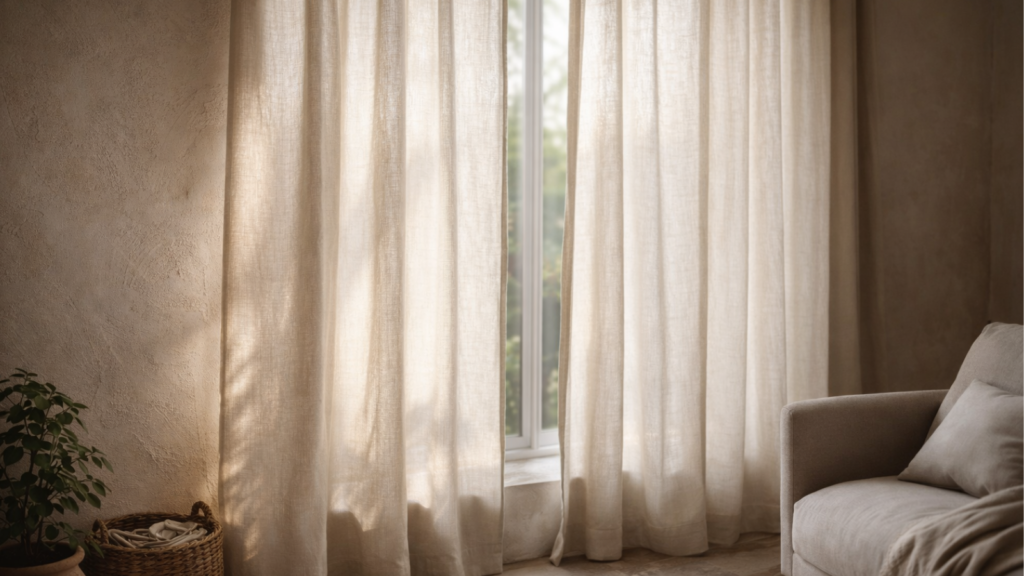
Heavyweight natural curtains crafted from linen, hemp, or cotton canvas serve as effective thermal barriers. Natural fibres breathe while blocking heat, preventing rooms from becoming stuffy. Unlike synthetic window treatments, linen curtains maintain air quality while providing insulation.
Eco Features
Renewable plant fibres require minimal processing during production. Chemical-free production methods exist for pure linen options. Recyclable and biodegradable materials reduce environmental impact at end of life. Durability means decades of use without replacement needs. Low environmental impact manufacturing processes preserve natural resources.
Benefits
Properly installed thermal curtains block up to 80% of solar heat gain. Rooms experience temperature reductions of 10 to 15 degrees Fahrenheit (5.5 to 8.3 degrees Celsius). Heavy natural fabrics provide insulation without plastic backing or chemical treatments. The natural texture of linen adds aesthetic appeal while its tight weave prevents heat penetration.
Tips for Use
Install curtains close to window frames using wraparound rods to minimise gaps. Keep curtains closed during peak sunlight hours, which typically occur from 10am to 4pm. Choose light colours for exterior-facing sides to reflect sunlight effectively. Layer sheer linen panels behind heavier curtains for flexible light control throughout seasons.
Recommended Products
West Elm’s Belgian Flax Linen curtains offer excellent thermal properties for standard windows. Pottery Barn’s heavyweight linen panels provide superior sun blocking capabilities. IKEA’s Aina curtains deliver budget-friendly natural linen options without compromising quality.
4. Solar-Powered Attic Fan
Description
Solar attic fans extract superheated air from roof spaces using photovoltaic panels. These systems require zero grid electricity for operation. Heat buildup prevention radiates into living spaces below, reducing overall cooling needs.
Eco Features
One hundred per cent solar-powered operation eliminates electricity consumption entirely. Zero operating costs occur after installation completion. Reduced Heating, Ventilation, and Air Conditioning (HVAC) burden extends equipment lifespan significantly. Passive cooling operates without refrigerants or chemical substances. Off-grid functionality maintains independence from power supply networks.
Benefits
Attics reach temperatures exceeding 150°F (65.5°C) during summer months. Solar attic fans reduce attic temperatures by 50 degrees (27.7 degrees Celsius), lowering household cooling requirements by 30%. This technology pays for itself within 2 to 3 years through reduced energy bills. Lower HVAC workload extends equipment life by 5 to 7 years.
Tips for Use
Install fans on south-facing roof sections for maximum solar exposure throughout daylight hours. Ensure proper attic ventilation by balancing intake vents (soffit) with exhaust (fan). Choose models with adjustable thermostats and humidistats for automated operation. Clean solar panels quarterly to maintain efficiency levels above 90%.
Recommended Products
QuietCool’s solar attic fans offer powerful ventilation with minimal noise production. Remington Solar’s models include built-in thermostats for automated temperature control. Natural Light’s solar attic fans provide excellent warranty coverage and installation support services.
5. Reflective Window Film or Shades
Description
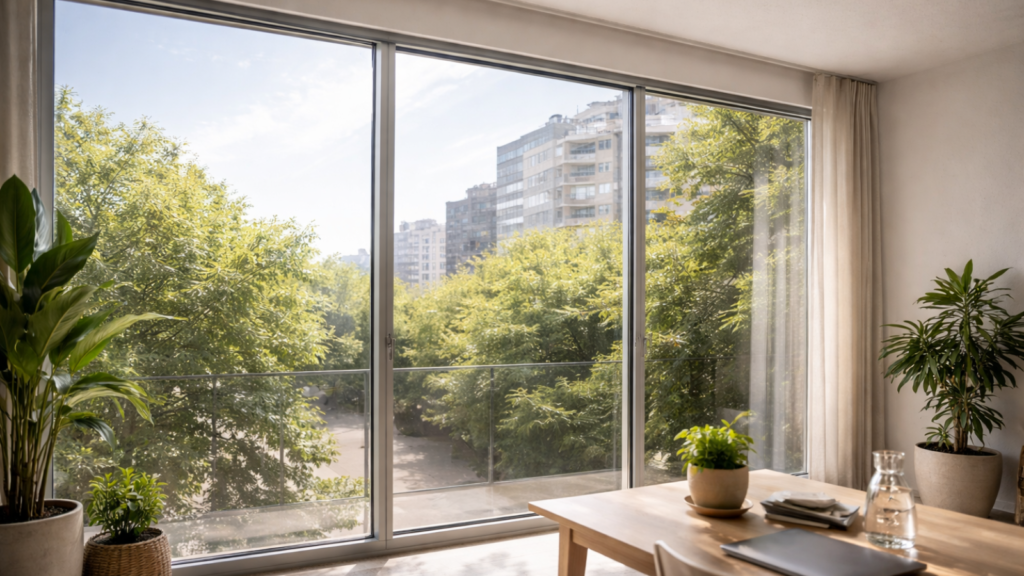
Reflective window treatments utilise metallic or ceramic particles to bounce solar radiation away from buildings. Modern films preserve visibility while dramatically reducing heat transmission through glass surfaces. Installation requires minimal effort compared to replacement windows.
Eco Features
Reduced cooling energy consumption reaches up to 60% in optimal conditions. Extended HVAC lifespan results through reduced workload demands. Non-toxic adhesives exist in quality products from reputable manufacturers. Recyclable backing materials become available in premium options. Long-lasting protection spans 10 to 15 years (120 to 180 months) of typical lifespan.
Benefits
Window film blocks up to 80% of solar heat while allowing natural light penetration. Cooling and artificial lighting reliance both decrease simultaneously. Unlike curtains, films provide constant protection without daily adjustment requirements. Ultraviolet (UV)-blocking properties protect furniture and flooring from sun damage and fading.
Tips for Use
Professional installation ensures bubble-free application and proper coverage across entire surfaces. Clean windows thoroughly before applying Do-It-Yourself (DIY) films to ensure proper adhesion. Choose lighter tints for north-facing windows, darker for south and west exposures. Consider removable options for rental properties where permanent modifications remain prohibited.
Recommended Products
Gila’s titanium heat control film offers excellent performance at moderate prices for budget-conscious buyers. 3M’s Prestige series provides superior clarity with maximum heat rejection capabilities. Llumar’s ceramic films deliver long-term durability without metallic appearance that some homeowners find unattractive.
6. Portable Evaporative Cooler (Eco Model)
Description
Evaporative coolers, also known as swamp coolers, use water evaporation to lower air temperature naturally. Refrigerant-based air conditioners consume significantly more power than evaporative models. Evaporative cooling consumes 75% less electricity while adding beneficial humidity to dry climates.
Eco Features
No harmful refrigerants or chemical substances exist in evaporative systems. Water and electricity alone provide cooling effects naturally. Ninety per cent less energy consumption occurs than traditional AC units. Natural humidification improves air quality for respiratory health. Recyclable components exist in quality models from eco-conscious manufacturers.
Benefits
Evaporative coolers work exceptionally well in dry climates below 60% humidity levels. Temperature reductions of 15 to 40 degrees occur depending on conditions. Operating costs run approximately £0.09 per hour versus £0.30+ for conventional air conditioning. Water consumption remains minimal, typically using 15 to 38 litres (4 to 10 gallons) daily.
Tips for Use
Position coolers near open windows or doors to allow proper airflow circulation. Fill water tanks with cold water for enhanced cooling performance. Clean water pads monthly to prevent mineral buildup and maintain efficiency above 85%. Use during dry periods performance diminishes in humid conditions above 65% humidity.
Recommended Products
Hessaire’s evaporative coolers offer commercial-grade durability for residential use applications. Honeywell’s CO series provides excellent portability for multi-room cooling needs. Breezair’s models deliver superior cooling capacity for larger spaces exceeding 40 square metres (430 square feet).
7. Indoor Houseplants for Natural Cooling (Snake Plant, Boston Fern)
Description
Strategic placement of specific houseplants contributes to natural temperature regulation through transpiration. Transpiration represents the process where plants release water vapour through leaves. Certain species excel at cooling while purifying indoor air simultaneously.
Eco Features
Natural air purification removes toxins from indoor environments. Carbon dioxide absorption improves air quality throughout living spaces. Renewable cooling occurs without energy consumption or electrical requirements. Biodegradable planters become available from sustainable sources using recycled materials. Low maintenance requirements reduce resource needs over plant lifespan.
Benefits
Large leafy plants reduce room temperature by 2 to 5 degrees through transpiration processes. Snake plants, rubber plants, and Boston ferns release moisture that creates natural evaporative cooling effects. Beyond temperature control, plants reduce stress levels, boost productivity, and filter harmful pollutants from indoor air. Studies show plants improve concentration by 15% (University of Exeter, 2014).
Tips for Use
Group multiple plants together for enhanced cooling effects through collective transpiration. Place larger specimens near windows to intercept solar heat before entering rooms. Water plants regularly to maximise transpiration rates throughout daylight hours. Choose species suited to available light conditions snake plants tolerate low light, while ferns prefer indirect brightness.
Recommended Products
Purchase from local nurseries supporting sustainable growing practices without chemical pesticides. Consider Boston ferns, rubber trees (Ficus elastica), peace lilies, or Areca palms for maximum cooling. Select plants in terracotta or ceramic containers that allow soil breathing and proper drainage.
8. Rechargeable Ice Cooling Towels
Description
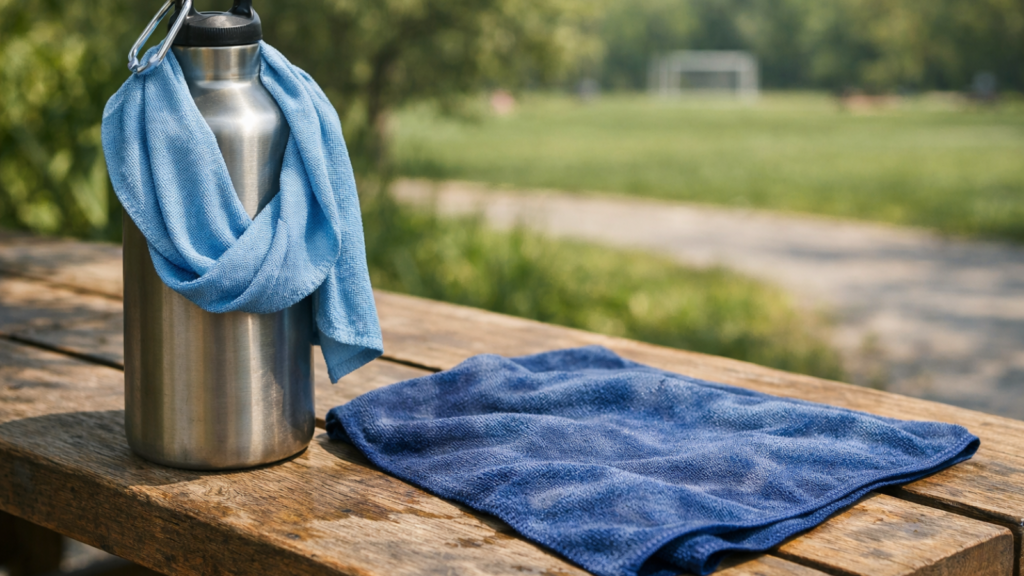
Modern cooling towels incorporate phase-change materials or specialised fabrics that maintain coolness for extended periods. Activation requires only water, no electricity or batteries. Rechargeable versions offer re-cooling repeatedly without disposable ice packs or single-use products.
Eco Features
Reusable design eliminates single-use cooling products from waste streams. No batteries become required for activation or operation. Durable construction provides years of use, often exceeding 5 years (60 months). Washable materials maintain hygiene throughout extended product lifespan. Minimal packaging reduces waste at point of purchase.
Benefits
Cooling towels provide instant relief during extreme heat conditions. Body temperature reductions reach up to 30 degrees Fahrenheit (16.6 degrees Celsius) compared to ambient temperature. Perfect applications include outdoor activities, exercise, or draping across shoulders while working from home. Lightweight and portable design offers personal cooling without room-wide air conditioning systems.
Tips for Use
Activate towels by soaking in cold water, wringing out excess liquid, then snapping sharply to trigger cooling effect. Drape across neck, shoulders, or forehead for maximum cooling impact on core body temperature. Re-wet as needed to maintain coolness throughout extended periods. Store damp towels in sealed bags between uses to extend cooling duration by 30 to 50 minutes.
Recommended Products
Mission’s Enduracool towels offer superior longevity exceeding 300 uses per towel. Chill Pal’s mesh design provides maximum airflow for enhanced evaporative cooling. Frogg Toggs’ Chilly Pad delivers budget-friendly performance with excellent cooling duration lasting 2 to 4 hours.
9. Insulated Reusable Water Bottles
Description
Double-wall vacuum-insulated bottles maintain beverage temperature for 24+ hours without external power. Access to refreshingly cold water remains available throughout hot days. Quality stainless steel construction eliminates disposable plastic bottle waste from daily routines.
Eco Features
Single-use plastic bottle elimination prevents thousands of bottles from entering landfills. Recyclable stainless steel construction ensures end-of-life material recovery. Bisphenol A (BPA)-free materials ensure safety for all users. Decades-long lifespan reduces replacement frequency dramatically. Reduced transportation emissions occur from bottled water production and distribution networks.
Benefits
Proper hydration helps regulate body temperature naturally, reducing perceived heat stress. Insulated bottles keep water ice-cold for entire days, encouraging increased consumption. Each reusable bottle prevents approximately 167 plastic bottles from entering landfills annually. Proper hydration improves cognitive function by 14% (Journal of Nutrition, 2012).
Tips for Use
Fill bottles with ice and water before bed for maximum cold retention overnight. Add lemon, cucumber, or mint for refreshing flavour variations without added sugars. Clean bottles weekly with baking soda solution to prevent odours and bacterial growth. Choose wide-mouth designs for easier ice insertion and thorough cleaning access.
Recommended Products
Hydro Flask offers excellent insulation with lifetime warranty protection against defects. Klean Kanteen provides sustainably manufactured stainless steel options from recycled materials. S’well bottles deliver stylish designs with superior temperature retention exceeding 24 hours (1,440 minutes).
10. Smart Thermostat (Energy-Saving Mode)
Description
Smart thermostats learn household patterns and automatically adjust temperatures for optimal comfort and efficiency. Advanced models integrate 3 key factors (weather forecasts, humidity levels, occupancy detection) to minimise energy waste. Remote control capabilities prevent unnecessary cooling expenses during absences.
Eco Features
HVAC energy consumption reduces by 10 to 23% through intelligent automation. Remote control prevents unnecessary cooling during unoccupied periods. Usage reports highlight conservation opportunities for behavioural improvements. Integration with renewable energy systems optimises solar power utilisation. Long lifespan exceeds 10 years (120 months) of typical operation.
Benefits
Smart thermostats save average households £150 to £250 annually on energy bills. Automated scheduling ensures cooling operates only during occupied periods. Geofencing features detect occupant departures, adjusting temperatures accordingly. Detailed energy reports reveal consumption patterns, enabling informed conservation decisions. Return on investment occurs within 2 to 3 years (24 to 36 months).
Tips for Use
Programme temperature setbacks of 7 to 10 degrees during sleeping hours and absence periods. Utilise “eco mode” features that prioritise efficiency over precise temperature maintenance. Connect to home WiFi for remote adjustments via smartphone applications. Review monthly energy reports to identify optimisation opportunities and seasonal patterns.
Recommended Products
Google Nest Learning Thermostat offers intuitive automation with sleek design aesthetics. Ecobee SmartThermostat includes room sensors for multi-zone control across large homes. Honeywell Home T9 provides excellent value with comprehensive features for budget-conscious consumers.
Creating Your Eco-Friendly Cooling Strategy
Combining multiple products from this list creates synergistic effects. Comfort maximises while environmental impact minimises through strategic product selection. Start with simple changes like natural bedding and thermal curtains. Progress to larger investments like solar attic fans or smart thermostats as budget allows.
Consider 3 key factors (specific climate, home layout, lifestyle patterns) when selecting products. Dry regions benefit enormously from evaporative coolers. Humid areas require different approaches emphasising airflow and solar blocking instead. Rental residents should focus on portable solutions like fans and window films. Homeowners invest in permanent installations offering long-term value.
Conclusion: Cool Comfort Without Environmental Compromise
Staying comfortable during warm months needn’t conflict with environmental values or financial prudence. These 10 eco-friendly products demonstrate that sustainable living enhances rather than diminishes quality of life. Each solution offers 4 tangible benefits (lower energy bills, reduced carbon emissions, improved indoor air quality, lasting durability).
Start your eco-friendly cooling journey today by selecting 1 or 2 products matching immediate needs and budget. Experience benefits firsthand, then expand your sustainable cooling strategy gradually. Small changes create meaningful impact multiplied across communities. Personal wellbeing and planetary health both benefit from conscious choices.
Remember, staying cool sustainably represents more than product purchases. An ongoing commitment to 3 principles (mindful consumption, energy conservation, environmental stewardship) shapes sustainable living. Your choices today shape tomorrow’s climate. Comfort and conscience coexist beautifully through informed, intentional decisions.
Frequently Asked Questions
How much money can eco-friendly cooling products actually save?
Implementing several eco-friendly cooling strategies reduces cooling costs by 30 to 60% annually. Average households experience savings of £200 to £600 per year. Smart thermostats alone save 10 to 23% on energy bills annually. Solar attic fans eliminate attic ventilation costs entirely after initial investment. Combining passive techniques (curtains, bedding) with efficient technology (DC fans, evaporative coolers) delivers maximum financial benefits over 5 to 10 years.
Do eco-friendly cooling products work as well as traditional air conditioning?
Yes, eco-friendly products provide different but effective cooling approaches for most climates. Temperature drops may not match powerful AC units operating at maximum capacity. Combining multiple strategies creates comfortable living conditions in most climates worldwide. Evaporative coolers match AC performance in dry regions below 50% humidity. Strategic fan placement with thermal barriers keeps homes comfortable while using 75% less energy than traditional cooling systems.
Which eco-friendly cooling product offers the fastest return on investment?
Reflective window film and thermal curtains typically deliver fastest payback periods. Cost recovery occurs within 6 to 12 months through reduced cooling bills. Smart thermostats follow closely with 1 to 2 year payback periods in most climates. Initial investment remains modest for both options, making them accessible starting points. Budget requirements range from £50 to £200 for window films and £100 to £400 for thermal curtains.
Can renters benefit from eco-friendly cooling products?
Yes, renters implement numerous portable solutions without property modifications. Available options include 8 key products (energy-efficient fans, natural bedding, removable window film, evaporative coolers, plants, cooling towels, insulated water bottles, smart thermostats). Most require no installation or permanent modifications to rental properties. Thermal curtains simply hang on existing rods without drilling or hardware changes. Smart thermostats often install without professional assistance or property alterations requiring landlord approval.
Are eco-friendly cooling products suitable for humid climates?
Yes, most eco-friendly products work excellently in humid regions. One notable exception exists: evaporative coolers perform poorly above 60% humidity levels. Focus instead on enhanced airflow through energy-efficient fans operating at higher speeds. Solar attic ventilation prevents heat buildup in roof spaces. Thermal window treatments block solar gain before heat enters living spaces. Dehumidifying houseplants improve air quality while absorbing excess moisture naturally.
How do houseplants actually help cool homes?
Plants cool through transpiration, which releases water vapour through leaf pores. Large plants transpire several litres of water daily, creating localised evaporative cooling effects. Strategically placed plants shade windows and walls, reducing solar heat absorption. Grouping 5 to 10 plants in living areas creates measurable temperature reductions of 2 to 5 degrees. Air quality improvements occur simultaneously through carbon dioxide absorption and toxin filtration processes.
What maintenance do eco-friendly cooling products require?
Maintenance requirements remain minimal across most products. Clean fan blades quarterly to maintain airflow efficiency above 90%. Wash natural bedding monthly in cold water to preserve fabric integrity. Vacuum thermal curtains seasonally to remove dust accumulation. Clean solar panels every 3 to 4 months for optimal energy capture. Evaporative coolers need monthly pad cleaning and seasonal deep cleaning procedures. Smart thermostats require no maintenance beyond occasional software updates from manufacturers. Plants need regular watering based on species requirements.
Can eco-friendly cooling products reduce carbon footprint significantly?
Yes, carbon footprint reduction occurs substantially through eco-friendly alternatives. Household carbon emissions decrease by 1 to 3 tonnes annually per household. Solar attic fans generate zero emissions during operation. Evaporative coolers use 75% less electricity than traditional AC units. Smart thermostats optimise HVAC efficiency, preventing unnecessary energy consumption. Multiply these savings across millions of households globally collective impact becomes transformative for climate action goals.
Are there government incentives for eco-friendly cooling products?
Yes, many regions offer 3 types of support (rebates, tax credits, incentive programmes) for energy-efficient home improvements. Smart thermostats, solar-powered devices, and Energy Star-certified fans often qualify for available programmes. Check with local utility companies, government energy offices, or tax professionals about available incentives. Some utilities offer free energy audits identifying optimisation opportunities and applicable rebate programmes worth £100 to £500 annually.
How long do eco-friendly cooling products typically last?
Quality eco-friendly cooling products offer exceptional longevity compared to conventional alternatives. DC motor fans last 15 to 20 years (180 to 240 months). Natural fibre bedding serves 10 to 15 years with proper care and rotation. Thermal curtains endure 20+ years without significant degradation. Solar attic fans operate 15 to 25 years with minimal maintenance. Window film remains effective 10 to 15 years before requiring replacement. Smart thermostats function 10 to 15 years with regular software updates. Stainless steel water bottles last indefinitely with proper cleaning and care.