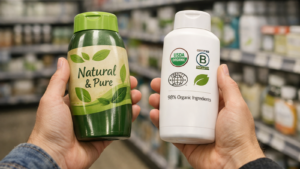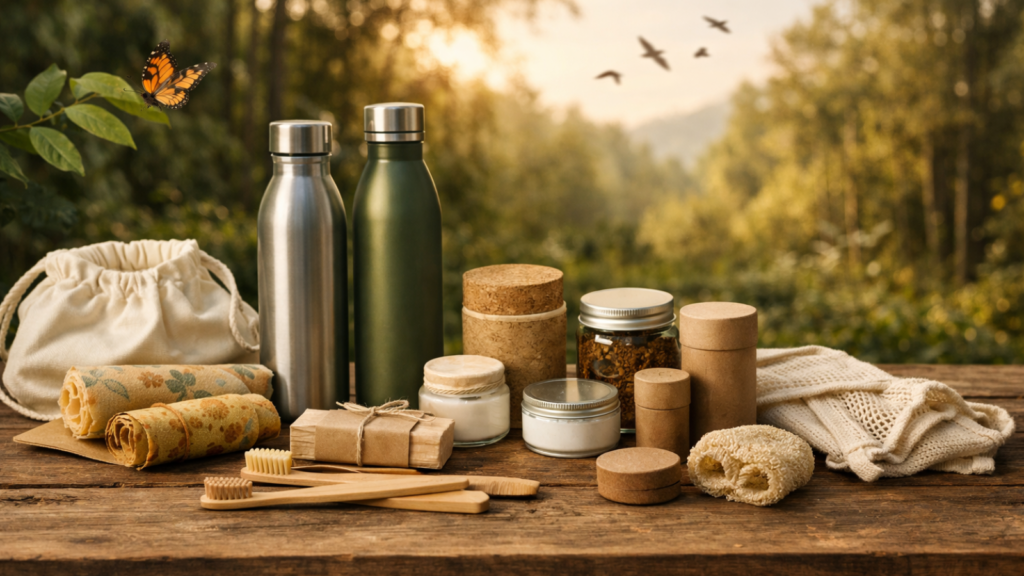
Wildlife faces unprecedented threats from habitat loss, climate change, and human activity. Every purchasing decision presents an opportunity to protect endangered species and preserve natural ecosystems. Eco-friendly products supporting wildlife conservation combine sustainability with direct contributions to animal protection efforts.
Choosing environmentally responsible items reduces your carbon footprint while funding critical conservation programmes worldwide. Many brands now partner with wildlife organisations, donating portions of profits to habitat restoration and species protection. By selecting products made from sustainable materials and ethical practices, consumers become active participants in global conservation movements.
This comprehensive guide explores 10 exceptional eco-friendly products supporting wildlife conservation. Each selection offers tangible environmental benefits whilst channelling resources toward protecting vulnerable animal populations across our planet.
1. Recycled Ocean Plastic Sunglasses
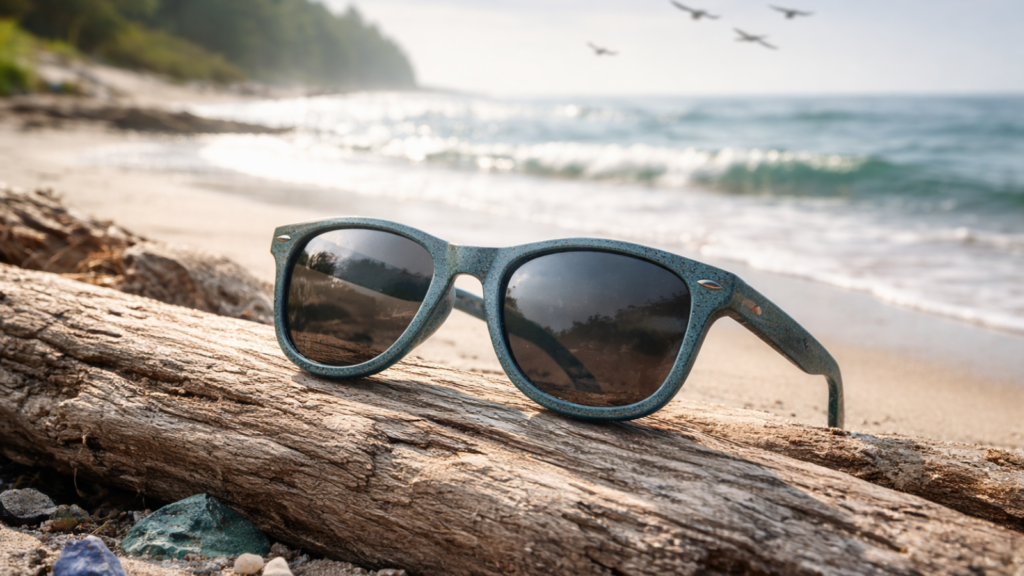
Millions of tonnes of plastic pollute oceans annually, threatening marine life from sea turtles to whales. Sunglasses crafted from recovered ocean plastics transform waste into functional accessories whilst supporting ocean cleanup initiatives.
Description
Ocean plastic sunglasses utilise materials retrieved from coastal areas, waterways, and marine environments. Manufacturers collect discarded fishing nets, plastic bottles, and other debris, processing waste into durable frames. Each pair typically removes 5 to 10 plastic bottles from marine ecosystems.
Eco Features
Recycled ocean plastic sunglasses offer three major environmental advantages (waste reduction, ocean cleanup, and marine habitat protection). Production processes consume 60% less energy compared to virgin plastic manufacturing. Many brands partner with Marine Conservation Society (MCS) and similar organisations, contributing funds to oceanic research and protection programmes.
Benefits
Wearing ocean plastic eyewear directly supports marine wildlife conservation efforts. Purchases fund beach cleanups, coral reef restoration, and endangered species protection. Frames provide UV protection whilst promoting sustainable fashion choices. Durability matches traditional sunglasses, offering years of reliable use.
Tips for Use
Store sunglasses in protective cases preventing scratches and extending lifespan. Clean lenses with microfibre cloths avoiding harsh chemicals. Choose polarised options for water activities, reducing glare whilst enhancing visibility. Replace worn frames through recycling programmes ensuring materials re-enter circular economy systems.
Recommended Products
Norton Point offers stylish frames donating portions to ocean conservation. 4Ocean provides sunglasses with each purchase funding one pound of trash removal from waterways. Sea2See collaborates with fishing communities, transforming nets into fashionable eyewear supporting coastal livelihoods.
Where to Buy
Purchase recycled ocean plastic sunglasses through brand websites, sustainable fashion retailers, and eco-friendly marketplaces. Many products ship internationally, reaching consumers worldwide committed to marine protection.
2. Wildlife-Supporting Reusable Coffee Cups

Single-use coffee cups generate enormous waste, with 2.5 billion disposed annually in the UK alone. Reusable alternatives manufactured from sustainable materials reduce landfill contributions whilst supporting wildlife conservation through strategic partnerships.
Description
Conservation-focused reusable coffee cups feature bamboo, recycled materials, or plant-based bioplastics. Designs incorporate insulation maintaining beverage temperatures for hours. Many brands display wildlife imagery raising awareness about endangered species.
Eco Features
Bamboo cups utilise one of Earth’s fastest-growing plants, requiring no pesticides or fertilisers. Bamboo regenerates within 3 to 5 years (36 to 60 months), unlike trees needing decades. Production emits 30% less carbon compared to ceramic manufacturing. Silicone lids and sleeves eliminate plastic components, ensuring complete biodegradability.
Benefits
Reusable coffee cups prevent thousands of disposable cups from entering waste streams over their lifetime. Conservation partnerships direct profits toward habitat preservation and anti-poaching efforts. Thermal insulation reduces energy waste from reheating beverages. Leak-proof designs suit commuting, travel, and outdoor activities.
Tips for Use
Wash cups thoroughly after each use preventing bacterial growth. Avoid dishwashers with bamboo varieties, as high temperatures cause cracking. Remove silicone components before recycling bamboo portions at end-of-life. Carry cups in bags encouraging consistent reuse patterns.
Recommended Products
WWF Reusable Cups feature endangered animal designs, with proceeds funding conservation projects globally. KeepCup collaborates with wildlife organisations, offering customisable options supporting specific species. Ecoffee Cup partners with conservation charities, creating limited editions highlighting threatened habitats.
Where to Buy
Conservation-supporting coffee cups are available through charity shops, eco-friendly retailers, and wildlife organisation websites. Major supermarkets increasingly stock sustainable alternatives, making conscious choices more accessible.
3. Beeswax Food Wraps
Plastic cling film persists in environments for centuries, harming wildlife through ingestion and entanglement. Beeswax wraps provide reusable alternatives protecting food whilst supporting pollinator conservation efforts essential to ecosystem health.
Description
Beeswax food wraps consist of organic cotton infused with beeswax, jojoba oil, and tree resin. Natural materials create malleable, breathable coverings preserving food freshness. Wraps mould around containers using hand warmth, forming secure seals without adhesives.
Eco Features
Organic cotton cultivation avoids harmful pesticides threatening bee populations. Sustainably harvested beeswax supports ethical beekeeping practices maintaining healthy hives. Wraps eliminate single-use plastics, preventing microplastic pollution in waterways. Biodegradable ingredients decompose naturally, enriching soil rather than contaminating ecosystems.
Benefits
Beeswax wraps reduce plastic waste by an estimated 90% in households consistently using alternatives. Purchases from conservation-focused brands fund pollinator habitat restoration and research. Antimicrobial properties extend food freshness naturally. Wraps last 12 to 18 months (365 to 548 days) with proper care, offering excellent value.
Tips for Use
Clean wraps with cool water and mild soap, avoiding hot temperatures melting beeswax. Air dry completely before storing flat or rolled. Refresh worn wraps by ironing between parchment paper, redistributing wax coating. Compost wraps at end-of-life or burn as natural fire starters.
Recommended Products
Bee’s Wrap partners with Pollinator Partnership, supporting bee conservation initiatives. Etee donates to wildlife rehabilitation centres treating injured pollinators. Abeego collaborates with beekeeping associations, promoting sustainable honey production protecting wild bee populations.
Where to Buy
Beeswax wraps supporting wildlife conservation are available through farmers’ markets, health food stores, and online eco-retailers. Many brands offer starter packs containing multiple sizes for versatile food storage solutions.
4. Bamboo Toothbrushes with Conservation Donations
Plastic toothbrushes accumulate in landfills and oceans, taking 400 to 500 years (4800 to 6000 months) to decompose. Bamboo alternatives biodegrade within months whilst conservation-focused brands channel profits toward protecting endangered species and habitats.
Description
Bamboo toothbrushes feature handles crafted from sustainable bamboo with recyclable nylon or plant-based bristles. Antimicrobial properties naturally inhibit bacterial growth. Ergonomic designs provide comfortable brushing experiences matching conventional toothbrush performance.
Eco Features
Bamboo cultivation sequesters 35% more carbon dioxide than equivalent tree stands. Growth requires minimal water, no pesticides, and regenerates rapidly after harvesting. Biodegradable handles decompose in compost bins within 6 to 12 months (180 to 365 days). Carbon-neutral shipping options further reduce environmental impact.
Benefits
Switching to bamboo toothbrushes eliminates approximately 300 plastic brushes from individual lifetime waste. Conservation partnerships fund rainforest protection, wildlife corridors, and endangered species monitoring. Natural materials avoid chemical leaching into ecosystems. Affordable pricing makes sustainable oral care accessible to broader audiences.
Tips for Use
Replace bamboo toothbrushes every 3 to 4 months (90 to 120 days) maintaining dental hygiene standards. Store brushes in dry areas preventing moisture accumulation. Remove bristles with pliers before composting handles. Choose bristle materials based on personal preference balancing sustainability with oral health needs.
Recommended Products
The Humble Co. donates to Oral Health programmes in developing countries whilst supporting wildlife conservation. Brush with Bamboo contributes to Rainforest Trust protecting critical habitats. Environmental Toothbrush partners with organisations combating plastic pollution in marine environments.
Where to Buy
Conservation-supporting bamboo toothbrushes are stocked in pharmacies, supermarkets, and online retailers worldwide. Subscription services deliver regular replacements ensuring consistent sustainable oral care routines.
5. Organic Cotton Clothing from Wildlife Charities
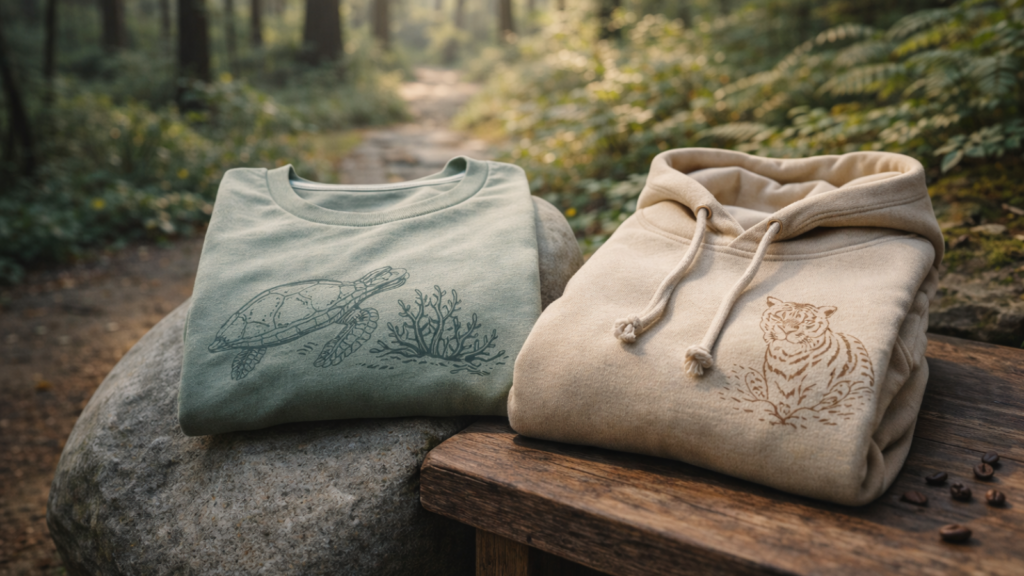
Fashion industry practices devastate ecosystems through pesticide use, water pollution, and habitat destruction. Organic cotton clothing produced by wildlife charities offers sustainable alternatives funding conservation whilst promoting ethical manufacturing standards.
Description
Wildlife charity clothing lines feature organic cotton garments displaying endangered species artwork and conservation messages. Collections include t-shirts, hoodies, accessories, and activewear. Ethical production ensures fair wages and safe working conditions throughout supply chains.
Eco Features
Organic cotton farming eliminates synthetic pesticides and fertilisers harming pollinators and soil health. Water consumption decreases by 91% compared to conventional cotton production. Natural dyeing processes avoid toxic chemicals polluting waterways. Carbon-neutral manufacturing and shipping minimise climate impact.
Benefits
Purchasing wildlife charity clothing directly funds field conservation projects, anti-poaching patrols, and habitat acquisition. Wearing conservation messages raises public awareness about endangered species. Organic fabrics offer superior softness, breathability, and durability. Transparent supply chains ensure ethical practices throughout production.
Tips for Use
Wash organic cotton garments in cold water preserving fabric integrity and reducing energy consumption. Air dry items when possible, extending clothing lifespan. Choose timeless designs over fast fashion trends, maximising wear frequency. Donate worn items to charity shops or textile recycling programmes.
Recommended Products
WWF Shop offers extensive organic cotton collections supporting giant pandas, tigers, and marine conservation. The Wildlife Trusts provide clothing ranges funding UK habitat protection. African Wildlife Foundation sells apparel supporting elephant and rhino conservation across Africa.
Where to Buy
Wildlife charity clothing is available through organisation websites, museum shops, and select retailers. Online platforms often feature exclusive designs with limited production runs supporting specific conservation campaigns.
6. Recycled Aluminium Water Bottles
Single-use plastic bottles contribute 480 billion units annually to global waste. Recycled aluminium water bottles offer durable alternatives whilst conservation-focused brands support clean water initiatives benefiting wildlife and communities.
Description
Conservation water bottles utilise post-consumer recycled aluminium, reducing virgin material extraction. Bottles feature double-wall insulation maintaining temperatures for 24 hours (1440 minutes). Powder-coated finishes resist scratches whilst eliminating chemical leaching into beverages.
Eco Features
Recycled aluminium production requires 95% less energy than primary aluminium manufacturing. Infinite recyclability ensures bottles never become waste. Aluminium mining causes significant habitat destruction; recycled alternatives protect forests, wetlands, and wildlife corridors. BPA-free linings eliminate toxic chemical exposure.
Benefits
Reusable aluminium bottles prevent approximately 156 plastic bottles annually from entering waste streams per person. Conservation partnerships fund freshwater habitat restoration, wetland protection, and clean water access programmes. Superior insulation maintains beverage quality during outdoor activities. Lightweight designs suit hiking, cycling, and travel.
Tips for Use
Clean bottles regularly with bottle brushes and mild detergents preventing odour buildup. Avoid dishwashers with insulated models, as high heat damages vacuum seals. Replace worn bottles through recycling programmes ensuring materials re-enter production cycles. Choose wide-mouth designs for easier cleaning and ice cube insertion.
Recommended Products
Chilly’s Bottles partners with marine conservation organisations protecting ocean ecosystems. S’well collaborates with UNICEF providing clean water access whilst supporting environmental programmes. Klean Kanteen donates to river conservation trusts restoring salmon habitats.
Where to Buy
Conservation-supporting aluminium water bottles are available through outdoor retailers, eco-friendly shops, and charity websites. Many brands offer customisation options creating unique designs reflecting personal conservation values.
7. Sustainable Cork Yoga Mats
Conventional yoga mats contain PVC and synthetic materials releasing harmful chemicals and persisting in landfills indefinitely. Sustainable cork yoga mats provide natural alternatives whilst conservation brands support forest protection and wildlife corridors.
Description
Cork yoga mats feature renewable cork bark harvested from cork oak trees without felling. Natural rubber bases provide cushioning and grip. Antimicrobial properties inhibit bacterial and fungal growth. Mats measure standard dimensions (68 to 72 inches or 173 to 183 centimetres) accommodating various body heights.
Eco Features
Cork oak forests sequester carbon whilst providing habitats for endangered species including Iberian lynx and Barbary deer. Bark regenerates within 9 years (108 months), allowing repeated harvests without tree damage. Natural materials biodegrade completely. Production avoids toxic glues and synthetic additives polluting ecosystems.
Benefits
Cork mats offer superior grip when wet, ideal for hot yoga practices. Natural cushioning protects joints during floor exercises. Lightweight designs facilitate transport to studios and outdoor locations. Conservation purchases fund Mediterranean forest protection and wildlife monitoring programmes.
Tips for Use
Clean cork mats with damp cloths and natural cleaners avoiding harsh chemicals. Air dry completely before rolling to prevent moisture damage. Store away from direct sunlight preserving material integrity. Replace worn mats by composting or recycling through specialised programmes.
Recommended Products
Yoloha Cork Yoga collaborates with forest conservation organisations protecting cork oak ecosystems. Scoria World supports wildlife charities through mat sales. Gurus Cork Yoga donates to habitat restoration projects in cork-producing regions.
Where to Buy
Sustainable cork yoga mats supporting conservation are available through yoga retailers, eco-friendly marketplaces, and brand websites. Studios increasingly stock conservation-supporting products, making conscious choices convenient for practitioners.
8. Wildlife-Supporting Seed Bombs
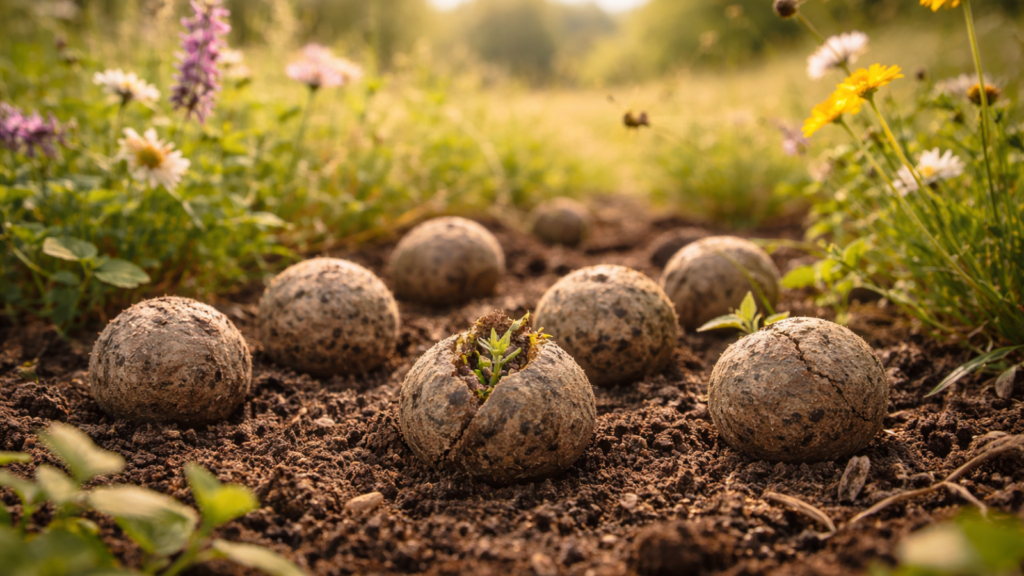
Habitat loss threatens 85% of endangered species globally. Seed bombs offer accessible solutions creating pollinator gardens, restoring degraded lands, and supporting local wildlife populations whilst connecting people to conservation efforts.
Description
Conservation seed bombs consist of native wildflower seeds, clay, and compost formed into compact balls. Ingredients protect seeds from predators whilst providing nutrients for germination. Varieties target specific pollinators, birds, and local ecosystems.
Eco Features
Native plant species support regional wildlife better than non-native ornamentals. Wildflowers require no irrigation, fertilisers, or pesticides once established. Flowering plants provide nectar for bees, butterflies, and hummingbirds. Seed production supports ethical seed saving networks preserving botanical diversity.
Benefits
Seed bombs democratise conservation, allowing anyone to create wildlife habitats regardless of gardening experience. Guerrilla gardening techniques transform vacant lots into biodiversity hotspots. Purchases from conservation brands fund habitat restoration and seed bank programmes. Successful germination creates food sources and shelter for numerous species.
Tips for Use
Scatter seed bombs in autumn or spring when rainfall supports germination. Choose locations with adequate sunlight and minimal foot traffic. Avoid protected areas requiring planting permissions. Water lightly during dry spells encouraging establishment. Observe resulting wildflower patches documenting visiting wildlife species.
Recommended Products
Seedball offers UK native wildflower varieties supporting bees and butterflies, with profits funding conservation. Kabloom provides region-specific mixes benefiting local pollinators. The Bee Cause creates seed bombs supporting global bee conservation initiatives.
Where to Buy
Conservation seed bombs are available through garden centres, wildlife charity shops, and online eco-retailers. Many organisations offer educational seed bomb workshops teaching habitat creation techniques.
9. Recycled Glass Terrariums
Decorative items often involve resource-intensive production and provide no conservation value. Recycled glass terrariums combine sustainable manufacturing with educational opportunities whilst supporting wildlife conservation through strategic brand partnerships.
Description
Conservation terrariums utilise post-consumer recycled glass formed into geometric or traditional dome designs. Bases incorporate reclaimed wood or recycled metals. Kits include substrate, plants, and care instructions. Designs suit desktops, shelves, and windowsills.
Eco Features
Recycled glass production consumes 30% less energy than virgin glass manufacturing. Reclaimed wood prevents deforestation whilst adding unique character. Closed terrarium ecosystems require minimal watering, conserving resources. Plants improve indoor air quality whilst connecting occupants to nature.
Benefits
Terrarium purchases from conservation brands fund habitat restoration and species protection programmes. Self-sustaining ecosystems teach valuable lessons about ecological balance. Low-maintenance care suits busy lifestyles whilst providing stress-reducing natural elements. Durable construction ensures decades of enjoyment.
Tips for Use
Position terrariums in indirect sunlight preventing overheating and algae growth. Water sparingly, as closed systems retain moisture efficiently. Trim plants maintaining appropriate sizes for container dimensions. Remove yellowed leaves preventing decay. Wipe glass interiors monthly with damp cloths maintaining visibility.
Recommended Products
Twig Terrariums donates to woodland conservation trusts protecting native forests. The Urban Botanist supports rainforest preservation through terrarium sales. Grow Little collaborates with wildlife charities creating limited edition designs highlighting endangered ecosystems.
Where to Buy
Conservation-supporting recycled glass terrariums are available through garden centres, home décor shops, and wildlife charity websites. Artisan markets often feature locally crafted options supporting regional conservation efforts.
10. Upcycled Tyre Planters
Vehicle tyres accumulate in landfills, with 1 billion discarded annually worldwide. Upcycled tyre planters transform waste into functional garden containers whilst conservation-focused brands support wildlife habitat creation and environmental cleanup programmes.
Description
Tyre planters repurpose end-of-life tyres into durable containers for flowers, vegetables, and shrubs. Designs include hanging baskets, stacked tower gardens, and ground-level planters. Rubber withstands weather extremes, providing years of reliable use. Drainage holes prevent waterlogging.
Eco Features
Upcycling tyres diverts waste from landfills where decomposition takes 50 to 80 years (600 to 960 months). Repurposing eliminates energy-intensive recycling processes. Planters require no additional manufacturing resources. Rubber insulation protects plant roots from temperature fluctuations.
Benefits
Tyre planters create wildlife-friendly gardens attracting beneficial insects, birds, and small mammals. Conservation brand purchases fund tyre cleanup initiatives removing hazardous waste from natural areas. Versatile designs suit urban balconies, community gardens, and rural properties. Cost-effective solutions make gardening accessible to budget-conscious households.
Tips for Use
Clean tyres thoroughly before planting, removing residual oils and debris. Line interiors with landscape fabric preventing soil loss through gaps. Select plants appropriate for container depth and sunlight exposure. Position planters on level surfaces ensuring stability. Repaint periodically using eco-friendly paints refreshing appearances.
Recommended Products
Green My Life creates tyre planters whilst supporting urban greening projects benefiting city wildlife. EcoTyre collaborates with environmental cleanup organisations removing tyres from illegal dump sites. The Tyre Garden funds habitat restoration planting native species supporting local ecosystems.
Where to Buy
Upcycled tyre planters supporting conservation are available through eco-friendly garden centres, online sustainable marketplaces, and community workshops. DIY enthusiasts can create planters from local tyre shops, donating to wildlife charities independently.
Conclusion
Protecting wildlife through conscious consumer choices empowers individuals to create meaningful environmental change. Every eco-friendly purchase reduces pollution, conserves resources, and channels funding toward critical conservation programmes protecting endangered species worldwide. These 10 products demonstrate how everyday items can transform from environmental burdens into powerful tools supporting biodiversity, habitat restoration, and ecosystem health.
Sustainable living extends beyond individual products to encompass broader lifestyle shifts prioritising planetary wellbeing. Start by replacing one conventional item with an eco-friendly alternative, gradually building habits that benefit wildlife and future generations. Together, our collective purchasing power creates market demands driving industries toward sustainability, ensuring thriving ecosystems where humans and wildlife coexist harmoniously.
Frequently Asked Questions
What makes a product genuinely eco-friendly for wildlife conservation?
Genuinely eco-friendly products combine sustainable materials, ethical production, and direct conservation contributions. Look for certifications from recognised environmental organisations and transparent supply chains. Brands should demonstrate measurable impacts through habitat protection, species monitoring, or anti-poaching efforts supporting wildlife populations.
How do purchases of eco-friendly products actually help wildlife?
Conservation-focused brands donate portions of profits to wildlife organisations funding field projects, research, and habitat acquisition. Some products directly address threats like ocean plastic harming marine life or pesticides threatening pollinators. Choosing sustainable alternatives reduces environmental pressures allowing ecosystems to recover naturally.
Are eco-friendly products more expensive than conventional alternatives?
Initial costs sometimes exceed conventional products, but durability and reusability provide better long-term value. Many eco-friendly items last significantly longer whilst eliminating recurring purchases of disposable alternatives. Growing market demand increasingly makes sustainable options competitively priced.
Can individual product choices really make a difference for wildlife conservation?
Collective consumer choices drive market transformations toward sustainability. Millions of people selecting eco-friendly products create substantial funding for conservation whilst reducing pollution and habitat destruction. Individual actions combined with others generate meaningful impacts protecting endangered species globally.
How can I verify a brand’s conservation claims?
Research brand partnerships with established wildlife organisations like WWF, Conservation International, or regional trusts. Review annual reports documenting conservation contributions and project outcomes. Contact brands directly requesting information about specific programmes and donation percentages supporting wildlife protection.
What wildlife conservation organisations benefit from eco-friendly product purchases?
Major beneficiaries include WWF, Rainforest Trust, Marine Conservation Society, African Wildlife Foundation, and countless regional organisations. Products often specify supported programmes allowing consumers to align purchases with personal conservation priorities. Diversifying purchases supports varied ecosystems and species.
Do eco-friendly products perform as well as conventional ones?
Modern sustainable products match or exceed conventional alternatives in performance, durability, and functionality. Innovations in materials science and manufacturing create high-quality items satisfying demanding users. Customer reviews and certifications provide confidence in product capabilities.
How do I dispose of eco-friendly products responsibly at end-of-life?
Biodegradable products compost naturally enriching soil. Recyclable items enter appropriate recycling streams preventing landfill waste. Many brands offer take-back programmes ensuring proper material recovery. Check local recycling facilities for specific item acceptance and preparation requirements.
Can eco-friendly products supporting wildlife be found locally?
Growing consumer demand encourages retailers to stock sustainable options. Check independent shops, farmers’ markets, and charity stores for conservation-supporting products. Online marketplaces expand access when local availability remains limited. Supporting local eco-businesses strengthens regional conservation economies.
What impact does choosing organic materials have on wildlife?
Organic production eliminates synthetic pesticides and fertilisers harming pollinators, birds, and aquatic life. Chemical-free farming protects soil health and water quality essential for diverse ecosystems. Organic agriculture preserves habitats that conventional farming often destroys through intensive practices.