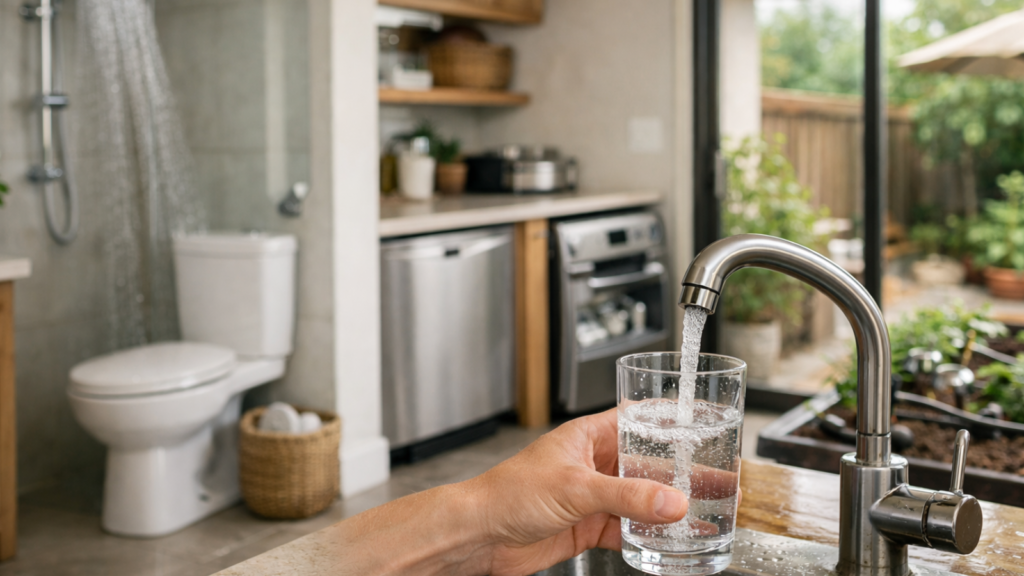
Billions worldwide face water scarcity, making conservation more critical than ever. Each household uses approximately 300 litres daily. Much goes to waste through inefficient fixtures and outdated systems. Fortunately, modern eco-friendly products help reduce consumption without sacrificing comfort or convenience.
Households cut usage by 20 to 60% while lowering utility bills significantly by switching to water-efficient alternatives. Simple upgrades create lasting positive impacts, from bathroom fixtures to garden irrigation.
This guide explores 10 practical solutions that make water conservation effortless in daily routines. Each product combines sustainability with functionality. Environmental responsibility doesn’t require compromise.
Why Water Conservation Matters for Eco-Conscious Living
Population growth, climate change, and pollution place unprecedented pressure on global freshwater resources. Only 2.5% of water on Earth is fresh. Less than 1% is accessible for human use. Conservation efforts at home directly contribute to protecting this vital resource.
Reducing consumption saves money beyond environmental concerns. Average households in the United Kingdom spend £400+ annually on water bills. Efficient fixtures recover their initial costs within 1 to 2 years through savings alone.
Climate change intensifies droughts and disrupts rainfall patterns. Conservation becomes crucial for community resilience. Eco-conscious consumers demonstrate leadership in sustainable living by adopting water-wise products. Others follow suit.
1. Low-Flow Showerhead
Description
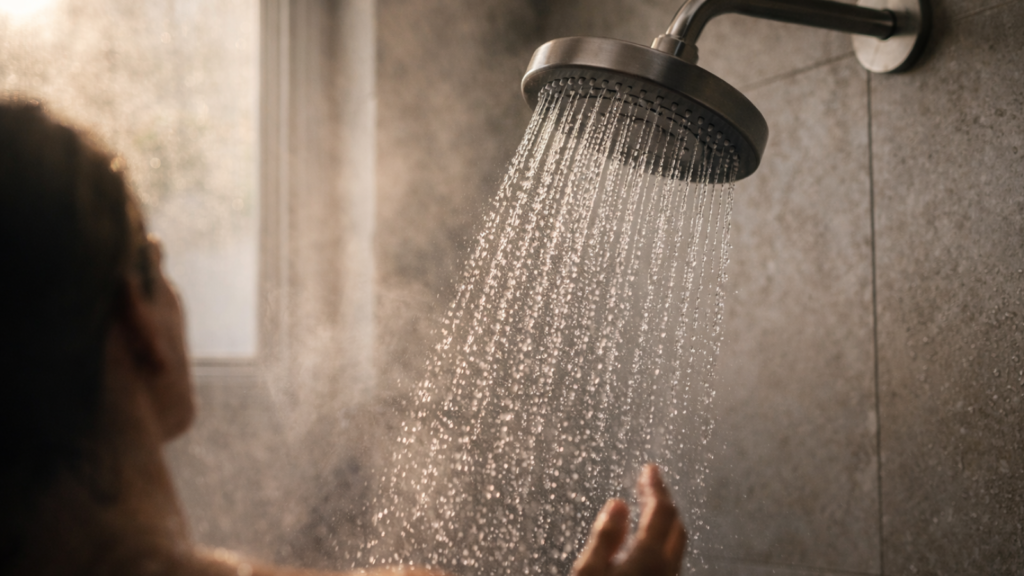
Low-flow showerheads restrict water output to 6 to 9 litres per minute. Standard fixtures dispense 15 to 20 litres. Advanced designs incorporate pressure compensation, air injection, or pulsating spray patterns. Satisfying shower experiences remain despite reduced flow.
Modern versions feature multiple settings, from gentle mist to invigorating massage. Customisation accommodates different preferences. Installation requires no special tools. Most units simply screw onto existing shower arms in minutes.
Eco Features
Dramatic consumption reduction provides the primary environmental benefit. A single person showering daily for 10 minutes with standard fixtures uses approximately 54,750 litres annually. Low-flow alternatives cut this to 21,900 litres. This saves 32,850 litres per person yearly.
Energy savings compound benefits. Less heated water means reduced energy for warming. This dual conservation significantly lowers carbon footprints. Aquatic ecosystems receive protection from excessive extraction.
Benefits
Monthly water bills decrease noticeably, often by £50 to 100 annually per household member. Energy costs drop proportionally. Heating represents major consumption in most homes.
Low-flow showerheads support sustainable living without lifestyle sacrifices beyond financial advantages. Users maintain comfortable, cleansing showers. Contributions to global conservation efforts continue. Many report enjoying shower experiences equal to or better than previous standard fixtures.
Tips for Use
Choose models with 7.5 litres per minute ratings for optimal balance between conservation and comfort. Test different spray patterns to find preferred settings before committing to specific models.
Install inline filters in hard-water areas. This prevents mineral buildup that reduces effectiveness. Clean aerators monthly by soaking in vinegar solution. Proper flow and spray patterns remain maintained.
Reduce shower duration by 2 to 3 minutes to maximise savings. Setting timers or playing favourite songs helps track time enjoyably. Conservation habits build naturally.
Recommended Products
High Street Essentials EcoFlow model offers excellent value with 3 spray settings and solid brass construction. Premium options like Methven Satinjet use advanced twin-jet technology for luxurious feel at just 7 litres per minute.
Grohe Tempesta features 4 spray modes and easy-clean nozzles for families seeking versatility. Budget-conscious consumers appreciate Triton Eco-Friendly range, which provides reliable performance under £25.
2. High-Pressure Shower Head with Pause Button
Description
These innovative fixtures combine efficient flow with convenient pause functionality. Integrated buttons temporarily stop water while lathering, shampooing, or shaving. Waste during shower pauses gets eliminated. Small turbines or aerators boost pressure despite reduced volume.
Most designs maintain comfortable temperatures. Flow resumes without affecting mixer settings. Pause features don’t alter temperature control. Ergonomic button placement allows one-handed operation. Conservation becomes genuinely convenient.
Eco Features
Pause functionality prevents hundreds of litres flowing unnecessarily down drains. Average users pause 2 to 3 times per shower for 30 to 90 seconds each time. This saves 15 to 40 litres per session.
Pressure-boosting technology delivers satisfying showers with 40 to 50% less volume. Combined with pause features, total savings reach 50 to 60% compared to conventional fixtures. Substantial conservation impact results.
Benefits
Immediate water savings translate to lower bills. Pause buttons provide unexpected convenience. Users appreciate pausing flow while applying products or helping children bathe. Adjusting temperature repeatedly becomes unnecessary.
Reduced consumption extends hot water heater capacity. More consecutive showers occur before reserves deplete. This proves particularly valuable for large families or households with limited heating capacity.
Tips for Use
Utilise pause buttons. Maximise savings by using them whenever not actively rinsing. Form habits around specific shower stages: pause while soaping body, shampooing hair, or shaving legs.
Position showerheads at heights allowing easy button access. Awkward reaching gets avoided. Consider models with large, textured buttons. Wet, soapy hands operate them reliably.
Educate household members about pause functionality. Many people overlook features after installation. Gentle reminders help everyone develop conservation habits naturally.
Recommended Products
Nebia Spa Shower 2.0 combines atomising spray technology with prominent pause control. Consumption reduces by 65% while delivering spa-quality experiences. More affordable Waterpik EcoFlow offers similar features at moderate pricing.
Hansgrohe Crometta models include QuickClean silicone nozzles and convenient pause levers. Detachable handheld options like Delta H2Okinetic provide flexibility without permanent installation for rental properties.
3. Faucet Aerators
Description
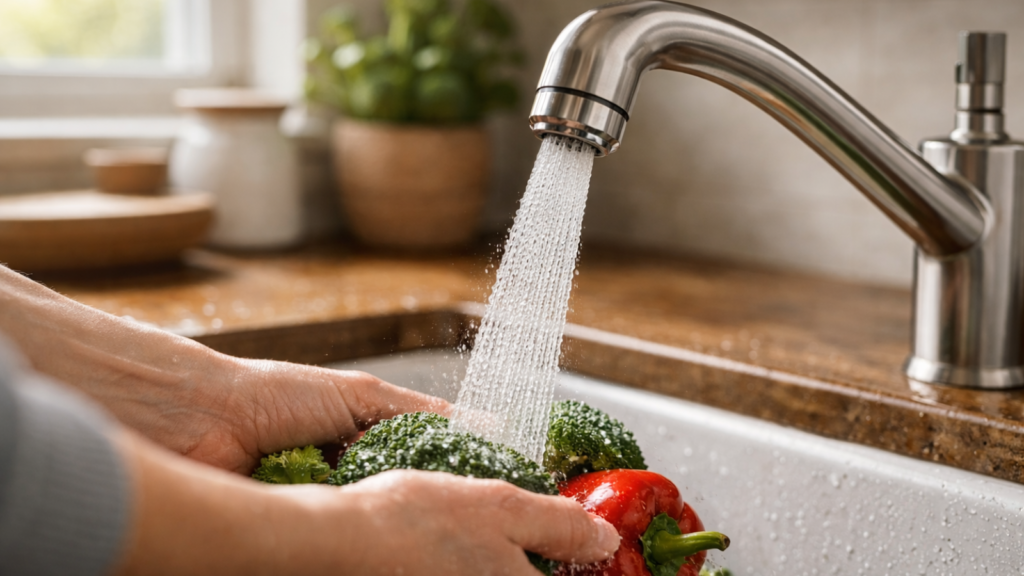
Small mesh screens screw onto tap spouts. Air mixes into water streams to maintain pressure while reducing volume. Standard taps flow at 10 to 15 litres per minute. Aerators restrict this to 4 to 6 litres without noticeable pressure loss.
Most come in universal sizes fitting 80 to 90% of residential taps. Speciality adapters accommodate non-standard fittings. Installation takes seconds. Simply unscrew old aerators and replace with efficient versions.
Eco Features
Aerators deliver impressive conservation despite small size and minimal cost. Kitchen and bathroom taps account for significant daily usage. Reducing flow by 50 to 60% creates substantial savings without behavioural changes.
Manufacturing requires minimal materials and energy compared to larger fixtures. Aerators earn excellent environmental cost-benefit ratios. Simple design means long lifespans. Virtually no maintenance gets required.
Benefits
Aerators represent the easiest, cheapest conservation upgrades available. Multiple units for entire households cost £10 to 20. Average homes save 15,000 to 25,000 litres annually.
Splashback reduction provides an unexpected benefit. Air-infused streams feel substantial but create less mess around sinks. Many users appreciate quieter operation compared to high-pressure conventional flows.
Tips for Use
Select flow rates appropriate to specific uses: 4 litres per minute for bathrooms, 6 litres for kitchens. Filling pots requires slightly higher volumes. Adjustable models offer flexibility for different tasks.
Clean quarterly by removing and soaking in vinegar solution. This dissolves mineral deposits. Hard water areas may require more frequent cleaning. Optimal performance and prevention of clogging remain maintained.
Keep spare aerators available. Cross-threading during installation occasionally damages threads. Having replacements prevents reverting to inefficient flows while waiting for new parts.
Recommended Products
Neoperl Cascade aerators offer swivel action and multiple flow options from 4 to 8 litres per minute. Their Spray, Laminar, Champagne (SLC) technology provides 3 distinct stream types for different preferences.
Budget-friendly options like Danco universal aerators provide solid performance at £3 to 5 each. Kohler Kitchen aerators feature pullout designs combining flexibility with efficiency for premium experiences.
4. Water-Saving Toilet Tank Bank
Description
Tank banks are weighted plastic bags or displacement devices. Placement inside toilet cisterns reduces fill volume by 1 to 2 litres per flush. This simple solution works with existing toilets. No modifications or professional installation occur.
Most products use safe, inert materials. These won’t degrade or contaminate water supplies. Adjustable designs allow customising displacement amounts. Toilet performance and household preferences guide adjustments.
Eco Features
Toilets consume 25 to 30% of household water. Even modest per-flush reductions create significant savings. Displacing 1.5 litres per flush saves approximately 7,300 litres annually for single-user toilets. Multiply by household members for total impact.
Tank banks avoid embodied carbon costs of manufacturing and installing new fixtures, unlike replacement toilets. This makes them extremely efficient conservation solutions with minimal environmental footprint.
Benefits
Near-zero costs of £5 to 10 mean instant positive return on investment. Installation takes 2 minutes without tools or plumbing knowledge. Renters or anyone seeking quick improvements find them perfect.
Adjustable displacement lets users fine-tune savings. Adequate flushing power remains ensured. Reduce displacement slightly until achieving optimal balance if initial settings cause incomplete flushes.
Tips for Use
Position displacement devices away from flush mechanisms. Interference gets prevented. Ensure adequate remaining volume, typically 6+ litres, for effective waste removal. Conservation shouldn’t compromise hygiene.
Avoid homemade alternatives like brick pieces. These crumble and damage mechanisms. Purpose-built tank banks provide safe, reliable performance without risks to plumbing systems.
Monitor toilet performance after installation. Double-flushing due to inadequate volume negates savings. Adjust displacement if necessary to maintain single-flush effectiveness.
Recommended Products
HydroRight Drop-A-Brick offers adjustable displacement from 0.5 to 2 litres with durable construction. Bathroom savings kits bundling tank banks with other accessories provide comprehensive solutions at value pricing.
Sealed plastic bottles filled with pebbles work for DIY enthusiasts at zero cost. Commercial products like Toilet Tummy provide premium materials and guaranteed compatibility with most cistern designs.
5. Dual-Flush Toilet or Retrofit Kit
Description
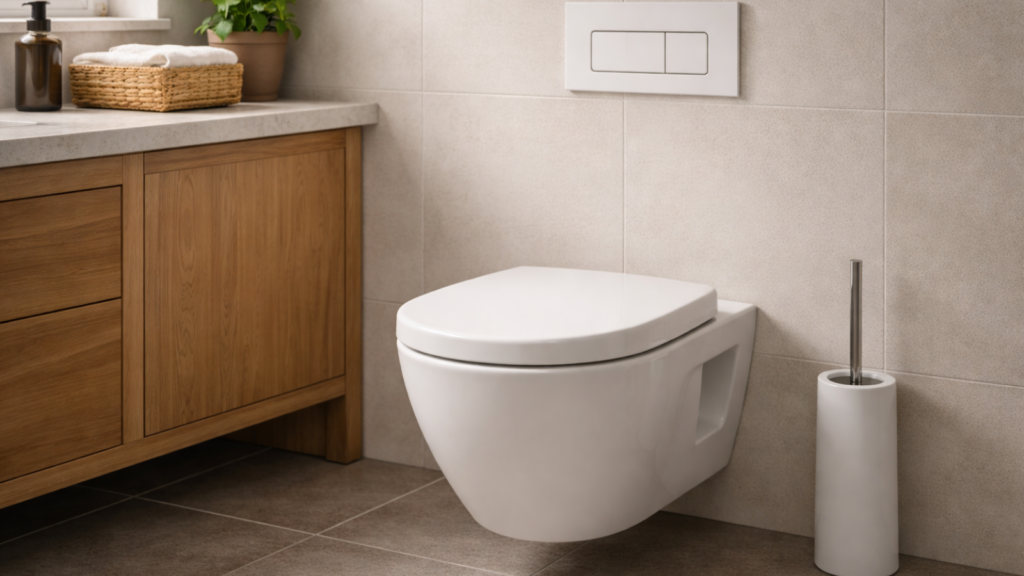
Dual-flush systems provide 2 buttons or levers: partial flush of 3 to 4 litres for liquid waste, full flush of 6 to 7 litres for solid waste. Users select appropriate volumes rather than dispensing 9 to 13 litres regardless of need.
Complete dual-flush toilets replace entire fixtures. Retrofit kits convert existing standard toilets. Kits modify cistern mechanisms. Dual-flush functionality gets added without replacing porcelain components.
Eco Features
Partial flushes handle 80% of toilet uses. Per cycle consumption reduction reaches 60 to 70%. Average households save 35,000 to 50,000 litres annually by switching from conventional single-flush toilets to dual-flush systems.
Water-efficient designs benefit treatment facilities. Reduced sewage volumes require less processing. Lower flows decrease energy consumption at treatment plants. Strain on infrastructure during peak demand reduces.
Benefits
Dramatic savings quickly offset initial costs. Retrofit kits costing £30 to 50 typically achieve payback within 6 to 12 months through reduced bills. Complete toilet replacements recover costs in 2 to 3 years while adding home value.
Modern dual-flush toilets feature sleek designs. Bathroom aesthetics enhance while delivering sustainability. Many models incorporate rimless designs and advanced glazing. Hygiene improves and cleaning requirements reduce.
Tips for Use
Educate household members about appropriate button selection. Clear labelling helps guests and children choose correctly. Confusion or embarrassment gets avoided.
Test flush effectiveness occasionally. Mechanisms function properly when checked. Partial flushes clear bowls completely. Adjust if problems develop rather than habitually using full flushes unnecessarily.
Consider pressure-assisted models for homes with low water pressure or long waste pipe runs. Enhanced flushing power ensures effective waste removal even with reduced volumes.
Recommended Products
Caroma Profile Smart features exceptional design. Sustainability awards earned while using just 3 to 4.5 litre dual-flush volumes. Budget-friendly options like Premier Ivo provide reliable dual-flush performance under £150.
Fluidmaster Duo Flush kits work with most cisterns in the United Kingdom for retrofit enthusiasts. Toto Neorest combines dual-flush efficiency with bidet functionality and heated seats for premium installations.
6. Drip Irrigation Kit
Description
Drip systems deliver water directly to plant roots through networks of tubes, emitters, and micro-sprayers. Precise application eliminates waste from evaporation, runoff, or watering non-target areas like paths and driveways.
Kits include tubing, connectors, emitters, stakes, and timers for complete installation. Modular designs allow customisation for garden layouts. Small vegetable patches to extensive landscape beds get accommodated.
Eco Features
Drip irrigation reduces garden water consumption by 30 to 70% compared to sprinklers or hand watering. Targeted delivery means nearly 100% reaches intended plants. Evaporation or runoff into drains gets avoided.
Efficient watering promotes healthier plants with deeper root systems. Drought resistance improves naturally. Reduced moisture on foliage decreases fungal diseases. Pesticide needs potentially get eliminated. Organic gardening principles receive support.
Benefits
Automated timers free gardeners from daily watering routines. Consistent moisture levels that plants prefer remain ensured. Programmable schedules adjust easily for seasonal needs, rainfall, or travel periods.
Soil quality improves through gentle, consistent moisture distribution. Alternating drought and saturation get avoided. Better growing conditions increase yields in vegetable gardens. Ornamental plant vigour and flowering enhance.
Tips for Use
Position emitters 10 to 15 centimetres from plant stems. Root spreading gets encouraged rather than surface clustering. Space emitters according to soil type. Sandy soils need closer spacing than clay.
Run systems early morning. Evaporation minimises while foliage drying occurs before nightfall. This timing reduces disease risks. Water absorption into soil rather than atmosphere maximises.
Flush lines monthly by removing end caps and running systems briefly. Sediment clears and clogging gets prevented. Install filters at water sources. Debris entering systems minimises.
Recommended Products
Rain Bird Drip Irrigation Kits offer comprehensive components with detailed instructions suitable for beginners. Professional-grade systems like Netafim provide exceptional durability and precision for serious gardeners.
Generic kits from garden centres provide adequate performance for modest gardens at budget-conscious prices. Raindrip Automatic Watering Kit bundles timers with irrigation components for convenient all-in-one solutions.
7. Smart Irrigation Controller
Description
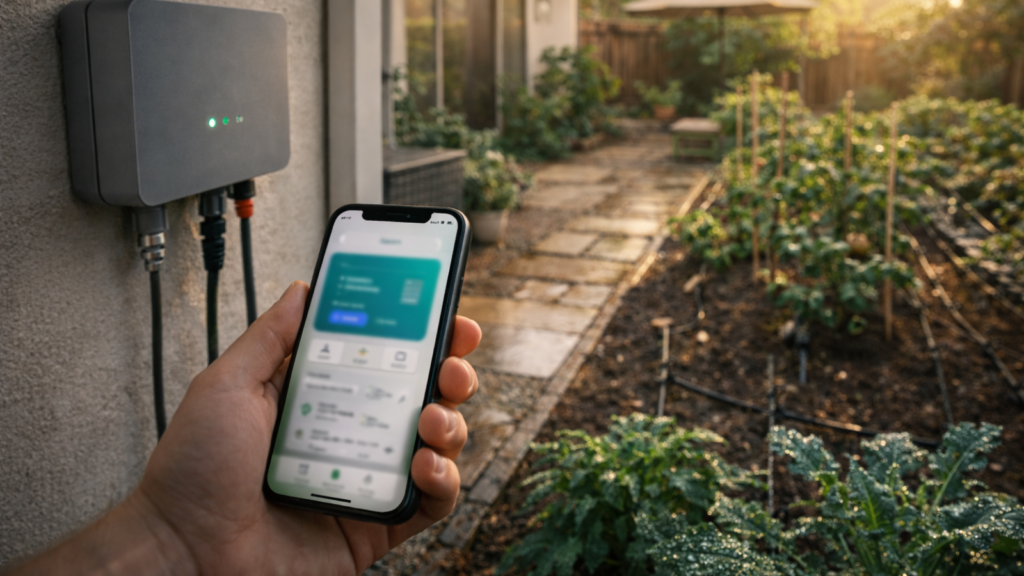
Internet-connected controllers replace standard timer systems with intelligent scheduling. Weather data, soil moisture, plant types, and seasonal needs guide automation. Sensors monitor rainfall, temperature, humidity, and ground conditions. Watering optimises automatically.
Most systems operate via smartphone applications. Remote control and monitoring work from anywhere. Integration with weather services adjusts schedules automatically. Unnecessary watering gets skipped after rainfall or during cool periods.
Eco Features
Weather-responsive scheduling prevents watering during rain or high humidity. Studies show smart controllers reduce irrigation water use by 20 to 50% compared to standard timers through optimised scheduling.
Sensor-based systems detect actual soil moisture. Needs don’t get assumed based on arbitrary schedules. This precision prevents overwatering. Resources avoid waste while potential plant harm through root rot or nutrient leaching gets prevented.
Benefits
Remote monitoring identifies leaks or malfunctions immediately through usage alerts. Costly water waste from undetected problems gets prevented. Real-time adjustments accommodate travel schedules or unexpected weather. Manual intervention becomes unnecessary.
Healthier landscapes result from watering matched precisely to plant needs. Guesswork gets eliminated. Optimised moisture levels produce more vigorous growth, better flowering, and increased resilience to pests and diseases.
Tips for Use
Configure plant zones accurately in applications. Specify sun exposure, soil types, and plant varieties for each area. Precise settings enable controllers calculating optimal watering for diverse landscape needs.
Set seasonal adjustments to automatically reduce watering. Temperatures cool and plant growth slows. Spring and autumn typically require 30 to 50% less irrigation than summer peaks.
Review watering reports monthly. Trends and opportunities for further optimisation get identified. Historical data reveals patterns. Schedules get refined and gradual increases suggesting developing leaks get detected.
Recommended Products
Rachio 3 Smart Sprinkler Controller integrates seamlessly with Alexa and Google Assistant. Detailed weather intelligence gets provided. Environmental Protection Agency (EPA) WaterSense certification confirms 50% consumption reduction versus standard controllers.
RainMachine Touch HD offers local weather station integration. Operations work independently without cloud subscriptions. Orbit B-hyve provides essential smart features at accessible pricing for budget-minded consumers.
8. Water-Efficient Washing Machine
Description
High-efficiency washing machines use 40 to 75% less water than conventional models. Clothes get cleaned equally effectively. Front-loading designs tumble garments through partial water baths. Loads don’t get fully submerged in top-loader tubs.
Advanced sensor technology measures load size and fabric types. Only necessary water volumes get dispensed. Multiple spray nozzles and targeted water jets concentrate cleaning action. Results achieve with minimal resources.
Eco Features
Top-rated efficient models use just 40 to 50 litres per full load. Older machines use 150 to 180 litres. Annual savings reach 15,000 to 20,000 litres for average households doing 5 to 7 loads weekly.
Energy efficiency complements water savings. Heating accounts for 90% of washing machine energy consumption. Reduced water volumes mean proportionally less heating. Both resource use and carbon emissions cut substantially.
Benefits
Lower utility bills offset higher purchase prices within 3 to 5 years. Combined water and energy savings accumulate. Modern machines reduce detergent requirements through concentrated cleaning action. Further cost reductions add.
Gentler washing extends clothing lifespans. Mechanical stress during cleaning cycles reduces. Superior moisture extraction during spin cycles decreases drying time and energy. Tumble dryers or line drying both benefit.
Tips for Use
Wait for full loads before running cycles. Efficiency per garment maximises. Half-loads use 60 to 70% of full-load resources while cleaning 50% of items. This effectively doubles resource use per garment.
Select appropriate cycle settings for load types and soil levels. Eco-modes optimise water temperature and cycle duration for maximum efficiency. Intensive cleaning isn’t always required.
Use high-efficiency detergents formulated for low-water environments. Conventional detergents create excess suds in efficient machines. Cleaning effectiveness reduces and extra rinse cycles potentially get required.
Recommended Products
Bosch Series 6 i-DOS models feature automatic detergent dispensing. Just 42 litres per cycle get used with A-rated efficiency. LG Artificial Intelligence (AI) Direct Drive (DD) technology senses fabric types. Wash motions optimise for superior cleaning and care.
Miele W1 series machines combine legendary durability with water-saving technologies. Expected lifespans reach 20 years. Budget alternatives like Beko AquaTech provide solid efficiency at accessible price points under £400.
9. Hard Water Shower Filter
Description
Shower filters attach between pipes and showerheads. Minerals, chlorine, and contaminants that cause scaling and skin irritation get removed. Multi-stage filtration uses activated carbon, Kinetic Degradation Fluxion (KDF) media, and calcium sulfite. Water gets purified while maintaining flow rates.
Universal connections fit standard shower arms without tools or modifications. Compact designs remain unobtrusive. Replaceable filter cartridges provide 6 to 12 months of effective treatment per unit.
Eco Features
Scale-forming minerals get removed. Buildup in showerheads, pipes, and water heaters that reduces efficiency over time gets prevented. Maintained systems operate at optimal performance. Energy waste from diminished effectiveness gets avoided.
Filtered water requires less soap and shampoo for effective cleaning. Mineral-free water lathers better. Reduced product consumption decreases packaging waste. Chemical release into waterways through drainage lessens.
Benefits
Softer water improves skin and hair health. Harsh minerals and chemicals causing dryness and irritation get eliminated. Users often notice immediate improvements in texture and moisture retention.
Extended fixture lifespans result from prevented mineral accumulation. Aerators clog and internal components corrode less. Water heaters operate more efficiently. Scale insulation reducing heat transfer effectiveness doesn’t occur.
Tips for Use
Replace filter cartridges according to manufacturer schedules. Don’t wait for obvious performance decline. Degraded filters lose effectiveness. Bacteria growth potentially gets harboured.
Combine with low-flow showerheads for comprehensive conservation and water quality improvements. Filtered, efficient fixtures provide optimal shower experiences. Environmental impacts minimise.
Track filter replacement dates on calendars or smartphone reminders. Consistent maintenance ensures continuous benefits. Lapses that compromise water quality and system efficiency get avoided.
Recommended Products
AquaBliss High Output Universal Shower Filter removes 99% of chlorine and heavy metals. Capacity supports 10,000 to 12,000 gallons before replacement. Multi-stage filtration handles hard water particularly effectively.
Culligan WSH-C125 offers budget-friendly filtration with easy cartridge replacement. Height of Bed (HOB) indicator shows remaining filter life. Berkey Shower Filter provides superior contaminant removal with long-lasting media for premium performance.
10. Greywater Recycling System
Description
Greywater systems capture relatively clean wastewater from showers, baths, washing machines, and sinks. Reuse occurs in gardens or toilet flushing. Filtration removes particles and contaminants. Treatment processes ensure safe application.
Systems range from simple diverter valves directing shower water to gardens, to comprehensive whole-house installations. Pumps, storage tanks, and automated distribution networks get included. Complexity scales to household sizes and reuse requirements.
Eco Features
Reusing greywater reduces freshwater demand by 30 to 50% in typical households. Water serves initial purposes like bathing and laundry. Second life gets gained rather than immediately draining to treatment facilities.
Decreased sewage volumes reduce treatment facility loads and associated energy consumption. Environmental benefits multiply. Reduced extraction from natural sources and lower treatment processing requirements combine.
Benefits
Substantial utility bill reductions reward installation costs within 3 to 7 years. System complexity determines timeline. Properties in areas with water scarcity or high pricing see faster payback and greater lifetime savings.
Gardens thrive with consistent greywater irrigation even during drought restrictions. Nutrients in greywater like soap residues and skin oils provide mild fertilisation. Plant health potentially improves and synthetic fertiliser requirements reduce.
Tips for Use
Use biodegradable, phosphate-free products in sources feeding greywater systems. Harsh chemicals or bleach damage plants. Soil gets contaminated by reuse in gardens.
Avoid storing greywater longer than 24 hours. Bacterial growth and odour development get prevented. Direct reuse or storage systems with regular turnover maintain water quality. Health risks get avoided.
Rotate greywater irrigation areas periodically. Sodium buildup from soaps accumulating in soil gets prevented. Alternating with rainwater or freshwater irrigation helps maintain healthy soil chemistry.
Recommended Products
Water2Save Greywater Garden Kit provides simple diverter valve systems. Renters or newcomers to greywater recycling find them perfect. Installation requires minimal plumbing skills. Costs stay under £150.
Comprehensive systems like EcoPlay Greywater Treatment handle whole-house recycling. Automated filtration, storage, and distribution occur. Books like “Create an Oasis with Greywater” provide detailed plans for custom installations for DIY enthusiasts.
Conclusion
Water conservation through eco-friendly products represents one of the most accessible, impactful environmental actions individuals take. Options exist for every budget and living situation, from simple aerators costing just a few pounds to comprehensive greywater systems.
Implementing even a few suggestions from this guide creates meaningful change. Households reducing consumption by 30 to 40% through strategic upgrades protect precious freshwater resources. Lower utility bills and enhanced property values get enjoyed simultaneously.
Starting conservation journeys today builds sustainable futures for communities and ecosystems worldwide. Every litre saved contributes to healthier rivers, lakes, and aquifers. Leadership in environmental stewardship gets demonstrated through daily choices. Choose products aligned with your needs. Install with confidence. Join the growing movement of eco-conscious consumers creating positive change through everyday decisions.
Frequently Asked Questions
How much water can low-flow showerheads actually save?
Low-flow showerheads typically save 30 to 50% compared to standard fixtures. This translates to 30,000 to 40,000 litres annually for average households. Savings increase further by combining with shorter shower durations or pause buttons during lathering.
Are dual-flush toilets worth the extra cost?
Yes. Dual-flush systems pay for themselves through water bill reductions within 1 to 3 years. Household size and local water rates determine timeline. Lifetime savings significantly exceed initial costs while supporting environmental conservation goals.
Will water-saving products reduce water pressure?
Quality water-saving products maintain comfortable pressure through air injection, flow optimisation, and pressure compensation technologies. Users rarely notice differences in pressure despite substantial volume reductions. Conservation gets achieved without comfort sacrifices.
Can greywater systems be installed in existing homes?
Yes. Complexity varies by system type and home configuration. Simple diverter systems install easily in any property. Comprehensive whole-house systems require more extensive modifications. New construction or major renovations suit them best.
Do water-efficient washing machines clean clothes as effectively?
Modern efficient machines clean equally well or better than conventional models. Advanced spray patterns, optimised drum movements, and sensor technology work together. High-efficiency designs concentrate cleaning action rather than relying on excessive water volumes.
How often should faucet aerators be cleaned?
Clean aerators quarterly in typical conditions. Hard water areas prone to mineral buildup need more frequent cleaning. Regular cleaning maintains optimal flow rates. Clogging that reduces effectiveness and potentially damages fixtures gets prevented.
Are smart irrigation controllers difficult to set up?
Setup requires initial configuration of zones, plant types, and scheduling preferences. This typically takes 30 to 60 minutes. User-friendly applications guide through processes. Systems become progressively easier to manage. Users gain familiarity with features.
What’s the payback period for water-saving products?
Payback periods range from immediate for aerators and tank banks to 3 to 5 years for efficient appliances. Product costs and household water use determine timeline. Most investments recover costs within 2 to 3 years through combined water and energy savings.
Can renters install water-saving products?
Many products install without permanent modifications. Rental properties suit them perfectly. Showerheads, aerators, and handheld shower filters attach temporarily. Easy removal occurs during moves. Tank banks require no installation whatsoever.
How do water-saving products help during droughts?
Efficient products reduce demand on stressed water supplies. Communities manage shortages more effectively. Households already using conservation products maintain comfortable living standards. Restrictions affect those with conventional fixtures.