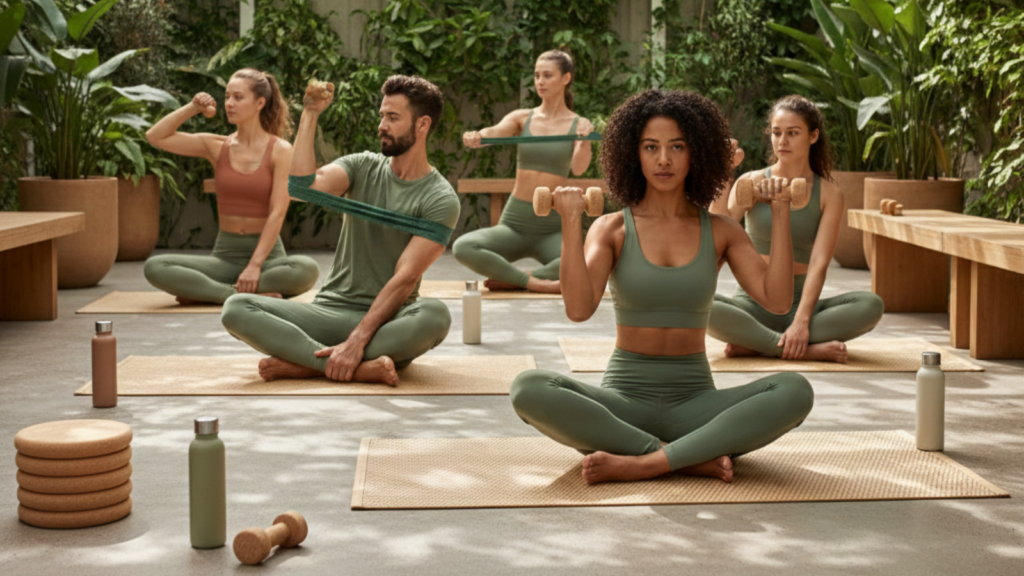
Fitness enthusiasts worldwide now seek equipment that aligns with environmental values. Traditional workout gear often contains harmful plastics, toxic chemicals, and non-biodegradable materials that damage our planet. Sustainable alternatives offer high performance while protecting Earth’s resources for future generations.
Eco-conscious consumers recognise that every purchase decision impacts environmental health. Choosing sustainable fitness equipment reduces carbon footprints, supports ethical manufacturing, and promotes circular economy principles. This comprehensive guide explores ten exceptional products that combine functionality with ecological responsibility.
1. Recycled Rubber Yoga Mats
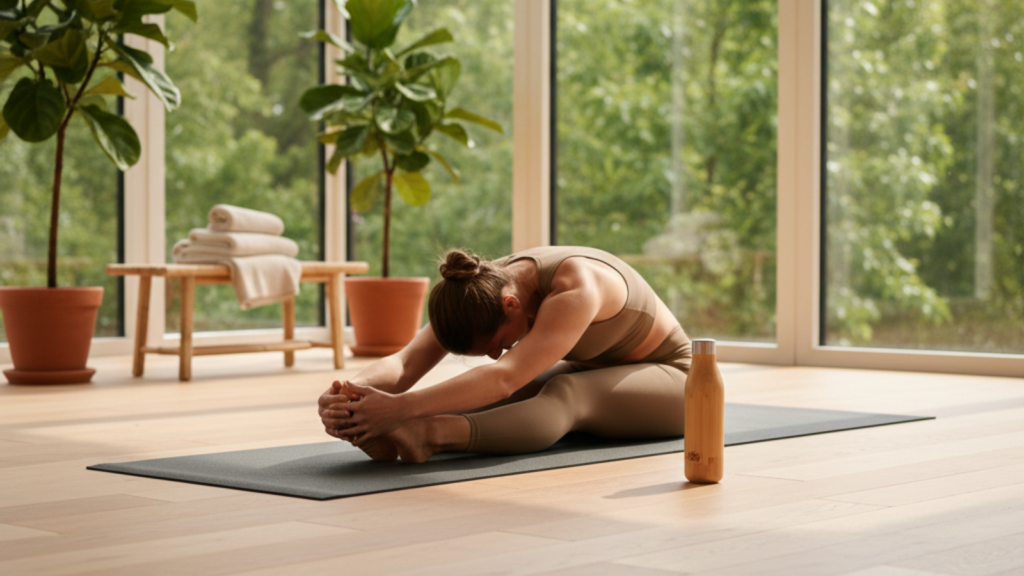
Yoga mats made from recycled rubber transform discarded materials into premium workout surfaces. Traditional Polyvinyl Chloride (PVC) mats release harmful chemicals and persist in landfills for centuries. Recycled rubber alternatives provide superior grip, durability, and cushioning while diverting waste from disposal sites.
Description
Manufacturers collect post-consumer rubber products, primarily tyres, and process them into dense, textured mats. Production involves cleaning, shredding, and binding rubber particles with natural adhesives. Finished products offer 5 to 8 millimetres of thickness, ideal for joint protection during floor exercises.
Eco Features
Recycled rubber mats prevent approximately 2 to 3 kilograms of waste from entering landfills per mat. Production requires 70% less energy compared to virgin rubber manufacturing. Natural latex backing eliminates synthetic adhesives. Mats biodegrade within 20 to 30 years, unlike PVC alternatives that remain intact for 500 to 1,000 years.
Benefits
Users experience excellent traction even during sweaty sessions. Rubber naturally resists moisture, preventing bacterial growth and odours. Density provides cushioning that protects knees, elbows, and spine during practice. Durability ensures mats last 5 to 10 years with regular use, reducing replacement frequency.
Tips for Use
Clean surfaces weekly with mild soap and water, avoiding harsh chemicals that degrade rubber. Store mats flat or loosely rolled to prevent creasing. Allow complete air drying before rolling to prevent mildew formation. Position textured side upwards for optimal grip during practice sessions.
Recommended Products
Leading brands include Manduka eKO series, Jade Harmony Professional, and prAna Revolution mats. Each offers various thicknesses, colours, and lengths. Prices range from £50 to £120, depending on size and features. Certifications such as OEKO-TEX Standard 100 verify chemical safety.
Where to Buy
Purchase directly from manufacturer websites or through retailers like REI, Amazon, and specialised yoga shops. Many brands offer lifetime warranties or satisfaction guarantees. Look for local stockists to reduce shipping emissions and support community businesses.
2. Organic Cotton Workout Apparel
Organic cotton clothing eliminates pesticides, synthetic fertilisers, and harmful processing chemicals from athletic wear production. Conventional cotton farming consumes massive quantities of water and toxic chemicals, polluting ecosystems and endangering farm workers. Organic alternatives protect biodiversity while providing breathable, comfortable fabrics.
Description
Certified organic cotton grows without synthetic pesticides or Genetically Modified Organisms (GMOs). Farmers utilise crop rotation, compost, and natural pest management. Fabric production employs low-impact dyes and avoids formaldehyde, chlorine bleach, and heavy metals. Garments include shirts, leggings, shorts, and sports bras.
Eco Features
Organic farming reduces water consumption by 91% compared to conventional methods. Soil health improves through natural fertilisation, sequestering carbon dioxide. Certifications like Global Organic Textile Standard (GOTS) ensure fair labour practices. Biodegradable fibres decompose naturally, returning nutrients to soil.
Benefits
Cotton breathes exceptionally well, wicking moisture away from skin during intense workouts. Soft fibres prevent chafing and irritation during movement. Hypoallergenic properties suit sensitive skin types. Durability increases with proper care, lasting 3 to 5 years of regular wear.
Tips for Use
Wash garments in cold water to conserve energy and preserve fabric integrity. Air dry whenever possible to extend lifespan and reduce energy consumption. Avoid fabric softeners that coat fibres and reduce moisture-wicking capabilities. Repair small tears promptly rather than discarding items.
Recommended Products
Popular brands include Patagonia Organic Cotton collection, Pact Apparel, Threads 4 Thought, and prAna. Prices vary from £20 to £80 per garment. GOTS certification guarantees organic status and ethical production. Many companies offer take-back programmes for recycling worn items.
Where to Buy
Shop brand websites, ethical fashion retailers, and outdoor equipment stores. Second-hand platforms like Depop and Vinted offer pre-loved organic options at reduced prices. Subscribe to brand newsletters for sales and exclusive releases.
3. Bamboo Fitness Accessories

Bamboo represents one of Earth’s most sustainable resources, growing rapidly without pesticides or irrigation. This versatile grass reaches maturity within 3 to 5 years, compared to decades for hardwoods. Bamboo accessories include blocks, massage tools, and storage solutions.
Description
Harvested bamboo undergoes minimal processing, maintaining natural strength and flexibility. Manufacturers create yoga blocks, foam rollers, resistance bands, and equipment stands. Natural antimicrobial properties resist bacteria and mould. Grain patterns create unique aesthetics in each piece.
Eco Features
Bamboo absorbs 35% more carbon dioxide than equivalent tree stands. Root systems prevent soil erosion and regenerate after harvesting without replanting. Production requires no chemical treatments or synthetic finishes. Biodegradability ensures end-of-life disposal causes minimal environmental impact, decomposing within 3 to 6 months.
Benefits
Lightweight construction facilitates portability for travel or outdoor sessions. Natural density provides firm support without excessive weight. Smooth surfaces feel pleasant against skin during stretching exercises. Longevity matches or exceeds plastic alternatives when properly maintained.
Tips for Use
Wipe surfaces with damp cloth after each use to remove sweat and oils. Apply food-grade mineral oil quarterly to maintain moisture and prevent splitting. Avoid prolonged water exposure that causes warping. Store in temperature-stable environments away from direct sunlight.
Recommended Products
Highly-rated options include Hugger Mugger Bamboo Yoga Blocks, Gaiam Bamboo Massage Roller, and Bamboo Yoga Cork Blocks. Prices range from £15 to £50 depending on item type and size. Look for Forest Stewardship Council (FSC) certification ensuring responsible harvesting.
Where to Buy
Available through yoga studios, sporting goods stores, and online marketplaces. Specialist eco-retailers often stock curated selections. Consider purchasing directly from manufacturers to eliminate middleman markups and reduce transportation steps.
4. Stainless Steel Water Bottles
Single-use plastic bottles contribute millions of tonnes to oceanic pollution annually. Reusable stainless steel alternatives eliminate this waste while maintaining beverage temperatures for hours. Food-grade steel contains no harmful chemicals like Bisphenol A (BPA) found in plastic containers.
Description
Bottles feature double-wall vacuum insulation that preserves cold beverages for 24 hours and hot liquids for 12 hours. Stainless steel construction resists dents, corrosion, and odour absorption. Capacities range from 350 millilitres to 1.5 litres. Wide mouths accommodate ice cubes and facilitate cleaning.
Eco Features
Stainless steel contains 60% to 80% recycled content. Durability extends product lifespan to 10 plus years, replacing thousands of disposable bottles. Complete recyclability at end-of-life ensures materials re-enter manufacturing cycles. Production energy costs amortise over extended use periods.
Benefits
Temperature retention keeps drinks refreshing throughout long workouts. Leak-proof designs protect bags and equipment from spills. Neutral taste ensures beverages maintain intended flavours. Dishwasher-safe models simplify maintenance routines.
Tips for Use
Rinse bottles daily with warm water and mild soap to prevent residue buildup. Deep clean weekly with baking soda solution to eliminate odours. Remove rubber seals periodically for thorough sanitisation. Avoid carbonated beverages that create pressure buildup in sealed containers.
Recommended Products
Top performers include Hydro Flask Standard Mouth, Klean Kanteen Classic, S’well Bottles, and YETI Rambler. Prices span £20 to £45 depending on size and features. Look for BPA-free certifications and lifetime warranties. Powder-coated finishes offer grip and colour variety.
Where to Buy
Outdoor retailers, department stores, and brand websites stock extensive selections. Compare features like lid styles, carrying loops, and insulation quality. Many stores offer personalisation services including engraving and custom colours.
5. Cork Yoga Blocks and Props
Cork harvesting represents one of forestry’s most sustainable practices. Workers extract bark from Mediterranean cork oak trees without felling them, allowing continuous regeneration. Trees live 200 plus years, absorbing carbon dioxide throughout their lifespan. Cork products provide firm support with natural grip properties.
Description
Dense, closed-cell structure creates lightweight yet supportive blocks measuring 23 by 15 by 10 centimetres typically. Natural texture increases grip when moisture is present. Cork comes from renewable bark harvested every 9 to 12 years. Props include blocks, wedges, and bolsters.
Eco Features
Cork oak forests support biodiversity, housing numerous endangered species. Harvesting stimulates growth, increasing carbon sequestration by 3 to 5 times. Production requires minimal processing and no chemical treatments. Complete biodegradability ensures environmental safety at product end-of-life, decomposing within 6 to 12 months.
Benefits
Antimicrobial properties naturally resist bacteria and odours. Firm density provides stable support during challenging poses. Texture improves with use, enhancing grip over time. Hypoallergenic composition suits practitioners with sensitivities.
Tips for Use
Clean blocks with damp cloth and mild natural soap as needed. Avoid excessive water that saturates porous surfaces. Allow complete drying before storage to prevent mildew. Sand rough edges gently with fine-grit sandpaper to maintain smoothness.
Recommended Products
Excellent choices include Manduka Cork Block, Gaiam Cork Yoga Block, and prAna Cork Wedge. Prices range from £18 to £35 per block. FSC certification verifies sustainable sourcing. Many brands donate portions of proceeds to reforestation projects.
Where to Buy
Yoga studios, wellness shops, and online retailers offer various options. Check dimensions carefully, as sizes vary slightly between manufacturers. Bundle purchases often provide savings on multiple blocks or mixed prop sets.
6. Recycled Polyester Activewear

Recycled polyester diverts plastic bottles and textile waste from landfills, transforming them into high-performance fabrics. Traditional polyester production relies on petroleum, contributing to fossil fuel depletion and greenhouse gas emissions. Recycled alternatives reduce energy consumption by 59% while maintaining technical properties.
Description
Manufacturers collect post-consumer plastic bottles, clean them, shred them into flakes, and melt them into fibres. Resulting fabrics offer moisture-wicking, quick-drying, and stretch properties. Garments include leggings, jackets, sports bras, and base layers. Blends with organic cotton or Tencel enhance comfort.
Eco Features
Each kilogram of recycled polyester prevents 2 to 3 kilograms of carbon dioxide emissions compared to virgin production. Water consumption decreases by 90%. Brands like Patagonia and Girlfriend Collective use 100% post-consumer waste. Chemical-free dyeing processes reduce water pollution.
Benefits
Technical fabrics wick sweat efficiently, keeping skin dry during intensive training. Four-way stretch allows unrestricted movement across full range of motion. Durability withstands frequent washing and high-impact activities. Colour retention prevents fading over time.
Tips for Use
Wash in cold water with eco-friendly detergent to preserve fibres and reduce microplastic shedding. Use Guppyfriend washing bags that capture microfibers during laundry cycles. Air dry to extend garment life and conserve energy. Avoid fabric softeners that impair moisture-wicking functions.
Recommended Products
Leading brands include Girlfriend Collective, Patagonia Capilene, Outerknown, and Wolven Threads. Prices range from £35 to £110 per piece. Global Recycled Standard (GRS) certification verifies recycled content. Many companies operate closed-loop recycling programmes.
Where to Buy
Purchase through brand websites, sustainable fashion retailers, and specialised activewear shops. Sign up for email lists to receive new product alerts and promotional offers. Consider capsule collections that coordinate easily for versatile workout wardrobes.
7. Natural Rubber Resistance Bands
Resistance bands provide versatile strength training with minimal environmental footprint. Natural rubber harvested from Hevea brasiliensis trees represents renewable, biodegradable alternatives to synthetic latex. Sustainable tapping methods preserve tree health while producing elastic, durable materials.
Description
Manufacturers source latex from rubber tree plantations managed under sustainable forestry practices. Processing involves coagulation, rolling, and curing without harmful chemicals. Bands come in various resistance levels, lengths, and configurations including loops, tubes, and flat strips. Thickness determines resistance from 2 to 50 kilograms.
Eco Features
Rubber trees absorb carbon dioxide for 25 to 30 years of productive life. Latex harvesting involves non-destructive tapping that maintains forest ecosystems. Biodegradable material decomposes within 1 to 2 years in composting conditions. Production avoids PVC, phthalates, and synthetic polymers.
Benefits
Progressive resistance suits all fitness levels from beginners to advanced athletes. Portability enables workouts anywhere without bulky equipment. Versatility targets every major muscle group through varied exercises. Joint-friendly resistance reduces injury risk compared to heavy weights.
Tips for Use
Inspect bands before each use for tears, cracks, or weak spots that indicate replacement needs. Store away from direct sunlight and heat sources that degrade rubber. Clean with mild soap and water after sweaty sessions. Dust lightly with talc-free powder to prevent sticking.
Recommended Products
Quality options include Tribe Resistance Bands, WODFitters Natural Latex Bands, and Fit Simplify Resistance Loop Bands. Prices range from £10 to £40 for sets of multiple resistances. Look for Fair Trade certification ensuring ethical labour practices.
Where to Buy
Fitness equipment retailers, online marketplaces, and speciality shops stock various options. Multi-pack sets provide better value than individual purchases. Check return policies allowing testing of resistance levels before commitment.
8. Hemp Gym Bags and Backpacks
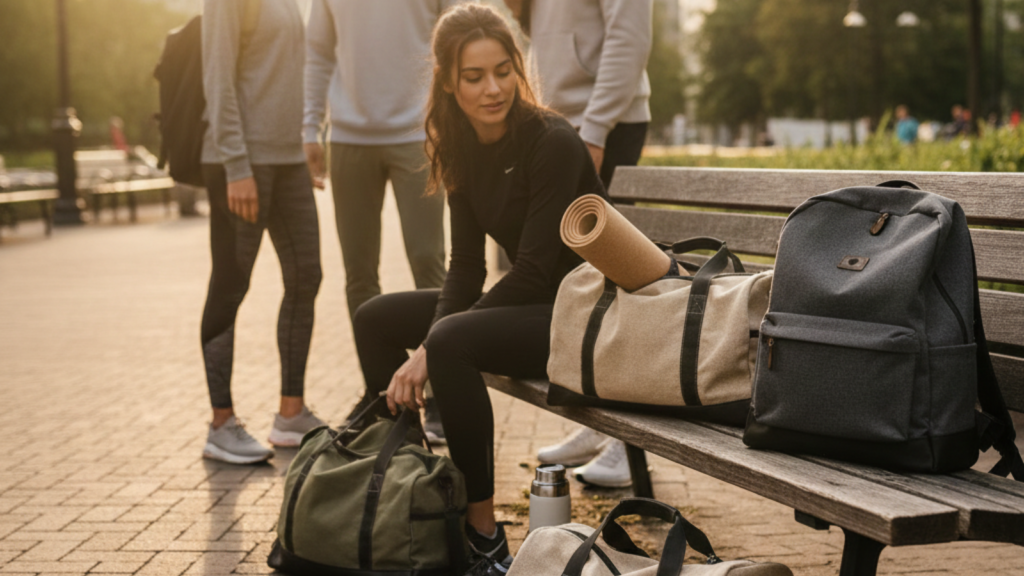
Hemp cultivation requires minimal water, no pesticides, and enriches soil through nitrogen fixation. Fibres create exceptionally strong, durable fabrics resistant to mould and ultraviolet degradation. Hemp bags offer practical storage solutions while supporting regenerative agriculture practices.
Description
Hemp fabric features natural antimicrobial properties that resist odour buildup from sweaty gear. Bags include duffel styles, backpacks, and totes with multiple compartments for organisation. Water-resistant finishes protect contents from moisture. Reinforced stitching handles heavy loads without tearing.
Eco Features
Hemp grows to maturity within 100 to 120 days, producing 250% more fibre per hectare than cotton. Deep root systems prevent erosion and sequester significant carbon. Processing requires no bleaching or harsh chemical treatments. Biodegradability ensures minimal environmental impact at end-of-life, decomposing within 2 to 3 years.
Benefits
Exceptional tensile strength exceeds cotton by three times, ensuring long-lasting durability. Breathable fabric prevents musty smells from developing inside bags. Lightweight construction reduces carrying strain during commutes. Natural colour variations create unique aesthetic appeal.
Tips for Use
Spot clean stains with mild soap and water to maintain appearance. Machine wash on gentle cycle when deeper cleaning becomes necessary. Air dry completely before packing to prevent mildew. Rotate use between multiple bags to extend individual lifespans.
Recommended Products
Recommended brands include Hempy’s Hemp Bags, Rawganique Hemp Duffels, and Sativa Bags Hemp Backpacks. Prices vary from £45 to £120 depending on size and features. Look for organic certification and Fair Trade practices. Custom embroidery services personalise bags.
Where to Buy
Eco-friendly retailers, hemp speciality stores, and online platforms offer selections. Compare compartment configurations, strap styles, and closure mechanisms. Read reviews focusing on durability and practical functionality for gym use.
9. Sustainable Wood Parallettes and Gymnastics Equipment
Sustainably harvested wood provides strength and stability for bodyweight training equipment. FSC-certified sources ensure responsible forest management that balances human needs with ecosystem preservation. Wooden parallettes, pull-up bars, and gymnastics rings offer professional-grade performance without petroleum-based materials.
Description
Hardwoods like maple, birch, and oak provide necessary strength for supporting body weight during exercises. Smooth finishes protect hands from splinters while maintaining natural grip. Equipment includes parallettes for handstand practice, pull-up bars for upper body development, and rings for advanced gymnastics movements.
Eco Features
FSC certification guarantees forests are managed for biodiversity, soil health, and community benefit. Wood production sequesters carbon throughout tree growth. Manufacturing requires less energy than metal fabrication. Natural biodegradability ensures responsible disposal, decomposing within 5 to 10 years in proper conditions.
Benefits
Natural wood feels warmer and more comfortable than cold metal alternatives. Non-slip surfaces increase safety during challenging movements. Aesthetic beauty enhances home gym spaces. Durability provides decades of reliable use when properly maintained.
Tips for Use
Sand surfaces lightly if rough spots develop to restore smoothness. Apply beeswax or mineral oil annually to protect against moisture damage. Check joints and connections regularly, tightening hardware as needed. Store indoors to prevent weather-related deterioration.
Recommended Products
Quality manufacturers include Rogue Fitness Wooden Parallettes, Torque Fitness Wooden Rings, and Power Guidance Wooden Pull-Up Bar. Prices span £40 to £150 depending on equipment type. Verify FSC certification and sustainable sourcing practices.
Where to Buy
Gymnastics equipment suppliers, CrossFit retailers, and specialised fitness stores stock selections. Custom builders create bespoke dimensions for specific needs. Compare wood types, finish quality, and weight capacities before purchasing.
10. Biodegradable Foam Rollers
Traditional foam rollers use petroleum-based expanded polystyrene that persists indefinitely in landfills. Biodegradable alternatives utilise plant-based materials that provide comparable density and durability while decomposing naturally. Self-myofascial release benefits muscle recovery without environmental compromise.
Description
Plant-based foams derive from renewable sources like sugarcane, cornstarch, or recycled coffee grounds. Manufacturing processes avoid harmful blowing agents and chemical additives. Rollers come in various densities, textures, and lengths from 30 to 90 centimetres. Surface patterns increase effectiveness for trigger point therapy.
Eco Features
Bio-based materials reduce fossil fuel dependence by 95%. Compostable formulations decompose within 6 to 18 months in industrial composting facilities. Carbon-neutral production offsets emissions through verified programmes. Certifications like USDA Certified Biobased Product verify renewable content percentages.
Benefits
Firm density effectively releases muscle tension and improves flexibility. Durable construction withstands regular use for 2 to 4 years. Textured surfaces target specific muscle groups more effectively. Portable designs enable recovery routines anywhere.
Tips for Use
Start with lighter pressure, gradually increasing intensity as muscles adapt. Roll slowly, spending 30 to 60 seconds per muscle group. Avoid rolling directly over joints or bones. Clean surfaces with mild soap and water after each use to prevent buildup.
Recommended Products
Recommended options include JURU Bio Foam Roller, Gaiam Restore Bio-Based Roller, and TriggerPoint ECO Roller. Prices range from £25 to £60 depending on size and density. Look for third-party certifications verifying biodegradability claims.
Where to Buy
Fitness equipment stores, physical therapy suppliers, and wellness retailers stock various models. Test density levels in-store when possible to match personal preferences. Online reviews provide insights into durability and effectiveness.
Conclusion
Sustainable fitness equipment empowers conscious consumers to pursue health goals while respecting planetary boundaries. Eco-friendly alternatives now match or exceed conventional gear in performance, durability, and aesthetic appeal. Investing in quality sustainable products reduces long-term costs through extended lifespans and superior functionality.
Transitioning to environmentally responsible fitness gear represents more than personal choice, it contributes to systemic change within athletic industries. Supporting brands that prioritise sustainability encourages broader adoption of regenerative practices, ethical labour standards, and circular economy principles. Every purchase decision carries implications for resource management, ecosystem health, and future generations.
Building sustainable workout routines starts with thoughtful equipment selection but extends to maintenance practices, disposal decisions, and community engagement. Share knowledge about eco-friendly alternatives with fellow fitness enthusiasts. Support legislation promoting corporate environmental accountability. Celebrate progress while continuing to seek improvements in personal sustainability journeys.
Frequently Asked Questions
What makes fitness gear truly eco-friendly?
Eco-friendly fitness gear uses sustainable materials like organic cotton, recycled polyester, or rapidly renewable resources such as bamboo. Production minimises water consumption, energy use, and chemical pollution while ensuring fair labour practices. Products offer durability that extends useful life, and materials decompose naturally or recycle completely at end-of-life.
How long does sustainable fitness equipment typically last?
Quality sustainable equipment matches or exceeds conventional alternatives in durability. Yoga mats last 5 to 10 years, stainless steel bottles endure 10 plus years, and wooden equipment provides decades of use. Proper maintenance including regular cleaning, appropriate storage, and timely repairs maximises lifespan significantly.
Are eco-friendly fitness products more expensive?
Initial costs often exceed conventional options by 20% to 50%, but superior durability provides better long-term value. Products last longer, require fewer replacements, and maintain performance throughout extended use. Many brands offer warranties or guarantees that protect investments.
Can recycled materials match performance of new materials?
Modern recycling technologies produce materials that equal or surpass virgin alternatives. Recycled polyester wicks moisture as effectively as new fabric, recycled rubber provides excellent grip and cushioning, and reclaimed steel offers identical strength. Performance differences have become negligible in most applications.
Where can I recycle old fitness equipment?
Many sustainable brands operate take-back programmes that recycle worn products into new items. Local recycling centres accept metal, rubber, and certain plastics. Donation centres welcome functional equipment for reuse. Specialised programmes like TerraCycle handle difficult-to-recycle materials.
Do sustainable workout clothes require special care?
Sustainable fabrics benefit from cold water washing, air drying, and mild detergents free from harsh chemicals. Avoid fabric softeners that coat fibres and reduce performance. Use Guppyfriend bags during washing to capture microplastics from synthetic materials. These practices extend garment life while minimising environmental impact.
What certifications should I look for when buying eco-friendly gear?
Key certifications include GOTS for organic textiles, GRS for recycled content, FSC for sustainable wood, and OEKO-TEX for chemical safety. Fair Trade ensures ethical labour practices, while carbon-neutral certifications verify emission offsets. Certifications provide third-party verification of environmental and social claims.
How can I tell whether a product is genuinely sustainable?
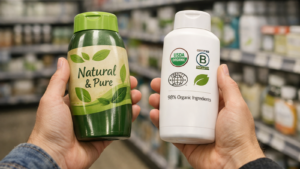
Research brand transparency regarding sourcing, manufacturing, and labour practices. Look for specific details about material percentages, certifications, and measurable environmental benefits. Avoid vague marketing terms like “eco-friendly” or “natural” without supporting evidence. Third-party certifications and detailed impact reports indicate genuine commitment.
Does buying sustainable fitness gear really make a difference?
Consumer choices drive market transformation by rewarding responsible companies and encouraging industry-wide improvements. Each sustainable purchase reduces demand for harmful materials, supports ethical manufacturing, and demonstrates market viability for environmental innovation. Collective action creates substantial cumulative impact over time.
What should I do with fitness gear I no longer need?
Donate functional equipment to community centres, schools, or charitable organisations serving underserved populations. Sell pre-loved items through second-hand platforms, extending useful life. Repair damaged products rather than replacing them immediately. Recycle materials through brand take-back programmes or specialised recycling facilities when items reach end-of-life.