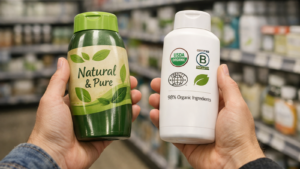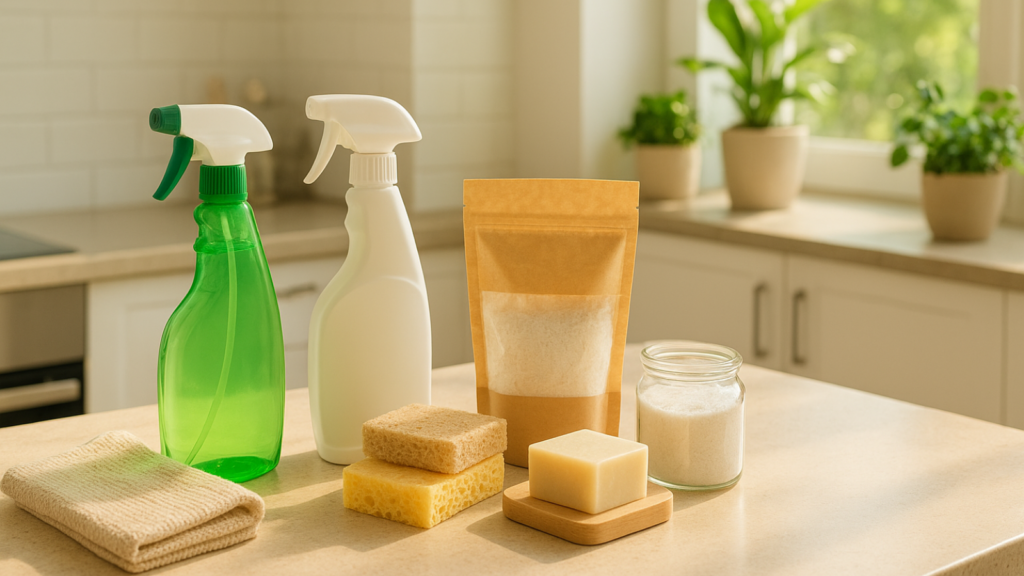
Did you know the average home brings in dozens of hidden chemicals every week, often through basic items like cleaners, soaps, and plastics? For health-conscious families and individuals, that’s a startling truth that turns simple routines like washing dishes or wiping counters into potential hazards.
Whether you’re trying to reduce your exposure to toxins, minimize environmental waste, or simply create a healthier space for your loved ones, choosing eco-friendly household products can feel overwhelming. With so many “green” labels and sustainability claims on the shelves, how do you know what truly makes a difference for your home and the planet?
In this post, we’ll know about 10 best eco-friendly household products carefully selected for their safety, effectiveness, and real environmental impact. By the end, you’ll walk away with practical, trustworthy recommendations you can start using today to build a cleaner, greener, and healthier home.
Why Choose Eco-Friendly Home Products?
Conventional cleaning supplies and household goods often contain harsh chemicals that harm both health and the environment. Switching to green home essentials offers multiple benefits: reduced plastic consumption, improved indoor air quality, lower carbon footprint, and protection from toxic substances. Families increasingly seek non-toxic household products that align with values of sustainability and wellness.
Natural alternatives have evolved significantly. Modern eco-friendly home alternatives match or exceed traditional products in performance while offering biodegradability and safety. Whether you’re beginning your sustainability journey or expanding existing practices, these earth-friendly home products provide practical solutions for everyday needs.
10 best eco-friendly household products
1. Reusable Kitchen Items
Eco Features
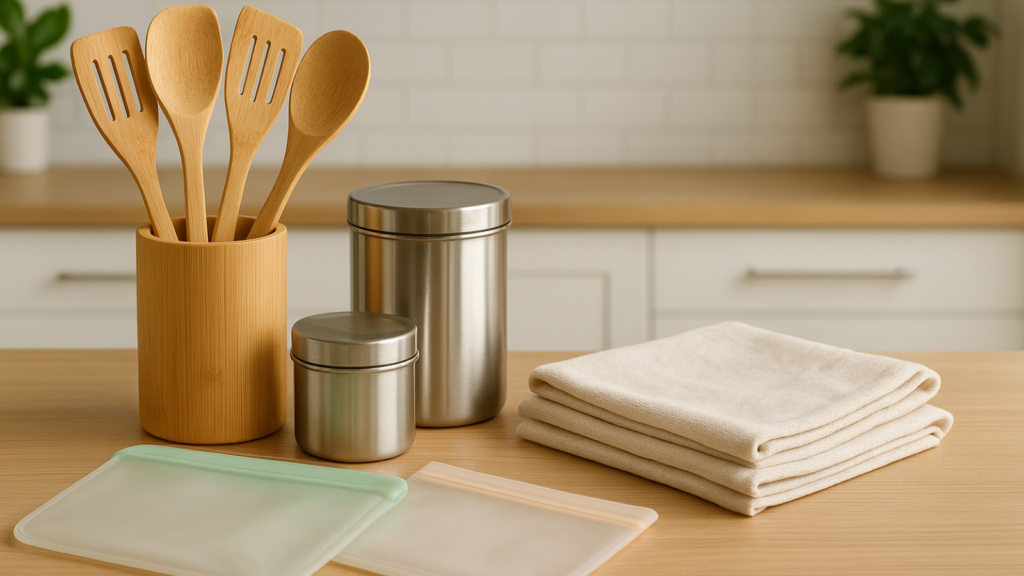
Reusable kitchen items eliminate single-use plastics and reduce landfill waste dramatically. Made from sustainable materials like bamboo, stainless steel, silicone, or organic cotton, products in this category can last for years with proper care. Unlike disposable alternatives, reusable options don’t leach chemicals into food or contribute to ocean pollution.
Best For
Health-conscious families seeking to reduce kitchen waste while maintaining food safety. Perfect for households committed to zero-waste home essentials and reducing monthly shopping costs.
Benefits
Switching to reusable kitchen items saves money long-term, reduces plastic exposure, and minimises environmental impact. Beeswax wraps replace cling film, silicone bags substitute plastic storage bags, and cloth napkins eliminate paper waste. Durability means fewer purchases over time, and many options are dishwasher-safe for convenience.
How to Use
Start by replacing one disposable item at a time. Introduce reusable glass containers for leftovers, swap paper towels for cloth alternatives, and use beeswax wraps for sandwich wrapping. Clean bamboo utensils by hand with mild soap, and wash fabric items in cold water to extend lifespan.
Products
Popular choices include beeswax food wraps, reusable silicone food bags, bamboo cutlery sets, stainless steel straws with cleaning brushes, Swedish dishcloths, and reusable produce bags. Look for certified organic materials and products made by B-Corp companies committed to sustainability.
2. Natural Cleaning Supplies
Eco Features
Natural cleaning supplies use plant-based ingredients instead of synthetic chemicals, petroleum derivatives, or harmful toxins. Biodegradable formulas break down safely without polluting waterways. Concentrated refills reduce packaging waste, and many brands offer refillable cleaning bottles to eliminate single-use plastics.
Best For
Families with children, pets, or individuals with chemical sensitivities. Ideal for creating toxin-free household items throughout living spaces while maintaining effective cleaning power.
Benefits
Plant-based cleaners reduce respiratory irritation, skin reactions, and long-term health risks associated with conventional products. Natural disinfectants kill bacteria without harsh fumes. Eco-safe cleaning solutions protect aquatic ecosystems and reduce indoor air pollution. Multi-surface formulas simplify cleaning routines and reduce clutter.
How to Use
Dilute concentrated formulas according to instructions for optimal effectiveness. Apply natural all-purpose cleaners to countertops, spray eco-friendly glass cleaner on windows, and use plant-based dish soap for hand washing. Store refillable cleaning bottles in cool, dark places to maintain potency.
Products
Recommended options include castile soap concentrate, vinegar-based all-purpose cleaners, plant-based dish soap, eco-friendly floor cleaners, natural disinfectants with essential oils, and refillable spray bottles. Brands like Ecover, Method (with recycled plastic packaging), and Seventh Generation lead sustainable innovation.
3. Compostable Household Items
Eco Features
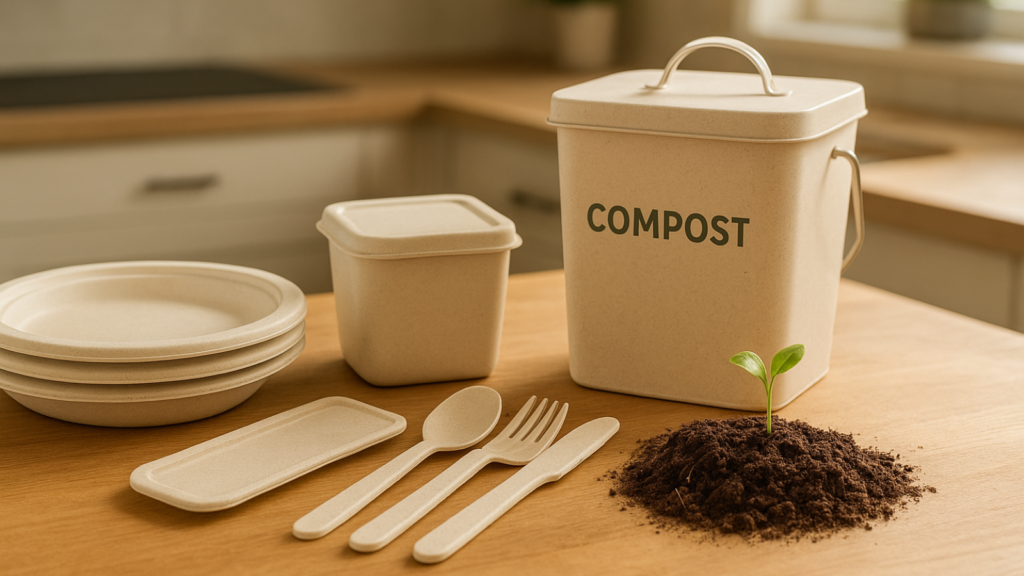
Compostable household items break down into organic matter within months under proper conditions. Made from materials like cornstarch, bamboo fibres, or sugarcane bagasse, these products return nutrients to soil without leaving microplastics or toxic residues. Certifications like BPI or TUV Austria guarantee genuine compostability.
Best For
Environmentally conscious households with access to composting facilities or home compost bins. Excellent choice for reducing landfill contributions and closing waste loops.
Benefits
Composting household waste reduces methane emissions from landfills while creating nutrient-rich soil amendments. Compostable trash bags, food scraps bags, and cleaning wipes simplify waste management. Unlike biodegradable products that may take years to decompose, certified compostable items break down within 180 days in industrial composting facilities.
How to Use
Check local composting guidelines before purchasing compostable products. Use compostable trash bags in kitchen caddies for food scraps, dispose of biodegradable wipes in green bins where accepted, and add compostable dishcloths to home compost when worn out. Remember that “home compostable” and “industrial compostable” certifications differ in requirements.
Products
Essential compostable items include cornstarch trash bags, bamboo fibre dishcloths, compostable food storage bags, plant-based cleaning wipes, sugarcane bagasse plates (for gatherings), and biodegradable kitchen bags. Verify certifications to ensure genuine compostability rather than mere “biodegradable” marketing claims.
4. Eco-Friendly Bathroom Products
Eco Features
Sustainable bathroom products minimise plastic packaging through solid bars, powder formulas, or refillable containers. Ingredients come from renewable sources without palm oil, microplastics, or synthetic fragrances. Bamboo bathroom accessories replace plastic items, and organic cotton options eliminate conventional cotton’s pesticide burden.
Best For
Individuals seeking to reduce bathroom plastic waste and eliminate exposure to synthetic chemicals found in conventional personal care items. Perfect for creating low-waste morning and evening routines.
Benefits
Shampoo bars replace multiple plastic bottles annually, bamboo toothbrushes compost at end-of-life, and reusable cotton rounds eliminate disposable pads. Organic ingredients reduce skin irritation and allergic reactions. Concentrated formulas mean products last longer, reducing shopping frequency and costs.
How to Use
Store shampoo bars in well-drained soap dishes between uses to extend lifespan. Replace plastic toothbrushes with bamboo alternatives every three months. Use reusable cotton rounds with cleansers, washing after each use. Choose toilet paper wrapped in paper rather than plastic, and select organic cotton towels for durability.
Products
Recommended bathroom essentials include solid shampoo and conditioner bars, bamboo toothbrushes with plant-based bristles, reusable cotton makeup rounds, plastic-free dental floss in glass containers, organic cotton towels, bamboo toilet paper, and refillable soap dispensers. Brands like Ethique and Who Gives A Crap offer high-quality options.
5. Zero-Waste Laundry Essentials
Eco Features
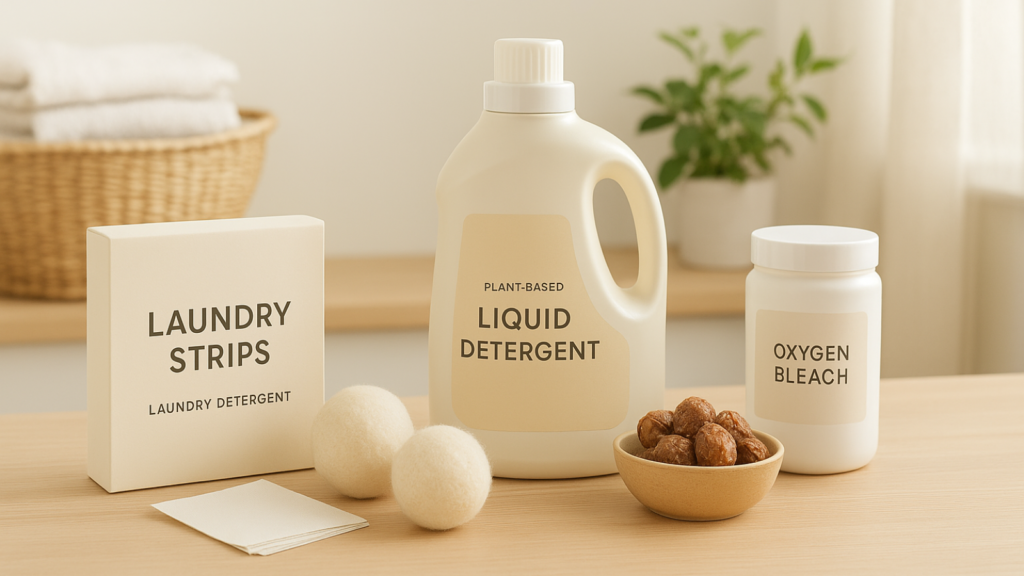
Zero-waste laundry products eliminate plastic jugs through concentrated strips, powder formulas, or refillable systems. Formulas use plant-based enzymes and minerals instead of synthetic chemicals, optical brighteners, or artificial fragrances. Many options work effectively in cold water, reducing energy consumption significantly.
Best For
Families managing high laundry volumes who want to reduce chemical exposure and plastic waste simultaneously. Excellent for households with sensitive skin or allergies to conventional detergents.
Benefits
Laundry strips and eco-friendly detergents dissolve completely without residue buildup on clothes or machines. Concentrated formulas mean less packaging waste and easier storage. Wool dryer balls replace synthetic dryer sheets while softening fabrics naturally. Plant-based ingredients biodegrade safely, protecting waterways from pollution.
How to Use
Place one or two laundry strips directly in washing drum before adding clothes. Use three to six wool dryer balls per load to reduce drying time and static. Add white vinegar as natural fabric softener during rinse cycle. Wash most loads in cold water to save energy without compromising cleanliness.
Products
Essential laundry products include biodegradable laundry sheets or strips, plant-based liquid detergent in refillable containers, wool dryer balls, soap nuts for sensitive skin, oxygen-based bleach alternatives, and eco-friendly fabric softener. Brands like Tru Earth and Dropps offer convenient strip formats.
6. Eco-Safe Kitchen Essentials
Eco Features
Sustainable kitchen tools use materials like bamboo, recycled stainless steel, cast iron, or food-grade silicone. Products avoid non-stick coatings that release harmful chemicals when heated. Durable construction means items last decades rather than years, reducing replacement frequency and waste generation.
Best For
Cooking enthusiasts and families wanting cookware and utensils that won’t leach toxins into food. Perfect for those building kitchen arsenals that prioritise health and sustainability equally.
Benefits
Cast iron cookware lasts generations with proper care while adding beneficial iron to foods. Bamboo utensils don’t scratch non-stick surfaces and naturally resist bacteria. Stainless steel containers eliminate plastic storage concerns. Silicone baking mats replace disposable parchment paper, and glass food containers allow safe microwave reheating.
How to Use
Season cast iron pans regularly with oil to maintain non-stick properties. Hand wash bamboo utensils and cutting boards, applying food-grade mineral oil monthly. Use silicone baking mats on baking trays for easy cleanup. Store food in glass containers with silicone or bamboo lids for freshness.
Products
Essential kitchen items include cast iron skillets, bamboo cutting boards, stainless steel mixing bowls, silicone baking mats and spatulas, glass storage containers with sustainable lids, ceramic knives, wooden cooking spoons, and stainless steel lunch boxes. Brands like Le Creuset and GreenPan offer quality options.
7. Plastic-Free Home Accessories
Eco Features
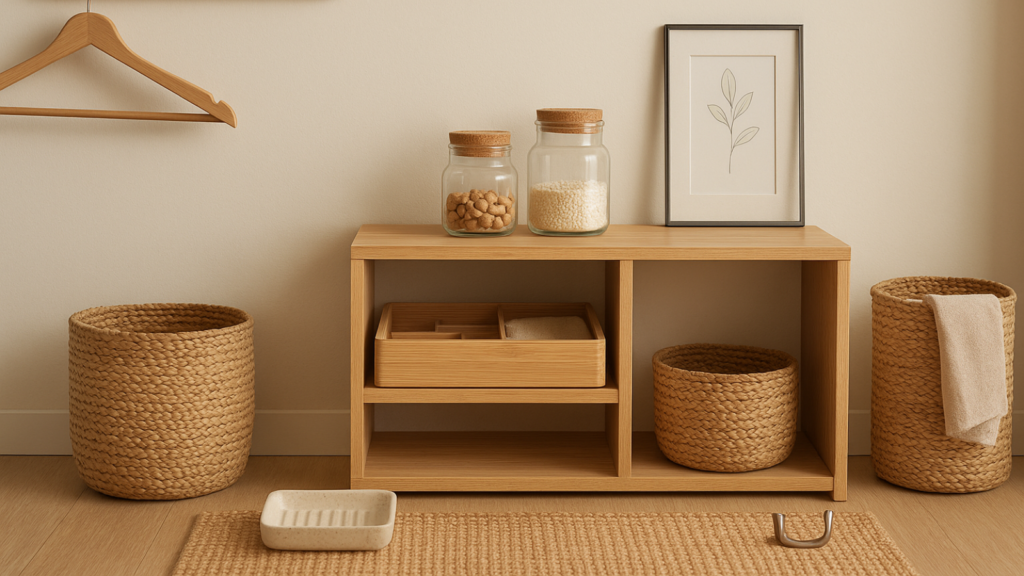
Plastic-free alternatives use natural materials like wood, bamboo, glass, metal, or stone. Products replace common plastic items found throughout homes: coat hangers, storage bins, picture frames, and decorative pieces. Many options incorporate recycled materials or sustainably harvested resources.
Best For
Households committed to eliminating plastic exposure completely. Ideal for families concerned about hormone-disrupting chemicals and microplastics in living environments.
Benefits
Natural materials don’t release volatile organic compounds or degrade into microplastics over time. Wooden hangers support garment weight better than plastic, bamboo organisers add aesthetic warmth, and glass vases outlast plastic alternatives. Durability means fewer replacements, and natural materials can be composted or recycled at end-of-life.
How to Use
Replace plastic hangers gradually with wooden or bamboo options. Choose glass jars for bathroom storage instead of plastic containers. Use metal bookends, woven baskets for organisation, and ceramic planters for houseplants. Clean natural materials with damp cloths and mild soap to maintain appearance.
Products
Popular plastic-free accessories include wooden coat hangers, bamboo drawer organisers, glass storage jars with cork lids, metal picture frames, woven seagrass baskets, ceramic soap dishes, stainless steel hooks, and natural fibre rugs. Second-hand and vintage shops often carry quality wooden and metal home accessories.
8. Energy-Saving Home Devices
Eco Features
Energy-efficient devices reduce electricity consumption through smart technology, improved insulation, or optimised performance. LED bulbs use 75% less energy than incandescent alternatives, smart thermostats learn usage patterns, and energy monitors provide real-time consumption feedback. Many devices qualify for energy efficiency certifications.
Best For
Environmentally conscious families wanting to reduce carbon footprint and utility bills simultaneously. Perfect for tech-savvy households embracing smart home technology for sustainability.
Benefits
Lower energy consumption reduces greenhouse gas emissions and monthly utility costs. LED bulbs last 25 times longer than traditional bulbs, eliminating frequent replacements. Smart power strips prevent vampire energy drain from devices on standby. Programmable thermostats optimise heating and cooling without sacrificing comfort.
How to Use
Replace incandescent bulbs with LED alternatives throughout your home. Install smart power strips for entertainment centres and home offices, programming them to shut off during sleeping hours. Use smart thermostats to schedule temperature adjustments based on occupancy patterns. Monitor energy usage through apps to identify consumption patterns.
Products
Essential energy-saving devices include LED light bulbs in various colour temperatures, smart thermostats like Nest or Ecobee, smart power strips with scheduling features, energy monitoring plugs, water-saving showerheads, programmable timers for outdoor lighting, and motion-sensor switches. Look for ENERGY STAR certification when purchasing appliances.
9. Eco-Friendly Storage Containers
Eco Features
Sustainable storage solutions use glass, stainless steel, bamboo, or silicone instead of plastic. Airtight seals keep food fresh without chemical leaching, and transparent glass allows contents visibility. Stackable designs maximise space efficiency, and many options transition from refrigerator to oven safely.
Best For
Families meal prepping, reducing plastic exposure, or organising pantries with visible storage. Excellent for households eliminating plastic containers that stain and absorb odours.
Benefits
Glass containers don’t retain food odours or stains like plastic alternatives. Stainless steel lunch boxes withstand drops without cracking. Bamboo lid storage jars add aesthetic appeal to countertops. Durability means decades of use, and materials are fully recyclable. Microwave and dishwasher safety simplifies food storage routines.
How to Use
Store leftovers in glass containers with secure lids, labelling contents and dates. Use stainless steel containers for packed lunches and snacks. Choose bamboo-lidded jars for pantry staples like flour, rice, and pasta. Avoid temperature shock by letting hot foods cool slightly before refrigerating in glass.
Products
Recommended storage options include borosilicate glass containers with silicone lids, stainless steel bento boxes with compartments, bamboo-lidded glass jars in various sizes, silicone food storage bags, glass meal prep containers, stainless steel snack containers, and weck glass jars with rubber seals. Brands like Pyrex and Stasher offer reliable choices.
10. Organic Home Cleaning Products
Eco Features
Organic cleaners use certified organic ingredients grown without synthetic pesticides or fertilisers. Formulas exclude harsh chemicals, synthetic fragrances, and optical brighteners. Concentrated options reduce packaging waste, and recyclable or compostable packaging completes sustainability profile. Third-party certifications verify organic claims.
Best For
Health-conscious individuals with severe chemical sensitivities or environmental illness. Ideal for homes with infants, elderly family members, or those recovering from illness.
Benefits
Certified organic ingredients ensure highest purity standards without toxic residues. Gentle formulas clean effectively while being safe for septic systems. Essential oil-based scents provide aromatherapy benefits without synthetic fragrance irritation. Supporting organic agriculture promotes regenerative farming practices.
How to Use
Follow dilution ratios on concentrated organic cleaners to maximise value. Apply organic all-purpose spray to surfaces, letting sit briefly before wiping. Use organic dish soap with hot water for effective grease cutting. Combine organic cleaners with microfibre cloths for enhanced cleaning power.
Products
Top organic cleaning products include Dr. Bronner’s castile soap, organic all-purpose cleaners, plant-based toilet bowl cleaners, organic dish soap, essential oil disinfectant sprays, organic laundry detergent, and organic floor cleaners. Look for USDA Organic, EcoCert, or Ecologo certifications confirming organic status.
Making Your Home More Sustainable
Transitioning to eco-friendly home products doesn’t happen overnight. Start with categories that align with your priorities perhaps natural cleaning supplies if family health concerns you most, or reusable kitchen items if waste reduction motivates you. Gradually expand sustainable swaps as products need replacement rather than discarding functional items prematurely.
Consider creating a replacement schedule: switch bathroom products quarterly, upgrade kitchen essentials annually, and invest in energy-saving devices during renovations. This measured approach reduces financial strain while building sustainable habits progressively.
Research brands thoroughly, looking beyond marketing claims to certifications and transparency. Companies committed to sustainability openly share ingredient lists, manufacturing processes, and environmental impact data. Supporting businesses with genuine environmental values encourages broader industry change.
Conclusion
Embracing eco-friendly household products protects family health while reducing environmental impact. From reusable kitchen items to organic cleaning products, sustainable alternatives exist for virtually every household need. These green home essentials prove that environmental responsibility and effective performance aren’t mutually exclusive.
Begin your sustainability journey with products that address your primary concerns whether that’s reducing plastic waste, eliminating toxic chemicals, or lowering energy consumption. Each swap contributes to healthier homes and a healthier planet. Small changes multiply into significant impact when adopted consistently across daily routines.
Frequently Asked Questions
What makes household products eco-friendly?
Eco-friendly household products use sustainable materials, avoid toxic chemicals, minimise packaging waste, and biodegrade safely. Look for certifications verifying environmental claims.
Are eco-friendly cleaning products as effective as conventional ones?
Modern plant-based cleaners match conventional products in cleaning power. Many natural ingredients like vinegar, baking soda, and plant-based surfactants effectively remove dirt and kill bacteria.
How much money can switching to reusable products save?
Initial investment in reusable items costs more upfront, but savings accumulate over time. Families typically save £200-500 annually by eliminating disposable products.
Where can you buy sustainable household items?
Health food shops, zero-waste stores, and online retailers specialise in eco-friendly products. Many mainstream supermarkets now stock sustainable options in dedicated sections.
Do bamboo products last as long as plastic?
Quality bamboo products last several years with proper care. Bamboo naturally resists bacteria and withstands daily use when hand washed and occasionally oiled.
Can you compost all biodegradable products at home?
Not all biodegradable products suit home composting. Industrial compostable items require higher temperatures. Check packaging for “home compostable” certification specifically.
Are natural cleaning supplies safe for septic systems?
Plant-based cleaners safely biodegrade in septic systems without harming beneficial bacteria. Avoid antibacterial products and harsh chemicals that disrupt septic function.
How do you know if eco-friendly product claims are genuine?
Look for third-party certifications like B-Corp, EcoCert, USDA Organic, or Leaping Bunny. Research company transparency regarding ingredients and manufacturing practices.
What’s the difference between biodegradable and compostable?
Biodegradable means breaking down eventually (potentially taking years), while compostable means breaking down within specific timeframes into nutrient-rich soil without toxic residue.
Can eco-friendly products work in hard water areas?
Many natural cleaners work effectively in hard water. Add white vinegar to laundry or use soap nuts, which perform well regardless of water hardness.