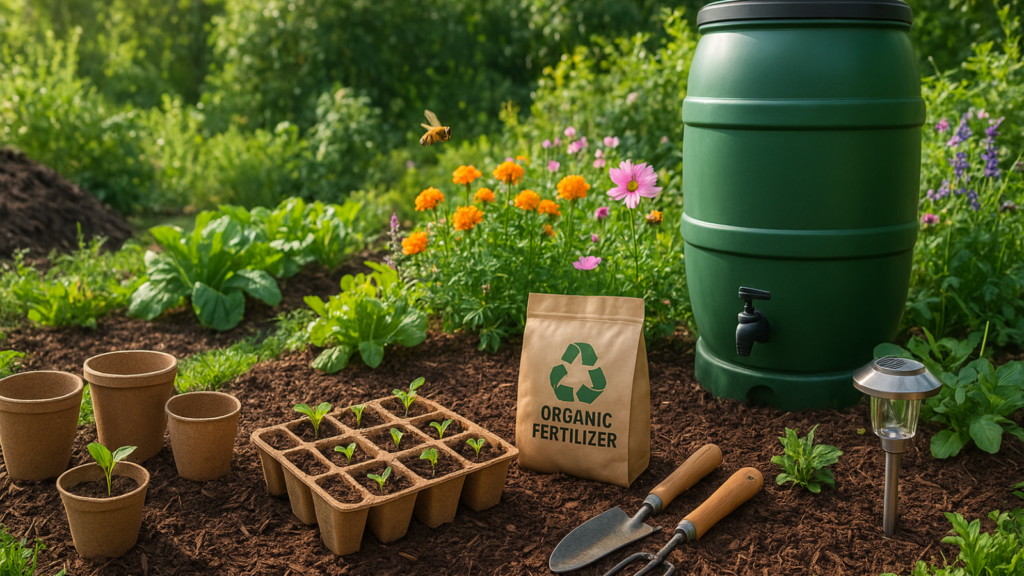
Creating sustainable gardens starts with choosing products that nurture both plants and our planet. Eco-conscious gardeners increasingly seek solutions that reduce environmental impact whilst maintaining beautiful, productive outdoor spaces. This comprehensive guide explores outstanding eco-friendly gardening products that transform conventional practices into environmentally responsible ones.
Modern sustainable gardening combines traditional wisdom with innovative green technology. From biodegradable pots to solar-powered equipment, today’s organic garden products offer practical alternatives to chemical-laden conventional options. Whether you’re establishing your first vegetable patch or maintaining mature flower beds, selecting appropriate, environmentally friendly garden tools makes a significant difference in reducing your ecological footprint.
1. Organic Seed Starters: Kickstart Your Sustainable Garden

Beginning your gardening journey with organic seed starters establishes a strong foundation for chemical-free cultivation. These products provide young plants with optimal growing conditions without synthetic additives or harmful substances.
Eco Features
Biodegradable seed pots made from coconut coir, peat alternatives, or recycled paper eliminate plastic waste entirely. Materials decompose naturally when transplanted, enriching soil rather than polluting landfills. Reusable seedling trays crafted from recycled materials serve multiple growing seasons, dramatically reducing annual waste.
Key Ingredients
Coconut coir fibre provides excellent water retention and aeration. Recycled newspaper compressed into pots offers a biodegradable structure. Peat-free alternatives include composted bark, wood fibre, and rice hulls. Organic seed-starting mixes contain aged compost, vermiculite, and perlite without synthetic fertilisers.
Benefits
Biodegradable containers prevent transplant shock by allowing direct planting without root disturbance. Superior aeration promotes robust root development. Chemical-free growing medium protects delicate seedlings from toxic residues. Reusable trays eliminate annual replacement costs whilst reducing environmental impact.
Tips for Use
Start seeds 6-8 weeks before final frost date for warm-season crops. Maintain consistent soil moisture without oversaturation. Provide adequate light—16 hours daily for optimal growth. Harden off seedlings gradually before transplanting outdoors. Plant biodegradable pots completely below soil level to prevent moisture wicking.
Recommended Products
- CowPots: Made from composted cow manure, providing nutrients as they decompose
- Jiffy Peat-Free Pellets: Coconut coir pellets that expand in water
- Bootstrap Farmer Propagation Trays: Heavy-duty recycled plastic lasting 10+ years
- West Coast Seeds Organic Starter Mix: Certified organic, peat-free seed-starting medium
Where to Buy
Garden centres specialising in organic supplies stock extensive ranges. Online retailers including Amazon, Gardeners Supply Company, and dedicated organic gardening websites offer convenient delivery. Local agricultural cooperatives frequently carry sustainable seed-starting products at competitive prices.
2. Eco-Friendly Garden Planters: Stylish and Sustainable
Container gardening flourishes when using planters that complement environmental values. Sustainable garden containers combine aesthetic appeal with ecological responsibility.
Eco Features
Natural clay terracotta planters contain no synthetic materials and last decades with proper care. Reclaimed wood containers repurpose timber otherwise destined for disposal. Recycled plastic planters divert waste from oceans and landfills. Fabric grow bags made from recycled bottles breathe naturally, promoting healthy root systems.
Key Ingredients
Unglazed terracotta comprises pure fired clay without chemical treatments. FSC-certified cedar and redwood resist decay naturally. Post-consumer recycled HDPE plastic maintains durability. Recycled PET fabric from bottles creates breathable growing containers. Natural stone and concrete provide long-lasting alternatives.
Benefits
Porous terracotta regulates soil temperature and moisture naturally. Wooden planters offer excellent insulation for root zones. Recycled plastic withstands weather extremes without degrading. Fabric containers prevent root circling, creating healthier plant systems. All options reduce demand for virgin materials.
Tips for Use
Seal terracotta pots in cold climates to prevent cracking. Line wooden planters with landscape fabric to extend lifespan. Elevate containers for drainage, preventing waterlogging. Choose sizes appropriate for mature plant dimensions. Group containers for microclimate benefits and visual impact.
Recommended Products
- Bloem Ariana Planters: 100% recycled plastic with self-watering reservoir
- Viagrow Fabric Pots: Recycled materials with reinforced handles
- Pennington Cedar Planters: FSC-certified wood construction
- Terracotta Rose Pots: Traditional Italian clay, hand-crafted
Where to Buy
Specialist garden centres offer premium sustainable planters. Home improvement stores stock budget-friendly recycled plastic options. Online marketplaces provide extensive selection with customer reviews. Local artisans at farmers’ markets create unique ceramic and wooden containers.
3. Non-Toxic Fertilizers: Nurturing Plants Safely
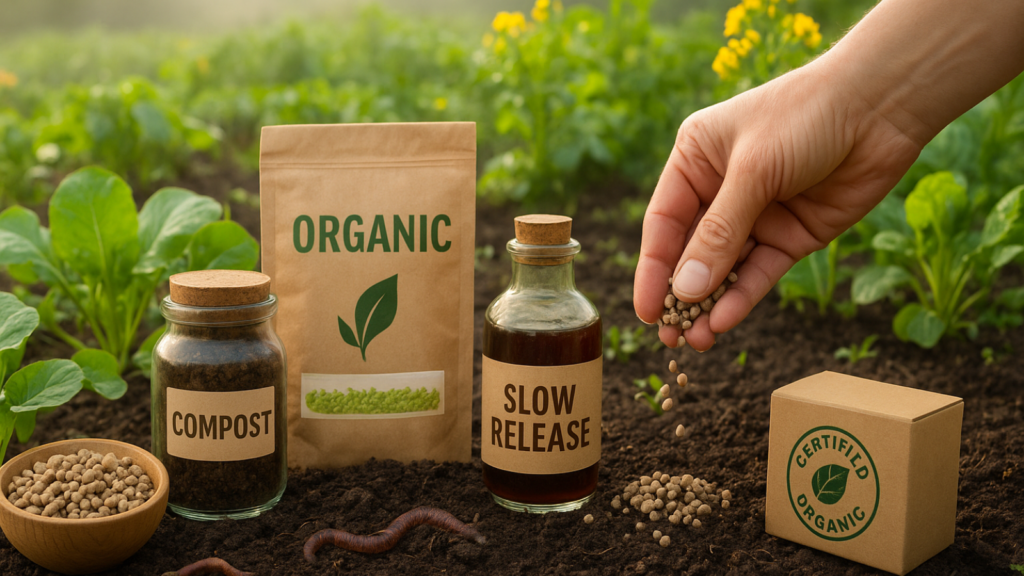
Chemical-free plant care begins with selecting natural plant fertilizers that enrich soil without harmful residues. Sustainable plant fertilizers work harmoniously with soil ecosystems, supporting beneficial microorganisms.
Eco Features
Plant-based and animal byproduct fertilisers contain no synthetic chemicals or heavy metals. Slow-release formulations prevent nutrient runoff into waterways. Organic certification ensures materials meet strict environmental standards. Locally sourced products reduce transportation emissions significantly.
Key Ingredients
Kelp and seaweed provide over 60 trace minerals plus natural growth hormones. Fish emulsion delivers readily available nitrogen from processing byproducts. Blood meal offers high nitrogen content (12-0-0). Bone meal supplies phosphorus for root and flower development (3-15-0). Feather meal provides slow-release nitrogen (12-0-0). Worm castings contain beneficial microbes and balanced nutrients.
Benefits
Organic nutrients feed soil microorganisms, creating living ecosystems. Gradual release prevents fertiliser burn and reduces application frequency. Improved soil structure enhances water retention and aeration. Plants develop stronger disease resistance compared to synthetic feeding. No chemical residues on edible crops ensures food safety.
Tips for Use
Apply granular fertilisers at soil surface, working into top inches. Dilute liquid feeds according to package directions—less is often more. Feed actively growing plants every 2-4 weeks during growing season. Side-dress heavy feeders like tomatoes monthly. Reduce feeding as plants mature and temperatures cool.
Recommended Products
- Dr. Earth Organic All-Purpose Fertiliser: Balanced 4-4-4 formula with probiotics
- Neptune’s Harvest Fish & Seaweed Blend: Liquid concentrate, 2-3-1 ratio
- Down to Earth Blood Meal: Pure nitrogen source for leafy vegetables
- Wiggle Worm Soil Builder: Pure earthworm castings, gentle yet effective
Where to Buy
Organic garden centres carry comprehensive fertiliser ranges. Agricultural supply stores stock bulk options economically. Online retailers offer subscription services for regular delivery. Local farms sometimes sell worm castings and compost directly to gardeners.
4. Natural Pest Control: Protecting Plants Without Chemicals
Maintaining healthy gardens without synthetic pesticides protects beneficial insects, soil organisms, and water quality. Natural garden repellents offer effective alternatives that work with ecosystem dynamics.
Eco Features
Botanical insecticides break down rapidly in environment, leaving no persistent residues. Biological controls introduce natural predators rather than toxins. Physical barriers prevent pest access without chemicals. All methods preserve beneficial insect populations essential for pollination and natural pest management.
Key Ingredients
Neem oil extracted from neem tree seeds disrupts insect development. Diatomaceous earth comprises fossilised diatom skeletons creating microscopic barriers. Pyrethrin from chrysanthemum flowers paralyses insects on contact. Bacillus thuringiensis (Bt) bacteria specifically target caterpillars. Insecticidal soap uses potassium fatty acids to penetrate pest bodies.
Benefits
Targeted approaches affect only problematic species, sparing beneficials. Rapid environmental breakdown prevents accumulation. Safe for humans, pets, and wildlife when applied correctly. No development of resistant pest populations. Encourages balanced garden ecosystems supporting natural predator-prey relationships.
Tips for Use
Apply neem oil during cool morning or evening hours to prevent leaf burn. Reapply diatomaceous earth after rain or irrigation. Release beneficial insects when pest populations first appear. Spray insecticidal soap directly on pests for contact effectiveness. Use Bt within specific caterpillar development windows for maximum impact.
Recommended Products
- Garden Safe Neem Oil Extract: Cold-pressed concentrate for multiple applications
- Safer Brand Diatomaceous Earth: Food-grade powder safe around pets
- Nature’s Good Guys Beneficial Insects: Ladybirds, lacewings, predatory mites
- Monterey Bt Liquid: Organic caterpillar control solution
Where to Buy
Organic nurseries stock biological pest control options. Hardware stores carry basic products like diatomaceous earth. Specialised online retailers offer beneficial insect shipments with overnight delivery. Garden clubs sometimes organise bulk purchases of biological controls.
5. Sustainable Watering Solutions: Conserve While You Cultivate
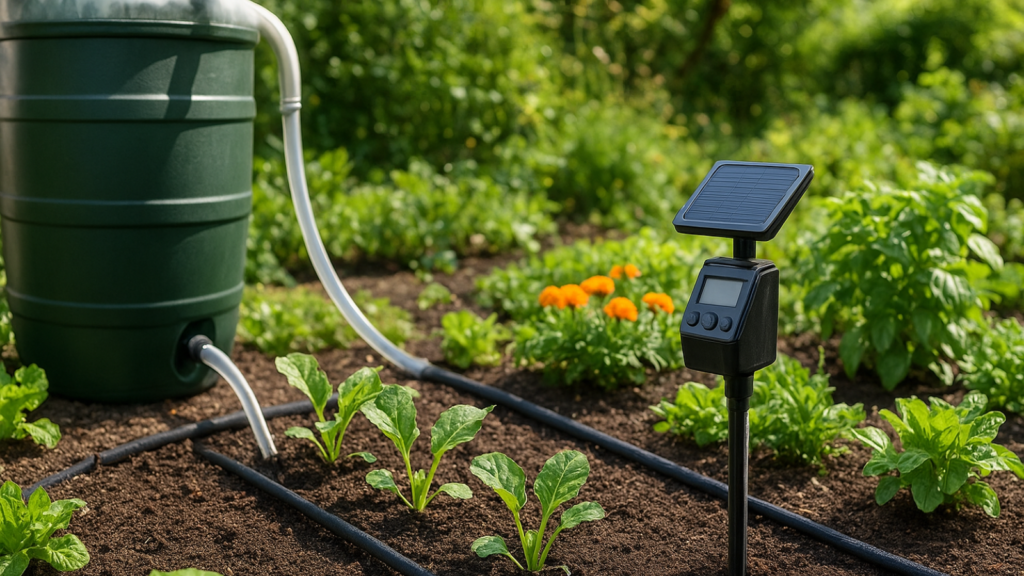
Water-saving gardening products reduce consumption whilst ensuring plants receive adequate moisture. Eco-friendly watering systems balance conservation with plant health.
Eco Features
Drip irrigation delivers water precisely to root zones, eliminating evaporation waste. Recycled rubber soaker hoses repurpose automotive tyres. Solar-powered timers eliminate battery disposal. Rainwater harvesting captures free, unchlorinated water. Durable construction extends product lifespan, reducing replacement frequency.
Key Ingredients
Virgin or recycled polyethylene tubing provides flexible drip lines. Reclaimed rubber creates porous soaker hoses. Galvanised steel offers rust-resistant rain barrels. Food-grade plastic ensures safe water storage. Solar cells and rechargeable batteries power automated systems.
Benefits
Precision watering reduces consumption by 30-50% compared to overhead methods. Root-zone delivery promotes deeper rooting and drought tolerance. Consistent moisture levels prevent stress-related plant problems. Rainwater’s neutral pH benefits acid-loving plants. Automation ensures regular watering during travel or busy periods.
Tips for Use
Install drip systems on flat surfaces or downward slopes for optimal flow. Flush lines monthly to prevent clogging from mineral deposits. Position rain barrels on stable platforms near downspouts. Screen barrel inlets to exclude debris and mosquitoes. Water deeply but infrequently to encourage robust root systems.
Recommended Products
- DripWorks Drip Irrigation Kits: Complete systems with recyclable components
- Snip-n-Drip Soaker System: Made from 75% recycled rubber
- Good Ideas Rain Wizard: 190-litre capacity with overflow valve
- Orbit B-hyve Smart Timer: Solar-powered with weather-based adjustments
Where to Buy
Irrigation specialists provide expert system design assistance. Home improvement centres stock basic components for DIY installation. Online retailers offer comprehensive kits with detailed instructions. Water conservation programmes sometimes subsidise rain barrel purchases.
6. Biodegradable Gardening Supplies: Reduce Waste Naturally
Zero-waste garden solutions minimise disposal requirements whilst maintaining functionality. Compostable garden accessories break down naturally, returning nutrients to soil.
Eco Features
Natural fibre twines decompose completely in compost bins. Wooden plant markers biodegrade without toxic residues. Paper mulch film suppresses weeds then breaks down into organic matter. Cork, bamboo, and other renewable materials replace plastic alternatives. All products return to earth harmlessly.
Key Ingredients
Jute and sisal natural plant fibres provide strong, biodegradable twine. Untreated bamboo offers renewable wood alternative. Recycled paper pulp creates compostable pots and mulch. Natural cork from sustainably harvested bark makes markers. Corn starch-based bioplastics decompose under proper conditions.
Benefits
Complete biodegradation eliminates waste disposal concerns. Natural materials add organic matter to compost. Renewable resources regenerate quickly without environmental damage. No microplastic pollution from degradation. Supports circular economy principles by returning materials to productive use.
Tips for Use
Replace jute twine annually as fibres weaken from weather exposure. Write on wooden markers with graphite pencils for durability. Lay paper mulch film over moist soil for best adhesion. Compost spent materials with other garden waste. Avoid bioplastics unless you have commercial composting access.
Recommended Products
- Nutscene Heritage Jute Twine: Traditional Scottish manufacturing, multiple colours
- Bamboo Plant Labels: Laser-etched for permanent identification
- Weed Guard Plus Paper Mulch: Newspaper-based, biodegrades in one season
- Natural Cork Plant Markers: Write-on surface, completely compostable
Where to Buy
Garden centres stock basic biodegradable supplies. Craft stores often carry natural twines and materials. Online zero-waste retailers specialise in compostable products. Agricultural suppliers provide bulk quantities economically.
7. Eco-Friendly Garden Tools: Durable and Responsible
Investing in quality sustainable garden equipment reduces replacement frequency and associated environmental costs. Green garden equipment balances functionality with ecological considerations.
Eco Features
Lifetime construction eliminates repetitive purchases and waste generation. Recycled steel reduces mining impacts. FSC-certified wooden handles ensure responsible forest management. Replaceable parts extend tool lifespan significantly. Minimal packaging reduces shipping waste.
Key Ingredients
Stainless steel resists rust without chemical coatings. Carbon steel holds edges exceptionally when properly maintained. Forged aluminium provides lightweight strength. Sustainably harvested ash, oak, or hickory creates durable handles. Natural rubber grips avoid petroleum-based plastics.
Benefits
Quality tools perform better and reduce physical strain during extended use. Lifetime warranties demonstrate manufacturer confidence and commitment. Sharpenable blades maintain effectiveness indefinitely. Repairable construction prevents complete disposal for minor damage. Heirloom quality allows passing tools to future generations.
Tips for Use
Clean tools after each use to prevent rust and disease transmission. Sharpen blades regularly using files or whetstones. Oil carbon steel to prevent oxidation during storage. Replace worn handles rather than entire tools. Store properly in dry locations to maximise lifespan.
Recommended Products
- Sneeboer Hand Tools: Dutch-crafted, lifetime warranty, FSC wooden handles
- Felco Pruning Shears: Replaceable parts, professional quality, Swiss-made
- Spear & Jackson Traditional Tools: Carbon steel, hardwood handles, British heritage
- Corona ClassicCUT Pruners: Forged steel, comfortable grips, resharpenable
Where to Buy
Specialist tool retailers offer premium brands with expert advice. Hardware stores stock mid-range quality options. Estate sales and antique shops yield vintage tools requiring restoration. Online marketplaces provide extensive selection with detailed specifications.
8. Organic Soil Enhancers: Boosting Plant Health Naturally
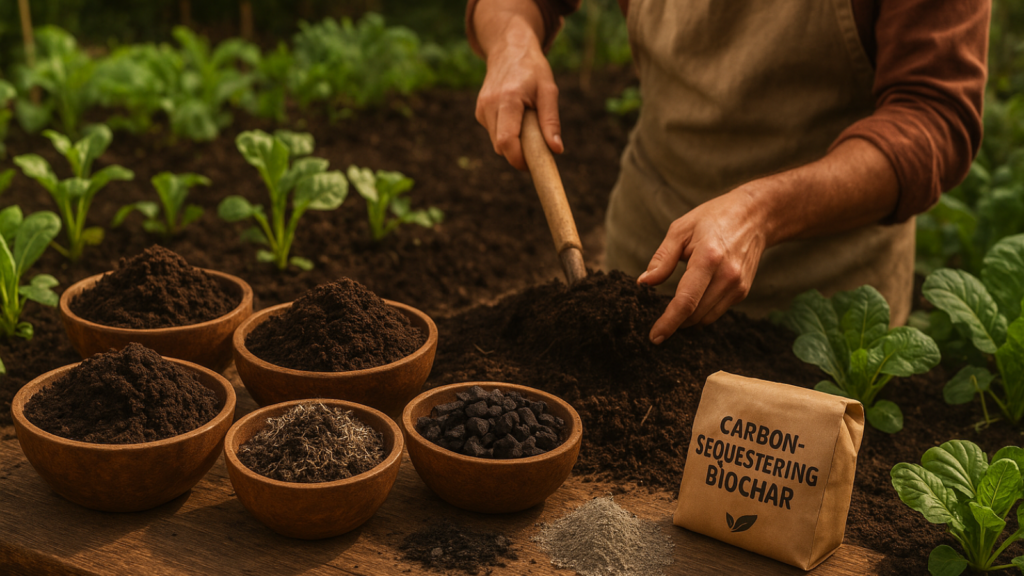
Natural garden soil enhancers improve structure, fertility, and biological activity without synthetic chemicals. Organic garden amendments work synergistically with existing soil ecosystems.
Eco Features
Locally produced compost reduces transportation emissions dramatically. Byproduct materials like manure and mushroom compost divert waste streams. Biochar sequesters carbon whilst improving soil. Rock dusts from mining operations repurpose otherwise wasted material. All products feed soil biology rather than bypassing natural processes.
Key Ingredients
Aged animal manures provide balanced nutrition and organic matter. Mushroom compost supplies rich, dark humus. Biochar contains stable carbon from controlled wood pyrolysis. Volcanic rock dust offers broad-spectrum trace minerals. Green manure crops include clover, vetch, buckwheat, and ryegrass.
Benefits
Enhanced soil structure improves drainage in clay soils and water retention in sandy soils. Increased biological activity makes nutrients more available. Better tilth reduces compaction and eases root penetration. Higher organic matter content buffers against pH extremes. Long-term soil health improvements accumulate with continued use.
Tips for Use
Apply compost generously—5-8cm layer annually minimum. Work amendments into top 15-20cm of soil before planting. Activate biochar by mixing with compost before application. Broadcast rock dust in autumn for spring availability. Sow green manures after harvest, tilling under before flowering.
Recommended Products
- Coast of Maine Stonington Blend: Certified organic compost with kelp and mycorrhizae
- Wakefield BioChar Soil Conditioner: Sustainably produced, inoculated with microbes
- Down to Earth Azomite Rock Dust: Volcanic minerals, broad trace element profile
- Peaceful Valley Organic Green Manure Mixes: Seed blends for specific soil needs
Where to Buy
Municipal composting facilities sell finished compost affordably. Organic farms offer aged manures and compost. Nurseries stock bagged amendments conveniently. Landscape supply yards provide bulk quantities with delivery services.
9. Reusable Garden Supplies: Economical and Sustainable
Low-waste gardening tools reduce ongoing expenses whilst minimising environmental impact. Reusable garden containers and equipment serve gardens for many seasons.
Eco Features
Durable construction eliminates annual repurchases and associated waste. Washable row covers protect for 5+ seasons. Metal plant stakes outlast bamboo alternatives indefinitely. Galvanised steel raised beds last 20-30 years. Initial investment yields long-term savings and reduced environmental footprint.
Key Ingredients
Heavy-duty woven polypropylene creates breathable, reusable row covers. Powder-coated steel resists weather deterioration. Galvanised metal prevents rust formation. High-density polyethylene provides UV-resistant plastic alternatives. Recycled materials reduce virgin resource consumption.
Key Benefits
Multi-season use eliminates repetitive purchases and disposal. Superior quality performs better than disposable alternatives. Cost-per-use decreases dramatically over time. Reduced packaging waste from fewer purchases. Reliable performance year after year without degradation.
Tips for Use
Wash row covers gently between seasons, air-drying completely. Store reusable supplies in dry locations protected from UV exposure. Inspect annually for damage requiring repair or replacement. Mark reusable containers permanently to prevent loss. Invest in quality initially rather than replacing cheap alternatives repeatedly.
Recommended Products
- Agribon AG-19 Row Cover: Lightweight, reusable frost protection fabric
- Gronomics Galvanised Steel Raised Beds: Rust-resistant, 20+ year lifespan
- Gardener’s Blue Ribbon Stakes: Powder-coated steel, adjustable heights
- Rubbermaid Commercial Totes: Heavy-duty storage for garden supplies
Where to Buy
Agricultural suppliers stock commercial-grade reusable products. Garden centres offer residential-scale durable supplies. Restaurant supply stores provide sturdy containers and storage. Industrial suppliers sell bulk quantities of lasting materials.
10. Solar-Powered Garden Tools: Harness Renewable Energy
Green garden maintenance embraces renewable energy through solar garden equipment. Environmentally responsible gardening extends beyond products to energy sources powering equipment.
Eco Features
Photovoltaic panels eliminate grid electricity dependence. No ongoing energy costs after initial purchase. Silent operation avoids noise pollution. Wireless installation requires no trenching or wiring. Reduced carbon footprint compared to electric or petrol-powered alternatives.
Key Ingredients
Monocrystalline or polycrystalline silicon solar cells capture sunlight. Lithium-ion batteries store energy efficiently. LED bulbs provide bright illumination with minimal power consumption. Durable weatherproof housings protect electronics. Stainless steel and aluminium resist corrosion.
Benefits
Complete energy independence from utility companies. Zero operating costs beyond initial investment. Low maintenance requirements—no fuel, filters, or oil changes. Portable placement without electrical outlet constraints. Clean operation produces no emissions or pollutants.
Tips for Use
Position solar panels facing equator for maximum sun exposure. Clean panels monthly to maintain charging efficiency. Replace rechargeable batteries every 2-3 years as capacity diminishes. Bring lights indoors during severe winter weather. Supplement with battery backup during extended cloudy periods.
Recommended Products
- LITOM Solar Pathway Lights: Bright LEDs, weatherproof, automatic operation
- Sunnydaze Solar Water Fountain: Self-contained, multiple spray patterns
- Sunforce Solar Motion Light: Security lighting, adjustable sensitivity
- Gardenerd Solar Vent Opener: Automatic greenhouse temperature control
Where to Buy
Renewable energy retailers specialise in solar garden products. Home improvement stores stock basic solar lighting. Online marketplaces offer extensive selection with customer reviews. Garden centres increasingly feature solar-powered options in sustainable sections.
Creating Your Sustainable Garden
Transitioning to environmentally safe garden products doesn’t require complete overhaul overnight. Begin by replacing conventional products as they’re depleted or worn out. Each sustainable choice contributes to healthier gardens and reduced environmental impact.
New gardeners might start with organic seed starters and natural pest control before expanding to comprehensive sustainable systems. Experienced gardeners can evaluate current practices, identifying areas where eco-conscious alternatives offer improvements. Understanding local ecosystem dynamics helps select appropriate chemical-free garden products.
Long-Term Benefits of Sustainable Gardening
Adopting the best eco-friendly gardening products creates lasting positive impacts extending beyond individual plots. Chemical-free plant care protects pollinators, beneficial insects, and soil organisms essential for ecosystem health. Reducing synthetic inputs prevents water contamination and soil degradation.
Although initial costs for quality sustainable garden equipment may exceed conventional alternatives, durability and reusability provide long-term savings. Composting reduces waste disposal costs whilst eliminating fertiliser purchases. Water conservation through efficient irrigation systems lowers utility bills.
Growing organic produce ensures fresh vegetables free from pesticide residues. Physical activity inherent in gardening promotes fitness and well-being. Connecting with nature through sustainable outdoor gardening reduces stress and improves mental health.
Conclusion
Selecting the best eco-friendly gardening products empowers us to cultivate beautiful, productive spaces while honouring environmental responsibilities. From organic seed starters launching healthy plants to solar-powered garden tools harnessing clean energy, sustainable options address every aspect of garden management.
Environmentally friendly garden tools and green gardening solutions demonstrate that ecological responsibility and gardening success aren’t mutually exclusive. Rather, sustainable practices often yield superior results, building soil health and plant resilience that synthetic shortcuts cannot replicate.
Frequently Asked Questions
Q1: Are eco-friendly gardening products more expensive than conventional options?
Initially, sustainable products may cost more, but durability and reusability provide long-term savings. Quality tools last decades, organic fertilisers improve soil permanently, and water-saving systems reduce utility bills significantly over time.
Q2: Do organic fertilisers work as well as synthetic ones?
Yes, organic fertilisers often outperform synthetic options by feeding soil biology and improving structure. Plants develop stronger root systems and better disease resistance, though results may take slightly longer initially.
Q3: How quickly do biodegradable pots decompose in soil?
Coconut coir and paper pots typically decompose within 6-8 weeks after transplanting. Complete breakdown depends on soil moisture, temperature, and microbial activity levels in your garden.
Q4: Can natural pest control manage serious infestations effectively?
Natural methods handle most pest problems when applied consistently and early. Severe infestations may require multiple applications or combined approaches using beneficial insects, botanical sprays, and physical barriers together.
Q5: Will rainwater harvesting provide enough water for large gardens?
A 200-litre rain barrel supplies sufficient water for moderate garden needs. Connecting multiple barrels increases capacity significantly. Supplement with municipal water during extended dry periods if necessary.
Q6: Do solar-powered garden lights work during winter months?
Solar lights function year-round but provide shorter illumination periods during winter due to reduced daylight hours. Modern LEDs and improved batteries maintain adequate performance even in cloudy conditions.
Q7: How long do reusable row covers last before replacement?
Quality woven fabric row covers typically last 5-7 years with proper care. Gentle washing between seasons and careful storage away from UV exposure maximises lifespan considerably.
Q8: Are eco-friendly garden tools suitable for heavy-duty work?
Premium sustainable tools often exceed conventional alternatives in performance and durability. Forged steel, stainless construction, and quality craftsmanship handle demanding tasks whilst lasting generations with proper maintenance.
Q9: Can composting really replace purchased fertilisers completely?
High-quality homemade compost provides most nutrients gardens need. Supplementing with targeted organic amendments like rock dust or kelp ensures complete mineral nutrition for optimal plant health.
Q10: Where should beginners start when transitioning to sustainable gardening?
Begin with organic seed-starting materials and natural pest control methods. Gradually replace conventional products as they’re depleted. Starting composting provides immediate benefits whilst building knowledge for expanding sustainable practices.